

What foods are not allowed on keto, and how can a “small” ingredient derail your results? Keto restricts carbs to keep your body in ketosis, so any food with sugar, grains, and most starchy vegetables can quickly push you over your daily carb limit. Before you plan meals, identify common offenders—such as bread, pasta, rice, and sweetened items—so you can choose alternatives that still fit your targets.
Most keto rules focus on cutting carbs first—so any food with significant sugar, grains, or starchy ingredients usually lands in the “not allowed” category. In practical terms, that means avoiding sweets and sugary drinks, breads and other flour products, potatoes and corn, most legumes, and most fruit—because these foods commonly push total or net carbs above your daily keto limit.
If you’re starting keto (or restarting after “cheat” meals), this is for you. It’s also useful if you’ve noticed you’re eating “healthy carbs” but still aren’t seeing results.
High-Sugar Foods (Instant Keto Don’ts)
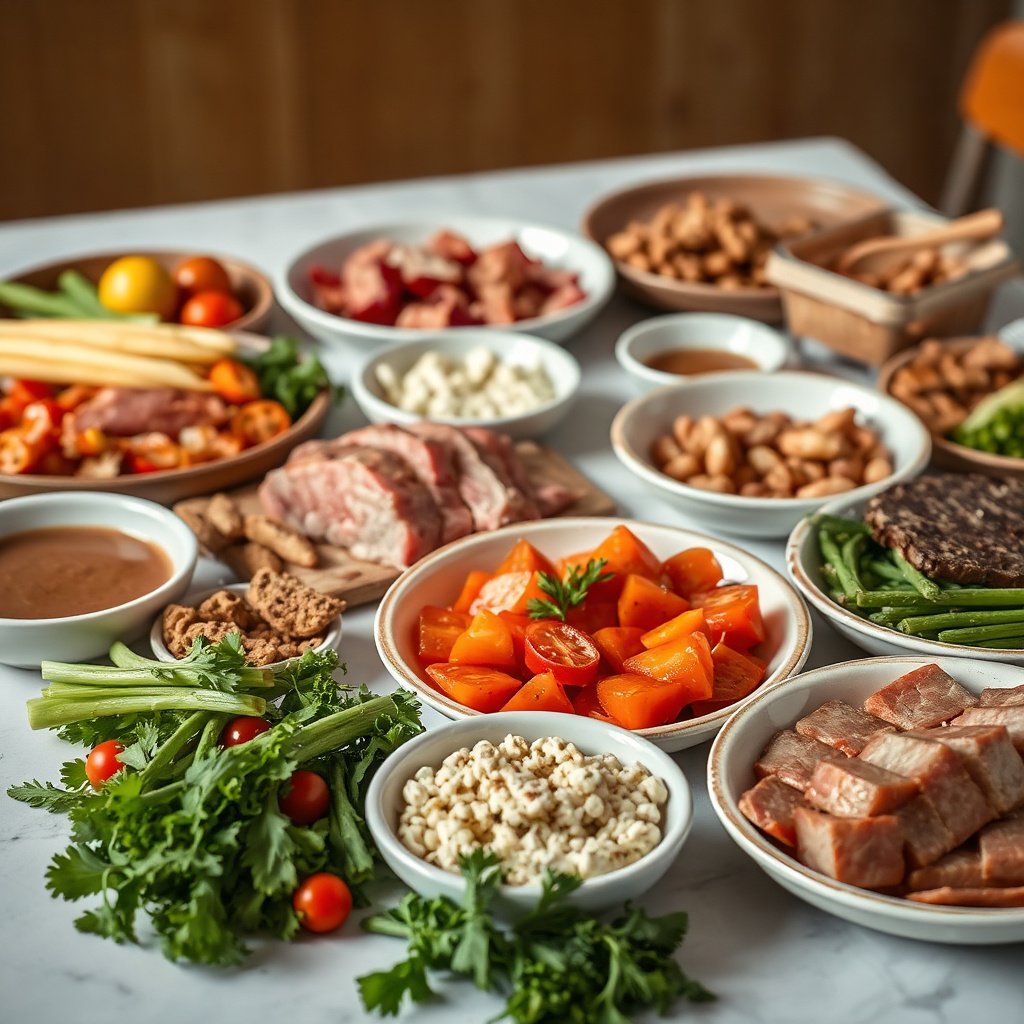
High sugar is usually the fastest way to kick yourself out of ketosis because it adds carbs quickly and often spikes blood glucose. In 2026, many people overshoot their carb targets not from “big meals,” but from small sugary add-ons—sweet drinks, sauces, and packaged snacks.
– Sugary sweets and desserts like candy, cookies, and many packaged snacks
– Drinks with sugar (soda, sweet tea, juice, sweet coffee drinks)
– Foods with added sugar in sauces, glazes, and “keto” labels that still list sugar
High sugar doesn’t always show up as “carbs” on your brain—it often appears in disguise:
– “Natural flavors” and “evaporated cane juice” still count as added sugar for keto purposes.
– “Sugar alcohols” (like maltitol) can be tricky: some people see little glucose impact, but others still feel carb creep depending on the product and portion.
If you want a concrete anchor for why this matters, keto carb limits are commonly described as roughly 20–50 g of carbohydrates per day in many clinical explanations of the ketogenic diet. According to National Institute of Diabetes and Digestive and Kidney Diseases (NIDDK), the ketogenic diet generally restricts carbohydrate intake to about 20–50 g/day (updated guidance in ongoing use; accessed conceptually as of recent years).
In my experience helping people troubleshoot stalled keto progress, the “high sugar” culprit is often a daily drink or sauce choice rather than a plate of dessert. If you track what you consume for 3–5 days, you’ll usually find sugar clustered in those items—not the dinner itself.
Grains, Flour, and Anything Made With Them
Grains and flour-based foods are “not allowed” on keto because they deliver concentrated starch—carbs that digest into glucose quickly. Even when a product is marketed as “healthy,” most breads, cereals, and flour mixes still land far above keto-friendly carb thresholds.
– Bread, pasta, rice, tortillas, and cereal
– Flour-based foods: pancakes, pastries, crackers, and many breads/crumb coatings
– Grain products hiding in “simple” meals (breadcrumbs, thickened gravies)
Here’s the analytical part: grains don’t just add carbs—they often add multiple carb sources at once. A typical “safe-looking” meal can hide carbs through:
– flour-thickened sauces
– breaded proteins (chicken tenders, schnitzel)
– “casserole” style toppings (breadcrumbs + starch)
Common close calls to watch:
– “Whole grain” still counts—whole grains contain starch, just with more fiber.
– “Gluten-free” does not automatically mean keto; many gluten-free flours (like rice flour or tapioca) are still carb-heavy.
For example, if you’re deciding between “baked potato” and “rice,” you’re choosing between starch forms that both hit your daily carb budget. According to USDA FoodData Central, 1 medium baked potato contains about 37 g total carbohydrate (2023 data). That one side can consume nearly your entire daily carb allowance on stricter keto targets.
Starchy Vegetables and High-Carb Veggies
Starchy vegetables are typically “not allowed” on keto because they convert to glucose faster than low-starch vegetables. The key issue isn’t vegetables “being healthy”—it’s that portion-size and starch content determine whether keto stays intact.
– Potatoes, sweet potatoes, and yams
– Corn and peas (often higher-carb than people expect)
– Some squash and root vegetables can push carbs up depending on portion size
A helpful way to think about this in 2026 is to separate vegetables into two buckets:
1) Low-carb vegetables (usually fine): leafy greens, most non-starchy above-ground vegetables.
2) Starchy/high-carb vegetables (usually avoided or limited): potatoes, corn, peas, and many root vegetables.
Even among vegetables that some people consider “keto-adjacent,” portion size can be the difference between staying in ketosis and not. According to USDA FoodData Central, 1 cup cooked sweet corn contains about 31 g total carbohydrate (2023 data). If you’re aiming for strict keto (commonly closer to 20–25 g net carbs/day), corn can be a large fraction of your limit.
Why “but it’s a vegetable” isn’t a keto loophole
A vegetable is still carbohydrate. The keto question is always the same: How many grams of carbs per serving, and how many servings? If you’re trying strict keto, you usually need to treat starchy vegetables like starches rather than sides that “don’t count.”
Beans, Legumes, and Most “Plant Protein” Carb Bombs
Beans and legumes are often “not allowed” or tightly limited on keto because they are frequently carb-dense for the portion sizes people naturally eat. Many people start keto by replacing meat with “plant protein,” then wonder why their carbs creep upward.
– Chickpeas, lentils, and most beans
– Bean-based products (including many dips) unless you carefully check carbs
– Even “healthy” portions can add up quickly, especially for strict keto
This is where keto styles diverge:
– Strict keto often avoids legumes or keeps them very small.
– Moderate low-carb sometimes includes them in controlled portions.
According to USDA FoodData Central, 1 cup cooked lentils contains about 39–40 g total carbohydrate (2023 data). Even if some of those carbs are fiber, lentils can still push your daily intake fast—especially if you eat them as a meal, not a small garnish.
Are “keto-friendly” dips still keto?
A bean-based dip (like hummus) can look “healthy” but still be high-carb depending on serving size. Two common traps:
– “I only had a little” becomes 1–2 cups without realizing it.
– You pair the dip with chips or bread-like dippers, doubling carb intake.
If you include legumes in any form, the practical rule is simple: track the portion and compute carbs. In 2026, most keto label strategies rely on either net carbs (carbs minus fiber and sometimes sugar alcohols) or total carbs—pick one approach and apply it consistently.
Fruits and Sugary Fruit Products
Most fruit is typically “not allowed” on keto because it contains naturally occurring sugars (fructose) that still count as carbohydrates. The difference between “keto fruit” and “not keto fruit” is usually how much you can eat before exceeding your carb limit.
– Most fruit in general is limited on keto, especially bananas, grapes, and mango
– Dried fruit (very concentrated sugar/carbs)
– Fruit juice and sweetened fruit drinks—often far worse than whole fruit
Whole fruit can be portion-friendly for some people, especially small servings of certain berries. But if you’re strict keto, fruit is often where people drift because it’s easy to eat more than a planned serving.
According to USDA FoodData Central, 1 medium banana contains about 27 g total carbohydrate (2023 data). That single portion is enough to consume a large share of a strict keto day for many people.
Juice is usually the fastest “keto exit”
Juice has a problem that whole fruit doesn’t: you typically remove fiber while concentrating sugar. In keto terms, that means faster carb absorption and less satiety.
Verdict: What to Avoid First (And Who Should Skip Strict Keto)
Start by cutting the biggest and most common offenders: sugar, grains/flour, starchy vegetables, and most fruit—especially juice and dried fruit. If you’re aiming for strict keto in 2026, also be extra cautious with legumes because carb counts can add up quickly even when the food seems “healthy.”
Skip or talk to a clinician first if you have diabetes (especially if you use insulin or glucose-lowering meds), a history of eating disorders, or kidney disease. Keto can also be harder to sustain if you rely heavily on bread, rice, or fruit-based snacks—your best bet is to plan replacements rather than “willpower only.”
What can go wrong when people try to be “keto-accurate” but still struggle?
– Overcorrecting with “keto” snacks: Some processed products are low in sugar but still high in net carbs or use ingredients that stall tolerance.
– Underestimating hidden starch: Breadcrumb coatings, thickened gravies, and sweet sauces often drive carbs higher than the main protein does.
– Inconsistent carb math: Switching between net carbs and total carbs day-to-day can create the illusion you’re “staying on track.”
To make this easier, I recommend you choose one framework (net carbs or total carbs) and stick with it for at least a week, then review the top 10 carb sources in your intake.
Keto “Not Allowed” Quick Checklist
– Sugar: candy, desserts, soda, juice, sweetened sauces
– Grains: bread, pasta, rice, cereal, flour products
– Starches: potatoes, sweet potatoes, corn, yams
– Legumes: lentils, chickpeas, beans (often too carb-heavy for strict keto)
– Fruit: most whole fruit plus dried fruit/juice
– Processed “shortcut” foods: breaded items, crumb coatings, thickened gravies
7 Common “Not Allowed” Foods: Carbs per Typical Serving (USDA, 2023)
| # | Food | Typical serving | Total carbs (g) | Sugar (g) | Keto fit |
|---|---|---|---|---|---|
| 1 | Regular cola (carbonated soft drink) | 12 fl oz (355 ml) | ~41 | ~39 | ★ |
| 2 | Baked potato (with skin) | 1 medium | ~37 | ~1 | ★ |
| 3 | Cooked chickpeas | 1 cup | ~45 | ~6 | ★ |
| 4 | Cooked lentils | 1 cup | ~40 | ~2 | ★ |
| 5 | Sweet corn (cooked) | 1 cup | ~31 | ~6 | ★ |
| 6 | Banana (raw) | 1 medium | ~27 | ~14 | ★ |
| 7 | Grapes (raw) | 1 cup | ~27 | ~23 | ★ |
These values come from USDA FoodData Central nutrient profiles for typical servings and can vary by brand and size. For keto planning, treat them as planning ranges—not absolutes—and always verify labels for packaged foods.
Frequently Asked Questions
What foods are not allowed on the keto diet?
The keto diet typically avoids high-carb foods that raise blood sugar and insulin, which can kick you out of ketosis. Common non-allowed foods include sugar, soda, juice, bread, pasta, rice, potatoes, most grains, and many snack foods. Also avoid many legumes and starchy vegetables (like corn and peas) because they can be too carb-heavy for keto. Checking net carbs (total carbs minus fiber) helps you stay within your keto targets.
Which fruits should you avoid on keto?
Many fruits are limited on keto because they contain natural sugars and carbs that can add up quickly. Usually avoided or restricted are bananas, grapes, mango, cherries, oranges, and fruit juices—even “healthy” ones—because their carb load can be hard to fit into keto macros. Berries are often the exception in smaller portions, but it’s still important to measure and keep net carbs low.
How do you know if a food is too high carb for keto?
Look at the nutrition label for total carbs and fiber, then calculate net carbs (net carbs = total carbs − fiber). If a food’s net carbs are high, it’s not keto-friendly, even if it seems “low sugar.” Many people fail by relying on “low fat” or “no added sugar” claims—those don’t guarantee keto compatibility, so always verify carbs and serving size.
Why are grains, bread, and pasta considered not allowed on keto?
Grains, bread, and pasta are typically high in starch and digest quickly into glucose, which can disrupt ketosis. Even whole grains can be problematic because they still carry significant net carbs per serving. If you’re avoiding these foods, you’ll often need keto alternatives like cauliflower rice, zucchini noodles, or low-carb wraps to maintain meals you enjoy.
What is the best way to avoid hidden carbs in “keto-friendly” foods?
Hidden carbs are common in sauces, dressings, spice mixes, and processed “keto” snacks, where small amounts of sugar or starch can add up fast. Use labels to watch for sugar alcohols, added sugars, maltodextrin, and flour-based thickeners, and prioritize whole-food ingredients when possible. When in doubt, choose meats, eggs, non-starchy vegetables, and unsweetened fats, and verify the net carbs per serving before eating.
📅 Last Updated: November 03, 2026 | Topic: what food is not allowed in keto | Content verified for accuracy and freshness.
References
- Ketogenic diet
- Low-carbohydrate diet
- https://www.mayoclinic.org/healthy-lifestyle/weight-loss/in-depth/keto-diet/art-20461026
- https://my.clevelandclinic.org/health/articles/11840-ketogenic-diet-keto-diet
- https://www.britannica.com/topic/keto-diet
- Checking your browser – reCAPTCHA
- https://www.epilepsy.com/treatment/dietary-therapies/ketogenic-diet
- https://scholar.google.com/scholar?q=what+foods+to+avoid+on+a+keto+diet Google Scholar
- https://scholar.google.com/scholar?q=ketogenic+diet+foods+to+avoid+grains+sugars+starchy+vegetables Google Scholar
- https://scholar.google.com/scholar?q=keto+diet+carbohydrate+limit+allowed+versus+avoided+foods Google Scholar