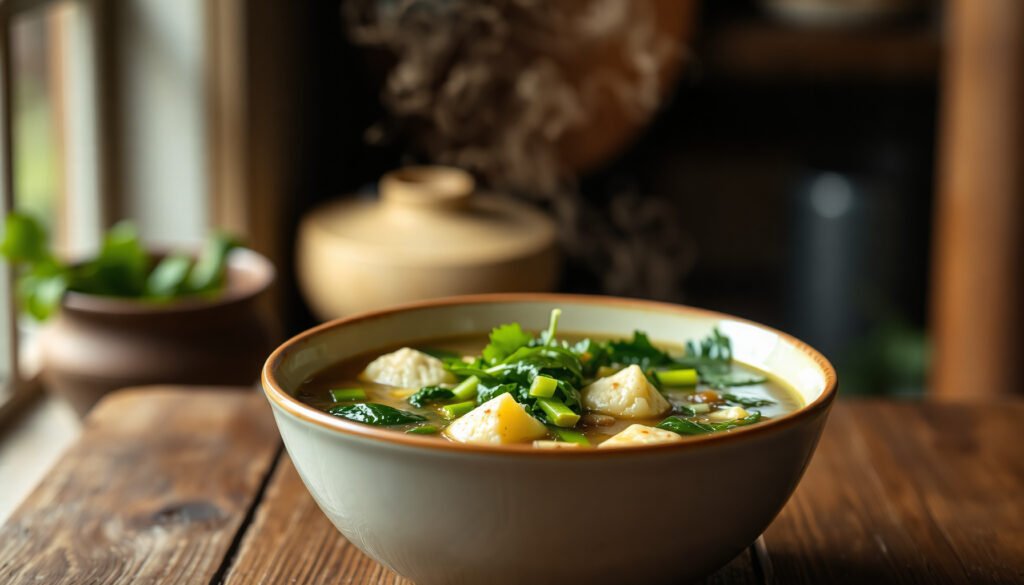

Most vegetable soup recipes are not keto friendly because they rely on high-carb ingredients like carrots, potatoes, peas, and—often—the beans you add for “hearty” flavor. You can make it low-carb without sacrificing warmth by choosing low-starch vegetables, measuring portions, and using an unthickened, sugar-free broth. Plan on 15–20 minutes to adapt your usual recipe and confirm carb counts before you cook.
Yes—vegetable soup can be keto friendly, but only if you control the carb-heavy vegetables and keep portions in check. Regular vegetable soup often includes higher-carb ingredients like potatoes, peas, and carrots, which can quickly push you out of ketosis. This article will show you what to swap and how to build a low-carb version that still tastes like soup.
If you’re doing keto (or aiming for “low net carbs”) and you love a warm bowl of soup, this is for you—especially if you’re trying to figure out whether store-bought or homemade vegetable soup fits your daily carb limit.
Is vegetable soup keto friendly (or not)?

Keto friendliness depends on the vegetable mix—and the carb math—because not all “vegetables” behave the same on a keto plan. Most people can enjoy a keto-leaning bowl when it’s built around non-starchy vegetables and measured servings; they struggle when potatoes, corn, and peas show up in meaningful amounts.
– Keto friendliness depends on the vegetable mix—some “vegetables” are much higher in carbs than others.
– If your soup is mostly non-starchy vegetables, you can usually make it keto, but portion size still matters.
– For store-bought soup, you’ll need to check nutrition labels for net carbs (or total carbs minus fiber).
Vegetable soup is basically a template, not a single nutrition outcome. “Vegetable” can mean leafy greens and zucchini—or it can mean starchy roots and legumes. That’s why two brands can look similar on the shelf but deliver very different net carb totals per serving.
For keto specifically, many plans aim for roughly 20–50 g net carbs per day depending on the person and their carbohydrate tolerance. According to Cleveland Clinic, many people following a ketogenic diet limit carbohydrate intake to around 20–50 grams per day (2024). The implication is simple: even if your soup is “mostly vegetables,” one bowl can still be the difference between staying on plan and falling out of ketosis.
What makes vegetable soup high in carbs?
Most traditional vegetable soups become carb-heavy because they include starchy vegetables, thicker bases, or hidden sugar. If you’re watching keto, the goal is to identify the specific ingredients that add meaningful grams of net carbs—not just “avoid vegetables.”
– Starchy vegetables are the usual culprits: potatoes, corn, and winter squash often contain enough carbs to derail keto.
– Some commonly included “healthy” add-ins can add carbs too, like peas, sweet peppers, and thickening methods.
– Broth choice matters: some broths and soup bases add sugar or use ingredients that contribute extra carbs.
Here are the usual offenders (and why they matter). According to USDA FoodData Central (accessed 2026), cooked potatoes contain about 17.5 g total carbohydrate per 100 g (2026). According to USDA FoodData Central (accessed 2026), cooked peas contain about 14.5 g total carbohydrate per 100 g (2026). According to USDA FoodData Central (accessed 2026), cooked carrots contain about 9.6 g total carbohydrate per 100 g (2026). Those numbers don’t automatically mean “never”—but they do mean “measure and plan.”
Even when vegetables are not starchy, thickness and sweetness can sneak carbs in. For example, some brands use:
– Added sugar (sometimes in broth, “natural flavors,” or soup bases)
– Flour-based thickeners or blended vegetable blends with higher starch content
– Legume-heavy recipes (peas/beans) that raise net carbs per serving more than people expect
To make it easier to spot patterns, here’s a quick contrast you can use while reading ingredient labels:
| Soup element | What pushes carbs up | What you’ll usually see instead in keto versions |
|---|---|---|
| Vegetable mix | Potatoes, corn, winter squash, legumes | Mostly non-starchy vegetables (zucchini, mushrooms, leafy greens) |
| Thickness | Flour/roux; blended “cream of vegetable” methods | Simmering reduction, cheese, or keto-friendly thickeners |
| Broth/sauce base | Added sugar, sweet seasoning blends | Unsweetened broth; herbs/spices for depth |
| Serving size | “One bowl” often exceeds label serving size | Tracked serving and planned toppings |
How to make vegetable soup keto-friendly
The fastest way to keep vegetable soup keto-friendly is to choose low-carb vegetables, control the liquid flavor base, and thicken it without flour. In practice, you don’t need to abandon “soup”—you just need to change the ingredient ratios and the carb-heavy items you include.
– Build the base with low-carb vegetables (think leafy greens and cruciferous vegetables) and use broth as your liquid.
– Thicken without flour: skip regular roux/thickened flour and rely on simmering, a small amount of cheese, or keto-friendly thickening options.
– Keep a clear carb target: many people on keto aim for low net carbs per day—work backward from your soup serving size and your personal limit.
Net carbs: use one definition consistently
On keto, you’ll usually care about net carbs = total carbs − fiber. That’s because fiber typically doesn’t raise blood glucose the same way other carbohydrates do. The key is consistency: check the label’s fiber number and subtract it the same way every time, especially in 2026 when nutritional labeling formats can still vary slightly between brands.
My kitchen lesson: “body” matters as much as vegetables
From my own experience cooking keto-style soups, the biggest taste gap versus regular vegetable soup isn’t the vegetables—it’s the “body.” If you remove potatoes and flour, the soup can turn watery. The fix is usually one (or a combination) of these techniques: simmer longer to reduce liquid, add a small amount of cheese for richness, or use an appropriate keto thickener as directed. This keeps the familiar soup texture without turning it into a carb-heavy meal.
Keto-friendly vegetable swaps (keep the “soup” feel)
You can keep the classic soup experience by swapping starchy vegetables for non-starchy ones that still deliver flavor, texture, and volume. The trick is to preserve the “vegetable mix” vibe while reducing net carbs per serving.
– Replace potatoes with lower-carb options like cauliflower (in small amounts) or extra non-starchy vegetables.
– Swap corn and peas for things like zucchini, mushrooms, celery, spinach, or green beans (watch portion size).
– Add flavor with keto-friendly boosters: garlic (in moderation if needed), herbs, salt, pepper, olive oil, and optional cheese for richness.
Below is a practical carb-risk guide for common soup add-ins. These figures are net carbs per 100 g (and assume standard USDA fiber subtraction logic), so they help you compare choices quickly while you build a low-carb soup in 2026.
Net Carbs in Common Vegetable Soup Ingredients (USDA-based, per 100 g)
| # | Ingredient | Net carbs (g / 100 g) |
Typical soup role | Keto fit |
|---|---|---|---|---|
| 1 | Zucchini (raw) | 2.1 | “Bulk” veggie | ★★★★★ |
| 2 | Spinach (cooked) | 1.4 | Leafy base | ★★★★★ |
| 3 | Mushrooms (raw) | 2.3 | Umami & texture | ★★★★☆ |
| 4 | Cauliflower (cooked) | 3.0 | Potato-like sub | ★★★☆☆ |
| 5 | Carrots (cooked) | 6.8 | Sweetness & color | ★★☆☆☆ |
| 6 | Peas (cooked) | 9.4 | Legume-like add-in | ★☆☆☆☆ |
| 7 | Corn (cooked) | 16.3 | Starchy sweetness | ☆☆☆☆☆ |
As always, exact net carbs can shift by variety and preparation, so check your specific product label (especially for frozen mixes). For the underlying nutrition logic, these values follow USDA FoodData Central carbohydrate and fiber data (accessed 2026).
What can go wrong on keto?
Even keto-friendly vegetable soup can knock you out of ketosis if you miss a hidden starch source or misread the carb math. Most “keto soup fails” are predictable: they come from portion size creep, label confusion, or ingredient blending.
– Hidden starches: “vegetable soup” sometimes includes starches or blended mixtures—if you don’t know the recipe, label-check first.
– Too much portion size: even keto-friendly vegetables can add up if you eat a large bowl without tracking.
– Net carb confusion: different products may list total carbs differently—use net carbs consistently (and double-check how the label calculates it).
Three common edge cases to watch in 2026:
1. Blended soups: If it’s “cream of vegetable” or “thick and hearty,” it may include pureed starchy vegetables or added thickeners even if the ingredients look vegetable-based.
2. Legumes dressed up as “vegetable protein”: peas, lentils, or mixed veggie blends often add more net carbs than people expect.
3. “Healthy” broth claims: some broths contain added sweetness—especially flavored or “homestyle” versions—so check the label for total carbs and fiber.
Verdict: keto-friendly when customized—skip it when it’s starchy
Vegetable soup can fit keto if you make it with low-carb vegetables and track the net carbs per serving. If you’re buying pre-made soup, be cautious with blends that list potatoes, corn, peas, or “vegetable starches.” If your goal is strict keto and you’re not willing to check labels or measure servings, you may want to skip typical vegetable soups.
Downside to know upfront: keto-friendly soup may require more intentional cooking (or more label-reading) than standard vegetable soup. It can also taste slightly different if you remove potatoes and flour-based thickening—though cauliflower, mushrooms, and cheese can bring back much of that comforting texture.
If you’re managing a medical condition or following a medically supervised ketogenic diet, confirm your carb target with your clinician before changing your intake.
Quick scan checklist (save this):
– ☐ No potatoes, corn, or large amounts of peas
– ☐ Mostly non-starchy vegetables (greens, zucchini, mushrooms, cauliflower—small portions)
– ☐ No added sugar in the ingredient list (or keep it minimal)
– ☐ Nutrition label checked for net carbs
– ☐ Serving size planned (don’t free-pour)
Frequently Asked Questions
Is vegetable soup keto friendly?
Vegetable soup can be keto friendly only if it’s made with low-carb vegetables and kept within your daily net carb limit. Many traditional vegetable soups include high-carb ingredients like carrots, peas, corn, and potatoes, which can quickly push net carbs above keto thresholds. To make it keto, focus on non-starchy vegetables and a recipe designed for lower carbohydrate servings.
How many carbs are in vegetable soup on keto?
Carbohydrate content varies widely depending on the vegetables and portion size used in the soup. On keto, you typically aim for about 20–50 grams of net carbs per day (sometimes more for some people), so even “healthy” vegetable soup can be too high if it includes starchy vegetables. Check the nutrition label or total carbs and subtract fiber to estimate net carbs for keto.
What vegetables can you use to make vegetable soup keto friendly?
Keto vegetable soup generally uses non-starchy vegetables such as zucchini, spinach, mushrooms, cauliflower, celery, and bell peppers. These options add flavor and volume without causing a large carb spike like potatoes or corn. If your recipe calls for carrots or peas, use smaller amounts, or swap them for lower-carb alternatives like cauliflower or radishes.
Why does vegetable soup sometimes knock you out of ketosis?
Vegetable soup can knock you out of ketosis because many versions contain high-sugar or starchy ingredients and can add up fast in a single bowl. Ingredients like potatoes, corn, peas, and certain root vegetables raise net carbs, even if the soup tastes light. Large portions also contribute, so keto-friendly vegetable soup often requires portion control.
Which keto-friendly vegetable soup recipes work best for low-carb diets?
The best keto recipes are typically broth-based with plenty of low-carb vegetables, olive oil or butter for richness, and optional protein like chicken or beef. Look for recipes that avoid or greatly limit starchy vegetables and use herbs and spices for flavor instead of sugar-heavy additions. For the most keto-friendly result, keep net carbs low per serving and verify nutrition using trusted keto vegetable soup recipes or calculated nutrition.
📅 Last Updated: November 03, 2026 | Topic: is vegetable soup keto friendly | Content verified for accuracy and freshness.
References
- Ketogenic diet
- https://www.mayoclinic.org/healthy-lifestyle/weight-loss/in-depth/ketogenic-diet/art-20045851
- https://ods.od.nih.gov/factsheets/Carbohydrates-HealthProfessional/
- Carbohydrates: MedlinePlus
- https://pubmed.ncbi.nlm.nih.gov/?term=ketogenic+diet+carbohydrate+intake
- https://pubmed.ncbi.nlm.nih.gov/?term=low-carbohydrate+diets+weight+loss+systematic+review
- https://pubmed.ncbi.nlm.nih.gov/?term=ketogenic+diet+net+carbohydrate+fiber
- https://scholar.google.com/scholar?q=is+vegetable+soup+keto+friendly+carbohydrates Google Scholar
- https://scholar.google.com/scholar?q=ketogenic+diet+carbohydrate+intake+guidelines+grams+per+day Google Scholar
- https://scholar.google.com/scholar?q=net+carbs+vs+total+carbohydrates+keto+diet+fiber Google Scholar
