

Quinoa is generally not considered keto-friendly due to its high carbohydrate content. While it offers many health benefits, those following a strict ketogenic diet may need to avoid it. In this article, we’ll explore the reasons behind this recommendation, alternatives to quinoa, and tips for incorporating low-carb grains into your diet. If you’re committed to maintaining ketosis while still enjoying a variety of foods, understanding the implications of quinoa consumption is essential.
Understanding Keto and Its Guidelines
The ketogenic diet revolves around a strategic macronutrient composition: high fats, moderate proteins, and very low carbohydrates. This dietary approach aims to shift the body’s primary energy source from glucose derived from carbohydrates to ketones produced from fat. Typically, individuals on a ketogenic diet aim to restrict their daily carbohydrate intake to around 20-50 grams. This limitation necessitates careful food selection to ensure compliance with the guidelines while still receiving adequate nutrition.
In practical terms, this means that foods must be chosen not only for their macronutrient profiles but also for their ability to support overall health. For those who are new to keto, it’s important to understand that even small amounts of high-carb foods can hinder the body’s ability to enter and maintain a state of ketosis.
Nutritional Profile of Quinoa
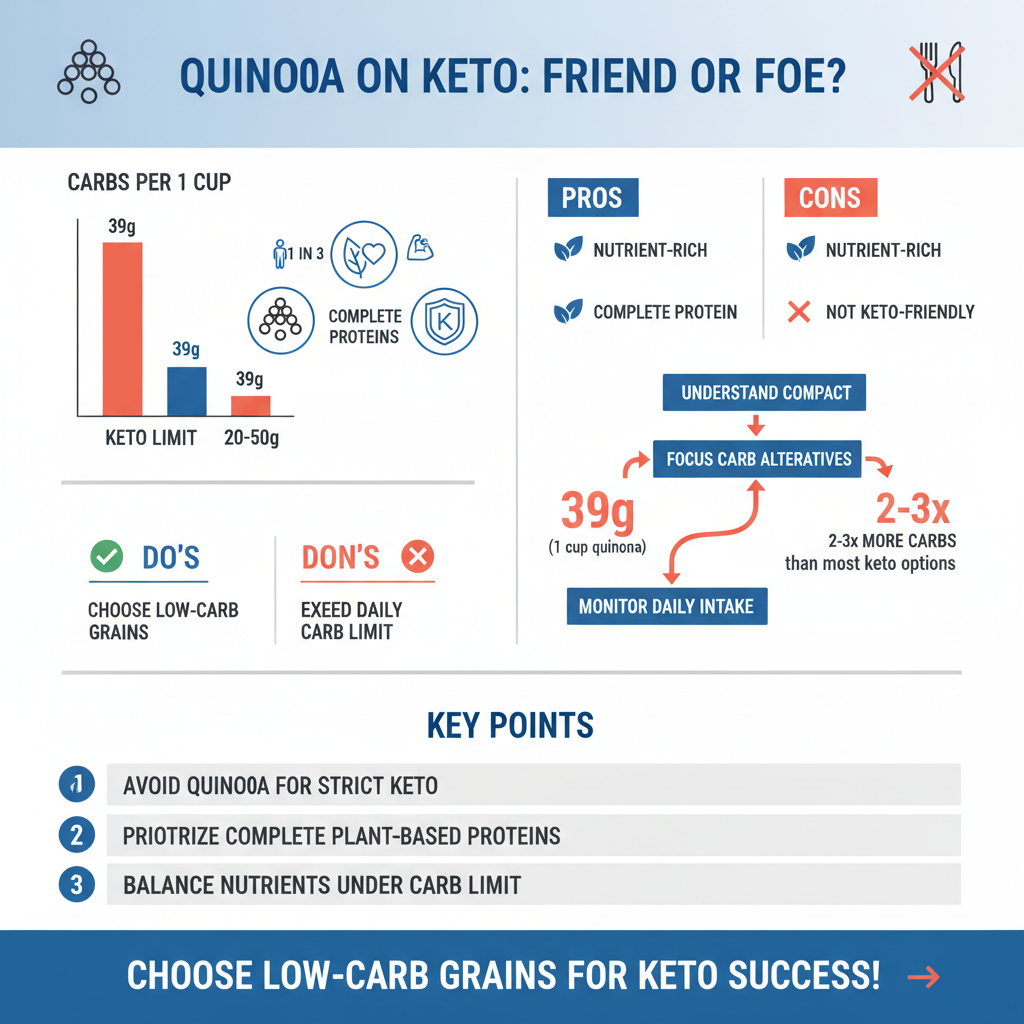

Quinoa is often heralded as a superfood due to its nutritional density. A standard serving of cooked quinoa—approximately one cup—contains about 39 grams of carbohydrates. This amount can easily push many individuals over their daily carb limit when following a keto plan. Furthermore, quinoa is known for being a complete protein, meaning it contains all nine essential amino acids necessary for various bodily functions, making it an appealing option for those seeking plant-based protein sources.
In addition to protein, quinoa is rich in vitamins and minerals, including magnesium, iron, and B-vitamins, which can support overall health. Its high fiber content also contributes to digestive health. However, despite these benefits, the carbohydrate load makes quinoa a less-than-ideal choice for those strictly adhering to a ketogenic lifestyle.
The Impact of Carbs on Ketosis
Understanding the role of carbohydrates is crucial for maintaining a state of ketosis. When carbohydrate consumption is high, the body shifts back to burning glucose for energy instead of fat, which can thwart weight loss efforts and diminish the metabolic benefits of the ketogenic diet. Foods high in carbohydrates can cause spikes in blood sugar levels, leading to increased insulin production, which further complicates the body’s ability to burn fat effectively.
When considering quinoa, the significant carbohydrate content can kick you out of ketosis, especially when combined with other carb-rich foods. Therefore, it’s vital for keto dieters to be attuned to their carbohydrate intake to ensure they stay within the recommended limits. Awareness of how different foods affect your body can empower you to make better dietary choices that align with your health goals.
Alternatives to Quinoa on Keto
While quinoa may not fit into a ketogenic framework, several low-carb alternatives can provide similar textures or nutritional profiles without derailing your diet. Cauliflower rice, for instance, is a popular substitute that mimics the texture of grains while containing only about 5 grams of carbohydrates per cup. It can be easily prepared by grating fresh cauliflower or purchasing pre-made versions.
Shirataki noodles—made from the konjac plant—are another excellent option, offering a mere 1 gram of carbohydrates per serving. These noodles can absorb flavors well, making them versatile for various dishes. Zucchini noodles, or “zoodles,” are also an excellent alternative, providing a satisfying base for sauces and proteins with minimal carbs. Each of these options allows you to maintain the spirit of grain consumption while adhering to the strict guidelines of a ketogenic diet.
Tips for Including Grains in a Keto Diet
Incorporating grains into a ketogenic diet requires careful consideration and planning. The first step is to become proficient in reading nutrition labels. Understanding how to identify hidden carbs in packaged grains can prevent inadvertent excess carb consumption. Look for products that specify low-carb or keto-friendly on their labels.
Tracking your daily intake is also essential. Utilizing food tracking apps can help you monitor your carbohydrate consumption and ensure you remain within your limits. Additionally, experimenting with portion sizes can provide flexibility in your diet. For instance, if you desire a small serving of a higher-carb food, balance it out with lower-carb options throughout the day to stay within your overall macro goals.
Recipes and Ideas for Low-Carb Meals
Transitioning away from quinoa doesn’t mean sacrificing flavor or satisfaction in meals. Consider creating a quinoa-inspired salad using cauliflower rice instead. Toss it with diced vegetables, avocado, and a lemon-tahini dressing for a refreshing dish.
For a hearty meal, try a stir-fry with shirataki noodles, your choice of protein (like chicken or tofu), and a variety of low-carb vegetables such as bell peppers and broccoli. This not only satisfies cravings for traditional pasta dishes but also keeps you firmly within keto guidelines.
Additionally, zucchini noodles can be a fantastic base for a rich, creamy pesto sauce, topped with grilled chicken or shrimp. By focusing on healthy fats and proteins, you can enhance both the flavor and nutritional value of your meals without compromising your dietary goals.
Incorporating quinoa into a ketogenic diet isn’t advisable due to its high carbohydrate content, which can disrupt ketosis. Instead, consider exploring low-carb alternatives that fit better within keto guidelines. By making informed choices and experimenting with various recipes, you can enjoy a satisfying and diverse diet while staying on track with your keto lifestyle. Embracing these alternatives will not only help you adhere to your dietary goals but may also introduce you to new and exciting culinary experiences.
Frequently Asked Questions
Can I eat quinoa on a keto diet?
While quinoa is often praised for its nutritional benefits, it is not typically considered keto-friendly. A standard serving of quinoa (about 1 cup cooked) contains roughly 39 grams of carbohydrates, which is significantly higher than the daily carb limit recommended for a ketogenic diet (usually around 20-50 grams). Therefore, if you are strictly adhering to a keto diet, it is best to avoid quinoa and opt for lower-carb alternatives like cauliflower rice or zucchini noodles.
What are the carbohydrate contents of quinoa compared to other grains?
Quinoa is considered a whole grain, and it contains approximately 39 grams of carbohydrates per cooked cup. In comparison, brown rice has about 45 grams, while white rice contains around 53 grams. However, when compared to popular keto-friendly options, such as cauliflower rice (approximately 5 grams of carbs per cup), quinoa is significantly higher in carbohydrates, making it less suitable for those following a strict low-carb or ketogenic diet.
Why is quinoa considered a healthy food choice despite being high in carbs?
Quinoa is packed with essential nutrients, including protein, fiber, vitamins, and minerals, which make it a highly nutritious food. It is also a complete protein, containing all nine essential amino acids, which is rare for plant-based foods. However, its high carbohydrate content means it may not align with keto dietary goals, so while it is healthy, those on a keto diet should prioritize lower-carb foods that still provide nutritional benefits.
How can I incorporate quinoa into my diet without exceeding my keto carb limit?
If you still wish to enjoy quinoa while managing your carb intake, consider using it in moderation. You can try mixing a small amount (about 1-2 tablespoons) of cooked quinoa into a salad or a vegetable dish to add texture and nutrition without consuming a large amount of carbohydrates. Additionally, balancing it with plenty of low-carb vegetables and protein sources can help keep your overall carb count within keto limits.
What are some low-carb alternatives to quinoa for a keto diet?
There are several excellent low-carb alternatives to quinoa that fit well into a ketogenic diet. Popular options include cauliflower rice, which is made by grating cauliflower into rice-sized pieces, and shirataki rice, made from konjac flour. Other alternatives include zucchini noodles, spaghetti squash, and even riced broccoli, all of which provide a similar texture while keeping your carbohydrate intake low.
References
- https://www.healthline.com/nutrition/quinoa-and-keto
- https://www.diabetes.org/nutrition/healthy-foods/quinoa
- https://www.ncbi.nlm.nih.gov/pmc/articles/PMC5613225/
- https://www.ncbi.nlm.nih.gov/pmc/articles/PMC5958934/
- https://www.medicalnewstoday.com/articles/323479
- https://www.cdc.gov/nutrition/index.html