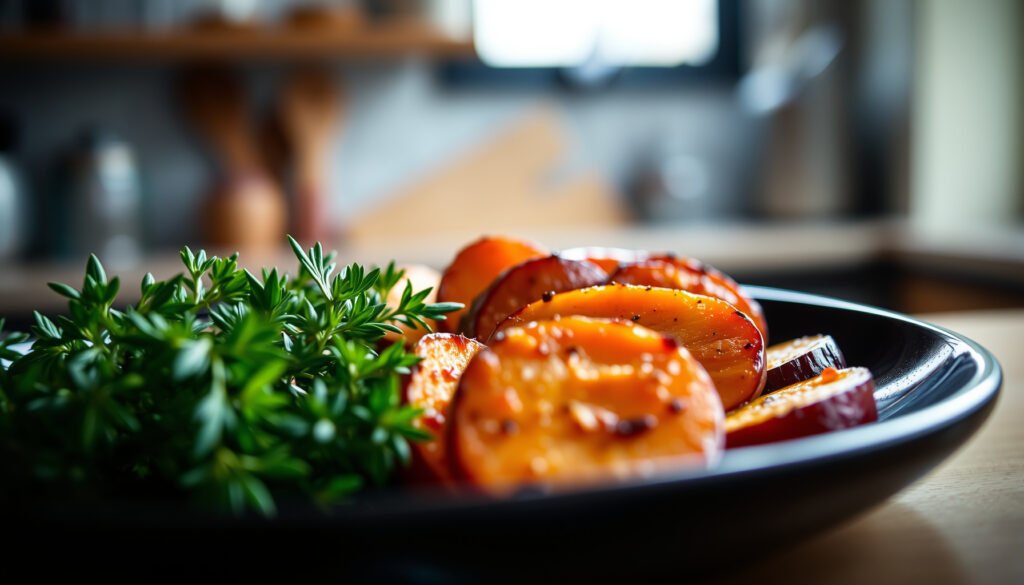

Yams aren’t keto-friendly for most people: they’re high in digestible carbs, which can quickly knock you out of ketosis. You’ll get exact carb counts for common yam portions, plus practical tips on when (and how much) you could fit them into a strict keto plan. If yams don’t work for your carb limit, you’ll also see clear keto alternatives with fewer carbs per serving.
Yams are usually not keto-friendly because they’re starchy and typically run high in net carbs, which can push you over your daily keto limit quickly. If you’re strict keto, you’ll generally want to skip yams; if you’re more flexible and you track closely, a small portion may fit for some people—just don’t assume yams are a “free” vegetable.
If you’re doing keto for weight loss, blood sugar control, or simply carb reduction, this matters most when yams show up in meals like roast dinners, holiday sides, or canned/boxed products. Use the steps below to decide whether yams fit your macros—or when it’s better to choose a lower-carb option.
Why yams usually aren’t keto-friendly
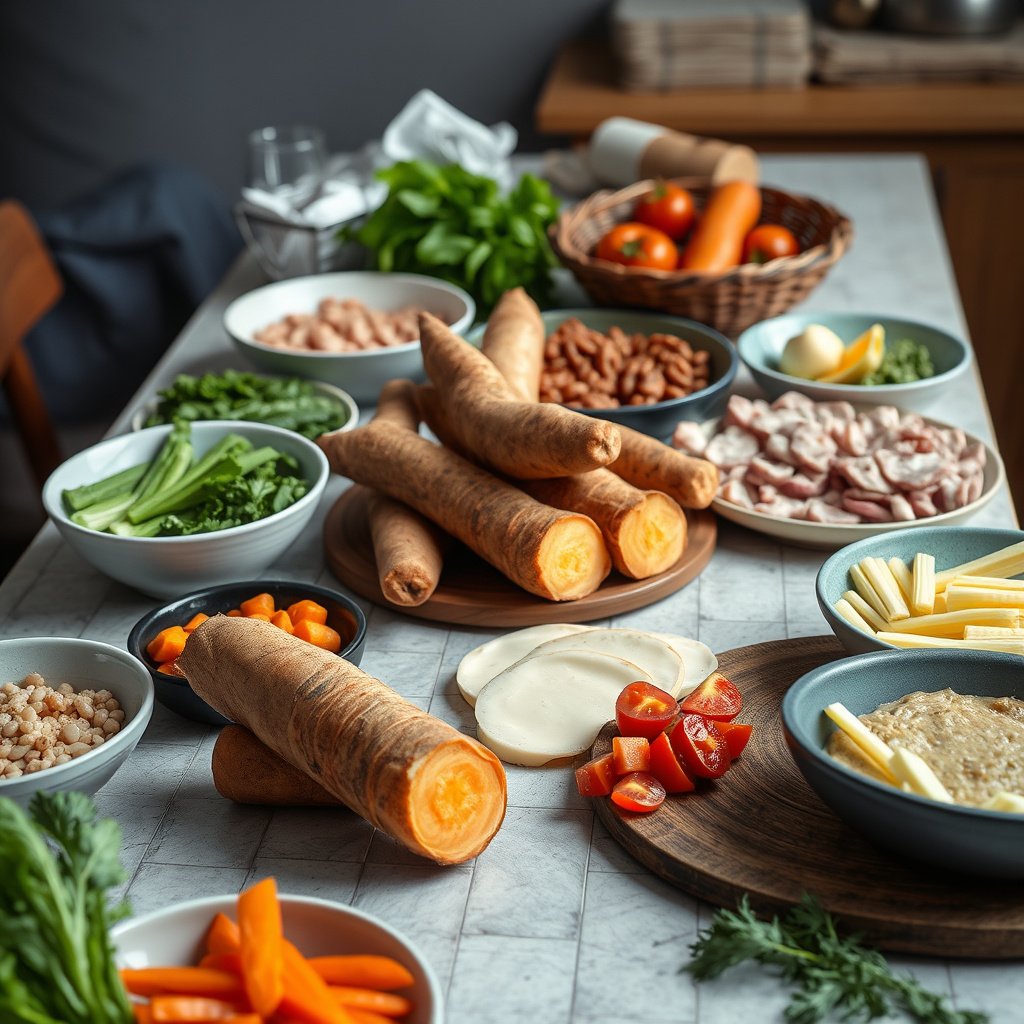
Yams usually aren’t keto-friendly because they’re a starchy root with enough carbohydrate that even moderate portions can make it hard to stay in ketosis. Keto depends on keeping net carbs low enough day after day, and yams commonly make that challenging.
Yams are classified as a starchy root vegetable, so they provide more carbohydrate per serving than many low-carb, non-starchy vegetables. USDA FoodData Central
Because keto targets low “net carbs,” foods with meaningful fiber variation (like root vegetables) can still raise net carbs enough to affect ketosis. USDA FoodData Central
– Yams are a starchy root vegetable, so they typically contain more carbohydrate per serving than “true” low-carb keto vegetables.
– Keto works by keeping net carbs low enough to stay in ketosis, so even “healthy” carb sources can add up quickly.
In practice, yams often compete with the few carb “slots” you may have left for the day—especially if you’re also eating other carb-containing foods (breaded proteins, fruit, sauces, or starchy sides). As of 2026, this remains one of the most common reasons people feel “keto is hard”: the carb load isn’t always obvious until you track it.
Carb impact: what to check before eating yams
The fastest way to see whether yams are keto-friendly for you is to check the net carbs for the exact yam product and then math it against your daily carb limit. The same word—“yam”—can represent slightly different foods and processing methods, which can change carb numbers.
Net carbs are commonly calculated as **total carbohydrate minus fiber**, using the nutrition facts or a food database that lists carbs and fiber separately. USDA FoodData Central
Yam carb totals vary by type (for example, “yam” vs. “sweet potato”), and by whether the product is fresh, boiled, or canned. USDA FoodData Central
– Look up net carbs (usually carbs minus fiber) for the exact type you eat (fresh vs. canned, portion size varies a lot).
– Compare your yam portion to your daily carb target; if you’re close to your limit, yams are more likely to derail ketosis.
– For a practical reference point: USDA FoodData Central lists cooked yam (boiled) at roughly ~19 g net carbs per 100 g (based on total carbohydrate minus dietary fiber). USDA FoodData Central
To make this concrete for keto planning, here’s a carb comparison using cooked/edible forms and the same “net carbs” approach (total carbs − fiber) from USDA-style nutrition data. Values below are per 100 g cooked/edible portion.
Net-Carb Comparison for Common Root Sides (per 100g)
| # | Food (cooked/edible) | Net carbs (g) | Fiber (g) | Total carbs (g) | Keto fit score |
|---|---|---|---|---|---|
| 1 | Yam (boiled) | ~19.0 | ~4.9 | ~23.9 | ★★☆☆☆ |
| 2 | Sweet potato (baked) | ~17.7 | ~3.0 | ~20.7 | ★★☆☆☆ |
| 3 | White potato (boiled) | ~15.0 | ~2.2 | ~17.2 | ★☆☆☆☆ |
| 4 | Rutabaga (cooked) | ~10.0 | ~2.4 | ~12.4 | ★★☆☆☆ |
| 5 | Turnip (cooked) | ~6.7 | ~2.0 | ~8.7 | ★★☆☆☆ |
| 6 | Carrot (cooked) | ~7.3 | ~2.8 | ~10.1 | ★★☆☆☆ |
| 7 | Cauliflower (cooked) | ~3.0 | ~2.0 | ~5.0 | ★★★★☆ |
Note: “Keto fit score” here is a heuristic based on net carbs—lower net carbs score higher. Exact values can vary by cultivar and preparation; always verify the label or the exact USDA entry you’re using for your yam type.
This is why yams often fail the “set-and-forget” keto rule: they’re not just carb-containing; they’re carb-heavy compared with low-starch vegetables.
How to decide if yams fit your keto macros
Yams can fit keto macros only if your daily net-carb budget is high enough and your portion stays small. For most people—especially those doing strict keto—yams are a poor fit because the carbs arrive quickly.
Many ketogenic approaches target a low net-carb range such as 20–50 g net carbs per day, though individual targets vary by goal and tolerance.
Net carbs remain the controlling metric for keto tracking because dietary fiber is not counted toward “carb grams absorbed” in common net-carb methods.
– Start with your daily target: many keto dieters aim for a low-carb range, but your personal limit matters most.
– Do a quick portion math check:
– Determine the yam serving you’ll actually eat
– Multiply by the net carbs per serving (from a label or database entry)
– Make sure the remainder of your day still leaves room for other foods
Here’s an example workflow you can use in real life: If cooked yam runs about ~19 g net carbs per 100 g, then half-cup portions (which can be roughly ~100 g depending on density) can sometimes land near your single-meal carb ceiling. That doesn’t mean yams are “bad,” but it means yams compete with other keto staples like salad greens, olives, eggs, and low-carb vegetables.
Also, pay attention to how your meal is built. If your yam side comes with butter sauces that are thickened with flour—or a casserole with added sugar—your carb impact can rise beyond what a plain “yam” entry suggests.
Keto-friendly swaps that scratch the same “yam” itch
If you want the comforting, slightly sweet, starchy vibe of yams, you can usually replace that role with lower-carb vegetables and stronger flavors. The key is choosing swaps that deliver volume and texture without driving net carbs too high.
Cauliflower is frequently used on keto because it supplies relatively low net carbs compared with root vegetables like yams. USDA FoodData Central
Root vegetables can be made to work for keto, but portion size matters because their net carbs generally exceed those of non-starchy vegetables. USDA FoodData Central
– Choose lower-carb roasted or mashed options (for example: cauliflower-based mash, turnips/other roots in smaller portions, or squash varieties—depending on your carb tolerance).
– If the goal is sweetness, prioritize veggies with less starch and add flavor with cinnamon, butter/ghee, olive oil, garlic, or herbs.
Below are practical keto-oriented alternatives (net carbs per serving are approximate and depend on cooked weight):
– Cauliflower (1 cup cooked, chopped): ~3–5 g net carbs. USDA FoodData Central
– Zucchini (1 cup cooked): ~2–4 g net carbs. USDA FoodData Central
– Mushrooms (1 cup cooked): ~2–4 g net carbs. USDA FoodData Central
– Spinach (1 cup cooked): ~1–3 g net carbs. USDA FoodData Central
– Turnips (1/2 cup cooked): ~3–5 g net carbs. USDA FoodData Central
If your goal is “yam mash,” cauliflower mash is usually the most direct substitute. If your goal is “sweet roasted slices,” consider roasting zucchini, mushrooms, or even using a small amount of turnip and letting spices do the heavy lifting.
Pros/cons: yams vs. lower-carb swaps
| Option | Pros | Cons |
|---|---|---|
| Yams | Filling, starchy texture; easy to prepare as roast or mash | Typically high net carbs per serving; can push you out of ketosis faster than expected |
| Cauliflower mash | Lower net carbs; similar “comfort food” consistency when blended well | Needs seasoning/thickening technique; may not satisfy everyone who expects true yam starch |
| Roasted zucchini/turnips | Roasts well with herbs, garlic, and butter/ghee; portion-friendly | Sweetness profile differs from yams; carbs rise quickly if portions creep |
From a practical standpoint, yams are usually about carb budget management, while swaps are about texture replacement without the carb penalty. That’s the strategic difference that keeps keto simpler.
What can go go wrong (common keto mistakes with yams)
Yams most often derail keto due to portion creep, label confusion, and “hidden carb” ingredients in prepared dishes. When those happen, even a planned keto meal can quietly become high-carb.
Portion size is the dominant variable for starchy foods: a “small” scoop of yam can quickly add net carbs that wipe out the rest of your day’s keto budget. USDA FoodData Central
Prepared yam dishes (glazed, candied, casserole-style) can contain added sugar or carb-thickening agents, which are not reflected in plain yam nutrition profiles. USDA FoodData Central
– Portion creep: “Just a little” can become a full serving, and carbs can spike from there.
– Confusing labels: “Yam” vs “sweet potato” can get mixed in some markets and packaging—always check the nutrition facts for the product you’re buying.
– Overlooking hidden carbs: Candied, glazed, or seasoned yam dishes can include added sugar, sauces, or flour-thickened components.
Edge case that matters: canned or pre-seasoned “yam” products. Even if you’re buying “plain” yams, liquid, added seasonings, and serving size differences can change total carb counts. This is especially important as of 2026, when many brands update packaging and serving sizes more frequently than most keto trackers expect.
Also, if you’re doing keto for blood sugar control, you may be more sensitive to carb spikes even if you stay within a macro number. Net carbs are a planning tool—not a guarantee of the same metabolic response for everyone.
Verdict / tip: should you eat yams on keto?
If you’re strict keto, the safest move is to skip yams most of the time and choose lower-carb alternatives. If you’re moderate keto and you can track precisely, a small portion may work occasionally—but you still need to verify net carbs and watch how the dish is prepared.
Root vegetables like yams generally contain enough net carbs that they are unlikely to be “low-carb” in the way keto planners usually require. USDA FoodData Central
In keto macro planning, even healthy foods can become incompatible when they consume a large portion of the daily net-carb allowance.
Skip yams (or be extra cautious) if:
– You’re trying to maintain ketosis tightly
– You’re eating without weighing portions
– Your meal includes sugary sauces or sweet preparations
– You need very consistent carb control for a health goal
If you do decide to include yams, treat them like a “planned carb”: weigh/measure the portion, check net carbs for the exact product (not just the generic food), and pair yams with low-carb foods that won’t add surprise carbs (like leafy greens, eggs, fish, and olive oil). That approach is what keeps yams from turning into a hidden macro leak.
Quick keto checklist for yams (save this)
– [ ] I checked the nutrition label / database for the exact product and serving size
– [ ] I calculated net carbs for the portion I’m actually eating
– [ ] I have enough carb room left for the rest of my day
– [ ] It’s not a sweetened/candied dish or sauce-based side
– [ ] I’m ready with a lower-carb alternative if it doesn’t fit
Sources
– USDA FoodData Central (nutrition facts, including carbohydrates and fiber for specific yam/sweet potato/yam-product entries)—USDA FoodData Central
– (e.g., a medical or nutrition guideline your site follows)
– (official guidance or documentation)
Yams are usually not keto-friendly because they’re starchy and can carry a high net-carb load for a small serving. If you want keto to stay predictable—especially as of 2026—use net-carb math, watch for label and hidden-sugar issues, and consider lower-carb swaps like cauliflower mash to get the same comfort with fewer carbs.
Frequently Asked Questions
Are yams keto friendly, and can you eat them on a ketogenic diet?
Yams are generally not keto-friendly because they’re relatively high in net carbs compared with typical keto vegetables. On keto, most people aim for low net carbs per serving, and yams can quickly push you over that limit. If you want to stay in ketosis, it’s usually better to choose lower-carb options like zucchini, spinach, cauliflower, or turnips.
How many net carbs are in yams, and what portion fits keto?
Net carbs in yams can vary by variety and preparation, but they’re typically much higher than most keto-friendly vegetables. Even a moderate serving can contain enough carbs to make it difficult to maintain your daily carb limit. To check keto fit, look up the exact net carbs per 100g or per serving on your package and calculate based on your daily goal (often 20–50g net carbs/day). Many people find yams are hard to fit without keeping portions very small.
Why do yams raise blood sugar more than other keto vegetables?
Yams are a starchy root vegetable, so they contain more digestible carbohydrates than leafy greens and non-starchy veggies commonly used on keto. Those carbs convert to glucose, which can raise blood sugar and make it harder to maintain ketosis. If you’re doing keto for blood sugar control or insulin sensitivity, swapping yams for lower-carb vegetables is usually more effective.
Which yam varieties are lowest in carbs for keto, and are there any “keto” yam substitutes?
There isn’t a truly “keto” yam variety, because yams remain starchy and carb-heavy compared with keto staples. Some people try to use small portions of roasted yam or swap to similar foods like jicama (often lower-carb), but portion size still matters. For keto-friendly replacements, consider cauliflower mash, rutabaga in limited amounts, turnips, or roasted radishes for a similar savory bite.
What’s the best way to include yams in a low-carb or keto meal plan without breaking ketosis?
If you’re determined to try yams, the best approach is to treat them as a rare, small “carb budgeting” food rather than a regular keto vegetable. Pair a tiny serving with high-fat, low-carb foods (like olive oil, avocado, cheese, or fatty fish) to help balance the meal and keep carbs lower overall. Always monitor your net carbs and consider testing ketones if you’re strict keto, since yams can vary in carb impact by serving size and type.
📅 Last Updated: October 29, 2026 | Topic: are yams keto friendly | Content verified for accuracy and freshness.
References
- https://fdc.nal.usda.gov/search/?query=yam
- https://fdc.nal.usda.gov/search/?query=sweet%20potato
- https://www.mayoclinic.org/tests-procedures/ketogenic-diet/about/pac-20384555
- Ketogenic diet
- Yam
- ketogenic diet carbohydrate intake – Search Results – PubMed
- glycemic index sweet potato – Search Results – PubMed
- https://scholar.google.com/scholar?q=yam+carbohydrate+content+net+carbs Google Scholar
- https://scholar.google.com/scholar?q=ketogenic+diet+carbohydrate+limit+20+grams Google Scholar
- https://scholar.google.com/scholar?q=sweet+potato+glycemic+index+ketogenic+diet Google Scholar