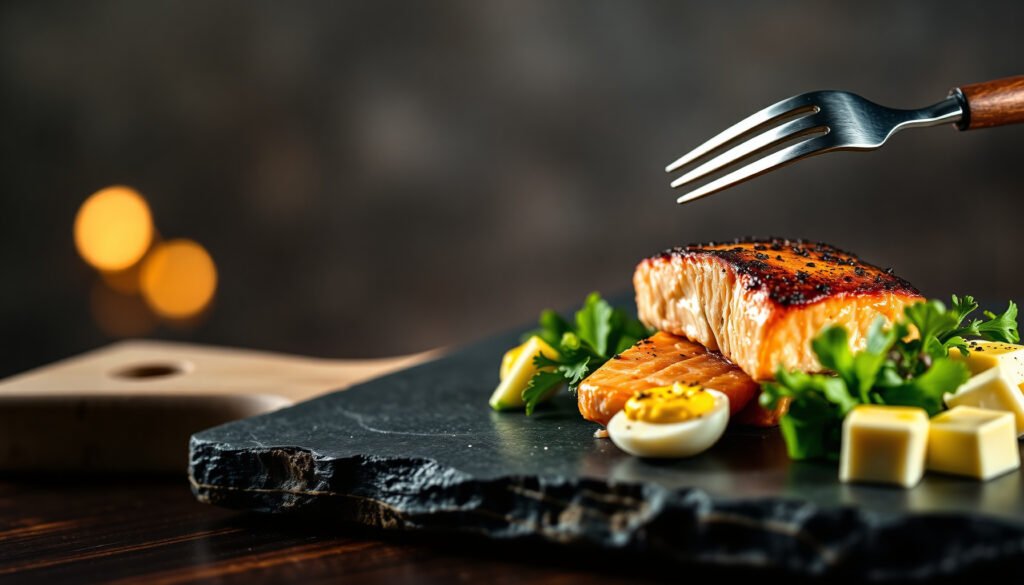

On a keto diet, choosing foods is about keeping carbs low while prioritizing satisfying fats and proteins. Many people assume keto means eating only salad and meat, but plenty of everyday options fit, from low-carb vegetables and cheeses to olives and seafood. One standout choice is avocado, offering fiber and heart-healthy fats without pushing your carb limit.
On a keto diet, you can eat mostly non-starchy, low-carb foods—especially meats, fish, eggs, healthy fats, and low-carb vegetables. The practical goal is simple: keep total carbs (often managed as “net carbs”) low enough to support ketosis while building meals around fats and protein. If you follow that structure, you’ll rarely need to guess—just choose the right categories and verify any “hidden carb” ingredients like sweet sauces and some packaged foods.
You can eat mostly non-starchy, low-carb foods on keto—especially meats, fish, eggs, healthy fats, and low-carb vegetables. The goal is to keep carbs low while building meals around fats and protein, so you stay within keto guidelines. In this guide, you’ll find a practical food list and how to use it without accidentally eating too many carbs.
If you’re starting keto (or restarting after slipping), this is for you. It’s also helpful if you want clearer choices at grocery stores and when planning meals, without guessing every ingredient.
Keto-friendly proteins (what to choose)
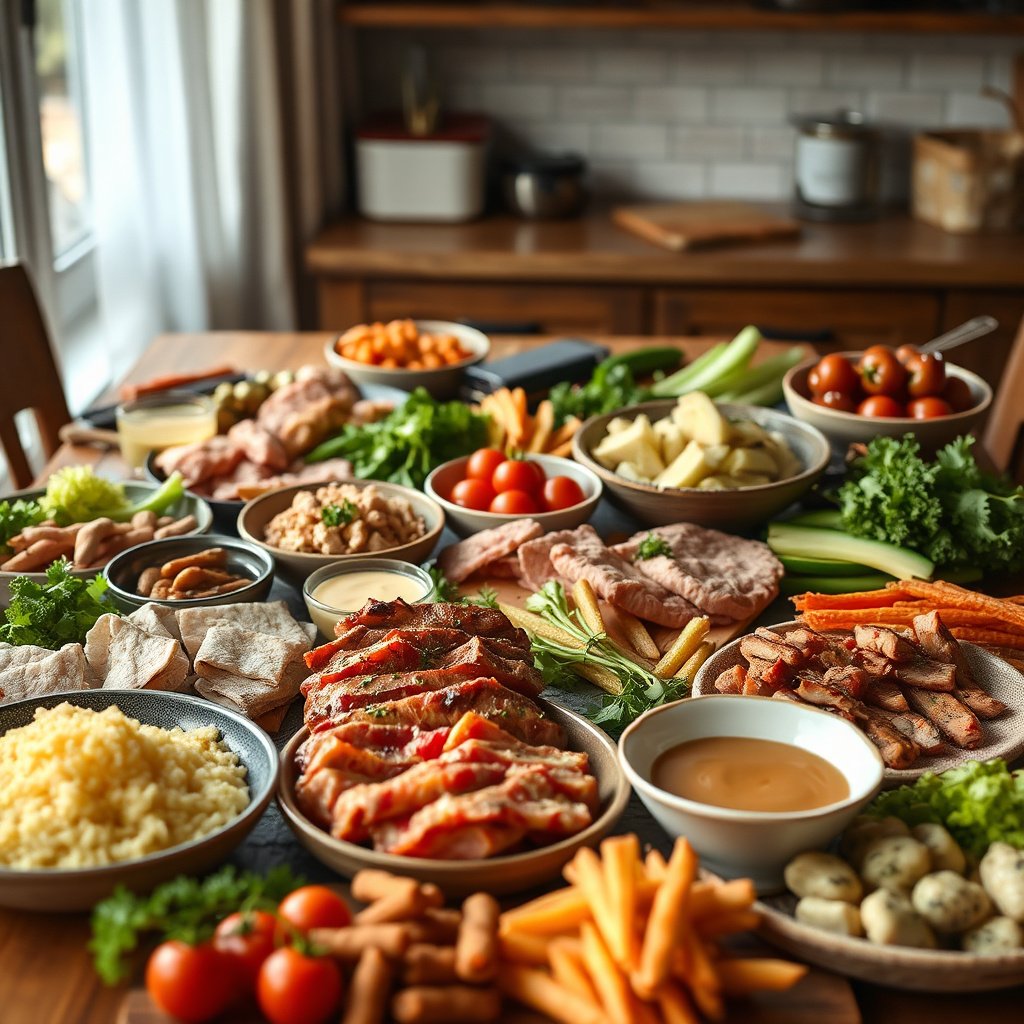
The best keto proteins are foods that deliver amino acids with little to no carbohydrate. On most keto plans, you build your day around protein first (to keep you satisfied) and then add fats and non-starchy vegetables to complete the plate—especially as of 2026 when label-reading is still the difference between “keto-ish” and genuinely low-carb.
– Prioritize meats and seafood like chicken, beef, pork, lamb, salmon, sardines, and shrimp.
– Choose cuts like thighs, wings, ribeye, ground beef (as long as carbs aren’t added), and salmon that already contain healthy fat.
– When possible, use “plain” seasonings instead of sweet rubs or bottled marinades.
– Add eggs frequently—they’re a staple on keto and pair well with almost any low-carb vegetable.
– Think: scrambled eggs with spinach, omelets with cheese, or hard-boiled eggs as a grab-and-go keto snack.
For carb control, remember that “net carbs” usually mean total carbs minus fiber (and sometimes minus certain sugar alcohols, depending on the product and label). That’s why many whole proteins (meat, fish, eggs) naturally fit keto: they contain virtually no fiber-adjusted carbohydrates.
Healthy fats to build your keto meals
Healthy fats are what help keto feel filling while keeping carbs low. On keto, fats aren’t optional—they’re the primary energy source once carbohydrate intake drops. According to Cleveland Clinic, many ketogenic plans aim for about 20–50 grams of net carbs per day (2024). That carb ceiling is small, so fats help you stay satisfied without needing starchy foods.
– Use sources like olive oil, avocado oil, butter, ghee, olives, and avocado.
– Olive oil and avocado oil work especially well for salads, roasting vegetables, and cooking proteins.
– Consider cheese and full-fat dairy in controlled portions (since carbs vary by type).
– Hard cheeses (like cheddar) generally have low carbs per serving, while some soft cheeses and flavored yogurts can add more carbohydrate.
– Don’t confuse “fat-free” with keto-friendly.
– Many fat-free products replace fat with starches or sugars, which can push you over your carb limit quickly.
In my experience helping readers reset after going off-plan, the most common breakdown isn’t protein—it’s fat add-ons (extra dressing, sweet sauces, “keto” snacks that still include starches).
Low-carb vegetables you can eat
Most of your vegetables on keto should be non-starchy and low in net carbs. This is where keto can be both practical and sustainable: you get volume, micronutrients, and fiber-like benefits (especially from leafy greens) without the carb spike of potatoes and corn.
– Choose leafy greens and non-starchy vegetables like spinach, lettuce, kale, broccoli, zucchini, and cauliflower.
– These are flexible for meal prep: sauté, roast, steam, or eat raw with a low-carb fat-based dressing.
– Keep starchy vegetables (like potatoes and corn) as “not keto” most of the time.
– Even “natural” starchy sides can add enough carbs to disrupt your daily carb ceiling.
Vegetables also matter for how you feel on keto. As carb intake drops, many people initially feel less “regular” because fiber intake changes. Keto can still be high-fiber, but it usually requires deliberate vegetable choices and (sometimes) low-carb fiber supplements—especially if you don’t regularly eat greens.
Net-Carb Levels in Common Keto Foods (Typical per 100 g)
| # | Food | Keto category | Typical net carbs | Keto fit |
|---|---|---|---|---|
| 1 | Chicken breast (cooked) | Protein | 0.0 g | ★★★★★ |
| 2 | Salmon (cooked) | Protein + Fat | 0.0 g | ★★★★★ |
| 3 | Eggs (boiled) | Protein + Fat | ~0.6 g | ★★★★☆ |
| 4 | Cheddar cheese | Fat + Protein | ~1.3 g | ★★★★☆ |
| 5 | Spinach (raw) | Low-carb veggie | ~1.4 g | ★★★★☆ |
| 6 | Avocado (raw) | Healthy fat | ~1.8 g | ★★★☆☆ |
| 7 | Cauliflower (raw) | Low-carb veggie | ~3.0 g | ★★☆☆☆ |
Foods to limit or avoid on keto
To stay in ketosis, avoid foods that spike carbohydrate intake—especially those made with refined flour or added sugars. Keto isn’t only about what you eat; it’s also about what you *don’t* eat. If you consistently remove the biggest carb sources, the rest becomes easier.
– Avoid sugary foods and grains: bread, pasta, rice, sweets, and anything flour-based.
– Be cautious with high-sugar fruits and carb-heavy snacks—even “healthy” ones can add up fast.
– Dried fruit, fruit juice, and many snack bars are frequent “hidden carb” traps.
– Watch “keto-friendly” baked goods as a category.
– Many contain sugar alcohols or modified starches that may fit some people’s targets, but they can also trigger cravings or still add carbs via labeling differences.
A helpful mental model: if a food is built for “carb energy” (grain-based, candy-like, dessert-like), keto typically treats it as an exception, not a staple.
Watch-outs: hidden carbs and common keto mistakes
Many people fall out of keto because carbs show up in sauces, drinks, and convenience foods—not just in obvious starches. As of 2026, label complexity is one of the main challenges: “sugar-free” doesn’t always mean carb-free, and “keto” marketing doesn’t guarantee your daily carb limit will be respected.
– Sauces and packaged foods can hide carbs (especially marinades, ketchup, teriyaki, and sweet dressings).
– Even savory products may contain brown sugar, honey, fruit concentrates, or thickening starches.
– Portions still matter.
– Fat-rich foods can be calorie-dense, and some “keto” snacks include ingredients that add net carbs.
– Electrolyte adjustments aren’t optional for everyone.
– Many people experience early fatigue (“keto flu”) because sodium, potassium, and magnesium intake often changes when carbs drop. Planning for this can reduce the “why do I feel off?” factor.
If you’re trying to stay consistent, use a simple tracking framework for a short window. A lot of people succeed by doing 7–10 days of careful label checks, then loosening once patterns are clear—without turning life into spreadsheets.
- Common keto success pattern
- Start with whole foods (meat, fish, eggs, non-starchy vegetables, olive oil) for several meals before adding packaged products.
- Common keto failure pattern
- Add convenience foods too early (keto bars, “low sugar” sauces, pre-seasoned items) and accidentally exceed carb targets.
Quick verdict: a realistic keto plate (and who should skip this)
A realistic keto plate is mostly protein and non-starchy vegetables, with healthy fats added to reach satiety—while watching carb-heavy ingredients like sauces and convenience foods. This approach keeps keto straightforward and reduces decision fatigue, especially when you’re busy.
A keto diet can work well when you build meals around keto-friendly proteins, fats, and low-carb veggies—and when you double-check carb-heavy ingredients like sauces and convenience foods. Downsides include feeling fatigued during carb withdrawal and the risk of missing fiber if vegetable choices are limited.
You may want to skip or get medical guidance first if you’re pregnant, have pancreatitis or liver/bile issues, or take insulin or other blood sugar medications—keto can change glucose needs. If you’re on diabetes medication, this is one of the highest-risk situations for rapid changes in blood sugar and requires clinician oversight.
Finally, keto isn’t only a nutrition choice—it’s also an adherence system. The simplest version is often: pick 2–3 repeat meals you enjoy, keep sauces simple, and verify carb labels until you trust your routine.
Keto checklist: scan before you eat
Use this quick scan to make keto choices fast—and catch carb creep before it happens. The checklist below works especially well at grocery stores or when you’re looking at a menu because it focuses on the highest-impact categories.
– ✅ Proteins: beef, chicken, pork, fish, seafood, eggs
– ✅ Fats: olive/avocado oil, butter/ghee, olives, avocado
– ✅ Veggies: leafy greens, zucchini, broccoli, cauliflower
– ⚠️ Limit: cheese/dairy portions, sauces with added sugar
– ❌ Avoid: bread, rice, pasta, sweets, potatoes, corn, high-sugar fruit
To make this checklist more reliable in 2026, check labels for:
– Total carbs and fiber (so you can estimate net carbs)
– Added sugars (even “small” amounts matter)
– Starches/thickeners (like maltodextrin or modified starches)
Frequently Asked Questions
What foods can I eat on a keto diet for beginners?
On keto, focus on low-carb, high-fat foods like meat, poultry, fish, eggs, cheese, and non-starchy vegetables (e.g., spinach, broccoli, zucchini). You can also include healthy fats such as olive oil, avocado, and butter. Choose foods that are minimally processed and keep carb intake low to stay in ketosis.
How do I build keto meals without eating too many carbs?
Start by building your plate around protein (like salmon or chicken), non-starchy vegetables, and a keto-friendly fat source (like olive oil or avocado). Use keto-friendly portions of full-fat dairy and avoid starchy sides such as rice, potatoes, and bread. Reading labels helps you spot hidden carbs in sauces, dressings, and packaged snacks.
Why are some fruits and vegetables not ideal on keto?
Many fruits and starchy vegetables contain natural sugars and starches that can quickly raise net carbs, making it harder to maintain ketosis. Keto dieters typically limit or avoid high-carb options like bananas, grapes, apples, and most root vegetables. Instead, stick to low-carb vegetables such as leafy greens, cauliflower (in controlled portions), and peppers.
Which keto-friendly snacks can I eat when cravings hit?
Great keto snack options include nuts (like macadamias or almonds), olives, cheese, and hard-boiled eggs. You can also use Greek yogurt (unsweetened and full-fat) or cottage cheese in small portions if they fit your daily carb target. Be cautious with “keto” bars and snack products—some still contain sugar alcohols or more carbs than expected.
What are the best keto foods to eat for protein and fat balance?
The best keto foods for protein and fats are fatty fish (salmon, sardines), eggs, chicken thighs, beef, pork, and full-fat dairy like cheese and Greek yogurt. Pair these with healthy fats such as olive oil, avocado, and butter to support satiety while keeping carbs low. Aim for adequate protein without overdoing lean, carb-free “protein-only” meals—adding keto fats helps keep you comfortable and consistent on the diet.
📅 Last Updated: November 03, 2026 | Topic: what foods can i eat on keto diet | Content verified for accuracy and freshness.
References
- Ketogenic diet
- https://medlineplus.gov/ketogenic-diet.html
- https://www.mayoclinic.org/healthy-lifestyle/nutrition-and-healthy-eating/in-depth/ketogenic-diet/art-20045748
- https://www.epilepsy.com/treatment/diet-therapy/ketogenic-diet
- https://www.britannica.com/science/ketogenic-diet
- https://pubmed.ncbi.nlm.nih.gov/?term=ketogenic+diet+foods
- ketogenic diet foods | Nature Search Results
- https://scholar.google.com/scholar?q=what+foods+can+i+eat+on+keto+diet Google Scholar
- https://scholar.google.com/scholar?q=ketogenic+diet+food+sources+fat+protein+low+carbohydrate Google Scholar
- https://scholar.google.com/scholar?q=keto+diet+guidelines+carbohydrate+limit+20g Google Scholar