

Yes, you can eat eggs on a keto diet, and they are an exceptional addition due to their high fat and low carbohydrate content. Eggs not only support the macronutrient requirements of a ketogenic lifestyle but also offer a wealth of health benefits. In this article, you’ll learn why eggs fit perfectly into keto eating, how to incorporate them into your meals, and the various health benefits they offer.
Nutritional Profile of Eggs
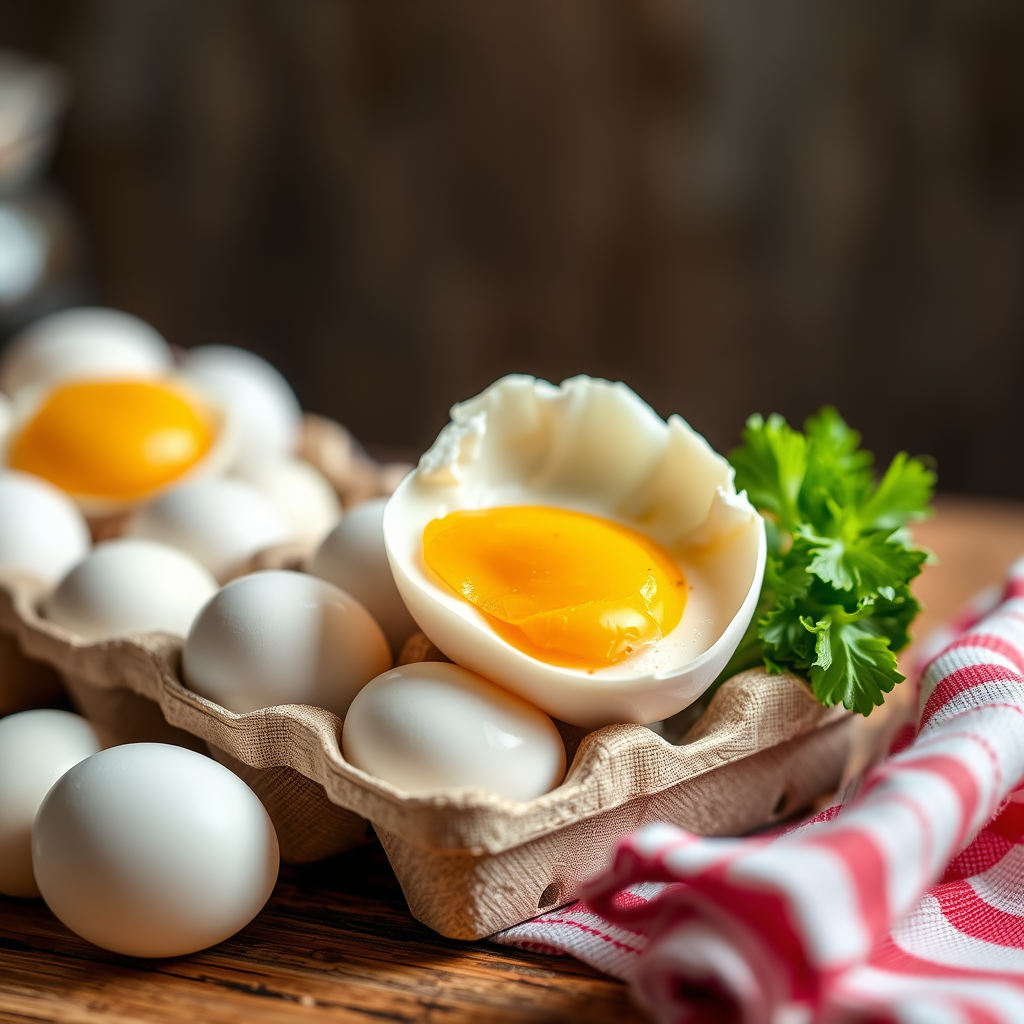
Eggs are a powerhouse of nutrition, making them an ideal food choice for those following a ketogenic diet. A large egg contains approximately 6 grams of protein, less than 1 gram of carbohydrates, and about 5 grams of fat. This unique composition allows eggs to provide an excellent source of energy without compromising your low-carb goals. Additionally, eggs are rich in essential nutrients, including vitamins A, D, E, and B12, as well as minerals such as selenium and choline. These nutrients play crucial roles in metabolism, immune function, and brain health.
One of the standout features of eggs is their ability to keep you satiated. The combination of protein and fat in eggs helps stabilize blood sugar levels and curbs hunger, making them a valuable component of any meal plan, especially on a keto diet. Furthermore, eggs are versatile and can be prepared in numerous ways, adding variety to your meals.
Benefits of Eating Eggs on Keto
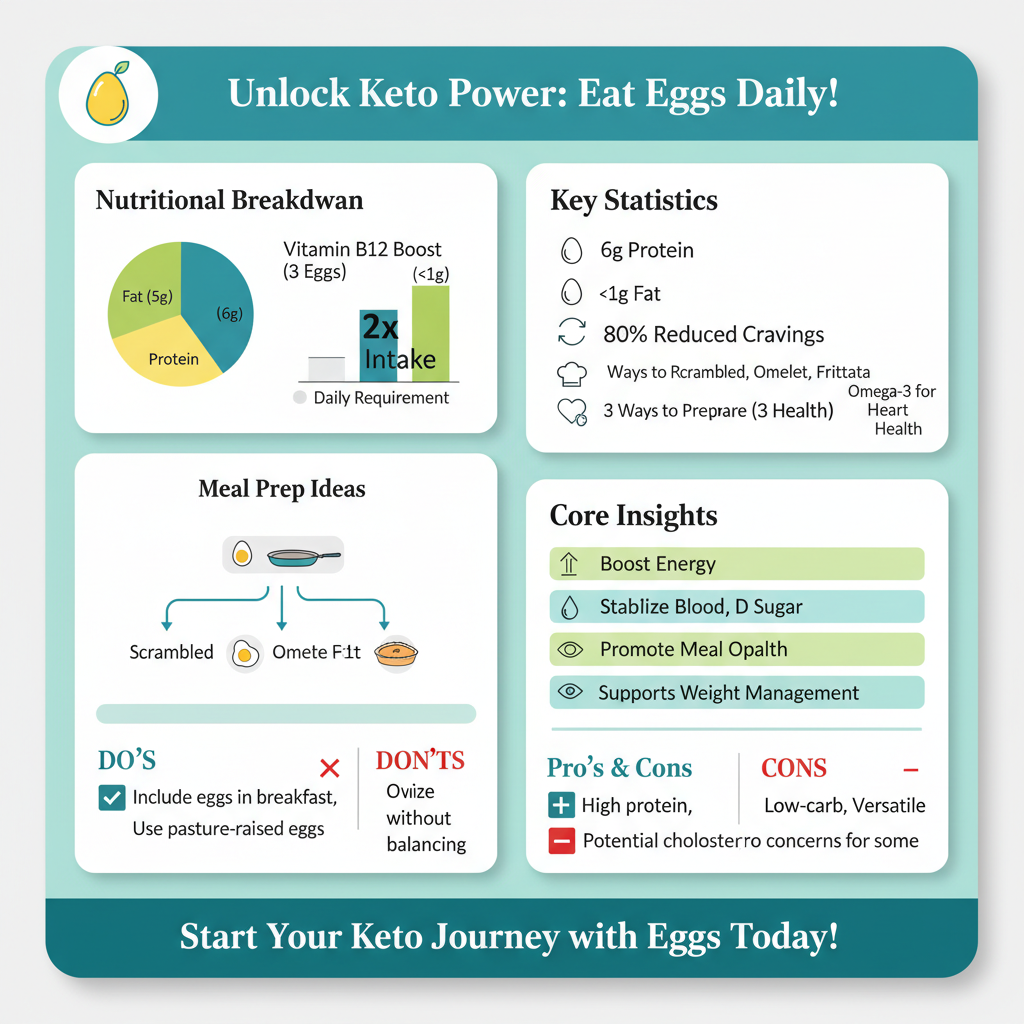

Incorporating eggs into your keto diet offers numerous benefits that extend beyond their macronutrient profile. For one, eggs are an excellent source of energy, providing sustained nourishment that keeps you feeling full longer. This is particularly beneficial for those adhering to a ketogenic lifestyle, as it helps reduce cravings and supports weight management.
Moreover, eggs are rich in important vitamins, such as vitamin B12, which is essential for red blood cell formation and neurological function, and vitamin D, which supports bone health and immune function. The presence of healthy fats in eggs, particularly omega-3 fatty acids when sourced from pasture-raised hens, contributes to cardiovascular health and reduces inflammation. Additionally, eggs contain antioxidants like lutein and zeaxanthin, which promote eye health and may reduce the risk of age-related macular degeneration.
How to Incorporate Eggs into Your Keto Meal Plan
Incorporating eggs into your keto meal plan is both simple and satisfying. There are countless ways to enjoy eggs throughout the day. Start your morning with a classic breakfast of scrambled eggs or an omelet loaded with low-carb vegetables such as spinach, bell peppers, and mushrooms. For a heartier dish, consider making a frittata that can be prepared in advance and enjoyed throughout the week.
Hard-boiled eggs are another convenient option for those on the go. They make for an excellent snack that is easy to pack and consume, or you can slice them up and add them to salads for an extra protein boost. Egg muffins, which combine eggs with various fillings and are baked in a muffin tin, are a creative way to prepare a batch of breakfast items that can be easily refrigerated or frozen for quick meals.
For lunch or dinner, egg-based dishes such as shakshuka, a North African dish featuring poached eggs in a spicy tomato sauce, provide a flavorful and satisfying meal. Experimenting with different herbs, spices, and keto-friendly ingredients can elevate the taste and keep your meals exciting.
Popular Keto Egg Recipes
To help you get started, here are some popular keto egg recipes that you can try:
1. Keto Egg Muffins: Whisk together eggs, cheese, and your choice of vegetables like zucchini or broccoli. Pour the mixture into a muffin tin and bake until set. These muffins are perfect for breakfast or a quick snack.
2. Deviled Eggs: A classic appetizer, deviled eggs can be made keto-friendly by mixing the yolks with mayonnaise, mustard, and spices. Serve them as a snack or at gatherings.
3. Egg Salad: Combine chopped hard-boiled eggs with avocado or mayonnaise, mustard, diced celery, and seasonings for a protein-rich salad that can be served on its own or in lettuce wraps.
4. Shakshuka: Sauté onions, garlic, and bell peppers in a skillet, add diced tomatoes and spices, and then crack eggs into the mixture. Cover and cook until the eggs are done to your liking.
5. Cloud Bread: This low-carb alternative to traditional bread can be made with eggs, cream cheese, and cream of tartar, providing a fluffy base for sandwiches or toast.
By incorporating these recipes into your meal planning, you can explore the culinary versatility of eggs while adhering to your keto diet.
Potential Concerns with Egg Consumption
While eggs are nutritionally beneficial, there are some concerns associated with their consumption, particularly regarding cholesterol. Historically, eggs have been viewed with caution due to their cholesterol content, with one large egg containing about 186 mg of cholesterol. However, recent studies indicate that for most people, dietary cholesterol has a minimal impact on blood cholesterol levels. In fact, eggs may increase levels of HDL (good cholesterol) and improve the overall cholesterol profile.
That said, individual dietary needs can vary significantly, and those with specific health concerns, such as existing heart conditions or familial hypercholesterolemia, should consult with a healthcare provider before making significant changes to their egg consumption. Monitoring how your body responds to eggs can also provide insight into whether they are a suitable part of your diet.
Alternatives to Eggs on Keto
For individuals who may have an egg allergy or choose not to consume eggs for other reasons, there are several keto-friendly alternatives available. Tofu can be a versatile substitute, particularly in scramble dishes, as it absorbs flavors well and offers a similar texture. Another option is chia seeds, which can be used to create puddings or thickening agents in recipes.
In terms of nutritional profiles, tofu is a plant-based protein source that is low in carbohydrates, making it a suitable alternative for those on a keto diet. Chia seeds, on the other hand, are high in fiber and omega-3 fatty acids, promoting digestive health and providing essential nutrients. Both options can easily fit into a ketogenic lifestyle, allowing for creative meal planning without the inclusion of eggs.
In summary, eggs are a versatile and nutritious food that can seamlessly fit into a keto diet. They provide essential nutrients while helping you maintain your low-carb goals. Consider experimenting with different egg recipes and incorporating them into your meal planning to enjoy the full benefits they offer. Whether you are a seasoned keto follower or just starting, eggs can be an integral part of your nutritional journey.
Frequently Asked Questions
Can you eat eggs on a keto diet?
Yes, eggs are an excellent food choice for those following a keto diet. They are low in carbohydrates and high in healthy fats and protein, making them ideal for maintaining ketosis. One large egg contains about 0.6 grams of carbs and 5 grams of fat, which fits perfectly within the macronutrient ratios typically recommended for a ketogenic lifestyle.
How many eggs can you eat on a keto diet?
While there is no strict limit on egg consumption when on a keto diet, moderation is key. Many keto dieters incorporate 1 to 2 eggs per meal, allowing for a good variety of nutrients from other foods. It’s important to listen to your body and ensure you’re balancing your meals with other low-carb vegetables and sources of protein to meet your nutritional needs.
Why are eggs considered a staple in the keto diet?
Eggs are considered a staple in the keto diet due to their high nutrient density and versatility. They are packed with vitamins and minerals, including vitamin B12, selenium, and choline, which are beneficial for overall health. Additionally, eggs provide a source of healthy fats and protein that can help keep you feeling full longer, aiding in weight management while on a ketogenic plan.
What are the best ways to prepare eggs for a keto diet?
The best ways to prepare eggs on a keto diet include boiling, scrambling, poaching, or making omelets with low-carb vegetables and cheese. Cooking eggs in healthy fats like olive oil or butter enhances their flavor and increases the fat content, which is beneficial for keto dieters. You can also make egg muffins or frittatas to add variety to your meals while keeping them low in carbs.
Which types of eggs are best for a keto diet?
When following a keto diet, the best types of eggs to choose are organic, pasture-raised, or free-range eggs. These options tend to have higher omega-3 fatty acid content and better overall nutritional profiles compared to conventional eggs. Additionally, considering eggs from local farms can ensure freshness and quality, making them a healthier choice for your ketogenic meals.
References
- https://www.healthline.com/nutrition/keto-diet-foods
- https://www.ncbi.nlm.nih.gov/pmc/articles/PMC6460259/
- https://www.webmd.com/diet/what-to-eat-on-the-keto-diet
- https://www.hsph.harvard.edu/nutritionsource/keto-diet/
- https://www.eatright.org/health/wellness/healthy-aging/the-ketogenic-diet-and-healthy-aging