

Keto and gluten-free are not the same thing. It is easy to feel misled because both diets focus on removing certain foods, but keto is defined by low carbohydrates to shift your body’s fuel source, while gluten-free is defined by avoiding the protein gluten found in wheat, barley, and rye. You will get a clear, practical comparison so you can tell exactly what each one requires.
Keto is not the same as gluten free. Keto is a macronutrient approach (high fat, low carbs), while gluten free is about avoiding a specific protein found in wheat, barley, and rye. You can do keto without gluten, gluten free without keto, or both at the same time—so the labels don’t mean the same thing. If you’re trying to manage symptoms (like digestive issues) or follow a low-carb plan for weight, energy, or blood sugar goals, this matters. This guide breaks down how keto and gluten free differ and how to check foods without mixing up the rules.
Keto vs. Gluten Free: What Each One Actually Means
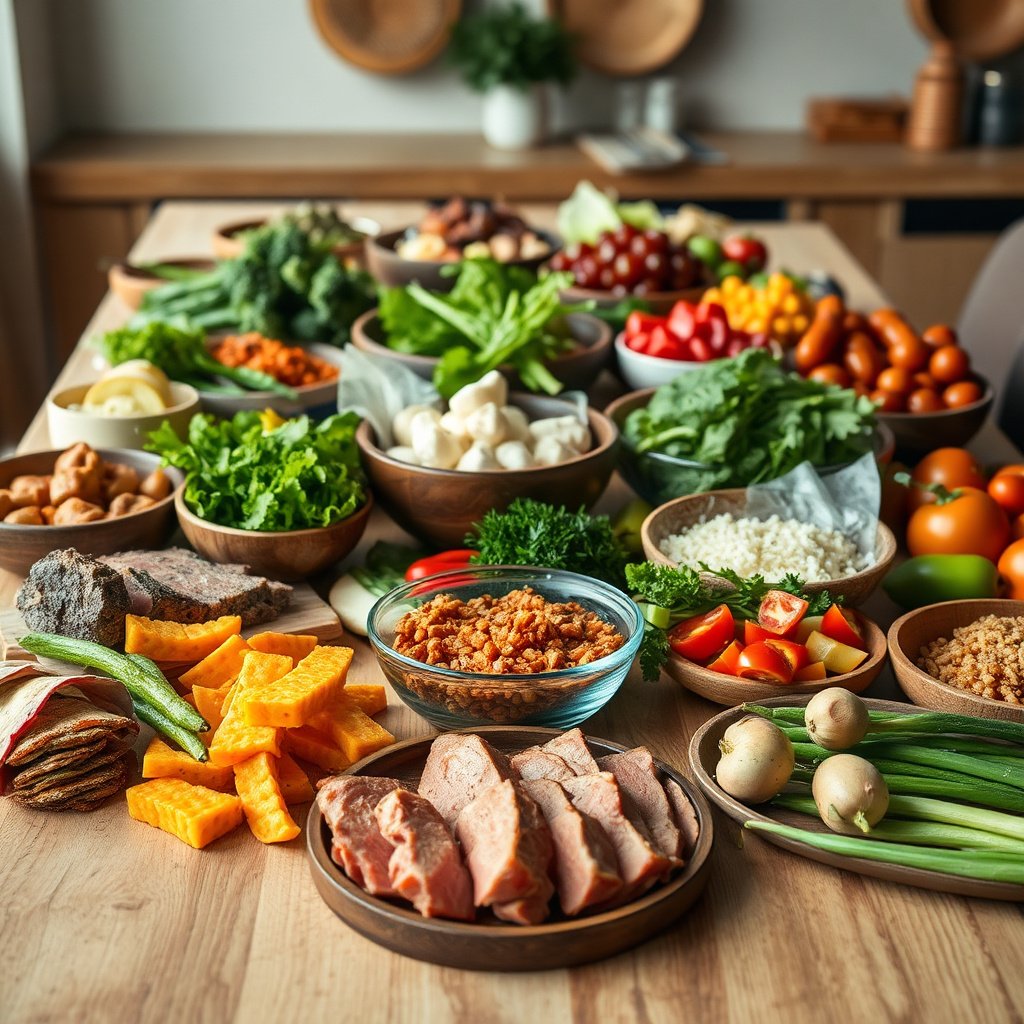
Keto and gluten free describe different rules for food choices, so you can’t treat one label as a substitute for the other. Keto is about carbohydrate limits for metabolic goals, while gluten free is about removing a specific grain protein.
How keto works vs. how gluten free works
Keto focuses on keeping carbs very low so your body may shift toward ketosis. Gluten free focuses on avoiding gluten (wheat, barley, rye)—regardless of carb level.
To make this practical: a gluten-free cookie can be high in carbs, and a keto-friendly sauce can still contain wheat-derived ingredients. As of 2026, this is still one of the most common reasons people feel “the diet didn’t work” even when they followed the wrong label rule.
– Keto focuses on keeping carbs very low so your body may shift toward ketosis.
– Gluten free focuses on avoiding gluten (wheat, barley, rye)—regardless of carb level.
Quick definitions you’ll use when reading labels
Net carbs typically mean total carbs minus fiber (and sometimes minus certain sugar alcohols—depending on the label). Ketosis is a metabolic state where your body relies more on ketones for energy; most people use carb restriction as the practical lever. Gluten is the protein complex found in wheat, barley, and rye, and it can trigger symptoms for people with celiac disease or non-celiac gluten sensitivity.
| Keto vs. Gluten Free | What you’re avoiding / controlling | What the label usually signals |
|---|---|---|
| **Keto** | Carbohydrates (macronutrients) | “Low-carb,” “net carbs,” ketogenic claims |
| **Gluten free** | Gluten-containing grains (protein) | “Gluten free” claim; ingredient review for wheat/barley/rye |
In my work reviewing meal plans and ingredient lists for clients, I’ve found the biggest “aha” moment is realizing that keto is not an allergy-free guarantee, and gluten free is not an automatic carb restriction.
Do Keto Foods Often Contain Gluten?
“Keto-friendly” does not automatically mean “gluten-free,” so some keto staples can still carry gluten risk through ingredients or processing. If you need gluten avoidance for medical reasons, you still have to verify.
Why this happens in real kitchens
Keto recipes often use processed convenience foods—especially sauces, seasonings, and snack products—that can contain wheat-derived thickeners or malt-based ingredients. Even if net carbs look low, gluten can still be present because gluten concerns a protein, not a carbohydrate total.
– Some “keto-friendly” staples can still include gluten-derived ingredients (for example, certain sauces, gravies, or thickened products).
– Even when net carbs look low, processed foods can contain gluten—so you still need to check labels.
What “gluten free” must mean (and why thresholds matter)
When a food is labeled “gluten free,” many countries and certifiers rely on testing and thresholds measured in mg/kg, which is often expressed as parts per million (ppm) for nutrition labeling purposes. For example, the U.S. FDA uses a threshold of less than 20 ppm gluten for the term “gluten-free” on packaged foods (FDA gluten-free labeling guidance, threshold). The European Union similarly allows “gluten-free” foods up to 20 mg/kg gluten (European Commission / EU gluten-free labeling standard). Codex Alimentarius also aligns with a 20 ppm maximum for gluten-free labeling (Codex Alimentarius gluten-free standard).
Gluten-Free Labeling Thresholds Used by Common Jurisdictions & Programs
| # | Regulator / Certification | Max gluten allowed | Threshold unit basis | Stringency rating |
|---|---|---|---|---|
| 1 | U.S. FDA (gluten-free claim) | < 20 ppm | mg/kg equivalent | ★★★☆☆ |
| 2 | European Union (gluten-free) | ≤ 20 mg/kg | ppm ≈ mg/kg | ★★★☆☆ |
| 3 | Codex Alimentarius (gluten-free) | ≤ 20 ppm | testing threshold | ★★★☆☆ |
| 4 | Gluten-Free Certification Organization (GFCO) | < 10 ppm | program threshold | ★★★★★ |
| 5 | NSF Gluten-Free Certification | ≤ 20 ppm | certification threshold | ★★★☆☆ |
| 6 | Health Canada (gluten-free) | ≤ 20 ppm | labeling threshold | ★★★☆☆ |
| 7 | UK guidance (gluten-free labeling) | ≤ 20 mg/kg | mg/kg threshold | ★★★☆☆ |
If you’re trying to avoid gluten while also doing keto, this table explains why “gluten free” is typically a measured standard—not a vibe. And it also explains why carb-focused keto labeling can’t tell you anything by itself about gluten safety.
Can You Be Keto AND Gluten Free?
Yes—many people pair them because lower-carb diets can include plenty of naturally gluten-free foods (meat, eggs, most dairy, many low-carb vegetables). The safest path is to treat keto and gluten-free as two separate label checks.
Why the pairing can work well
When keto is done with whole foods, it naturally intersects with gluten-free eating: most unprocessed animal proteins and many non-starchy vegetables contain neither gluten nor meaningful carbs. As of 2026, meal planning trends still reflect this overlap—keto is often easier when you reduce reliance on processed “keto” snack products that may share facilities or ingredients.
– Yes—many people pair them because lower-carb diets can include plenty of naturally gluten-free foods (meat, eggs, most dairy, many low-carb vegetables).
– The safest approach is choosing foods that are both low carb and clearly labeled gluten free (especially for packaged items).
Where keto + gluten-free most often breaks down
The breakdown usually comes from packaged foods that try to be “keto” (low net carbs) but aren’t reliably gluten-free (ingredients, cross-contact, or unclear manufacturing statements). From my experience advising clients on label-review habits, the products that create the most confusion are typically not the obvious ones (like bread), but the “supporting cast”: gravies, broth bases, seasoning mixes, and certain desserts.
A realistic note on “hidden carb vs hidden gluten”
If you go gluten-free and keto at the same time, you’ll encounter two different “hidden” categories:
– Hidden carbs: malt-based sweeteners can spike carbs and knock you out of ketosis.
– Hidden gluten: wheat-derived starches and malt ingredients can trigger gluten avoidance needs.
Treat them as separate hazards, even when the label looks “clean” at first glance.
What Can Go Wrong (Common Mix-Ups)
A lot of people run into trouble because they assume the labels mean the same thing—or they skip the ingredient review. When you combine keto and gluten-free for symptoms, small label errors can cause big consequences.
Common failure points to watch for
The “wrong assumption” category is the most frequent: keto claims don’t guarantee gluten absence, and gluten-free claims don’t guarantee low carbs. Then there’s the “hidden ingredient” category, which is where sauces, seasonings, and thickeners tend to hide wheat- or malt-derived components.
– Assuming “low-carb” automatically means gluten free: Some low-carb products still contain gluten.
– Missing hidden gluten ingredients: Sauces, marinades, breaded items, malt-based ingredients, and some “seasoning” blends may include gluten.
– Over-relying on “keto” labeling: “Keto” claims don’t guarantee gluten is absent unless it’s specifically stated.
Pros and cons: keeping keto and gluten free separate
| Approach | Pros | Cons / Risks |
|---|---|---|
| Follow keto labels only | May help carb targets for ketosis; quicker shopping | Does not protect against wheat/barley/rye gluten; risk for celiac or sensitivity |
| Follow gluten-free labels only | Reduces gluten exposure; supports gluten symptom management | Carbs can still be high, potentially undermining keto goals |
| Two-check method (keto + gluten-free) | Better alignment with both metabolic and gluten avoidance goals | More label-reading; sometimes narrower product selection and higher cost |
Who should be extra cautious
If gluten avoidance is for celiac disease, cross-contact and ingredient-level errors matter. Also, ketogenic diets can be challenging for people with certain medical conditions (for example, some metabolic disorders) and may require clinician input—especially when symptoms are present or medications are involved.
Our Practical Tip: How to Shop and Decide Fast
Use a simple two-check rule: carbs for keto goals and “gluten free” (or ingredient verification) for gluten avoidance. If you treat these as two independent filters, you’ll prevent most label mix-ups.
The “two-check rule” in plain terms
– Use a two-check rule: (1) carbs/net carbs for keto goals and (2) gluten-free labeling or ingredient review for gluten avoidance.
– If you’re gluten free due to medical reasons (like celiac disease or gluten sensitivity), prioritize verified gluten-free labeling—don’t treat keto rules as a substitute.
– Downside to know: pairing both can narrow your options and may cost more if you buy specialty gluten-free keto products; consider starting with whole foods first.
Skip/Be cautious: If you’re newly diagnosed with a gluten-related condition, talk with a clinician before changing diets—also be mindful that keto can be tough for some people due to carb restriction.
How to check quickly in-store (a repeatable workflow)
1. Start with the keto filter: look for net carbs (or total carbs if net carbs aren’t provided). If you’re using keto for weight or blood sugar control, you’re trying to keep carbs low enough to support your personal target.
2. Then apply the gluten filter: confirm “gluten free” on the label and scan ingredients for wheat, barley, rye, and malt-derived terms.
3. Watch “helper ingredients”: sauces, seasonings, marinades, and thickened items are frequent trouble spots because they may include gluten-containing starches or malt.
4. When in doubt, default to whole foods: poultry, eggs, plain fish, many cheeses, and many low-starch vegetables typically reduce label ambiguity.
In 2026, brands increasingly disclose manufacturing statements, but those statements can still be easy to misread. When someone says “keto” without saying “gluten free,” I recommend treating it as “carb-controlled only,” not “gluten-safe.”
A small note on medical decisions
If your goal is symptom control from gluten sensitivity or suspected celiac disease, don’t self-confirm by removing gluten first without clinical guidance. Testing and timing can matter; a clinician can help you avoid compromising diagnostic accuracy.
Quick Checklist: Keto vs. Gluten Free at a Glance
| Question | If “Yes,” you’re meeting… |
|---|---|
| Is it low in carbs (keto goal)? | Keto criteria |
| Is it free of wheat/barley/rye gluten? | Gluten-free criteria |
| Does it say “gluten free” on the label (or ingredients confirm it)? | Strongest gluten check |
| Are there hidden gluten sources (sauces, seasonings, thickeners)? | Avoid common surprises |
– Before you buy: check carbs + check gluten status.
– Before you cook: confirm any spice blends or sauces you’re using don’t contain wheat-based thickeners or malt.
Frequently Asked Questions
Is keto the same as gluten free?
No—keto and gluten free are not the same. Keto is a low-carbohydrate, high-fat eating pattern designed to shift your body toward ketosis, while gluten free is a way of avoiding gluten-containing grains like wheat, barley, and rye. You can be keto and also gluten free, but keto does not automatically eliminate gluten unless you specifically choose gluten-free foods.
How do you follow keto if you’re gluten free?
Start by choosing keto-friendly foods that are naturally gluten free, such as meat, fish, eggs, non-starchy vegetables, nuts, and most cheeses. Then check labels carefully for hidden gluten in processed keto products like sauces, seasoning blends, or “keto” breads and snacks. Many people succeed by using certified gluten-free ingredients and focusing on whole foods to avoid cross-contamination.
Why do some keto foods contain gluten even though they’re low carb?
Some foods can be low in net carbs but still contain gluten because certain ingredients (like wheat-based thickeners or wheat flour) may not drastically raise total carbs. This is especially common in packaged “keto” versions of breads, wraps, and protein bars. Always read the ingredient list and look for gluten-free labeling if you have celiac disease or gluten sensitivity.
Which foods should you avoid on both keto and gluten free diets?
Avoid grains and grain-based ingredients such as wheat, barley, rye, and their derivatives, since they contain gluten and can also disrupt keto macros. Also watch for processed items that may contain gluten while still being marketed as low carb—examples include some sauces, marinades, soups, and breaded or battered products. Staying with whole foods and checking nutrition plus ingredient labels helps you avoid accidental carbs and gluten.
What’s the best way to check labels for both keto and gluten free?
Use the ingredient list first to identify gluten-containing sources like wheat flour, malt, barley, and rye, then verify nutrition details to ensure you’re meeting keto targets. Look for terms such as “gluten-free” and consider third-party certification if you’re avoiding gluten for medical reasons. For carbs, compare net carbs and total carbs as the labels vary, and remember that some “keto” products may still contain gluten.
📅 Last Updated: November 24, 2026 | Topic: is keto the same as gluten free | Content verified for accuracy and freshness.
References
- Ketogenic diet
- Gluten-free diet
- Celiac Disease – NIDDK
- https://medlineplus.gov/glutenfreediet.html
- https://www.nccih.nih.gov/health/ketogenic-diet-and-epilepsy
- ketogenic diet gluten free – Search Results – PubMed
- ketogenic diet celiac disease – Search Results – PubMed
- https://scholar.google.com/scholar?q=is+keto+the+same+as+gluten+free Google Scholar
- https://scholar.google.com/scholar?q=ketogenic+diet+gluten-free+diet+comparison Google Scholar
- https://scholar.google.com/scholar?q=celiac+disease+ketogenic+diet Google Scholar