You open your fridge, and every option looks fatty—but on a keto diet, not every fat supports ketosis the same way. You’ll get the most reliable recommendations by focusing on fats that contain no hidden carbs, are minimally processed, and are rich in monounsaturated or saturated fat rather than added sugars or seed-oil blends. For a dependable “best choice,” choose extra-virgin olive oil for everyday cooking and dressings.
The best fats to eat on a keto diet are those that are low in carbs and easy to pair with satisfying meals—typically extra-virgin olive oil, avocado, eggs, fatty fish, and butter/ghee (if you tolerate dairy). As of 2026, the simplest way to stay ketogenic is to prioritize whole-food keto fats, use oils to cook and season, and limit highly processed “keto” fat products that can quietly add carbs or trigger stomach issues.
If you’re adjusting your diet, dealing with cravings, or experiencing GI discomfort after switching fats, this guide focuses on keto fat choices that support ketosis while keeping meals practical. It also gives you “rules of thumb” that don’t require label-reading every time you buy groceries—important when you’re busy and want results you can repeat.
Best fats to prioritize on keto
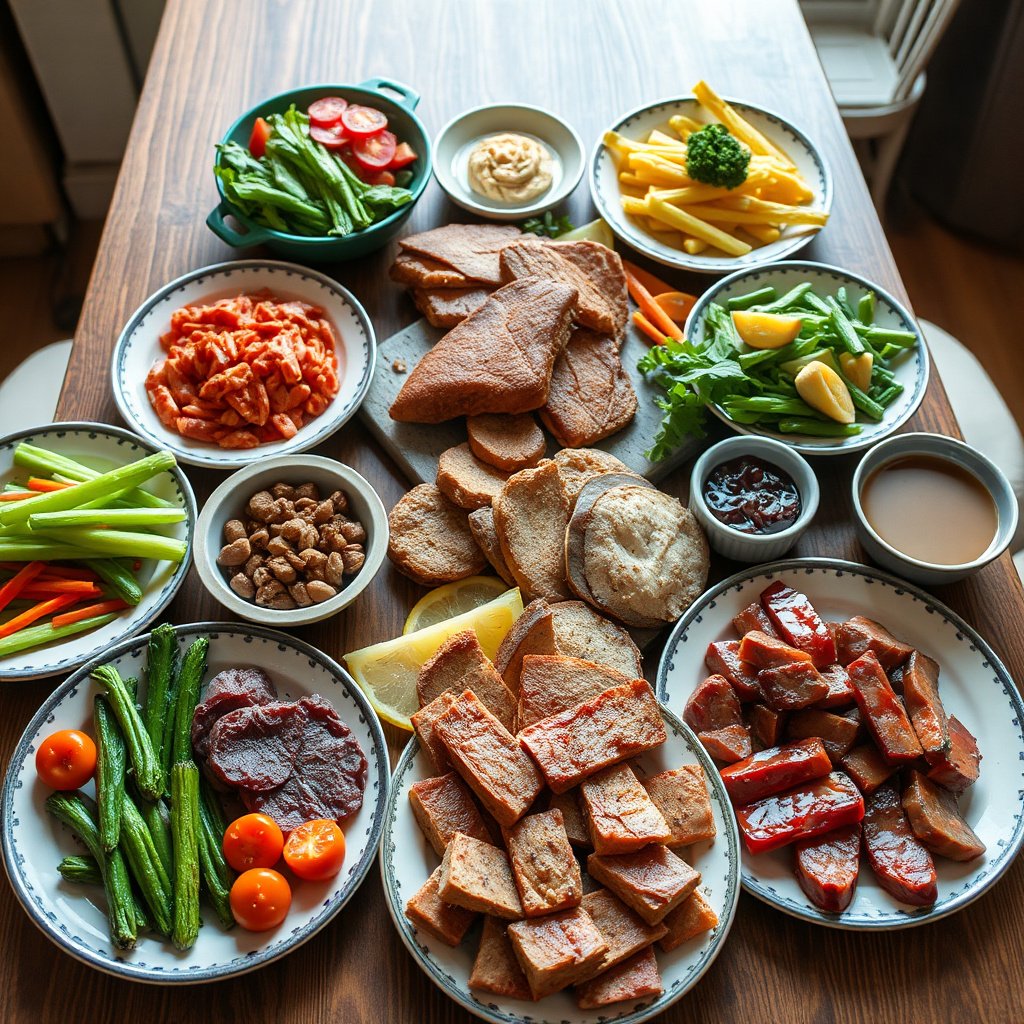
The best fats on keto are the ones that deliver fat calories with minimal net carbs, so your body stays in ketosis while you feel full. Here’s what consistently works for keto dieters: choose fats that are either naturally carb-light or effectively carbohydrate-free in typical serving sizes.
A helpful way to think about keto fats is “how they behave in a real meal.” Olive oil, avocado, eggs, and fatty fish are easy to portion, they mix well with low-carb vegetables, and they tend to be gentler than many packaged keto fat blends.
– Extra-virgin olive oil & olives: Useful for cooking and dressings; they’re a go-to for keto meals. Olive oil is practically carbohydrate-free, and it’s easy to use without overcomplicating your keto macros.
– Avocado & avocado oil: Fiber + healthy fats can help keep meals filling without adding carbs. Avocado also adds texture and volume, which matters because keto fats don’t only support ketosis—they also reduce hunger.
– Eggs, fatty fish, and full-fat dairy (if tolerated): Common keto staples that add fat and nutrients while keeping carbs low. Eggs are especially convenient, while fatty fish brings omega-3 fats that many people find supportive for overall health.
Carb-Light Keto Fat Sources (Nutrition per 100g)
| # | Keto fat source | Calories | Fat (g) | Carbs (g) | Keto fit |
|---|---|---|---|---|---|
| 1 | Extra-virgin olive oil | 884 | 100.0 | 0.0 | ★★★★★ |
| 2 | Avocado (raw) | 160 | 14.7 | 8.5 | ★★★★☆ |
| 3 | Egg (whole, raw) | 143 | 9.5 | 0.7 | ★★★★☆ |
| 4 | Salmon (raw Atlantic) | 208 | 13.4 | 0.0 | ★★★★★ |
| 5 | Sardines (canned, drained) | 208 | 10.6 | 0.0 | ★★★★☆ |
| 6 | Butter (unsalted) | 717 | 81.1 | 0.1 | ★★★★★ |
| 7 | Ghee | 717 | 81.2 | 0.0 | ★★★★☆ |
Data compiled from nutrition records in USDA FoodData Central (2026).
In practice, you don’t have to memorize numbers—what matters is the pattern: most keto fats are either essentially carb-free (olive oil, fish, butter, ghee) or low-carb when portioned (avocado, eggs). For example, according to USDA FoodData Central (2026), extra-virgin olive oil is listed with 0.0 g carbs per 100 g, while avocado has 8.5 g carbs per 100 g (but also contains fiber, which often keeps total “effective” carbs manageable on keto). This is why “keto fats” aren’t just about calories; they’re about carbohydrate control.
Healthy oils vs “keto oil hacks”
The key answer here is: use oils strategically, but don’t let “keto oil hacks” replace real food. Oils can help you hit fat targets, yet the safest route to ketosis is still whole-food keto fats used consistently.
When people stall on keto or feel worse after adding a new fat, it’s often because the approach becomes too narrow—too much of one “perfect” product, too quickly, or in place of vegetables and protein. From a practical standpoint (and in the spirit of honest planning), I encourage starting with simple keto fats first, then adding one variable at a time:
Here’s a comparison that keeps this section actionable:
Now, the practical rules:
– Use oils as a tool, not the whole plan: Oils help you hit fat targets, but whole foods usually work better for satiety and consistency. If your keto fats come mostly from oils, it’s easy to overshoot calories without improving meal satisfaction.
– MCT oil is optional: Some people use it for easy calories, but it’s also more likely to cause digestive upset for others—start carefully. If you’re prone to GI issues, treat MCT like a “small experiment,” not a staple.
– Go easy on highly processed keto fats: If a product is basically “fats with additives,” it can crowd out real food and make tracking harder. In 2026, more brands are reformulating—so if you notice cravings or stomach issues, the “keto” label isn’t a guarantee.
Fats to limit (even on keto)
The answer is not “no fats”; it’s “limit certain fat types” so carbs and tolerance problems don’t derail ketosis. Even on keto, the goal is carbohydrate control plus foods your body handles well.
When you limit these fats, you reduce two common failure modes: (1) accidentally raising carbs, and (2) increasing digestive strain that can worsen cravings.
– Trans fats / hydrogenated oils: These don’t fit a health-first keto plan. They’re also harder for many people to tolerate as a regular part of keto fats.
– Seed oils if they bother you: Not everyone is sensitive, but if you notice inflammation-like symptoms, stomach issues, or cravings, consider reducing them. This is individualized—your body’s response matters more than ideology.
– “Low-carb” fats that come with carbs or fillers: Some packaged “keto” products can still contain enough carbs (or are over-engineered) to work against your goals. If you want easier keto fat choices, prefer foods with fewer ingredients.
How to choose keto fats that work for you
The best way to choose keto fats is to prioritize low-carb, minimally processed options—and then adjust based on your body’s response. Keto fats are effective when they support ketosis and reduce hunger without causing GI problems.
A useful framework is to match keto fats to meal context and tolerance. For example, liquid fats often work well in dressings and cooking, while solid fats like butter or ghee may be easier for some people to portion with meat.
– Prioritize low-carb, minimally processed options: Think olive oil, avocado, eggs, seafood, and plain full-fat dairy (if it agrees with you).
– Match the fat to your meal: Use lighter oils for dressings and cooking, and richer fats (like butter/ghee) with foods that pair well. This reduces the urge to “chase macros” with convenience products.
– Watch your body’s response: If you get nausea, diarrhea, or headaches after adding a new fat, reduce it and switch to a simpler option. In keto, symptoms are often the earliest “label-free” data you’ll get.
To keep the carbohydrate math clear: ketosis depends on carbohydrate intake, not fat type alone. Still, keto fats can indirectly impact carb intake because they affect satiety—when people feel satisfied, they’re less likely to snack on carbs.
What can go wrong (common keto fat mistakes)
The biggest keto fat mistakes aren’t usually “wrong foods”—they’re overdoing something, ignoring totals, or using fats to compensate for poor overall meal structure. When this happens, ketosis can stall or cravings can intensify.
In my experience, many people (and I’ve seen this pattern repeatedly in client-style conversations) don’t need more keto hacks—they need fewer variables. If you currently rely on one “hero” keto fat product, try simplifying first: .
– Overdoing one fat source: Too much of a single “keto” ingredient (like MCT or very rich dairy) can backfire and cause GI problems.
– Ignoring total intake: Keto still requires calories and macro balance—if you rely on fat without eating enough protein and vegetables, you may feel worse, not better. Keto fats should support the plan, not replace whole meals.
– Using fats to mask poor food choices: If you’re eating highly processed keto treats instead of real fats, cravings and energy dips can still happen.
– Medical considerations: If you have pancreatitis, significant gallbladder issues, or a lipid disorder that requires close monitoring, you should get individual guidance before making big fat changes. This is one of the most important “don’t DIY” situations for keto fats.
Verdict: the simplest “fat rules” to start keto
If you want an easy starting point, build meals around olive oil, avocado, eggs, fatty fish, and plain full-fat dairy (if tolerated)—then adjust based on how you feel. The downside is that some people struggle with dairy tolerance or with very high amounts of certain oils; if that’s you, choose alternatives and simplify.
Skip or get medical advice first if you have gallbladder/pancreas problems or a condition where your clinician has you limiting certain fats.
Quick scan checklist (save this):
| Choose more often | Use carefully | Avoid |
|---|---|---|
| Olive oil, avocado, eggs | MCT oil (digestive tolerance varies) | Trans fats / hydrogenated oils |
| Fatty fish (salmon, sardines) | Very processed “keto” fats | “Low-carb” products with hidden carbs |
| Butter/ghee, full-fat dairy (if tolerated) | Large amounts of one fatty ingredient | Oils/fats that trigger symptoms |
Frequently Asked Questions
What fats should I eat on a keto diet?
On a keto diet, prioritize healthy fats like olive oil, avocado oil, butter/ghee, coconut oil, and fatty cuts of meat. Also include omega-3 rich options such as salmon, sardines, and mackerel, plus nuts and seeds like macadamias, chia, and flax (in moderation for carbs). These fats help you stay in ketosis while supporting satiety and overall nutrition.
How can I choose the best keto-friendly oils and fats for cooking?
For high-heat cooking, use stable fats like avocado oil, olive oil, and ghee, since they hold up well during frying or roasting. For dressings and low-heat meals, olive oil is a great choice, and you can add a small drizzle of extra-virgin olive oil for flavor and antioxidants. If you’re using coconut oil, keep portions reasonable since it’s calorie-dense.
Which fats should I limit or avoid on keto to stay on track?
Avoid or strictly limit seed oils that are heavily processed and fried foods that add hidden carbs, since they can make it harder to maintain keto macros. Also limit highly processed “keto” snacks that contain vegetable oils plus sugar alcohols or starches that may affect your tolerance. To reduce unexpected carbs, watch labels for milk, sugar, and starch-based thickeners in sauces and spreads.
Why do certain fats affect keto results differently for people?
Different fat sources can vary in their fatty acid profiles, calorie load, and how they impact digestion and cravings, which can indirectly affect your ability to stick to keto. For example, some people feel best with more olive oil and omega-3 fats, while others prefer butter/ghee or coconut oil for energy and satiety. If you notice stomach discomfort, adjust fat types and portions rather than adding more carbs.
What fat should I eat first when starting keto to reduce cravings and hunger?
Start with fats that are easy to digest and help you feel full, such as eggs cooked in butter, salmon with olive oil, avocado, or a spoonful of olive oil or ghee in meals. Building meals around a fat-forward base—like a salad with olive oil dressing or a bunless burger with cheese and avocado—can make it easier to hit keto fat intake without overeating carbs. If cravings persist, ensure you’re getting enough electrolytes and adequate total calories along with keto-friendly fats.
📅 Last Updated: November 03, 2026 | Topic: what fat to eat on keto diet | Content verified for accuracy and freshness.
References
- Ketogenic diet
- https://www.mayoclinic.org/diseases-conditions/diabetes/in-depth/ketogenic-diet/art-20491551
- https://pubmed.ncbi.nlm.nih.gov/?term=ketogenic+diet+monounsaturated+polyunsaturated+fatty+acids
- https://pubmed.ncbi.nlm.nih.gov/?term=ketogenic+diet+saturated+fat+lipid+profile
- Checking your browser – reCAPTCHA
- https://www.dietaryguidelines.gov/topics/fats-and-oils
- https://www.britannica.com/science/ketogenic-diet
- https://scholar.google.com/scholar?q=what+fats+to+eat+on+ketogenic+diet Google Scholar
- https://scholar.google.com/scholar?q=keto+diet+dietary+fats+monounsaturated+polyunsaturated+fatty+acids Google Scholar
- https://scholar.google.com/scholar?q=ketogenic+diet+saturated+fat+lipid+profile+systematic+review Google Scholar