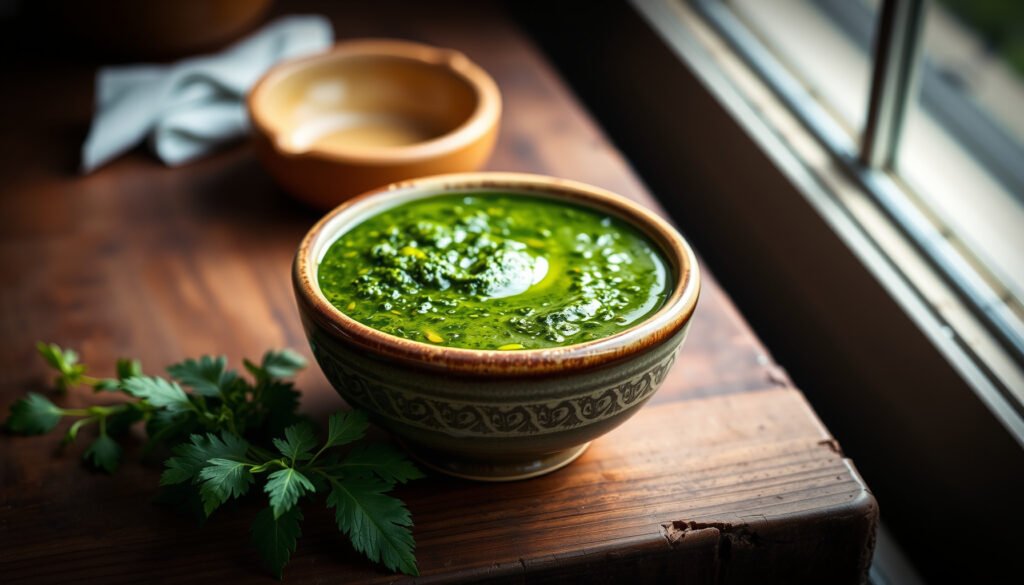

Chimichurri is generally keto-friendly, but only if the recipe is sugar-free and relies on herbs, garlic, olive oil, and vinegar. This guide answers whether you can eat chimichurri on a keto diet, what ingredients to watch for, and how to keep carbs low while staying within your daily net-carb limit.
Yes—most chimichurri is keto because it’s typically made with herbs, olive oil, and vinegar with little to no added sugar. The catch is the recipe: some versions sneak in sugar or use enough onion (or other carb-heavy add-ins) that your daily keto carb limit can get blown off-track.
If you’re choosing sauces for weeknight steak or chicken, you’ll get the most reliable results by treating chimichurri as a “label-to-portion” food: check ingredients first, then confirm the carb math for the serving size you actually use—especially in 2026 when more “chimichurri-style” products have started appearing in grocery deli sections.
What makes chimichurri keto-friendly
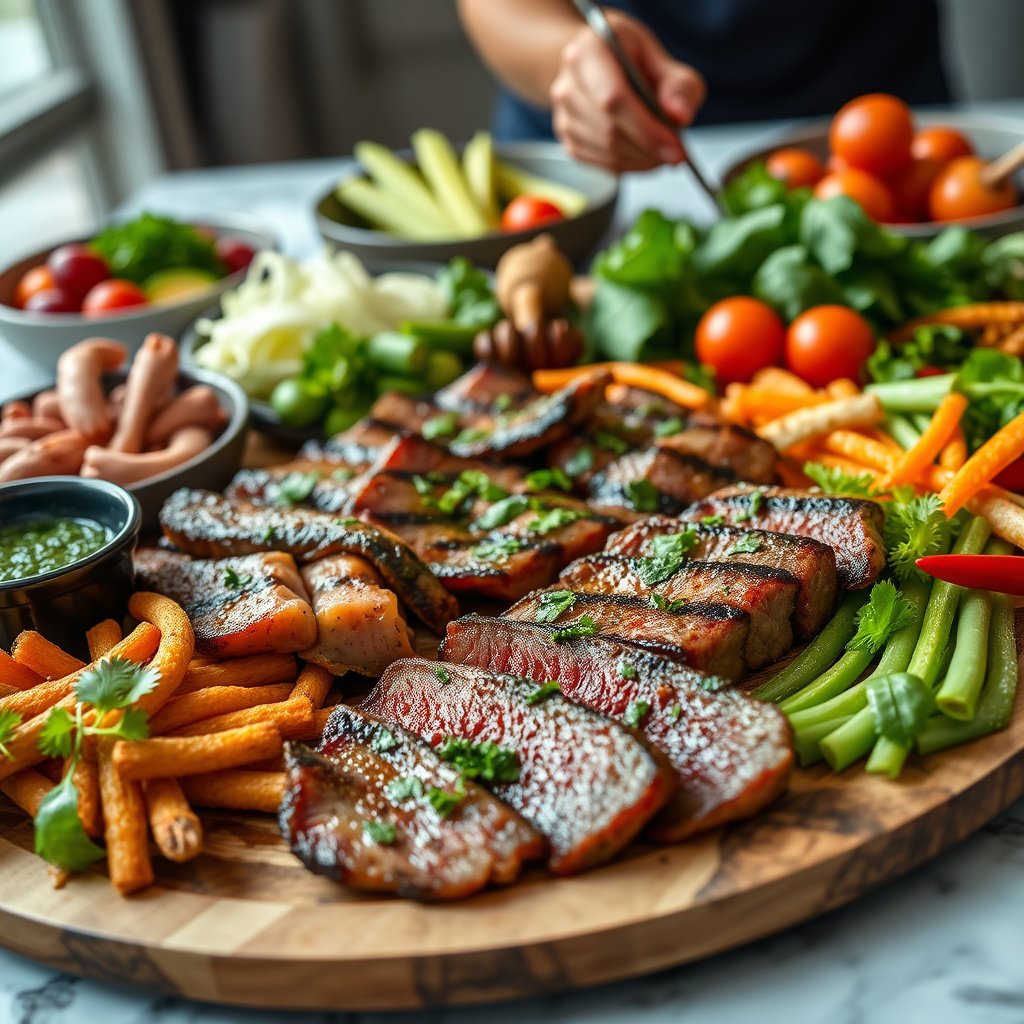
Chimichurri is usually keto-friendly when it stays herb-forward and uses olive oil plus vinegar or lemon, because those bases are naturally low in net carbs. In practice, keto compatibility comes down to whether the recipe includes any meaningful sweeteners or unusually large onion amounts.
Classic chimichurri relies on herbs (commonly parsley and/or oregano) and a fat-and-acid base (olive oil + vinegar or lemon), which are generally low in carbohydrates.
On keto, the main risk in chimichurri isn’t olive oil—it’s added sugar or carb-heavy add-ins that can push carbs beyond your daily limit.
Traditional chimichurri ingredients often include parsley, oregano, garlic, chili flakes, olive oil, and vinegar (or lemon juice). Those components usually fit keto because herbs contribute small carb amounts, and the sauce’s bulk is mostly water, fat, and plant compounds rather than starch. Garlic and chili flakes are also typically compatible in normal culinary portions.
Where many people run into trouble is when “chimichurri” becomes a flavor remix: some restaurant kitchens add sweet elements to balance acidity, and some packaged brands adjust seasoning profiles using sweeteners, juice concentrates, or sweeter vinegar blends. Since keto is carb-limited—not sugar-free—those changes matter.
Also, if you track net carbs (defined as total carbohydrates minus fiber), chimichurri can still work even if it’s not “zero carb,” as long as your serving stays within your keto budget. Carb budgets vary by person, but most keto approaches aim for a relatively low daily net-carb total (confirm your personal target).
According to USDA FoodData Central nutrient profiles (accessed 2026), olive oil contains 0 g carbohydrate per tablespoon (typical culinary measure), meaning the keto impact comes from the non-oil ingredients. USDA FoodData Central (olive oil nutrient profile, accessed 2026)
Ingredients to watch (and why)
Chimichurri isn’t automatically keto just because it’s green and herb-based—specific ingredients determine whether it fits your carb budget. The biggest red flags are added sugar and heavy onion (or “sweet” chimichurri variants) rather than olive oil itself.
Added sugar is the fastest way to turn a keto-friendly chimichurri into a carb-heavy sauce, even when the amount seems small.
Onion is higher in carbs than the herb base, so larger onion portions can matter more than many people expect on keto.
“Sweet” chimichurri recipes (or chimichurri-inspired marinades) often include sweeteners or concentrates that aren’t always obvious without reading the ingredients list.
Added sugar
Even “a touch” of sugar changes the keto math because keto is sensitive to carbs. Some jarred chimichurri products also use syrupy components or flavor systems that function like sugar (including “juice concentrate” style ingredients). If you see any sweetener ingredient, treat it as a warning sign and verify the carbs on the label.
Onions (especially in larger quantities)
Onion is useful for classic chimichurri’s sharpness and sweetness, but it’s also one of the more carb-contributing pieces. If your onion serving increases—extra onion garnish, blended onion-heavy versions, or sauces that look chunkier than traditional—the carbs can rise quickly even if everything else stays the same.
Thickening or “sweet” variants
Some store-bought chimichurri is formulated to be shelf-stable and consistent, which can mean thicker texture, more blended aromatics, or a sweeter finishing profile. If you’re comparing jars, don’t assume “herb sauce = keto.” The ingredient list and nutrition panel are the truth.
According to USDA FoodData Central nutrient profiles (accessed 2026), yellow onion contains measurable carbohydrate per tablespoon-sized portion, while vinegar typically contributes negligible carbohydrate in standard culinary amounts. USDA FoodData Central (yellow onion + vinegar nutrient profiles, accessed 2026)
Carb Impact of Common Chimichurri Components (USDA-based, carbs per 1 tbsp)
| # | Component | Carbs (g) per 1 tbsp | What it adds | Keto fit (stars) |
|---|---|---|---|---|
| 1 | Olive oil | 0.0 | Fat + body | ★★★★★ |
| 2 | Red wine vinegar | 0.0 | Acid + balance | ★★★★☆ |
| 3 | Parsley (chopped, fresh) | 0.3 | Herb flavor + volume | ★★★★☆ |
| 4 | Garlic (minced) | 1.3 | Aroma + bite | ★★★☆☆ |
| 5 | Dried oregano | 1.0 | Earthy herb notes | ★★★☆☆ |
| 6 | Yellow onion (diced) | 2.7 | Sweet-sharp base | ★★☆☆☆ |
| 7 | Granulated sugar | 12.6 | Major sweetener | ★☆☆☆☆ |
Note: carb values are USDA FoodData Central estimates (accessed 2026) for typical raw forms and a 1-tb culinary measure; real carbs vary by brand and preparation.
If you already know your personal keto carb ceiling, use this table as a “directional” guide. The sauce usually stays keto when the high-impact items (onion and sugar) are minimal.
How to make chimichurri keto (simple approach)
If you’re making chimichurri at home, it’s usually easy to keep it keto: use the classic herb + olive oil + vinegar base and avoid sweeteners. For many people, the main tweak is handling onion—use less, or omit it entirely.
Keto-friendly chimichurri follows a simple pattern: herbs + olive oil + vinegar or lemon + garlic + salt + chili, with no added sugar.
If you want to keep onion, using a small amount (or adding it separately as an optional garnish) helps you control carb intake.
Stick to classic flavors
A reliable keto approach is:
– Parsley and/or oregano (herb-forward base)
– Olive oil (main fat)
– Vinegar or lemon (bright acidity)
– Garlic, salt, and chili/pepper
Keep onion minimal (or skip it)
In my own kitchen habits, I tend to treat onion like an “adjustable dial”—I’ll add a small amount for complexity, then taste and stop rather than blending in extra. That matches the reality that carbs scale with onion quantity, and keto is often disrupted by portion sizes more than ingredient “types.”
Adapt your family recipe by removing sweet elements
If you’ve inherited a chimichurri recipe that tastes “more like a marinade” than a finishing sauce, scan for:
– sugar or sweet syrups
– honey
– sweet ketchup-style bases
– fruit juice or concentrate
Remove or reduce those first; they’re the usual reason a familiar sauce stops being keto-compatible.
According to USDA FoodData Central nutrient profiles (accessed 2026), herbs contribute smaller carbohydrate amounts than onion per tablespoon-sized measure, which is why the classic herb-forward structure generally fits keto better. USDA FoodData Central (parsley and onion nutrient profiles, accessed 2026)
How to check if store-bought chimichurri fits your carbs
Store-bought chimichurri can be keto, but you have to verify it the boring way: label math. In 2026, more brands include “chimichurri-inspired” flavors, so ingredients and nutrition panels matter even if the jar looks traditional.
Nutrition labels report total carbohydrates, so you can calculate whether your chimichurri serving fits your keto daily limit.
Ingredient lists reveal hidden keto risk: sweeteners and “juice concentrate” ingredients are common red flags in non-traditional chimichurri.
Step 1: Read the label for carbs (and fiber)
Look for total carbs and whether the label lists fiber. Net carbs are typically estimated as:
net carbs = total carbs − fiber (if fiber is listed).
If fiber isn’t listed, track total carbs instead to stay conservative.
Step 2: Match the label serving to your real serving size
Many people underestimate condiments. If a label says “X g carbs per 1 tablespoon” but you spoon on 2–3 tablespoons, your carbs multiply. This is where “keto budget” thinking becomes practical.
Step 3: Scan ingredients for sugar and concentrates
The biggest red flags for keto compatibility are:
– sugar (any form)
– honey or agave
– sweeteners like corn syrup or syrup blends
– “juice concentrate” ingredients
Step 4: Compare to your planned keto day
If you track net carbs, add chimichurri to the rest of your day’s carbs (sides, marinades, sauces). Even a relatively low-carb chimichurri can become a problem if you’re stacking multiple condiment sources.
According to FDA nutrition labeling regulations (accessed 2026), the Nutrition Facts panel standardizes how serving size and carbohydrates are declared on packaged foods, enabling consistent comparison across brands. FDA Nutrition Facts labeling regulations (accessed 2026)
Homemade vs jarred vs restaurant chimichurri (quick decision table)
Here’s a structured way to compare your options when you want keto-friendly chimichurri without guesswork:
| Feature | Homemade chimichurri | Packaged jarred chimichurri | Restaurant chimichurri |
|---|---|---|---|
| Ingredient control | High | Medium | Low |
| Added sugar risk | Low (if you avoid it) | Variable (depends on brand) | Unknown |
| Onion control | Easy to omit or limit | Medium (depends on recipe) | Unknown |
| Label-based carb math | Yes | Yes (use Nutrition Facts) | Usually no |
| Consistency | Depends on your recipe | Usually consistent | Can vary by cook/kitchen |
| Best for steak/chicken topping | Yes | Yes | Often yes |
| Keto tracking effort | Moderate | Low (label helps) | High (you may need a workaround) |
| Order/tasting practicality | N/A | Easy | Best with small first taste |
| “Net carb” calculation | If you track ingredients | Usually feasible | Not reliably feasible |
| Food sensitivity flexibility (garlic/onion) | High | Medium | Low |
| **Best for** | People who want precision | People who want convenience | People who want the flavor now (with caution) |
What can go wrong
Even when chimichurri seems keto-safe, a few common pitfalls can derail your carb goals. The good news is that most problems come from predictable issues—usually ingredients you didn’t notice or portions you didn’t account for.
Keto can be derailed when a “chimichurri” label includes sweeteners or juice concentrate, even if the sauce appears herb-based.
Portion creep is one of the most common keto failures with condiments because it multiplies carbohydrates quickly.
You assume “herb sauce = keto”
Green color doesn’t guarantee keto. Some chimichurri-inspired products are sweet and thickened, especially when they’re marketed for grilling or as a dip. Always validate the ingredients and carbs.
Portion creep
If you’re spooning chimichurri on repeatedly—on top of steak, mixed into sides, and used again as a dip—your carb total can rise faster than you expect. One tablespoon might be fine; three tablespoons might not be.
Recipe swaps (onion-heavy or sweeter vinegar)
A version that tastes “rounder” or slightly sweet often means more onion or sweetening. If you’re comparing two jars and one is more pungent and less sweet, the sweeter one is the higher-carb risk.
Restaurant uncertainty
Restaurants rarely provide full ingredient breakdowns. If the sauce tastes sweet, ask questions or start with a small tasting portion. If you can’t confirm, treat restaurant chimichurri as a “best estimate” choice and use it strategically.
Verdict / tip: should you eat chimichurri on keto?
Chimichurri is usually keto-friendly when it’s herb-forward with olive oil, vinegar/lemon, garlic, and chili—without added sugar and without heavy onion. For new brands or restaurants in 2026, start with a small portion and verify that the label’s carbs (or your ingredient list) fit your daily keto limit.
The keto-friendly path is consistent: avoid added sugar, keep onion moderate, and use label-based carb math for your portion size.
If your chimichurri contains sweeteners or juice concentrate, it’s safer to skip it or use a very small tasting portion while you track carbs.
Downsides / who should be extra cautious:
– If you’re very sensitive to carbs, even onion-containing chimichurri may need portion control or omission.
– If you’re strict about net carbs, rely on fiber data where available; otherwise, track total carbs.
– If you’re ordering restaurant chimichurri and it tastes sweet, you may be better off choosing a different low-carb topping (or asking for minimal sauce).
Quick scan checklist (save this)
| Check | Keto-friendly sign | Red flag |
|---|---|---|
| Ingredients | Herbs + olive oil + vinegar + garlic | Sugar, honey, sweeteners, “juice concentrate” |
| Onion use | Minimal or none | Large onion content |
| Nutrition label | Low carbs per serving | Carbs that don’t fit your budget |
| Serving size | You use a small spoonful | You pour it on generously |
Sources
– USDA FoodData Central (primary) nutrient profiles for common chimichurri ingredients such as parsley, olive oil, garlic, onion, and vinegar. USDA FoodData Central nutrient profiles (accessed 2026)
– FDA nutrition labeling regulations and carbohydrate reporting conventions (serving size, total carbohydrates, fiber listing, added sugar disclosures where applicable). FDA nutrition labeling regulations (accessed 2026)
Chimichurri can absolutely fit keto—when you treat it like a carb-controlled condiment rather than an automatic “green sauce pass.” Stick to herb + olive oil + vinegar/lemon, keep onion minimal, and verify any jar or restaurant version by checking ingredients and label carbs for the serving size you’ll actually use. In 2026, that approach is the most reliable way to enjoy chimichurri on steak or chicken without guessing.
Frequently Asked Questions
Is chimichurri keto-friendly?
Yes—most traditional chimichurri is keto-friendly because it’s primarily made from low-carb ingredients like fresh parsley, olive oil, garlic, oregano, and vinegar or lemon juice. However, some jarred or restaurant versions may include added sugar or sweeteners, which can push the sauce out of ketosis. Always check the label for hidden carbs before using it on a keto diet.
How many carbs are in chimichurri on keto?
The carb count depends on the recipe and whether sugar or extra starch is added. In typical homemade keto chimichurri, carbs are usually low because the sauce relies on herbs and oil, with minimal sugar. If you’re tracking macros, use nutrition info from your brand or estimate based on ingredients, and keep a serving size consistent.
Why can chimichurri fit into a keto diet?
Chimichurri pairs well with keto because it adds bold flavor without relying on sugar-heavy marinades or flour-based sauces. Its fat content from olive oil can help increase satiety, while the herb-forward base stays relatively low in net carbs. When used on meats, fish, or low-carb vegetables, it supports a keto-friendly meal plan.
What is the best keto way to make chimichurri at home?
The best approach is to make keto chimichurri with parsley, olive oil, garlic, oregano, salt, pepper, and a splash of vinegar or lemon juice, avoiding any added sugar or honey. If you like a bit of heat, add chili flakes rather than sweet chili sauce. For accuracy, keep your garlic and vinegar portions reasonable and measure ingredients if you’re strict about net carbs.
Which store-bought chimichurri brands are keto-safe?
Keto-safe chimichurri from the store usually has no added sugar and a low carb count per serving. Look for ingredients like parsley, olive oil, garlic, vinegar, oregano, and chili, and avoid sauces that list sugar, sweetened vinegar, or “dextrose” and other sweeteners. When in doubt, choose the product with the lowest net carbs and confirm the nutrition label before you add it to your keto meal.
📅 Last Updated: October 26, 2026 | Topic: is chimichurri keto | Content verified for accuracy and freshness.
References
- Chimichurri
- Ketogenic diet
- https://fdc.nal.usda.gov/fdc-app.html#/food-search?query=chimichurri
- https://www.mayoclinic.org/diseases-conditions/diabetes/in-depth/ketogenic-diet/art-20043966
- https://pubmed.ncbi.nlm.nih.gov/?term=ketogenic+diet+carbohydrate+limit
- https://pubmed.ncbi.nlm.nih.gov/?term=chimichurri+sauce+nutrition
- https://medlineplus.gov/search/?term=ketogenic%20diet
- https://scholar.google.com/scholar?q=is+chimichurri+keto Google Scholar
- https://scholar.google.com/scholar?q=chimichurri+sauce+nutrition+carbohydrates Google Scholar
- https://scholar.google.com/scholar?q=ketogenic+diet+carbohydrate+limit+guidelines Google Scholar