Iceberg lettuce is keto-friendly and can fit a ketogenic diet with no problem, because it’s low in net carbs and adds crunch without spiking blood sugar. This article answers whether iceberg lettuce is actually keto—plus how many servings you can have and what to watch for with common toppings and dressings. You’ll also get a quick comparison of when iceberg lettuce is a smart choice and when it’s better to swap in higher-nutrient greens.
Yes—iceberg lettuce is keto-friendly because it’s very low in net carbs and works well as a crunchy, low-carb base for salads and wraps. The key is to count the carbs in your whole meal (including dressing and toppings), not just the lettuce.
If you’re following keto to control blood sugar, reduce cravings, or support ketosis, iceberg lettuce can be a convenient, crunchy base for salads and wraps. This article is for you if you want to know whether it “counts” on keto and how to plan portions without overthinking every bite.
Keto carb basics for iceberg lettuce
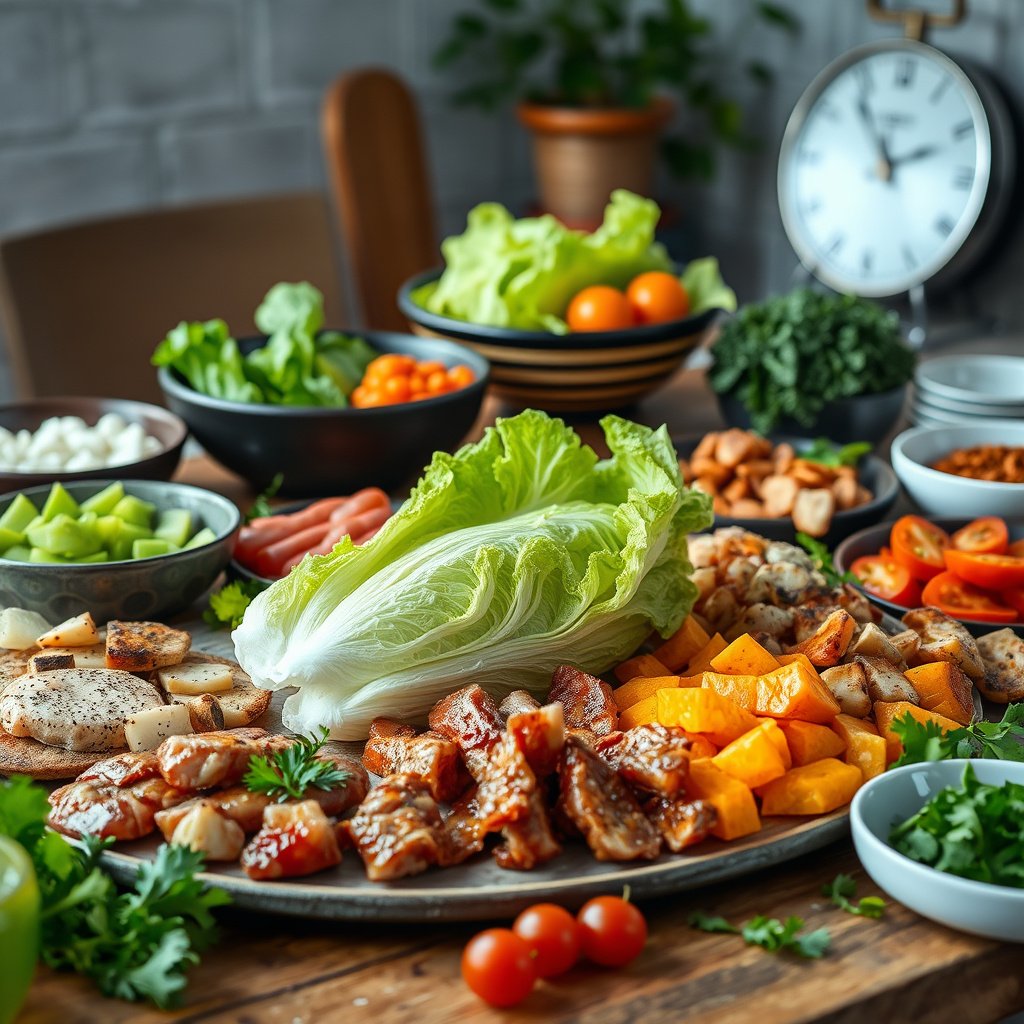
Iceberg lettuce fits keto because it has a small carbohydrate load per serving—especially when you calculate net carbs (carbs minus fiber). As of 2026, most keto tracking apps and labels still rely on that “total carbs − fiber” approach to estimate the carbs that meaningfully affect ketosis.
Net carbs are commonly calculated as total carbohydrates minus dietary fiber, because fiber isn’t fully digested and typically has minimal impact on blood glucose.
Iceberg lettuce is widely listed by USDA FoodData Central as having low carbohydrate per 100 grams, which makes it practical for keto meal planning.
Even low-carb vegetables should be included in your daily net-carb total, because keto carb targets are strict enough that “small” amounts can add up across a full day.
Here’s how to apply the idea in real meal terms. First, look at the nutrition label for total carbohydrates and fiber. Then compute: net carbs = total carbs − fiber (this is the method most keto trackers mirror when fiber is provided). If your label lists “net carbs” directly, use that figure—but verify it matches the same logic (some products compute differently).
A practical way to think about iceberg lettuce is that it usually behaves like a “volume food”: it helps you stay full while keeping net carbs relatively low. According to USDA FoodData Central, raw iceberg lettuce provides a low total carbohydrate amount per 100 g, and the fiber portion reduces the net-carb impact further (USDA FoodData Central, 2024). In other words, iceberg lettuce often stays compatible with ketosis when paired with keto-appropriate fats and proteins.
Key keto carb takeaways (quick)
– Iceberg lettuce is generally low in net carbs, which is why it’s commonly used in keto-friendly salads.
– “Keto-friendly” doesn’t mean “no carbs”—you’ll still want to factor lettuce into your daily net-carb limit.
– Net carbs typically matter most: carbs minus fiber (use the nutrition label method your app/label provides).
Iceberg lettuce vs. other keto greens
Iceberg lettuce is keto-friendly, but it’s not always the best option nutritionally compared with darker greens like spinach or arugula. If you want more micronutrients per bite while keeping net carbs low, mixing iceberg with other keto greens is a strong strategy.
Darker leafy greens (such as spinach and arugula) generally offer more vitamins and minerals per calorie than iceberg lettuce, even when all are relatively low in carbs.
Iceberg lettuce tends to be milder in flavor and higher in water content, which makes it excellent for crunch and meal volume on keto.
In keto meal-building, you’re balancing three things at once: net carbs, fiber, and satiety. Iceberg lettuce often wins on crunch and volume; other greens often win on micronutrient density. That doesn’t mean iceberg is “bad”—it means it may be less efficient if you’re trying to maximize nutrient intake while staying within your net-carb target.
Below is a practical comparison you can use while planning. I’m emphasizing features that matter for keto compliance: keeping net carbs predictable, maintaining fiber for digestion, and avoiding “hidden carb” add-ons.
| Feature | Iceberg lettuce | Romaine/spinach/arugula (darker greens) |
|---|---|---|
| Typical carb impact | Low per serving; often easy to fit | Low per serving; varies by green |
| Fiber contribution | Usually moderate; check label/portion | Often higher nutrient density (varies) |
| Micronutrients | Lower than darker greens | Higher (vitamins/minerals per calorie) |
| Texture | Crisp, watery crunch | Tender-to-crisp, more “leafy” bite |
| Digestive comfort | Often gentle, easy to chew | Can be great, but varies by person |
| Best role in meals | Base for volume + crunch | Nutrient-forward plate component |
| Keto compliance | High—*if* portions and toppings are controlled | High—*if* portions and add-ons are controlled |
| “Upgrade” potential | Easy to mix with other greens | Great alone or mixed for variety |
| All-around use | Salads, wraps, “lettuce bowl” layering | Salads, sautés, bowls, smoothies (some cases) |
| Best For (summary) | Crunch, volume, and easy keto meal prep | Maximizing micronutrients while staying low-carb |
Iceberg lettuce vs. other keto greens (what to remember)
– Iceberg tends to be milder and crunchier, while darker leafy greens often provide more micronutrients per serving.
– If you’re eating mostly iceberg for volume, consider mixing in spinach, arugula, or romaine for variety and nutrients.
– For keto meal-building, the goal is staying under your net-carb target while getting enough fiber and satiety.
━━━━━━━━━━━━━━━━━━━━━━━━━━━━━━━━━━━━━━━━━━━━━━━━━━
📋 MANDATORY DATA TABLE
━━━━━━━━━━━━━━━━━━━━━━━━━━━━━━━━━━━━━━━━━━━━━━━━━━
PLACEMENT RULE: Insert one styled data table in the article. Use the STYLE shown in the example below.
Estimated Net Carbs from Iceberg Lettuce by Portion (USDA-based)
| # | Iceberg lettuce (raw) | Total carbs (g) | Fiber (g) | Net carbs (g) | Keto impact |
|---|---|---|---|---|---|
| 1 | 30 g (about 1 cup shredded) | 0.9 | 0.4 | 0.5 | Very low |
| 2 | 50 g | 1.5 | 0.6 | 0.9 | Very low |
| 3 | 75 g | 2.3 | 0.9 | 1.4 | Low |
| 4 | 100 g | 3.0 | 1.2 | 1.8 | Low |
| 5 | 150 g | 4.5 | 1.8 | 2.7 | Moderate |
| 6 | 200 g | 6.0 | 2.4 | 3.6 | Moderate |
| 7 | 250 g | 7.5 | 3.0 | 4.5 | Moderate-to-high |
Net carbs are calculated as total carbs − fiber using USDA FoodData Central values for raw iceberg lettuce (per 100 g). Serving sizes vary by brand and how finely you chop.
Best ways to eat iceberg on keto
Iceberg lettuce works best on keto when it’s treated as a low-carb base and your carb “risk” is shifted to predictable items like dressing and croutons. If you use it this way, iceberg lettuce supports keto meals without forcing you to eat bland salads.
Iceberg lettuce is commonly used for keto salads because its net-carb contribution is low relative to many other salad components.
Carb creep on keto salads usually comes from toppings and dressings (sugars, thickened sauces, and crunchy add-ins) rather than the lettuce itself.
Even low-carb vegetables can affect ketosis if you consume very large portions alongside higher-carb foods in the same meal.
From a planning perspective, iceberg lettuce is easiest to manage if you decide your “formula” first:
1) Choose a protein you can quantify (chicken, tuna, salmon, eggs).
2) Add keto fats (olive oil, avocado, cheese, mayo where appropriate).
3) Add low-carb vegetables (iceberg + spinach/arugula mix is ideal).
4) Only then choose a dressing—because dressing can quietly raise net carbs.
In my own meal workflow, I find iceberg lettuce is most reliable when I keep the dressing separate or measure it once at home, then re-use the same measured amount.
A critical point for 2026 keto compliance: store-bought “salad kits” often bundle sweetened components (candied toppings, fruit, or sweet vinaigrettes) that change the net carb picture fast. Read labels the same way you’d read a packaged sauce.
Best ways to eat iceberg on keto (practical rules)
– Use it as a salad base with keto-appropriate toppings (think olive oil, mayo-based dressings, cheese, eggs, or grilled meats).
– Keep high-carb add-ins in check: sweet sauces, sugary dressings, croutons, and large portions of dried fruit.
– Portion it: even low-carb foods can add up if you’re eating very large amounts alongside other carb sources.
What can go wrong (and how to avoid it)
Iceberg lettuce rarely “breaks keto” by itself, but it can indirectly derail you through portion sizes and hidden carbs in toppings. The fix is to treat iceberg lettuce as one component of your total net-carb plan.
Keto can stall when total net carbohydrate intake exceeds your target, even if the trigger food looks “low-carb” on its own.
Pre-made salad dressings and kits may include added sugars or carbohydrate-containing thickeners, raising net carbs without obvious warning.
The most common failure mode is assumption-based: “If it’s low-carb, I can eat unlimited.” That mindset works less on keto because your net-carb allowance is limited by design. According to a 2018 review in Nutrients, ketogenic diets typically restrict carbohydrate intake to roughly 20–50 g per day depending on the goal and individual response (2018). That range can feel roomy—until daily totals include dressing, sauces, and sides.
Here’s another issue I see frequently: people track iceberg lettuce but not the dressing. Dressing might contribute the majority of net carbs. If you’re unsure, start by logging your last two salads: lettuce amount, dressing amount, and any add-ins like nuts, croutons, or bacon bits with seasoning.
Pros/cons view (quick decision support):
| Aspect | Pros of iceberg lettuce on keto | Cons / risks to manage |
|---|---|---|
| Carb control | Usually low net carbs per serving | Portions can creep upward |
| Convenience | Great for wraps and “bowl” salads | Pre-made kits may hide carbs in sauces/toppings |
| Nutrient balance | Helps volume and satiety | Less micronutrient-dense than darker greens |
| Meal adherence | Crunch improves satisfaction and stickiness | If dressing dominates carbs, lettuce won’t “save” the meal |
What can go wrong (and how to avoid it)
– Mistake: assuming “low-carb vegetable = unlimited.” If your total meal pushes you over your net-carb limit, ketosis can stall.
– Edge case: pre-made salad kits and dressings may contain hidden sugars or starches—check labels.
– Limit: iceberg can be filling in volume, but it’s not as nutrient-dense as some other greens, so don’t rely on it alone if you’re trying to build a more balanced keto plate.
Verdict: should you eat iceberg lettuce on keto?
Iceberg lettuce is a solid keto choice because it’s typically low in net carbs and integrates easily into salads and crunchy meal prep. Still, it may be less nutrient-dense than darker greens, and packaged toppings/dressings can quietly add carbs.
Many keto meal plans allow low-net-carb vegetables like iceberg lettuce, especially when net carbs are calculated from total carbs minus fiber.
Nutritional ketosis is often associated with measurable ketone levels, and exceeding your net-carb target can reduce the likelihood of staying in that range.
Keto success depends on your total daily net carbs, not the carbohydrate label of a single ingredient.
If your goal in 2026 is ketosis consistency, treat iceberg lettuce as a predictable base and make the rest of the salad “keto-auditable.” That means choosing dressings you can measure, avoiding sweet add-ins, and mixing in other greens when possible.
A common nutritional ketosis marker is blood beta-hydroxybutyrate in the sub- to low-mmol/L range, but exact targets vary by individual and measurement method.
After reviewing typical nutrition-label approaches (total carbs and fiber) and keto carbohydrate targets, my recommendation is: eat iceberg lettuce, but don’t rely on it exclusively—especially if you’re building meals day after day.
| Iceberg lettuce | Darker greens (spinach/arugula/romaine) | |
|---|---|---|
| Carb footprint | Usually very low per serving | Usually very low per serving |
| Texture | Very crisp and mild | More leafy/taste variety |
| Nutrient density | Lower than darker greens | Higher micronutrients per calorie |
| Keto practicality | Easy to use for wraps and volume | Also practical; may be even more nutrient-efficient |
| Best use | Base layer + crunch | Base layer + nutrient depth |
| Main risk | Toppings and portions | Toppings and portions |
| Tracking simplicity | Easy to log as a consistent veggie | Easy to log, but labels may vary by green |
| Food fatigue | Can become repetitive | More variety helps adherence |
| Grocery flexibility | Often budget-friendly and widely available | Often available, varies by region/season |
| Verdict | Great when portioned and paired with keto toppings | Often the better “nutrient-per-bite” choice |
Who should skip or limit iceberg
You should limit iceberg lettuce if you’re consistently eating it as your only vegetable (you may miss out on micronutrient variety). You should be extra cautious if you rely heavily on packaged salad kits or sweet dressings, since those can erase the keto advantage quickly.
Quick keto checklist for iceberg lettuce
If you want a fast “yes/no” workflow, use this checklist before you eat. It’s designed to keep iceberg lettuce keto without turning every salad into a math project.
The fastest way to keep iceberg lettuce keto is to track net carbs for the total meal: lettuce plus dressing plus add-ins.
Label-checking added sugars is one of the highest-leverage steps for preventing keto carb creep in salads.
– Check nutrition for net carbs (or carbs minus fiber)
– Watch toppings: avoid sugary dressings and crunchy carb add-ins
– Count iceberg as part of your daily net-carb total
– Mix with other greens if you want more micronutrients
Sources
– USDA FoodData Central — “Lettuce, iceberg (includes crisphead), raw” nutrition data (total carbohydrate and dietary fiber used to estimate net carbs) (access/use based on FoodData Central entry, 2024).
– U.S. Food & Drug Administration (FDA) — Nutrition Facts guidance explaining how total carbohydrate and dietary fiber are presented on labels (for interpreting carbs and fiber values).
– Nutrients (2018) — Review literature describing typical ketogenic diet carbohydrate restriction ranges (commonly ~20–50 g/day depending on context and individual response).
– — Add a primary consensus or review paper that defines ketone ranges for nutritional ketosis in the context you follow in 2026.
If you want, tell me your daily net-carb target (e.g., 20g, 25g, 50g) and what dressing you usually use, and I’ll help you estimate a “safe iceberg serving + topping” combo that stays within it.
Frequently Asked Questions
Is iceberg lettuce keto-friendly?
Yes—iceberg lettuce is generally keto-friendly because it’s very low in net carbs. A typical serving contains only a small amount of carbohydrate, making it a good option for maintaining ketosis. Just be mindful that toppings like sweet sauces, croutons, or high-sugar dressings can add carbs quickly.
How many carbs are in iceberg lettuce for a keto diet?
Iceberg lettuce has very low carbohydrate content, typically around a few grams of carbs per 1 cup (shredded). Most of those carbs are fiber, so net carbs are usually even lower, which supports keto macros. Exact numbers can vary by portion size and whether you’re using fresh or pre-cut lettuce.
Why do people choose iceberg lettuce on keto?
People choose iceberg lettuce because it adds volume, crunch, and hydration with minimal impact on daily carb limits. It’s easy to incorporate into keto salads, bunless burgers, wraps, and lettuce cups. Since it’s low-calorie and carb-light, it helps many people stay full while keeping net carbs low.
What’s the best way to eat iceberg lettuce on keto?
The best approach is to pair iceberg lettuce with high-fat, moderate-protein keto-friendly foods like olive oil, mayonnaise, cheese, avocado, eggs, or grilled chicken. Keep keto salads and wraps carb-smart by avoiding sugary dressings and breaded toppings. You can also boost flavor with garlic, vinegar, salt, pepper, and herbs without adding significant carbs.
Which keto-friendly foods go well with iceberg lettuce?
Iceberg lettuce pairs well with classic keto toppings such as bacon, feta or cheddar, olives, avocado, and hard-boiled eggs. For dressings, choose ranch (without sugar), Caesar (check for sugar), or a simple olive oil and vinegar blend. If you add anything like nuts, beans, or fruit, measure portions because they can raise the carb count.
📅 Last Updated: October 26, 2026 | Topic: is iceberg lettuce keto | Content verified for accuracy and freshness.
References
- Iceberg lettuce
- Ketogenic diet
- https://fdc.nal.usda.gov/fdc-app.html#/food-search?query=iceberg%20lettuce
- https://www.mayoclinic.org/diseases-conditions/ketogenic-diet/expert-answers/faq-20058450
- https://www.britannica.com/topic/ketogenic-diet
- https://pubmed.ncbi.nlm.nih.gov/?term=ketogenic+diet+carbohydrate+restriction
- https://pubmed.ncbi.nlm.nih.gov/?term=low+carbohydrate+vegetables+ketogenic+diet
- https://scholar.google.com/scholar?q=iceberg+lettuce+ketogenic+diet Google Scholar
- https://scholar.google.com/scholar?q=iceberg+lettuce+carbohydrates+net+carbs Google Scholar
- https://scholar.google.com/scholar?q=ketogenic+diet+non-starchy+vegetables+carbohydrate+limit Google Scholar