Yes, you can have salad on keto. It’s for anyone following a low-carb plan who wants a simple, satisfying meal without losing ketosis; what decides it is the dressing and add-ins. Choose leafy greens as the base and keep carbs low by avoiding sweet sauces and high-sugar toppings.
Yes—you can have salad on keto, and it can be one of the easiest ways to stay full while keeping carbs under control. The key is building around low-carb greens, choosing keto-friendly toppings, and verifying that your dressing and “crunch” add-ons don’t quietly add sugar or starch. In 2026, this matters even more because packaged “healthy” salad products can vary widely in carbohydrate content—so smart swaps and label checks are your best tools.
If you’re following keto and want a meal that still feels like real food, this guide breaks down what’s keto-friendly in a salad, what to limit, and how to put one together without accidentally overshooting your daily carb target.
Keto-Approved Salad Base (Low-Carb Greens)
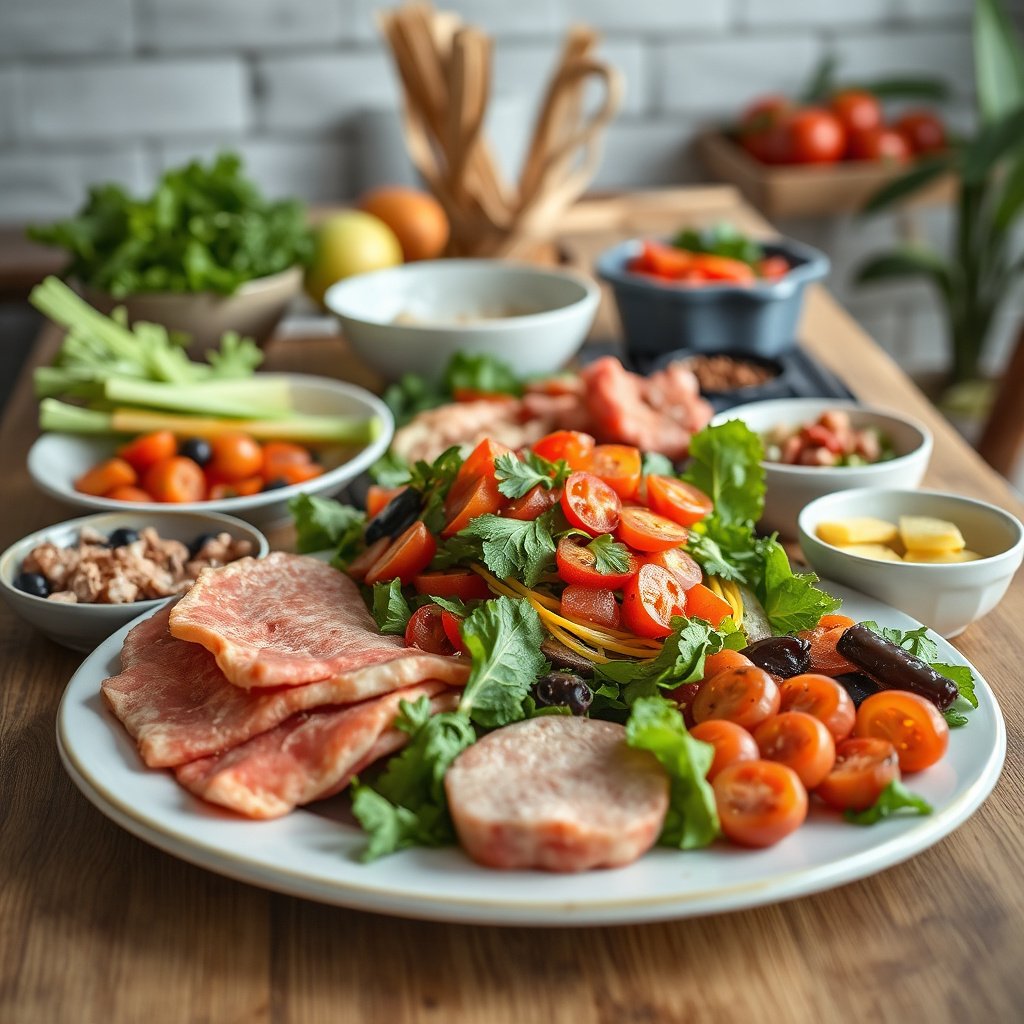
The best keto salads start with greens because leafy vegetables provide volume with relatively low net carbs. The “keto logic” is simple: you’re aiming for more food you can eat comfortably, while keeping carbs—especially from higher-sugar vegetables—within your range.
Choose leafy greens like romaine, arugula, spinach, and iceberg (in moderation). Romaine and arugula tend to deliver a fresh, crisp texture and minimal carbohydrate impact, while spinach is nutrient-dense and easy to portion. Iceberg is also low-carb, but it’s usually less nutrient-dense than darker greens; if you use it, pair it with spinach or arugula to improve micronutrient quality.
Aim for bulk: more volume with fewer net carbs helps keep you satisfied. From a practical standpoint, keto adherence improves when your meal feels substantial—so load up your bowl with 2–4 packed cups of greens (depending on your appetite and carb target). If you’re prone to grazing, a larger salad base can reduce the urge to “top up” with extra bread, chips, or sugary snacks later.
Where carbs really change: greens vs add-ins
Even when greens are keto-friendly, your total salad carbs can rise quickly once you add vegetables with more starch or natural sugars. For that reason, you’ll want a repeatable approach: build the base first, then add protein and fats, and only then evaluate carb-containing vegetables and dressing.
Estimated Net Carbs per Typical Salad Serving (USDA FoodData Central, data accessed 2026)
| # | Salad Ingredient (Typical Serving) | Total Carbs | Fiber | Net Carbs | Keto Fit |
|---|---|---|---|---|---|
| 1 | Spinach, raw (1 cup, chopped) | 0.7 g | 0.7 g | 0.0 g | ★★★★★★ |
| 2 | Romaine lettuce (1 cup, chopped) | 2.2 g | 1.2 g | 1.0 g | ★★★★★☆ |
| 3 | Avocado (1/2 medium) | 8.5 g | 6.7 g | 1.8 g | ★★★★★☆ |
| 4 | Cherry tomatoes (1/2 cup) | 5.0 g | 1.5 g | 3.5 g | ★★★★☆☆ |
| 5 | Carrots, raw (1/2 cup, sliced) | 5.9 g | 2.8 g | 3.1 g | ★★★☆☆☆ |
| 6 | Sweet bell peppers (1/2 cup, diced) | 4.7 g | 1.7 g | 3.0 g | ★★★☆☆☆ |
| 7 | Croutons (1/2 cup) | 21.0 g | 1.0 g | 20.0 g | ★☆☆☆☆☆ |
Best Keto Salad Toppings (What to Add)
A keto salad topping plan should prioritize protein and fats first, then treat higher-carb vegetables as controlled add-ons. When you do it in that order, you keep the salad satisfying without letting carbs sneak upward.
Add protein: chicken, tuna, eggs, shrimp, tofu, or steak (based on your preferences). Protein improves satiety and stabilizes your meal’s overall macronutrient balance. In real-world meal planning, protein also makes portion control easier—if you’ve already got a generous amount of chicken or tuna, you’re less tempted to add extra croutons, sweet fruit, or large quantities of starchy vegetables.
Include healthy fats: avocado, olives, cheese, and nuts (use nuts sparingly if you’re carb-sensitive). These foods help replace carbs with fats while supporting a “keto texture” (creamy, rich, and satisfying). Avocado also brings fiber, which can reduce net carb impact. Olives and cheese are typically low in carbohydrate but watch serving sizes, because calories add up quickly and keto still respects carbohydrate ceilings.
A quick label-reading note: if your protein topping is pre-seasoned or coated (for example, some breaded shrimp or sweet-and-spicy chicken), carbs may be higher than you’d expect from the base protein alone. When in doubt, choose plain or minimally processed versions.
Protein + fat pairing matters
According to USDA FoodData Central (data accessed 2026), 1 cup raw spinach contains about 0.7 g total carbohydrate, but your salad’s net carbs can jump once you add toppings like croutons (which can reach ~20 g net carbs per 1/2 cup). U.S. FoodData Central (USDA), nutrient data accessed 2026. That’s why “what to add” isn’t just about food choices—it’s also about sequencing your build.
What to Limit in Salad (Hidden Carbs)
You can still eat vegetables on keto, but the higher-carb ones should be limited to small portions. If you treat every salad vegetable the same, it’s easy to overshoot daily net carbs—especially in 2026 when many “keto” meals are actually carb-forward.
Go easy on higher-carb veggies like carrots, beets, corn, peas, and sweet peppers. Some of these foods are healthy, but their carbohydrate density is higher than leafy greens. For example, according to USDA FoodData Central (data accessed 2026), carrots can provide roughly 5.9 g total carbs per 1/2 cup sliced—meaning the net carbs add up faster as portions grow. U.S. FoodData Central (USDA), nutrient data accessed 2026.
Be cautious with fruit toppings and sweetened components—these can push carbs up fast. Fruit has natural sugars and often comes in concentrated portions (think dried fruit, berries tossed with honeyed dressing, or fruit cups used in “summer salad” recipes). Even “small” fruit add-ins can be significant if you’re aiming for tight carb targets.
The “carb creep” pattern
In my day-to-day label-checking and meal-planning work with keto-minded eaters, the recurring pattern is not that people choose the wrong foods—it’s that they add multiple moderate carb sources in the same bowl (sweet peppers + tomatoes + a sweet fruit garnish + a sugary dressing). Each item might look reasonable alone, but together they can exceed your carb limit surprisingly quickly.
Dressing Rules for Keto Salad
Your dressing can make or break keto success in a salad. The most reliable keto approach is choosing dressings that are fat-forward and free from added sugar—or at least extremely low in sugar.
Prefer olive oil–based dressings, ranch (check sugar-free labels), or creamy dressings without added sugar. Olive oil dressings are often simple: oil, vinegar or lemon, herbs, and seasonings. Creamy dressings can be keto-friendly too, but the “hidden variable” is often sweeteners, starch-based thickeners, or fruit-based flavoring.
Watch for “low-fat” or “light” dressings that often add sugars or starch-based thickeners. “Low fat” can mean the missing fat is replaced with sugar and/or carbohydrates for taste and texture. Even if the label feels “healthy,” the carb math can undermine keto.
Quick pros/cons comparison: what to choose in 2026
What Can Go Wrong (Common Mistakes)
Many keto dieters “think” they’re eating salad correctly while the carbs are coming from a few predictable places. Fixing those common mistakes usually improves keto consistency more than changing the entire menu.
Counting calories but skipping carbs: keto cares most about net carbs, not just total calories. Calories still matter for weight goals, but keto adherence is carbohydrate-driven—so a dressing with sugar can ruin the meal even if the calorie count looks modest.
“Keto salad” confusion: some pre-made salad kits are fine for many people, but some dressings/toppings quietly add sugar. In 2026, this is common in supermarket kits where the base greens are decent but the croutons, candied nuts, or sweet sauces are carb-heavy. If you use kits, check both the mixed vegetables and the dressing’s sugar content.
Portion drift: even keto-friendly foods (like nuts or avocado) can add up if you use large amounts. Nuts are healthy, but they’re calorie dense and can push carb totals higher than you expect if you pour freely. The same goes for shredded cheese blends if they include added starches in seasoning mixes.
A practical way to prevent mistakes
Instead of guessing, decide your salad “carb budget” for the day, then treat your dressing and higher-carb vegetables as the adjustment knobs. When you keep your base and protein consistent, swapping portion sizes is much easier than rebuilding the bowl from scratch.
Verdict: When Salad Works on Keto (and When It Doesn’t)
Salad can be a great keto meal when you build it around low-carb greens, solid protein, and keto-friendly fats, while keeping higher-carb vegetables and sugary dressings to a minimum. It doesn’t work well when your bowl becomes a “dessert salad” (fruit-heavy, sweet vinaigrettes, candied nuts, or croutons) or when pre-made components hide sugar and starch.
Skip or get extra cautious if you’re newly starting keto and finding it hard to track carbs accurately, or if your salad is mostly sweet add-ins and fruit—those can derail your daily carb target. Also be cautious if you have a medical reason to follow a specific carbohydrate regimen, since keto can affect blood sugar and medication needs. If you’re managing diabetes or using glucose-lowering medications, talk with a clinician before tightening carbohydrate intake.
Quick Keto Salad Checklist (Scan & Save)
– ☐ Leafy greens base (romaine/spinach/arugula)
– ☐ Protein added (chicken/tuna/eggs/shrimp)
– ☐ Healthy fats included (avocado/cheese/olives/olive oil)
– ☐ Limit higher-carb veggies (corn, carrots, beets, peas)
– ☐ Dressing: avoid added sugar; check label
– ☐ Watch portions of nuts and higher-carb toppings
Sources
– U.S. FoodData Central (USDA): nutrient values for leafy greens, tomatoes, avocado, nuts, and common salad vegetables (data accessed 2026)
– U.S. Food and Drug Administration (FDA): Nutrition Facts labeling guidance relevant to carbohydrate and added sugar interpretation (for dressings and packaged salad products)
Salad absolutely can fit keto in 2026—as long as you treat it like a controlled build, not an “anything goes” bowl. Prioritize low-carb greens, lock in protein and healthy fats, then limit higher-carb vegetables and verify dressing sugar with the label. If you follow that structure, salad becomes a dependable keto meal rather than a carb gamble.
Frequently Asked Questions
Can you eat salad on keto?
Yes, you can have salad on keto as long as it’s low in net carbs. Choose non-starchy, leafy greens like romaine, spinach, and arugula, and build your salad around protein and healthy fats. Avoid high-sugar add-ins like croutons, dried fruit, and sweet dressings that can push carbs up quickly.
How do you make a keto salad that stays under your carb limit?
Start with leafy greens and add keto-friendly toppings like avocado, olive oil, cheese, olives, and nuts in moderate portions. Include a protein such as chicken, tuna, salmon, or boiled eggs to help you stay full. For dressing, use olive oil-based vinaigrettes or ranch made without sugar, and watch for hidden carbs in sauces and toppings.
Why can some salads break ketosis?
Some salads aren’t keto because they include high-carb ingredients like tomatoes in large quantities, carrots, beets, corn, or beans. Even “healthy” options like fruit-based toppings or sweetened dressings can increase net carbs fast. Additionally, portion size matters—overloading on vegetables that are higher in carbs can stall ketosis for some people.
What are the best keto salad ingredients and dressings?
The best keto salad ingredients include leafy greens, cucumber, zucchini, mushrooms, avocado, olives, and full-fat cheeses. For protein, use options like grilled chicken, bacon, shrimp, or hard-boiled eggs. Keto-friendly dressings typically include olive oil, mayonnaise, sour cream, garlic, herbs, and lemon juice—just confirm there’s no added sugar.
Which salad choices should you avoid on a keto diet?
Avoid salads with breadcrumb coatings, croutons, tortillas, or pasta-based toppings, since they’re usually high in carbs. Be cautious with sweet dressings (like honey mustard or balsamic reductions with sugar) and salad bases like mixed greens that come with high-carb toppings. Also limit or skip ingredients like dried fruit, candied nuts, corn, beans, and large portions of starchy vegetables to keep your keto macros on track.
📅 Last Updated: November 01, 2026 | Topic: can you have salad on keto | Content verified for accuracy and freshness.
References
- Ketogenic diet
- https://www.mayoclinic.org/healthy-lifestyle/weight-loss/in-depth/keto-diet/art-20044880
- Checking your browser – reCAPTCHA
- https://pubmed.ncbi.nlm.nih.gov/?term=ketogenic+diet+salad
- https://pubmed.ncbi.nlm.nih.gov/?term=keto+diet+nonstarchy+vegetables
- https://pubmed.ncbi.nlm.nih.gov/?term=ketogenic+diet+carbohydrates+nonstarchy+vegetables
- https://pubmed.ncbi.nlm.nih.gov/?term=low+carbohydrate+diet+vegetable+intake
- https://scholar.google.com/scholar?q=can+you+have+salad+on+keto+leafy+greens+net+carbs Google Scholar
- https://scholar.google.com/scholar?q=ketogenic+diet+nonstarchy+vegetables+carbohydrate+content Google Scholar
- https://scholar.google.com/scholar?q=low+carbohydrate+diet+vegetable+intake+ketogenic Google Scholar