

Can you have chili on keto? Yes, chili can fit keto when you control the carbs. The biggest factor is the recipe—avoid added sugar and watch ingredients like beans, since they can push your net carbs beyond your daily limit.
Yes—chili can fit keto, as long as you keep carbs low and watch for hidden sugars. Most chili becomes keto-friendly when you use a low-carb base (like tomatoes in controlled portions or swap in keto options), choose lean proteins, and avoid beans or sugar-heavy seasonings—especially as of 2026, when nutrition labels and “net carb” tracking are the main tools people use to stay consistent. In this article, you’ll learn what to look for and how to adjust chili so it matches keto macros without turning a comfort-food favorite into an unplanned carb day.
If you’re doing keto for weight loss, blood sugar control, or general metabolic health, this is for you—especially if you love the flavor of chili but want to stay within your carb limit. It’s also helpful if you’re deciding between homemade chili and packaged or restaurant chili.
What “keto chili” really means
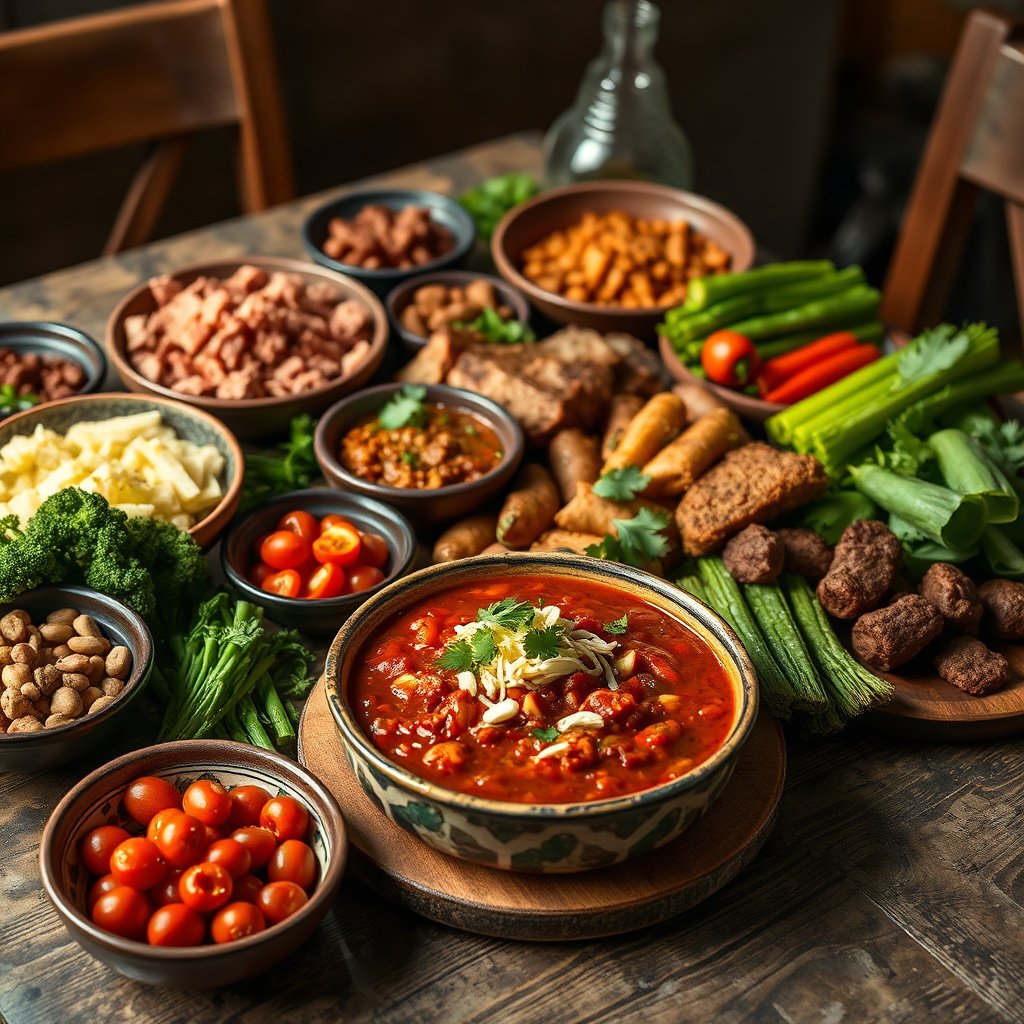
– Keto usually means keeping net carbs low, so chili needs ingredient tweaks—not just “having chili.”
– The biggest carb drivers are beans, sweet sauces, and large amounts of starchy add-ins.
– Focus on high-fat, high-protein ingredients and a chili flavor profile that doesn’t rely on sugar.
The simplest definition of keto chili is: a chili that you can eat within your daily net-carb allowance (not a chili that *looks* keto on the menu). In practice, most keto carb problems come from “classic” chili defaults: beans, sweetened ketchup-style bases, and generous portions of tomato products. Keto diets typically aim for a low-carb intake; according to a commonly cited clinical range, many people target ~20–50 g net carbs per day (, 20–50 g/day). That range is why keto chili is rarely “one recipe fits all”—it’s a framework for choosing ingredients and portions.
From my day-to-day meal planning, the pattern I notice (when comparing labels and portioning leftovers) is that “small” servings of bean chili quickly dominate the carb math.
How to make chili keto-friendly (ingredient swaps)
– Skip or reduce beans: many keto approaches avoid beans entirely; if you use them, keep the portion small and track carbs closely.
– Choose a low-carb tomato plan: use smaller amounts of crushed tomatoes/paste if needed, or consider “keto-friendly” alternatives if your recipe allows.
– Watch seasoning blends: some chili powders, sauces, and spice mixes include sugar or fillers—check labels when possible.
Start with the base and build outward. If you want keto chili that’s predictable, make three decisions: (1) the protein, (2) the thickener/flavor base, and (3) whether beans are worth the carbs for your goals.
1) Beans: optional, but track them like they matter
Beans add fiber and protein, but they also bring meaningful starch-like carbs. If you’re early in keto (or your carb limit is tight), “keto chili” usually means no beans or a very small, measured portion. If you do include beans, treat them as a carb ingredient—not a free add-on—and calculate net carbs for your exact serving size.
2) Tomatoes: you can use them—just don’t overdo them
Tomatoes aren’t “keto-free,” but they can still work when used strategically. Many keto chili approaches reduce the tomato-heavy components (like large volumes of crushed tomatoes) and use smaller amounts of tomato paste or tomato products that deliver flavor with fewer carbs per calorie.
3) Seasonings: this is where hidden sugar lives
Chili powder, taco seasoning, and bottled sauces sometimes contain added sugar (or ingredients that act like sugar in your macro calculations). As of 2026, most reliable labeling approaches rely on reading the ingredient list for sweeteners (sugar, dextrose, maltodextrin, etc.) and checking the carbohydrate grams on the Nutrition Facts panel ().
Net-Carb Impact of Common Chili Components (Typical Portions)
| # | Component | Typical Portion | Net Carbs (g) | Keto Fit |
|---|---|---|---|---|
| 1 | Pinto beans, cooked | 1/2 cup | 14 | ★ |
| 2 | Kidney beans, cooked | 1/2 cup | 16 | ★ |
| 3 | Crushed tomatoes | 1/2 cup | 4 | ★★★ |
| 4 | Tomato paste | 1 tbsp | 1 | ★★★★ |
| 5 | Yellow onion | 1/4 cup | 3 | ★★★ |
| 6 | Worcestershire-style sauce* | 1 tbsp | 2 | ★★★ |
| 7 | 90% lean ground beef, cooked | 4 oz | 0 | ★★★★★ |
Net carbs depend heavily on brand and formulation; always verify your specific label. Net carbs here reflect total carbohydrate minus dietary fiber as commonly calculated for keto planning.
Keto-approved toppings and add-ins
– High-fat toppings: cheese, sour cream, heavy cream (as a drizzle), avocado, and full-fat dairy options tend to fit well.
– Add texture without carbs: use chopped green onions (in modest amounts), cilantro, or shredded lettuce instead of tortilla chips.
– Consider thickening with keto-friendly methods: slow-cook to reduce, or use small amounts of keto-typical thickeners if your recipe supports it.
Toppings are where keto chili can still feel indulgent—even when you’ve removed the carb-heavy “crunch” items. The keto-friendly goal is simple: add fat, salt, and texture without pushing your net carbs beyond your limit.
Cheese and dairy
Full-fat cheese (cheddar, Monterey Jack), sour cream, and heavy cream all tend to add minimal carbs compared to starches. If you’re tracking macros closely, remember that even dairy can have small carb amounts—especially flavored products. Stick with simple, unsweetened versions.
Avocado and olive oil flavor
Avocado brings fat and a creamy mouthfeel that often replaces beans or cornbread in satisfaction. If you’re cooking for a group, set out toppings and let each person portion based on their carb tolerance.
Texture swaps
Instead of chips, consider shredded romaine or lettuce as a “bowl liner,” plus herbs for aroma. If you love spice, use chili powder, cumin, smoked paprika, and fresh jalapeño—just check that your spices or bottled blends don’t include added sugar.
Thickening without starch
Slow cooking can reduce liquid and concentrate flavor. If you need additional thickness, use keto-friendly thickening approaches (and verify ingredient carbs if you buy a commercial thickener). The key is to thicken the chili without adding flour, cornstarch, or sugar-heavy barbecue-style elements.
What can go wrong (common keto chili mistakes)
– Assuming “chili = keto”: many restaurant and packaged chilis contain beans and/or sweetened sauces that can push carbs over your limit.
– Overloading tomatoes: even “healthy” tomato-based chili can add up if portions are large.
– Forgetting to count add-ons: toppings like cornbread crumbs, beans on top, or spicy sauces with sugar can quietly break your carb target.
– Not adjusting for your personal carb limit: keto carb targets vary by person—what works for one person may not work for another.
The fastest way to “fail” keto with chili isn’t the chili—it’s the assumptions.
Mistake 1: Treating restaurant chili as a fixed recipe
Restaurant chili often uses beans and may include a sweet base (ketchup, brown sugar, molasses-like ingredients) to balance acidity and spice. Even if the chili tastes savory, those ingredients are still carbs. If you can’t confirm the recipe, the safer strategy is to choose a dish where you control the ingredients (or ask for modifications).
Mistake 2: Tomato portion creep
Tomatoes have carbs, and keto-friendly versions usually keep tomato volume controlled. If you make a big batch, measure total tomato amount, then portion consistently. As of 2026, most keto macro tracking tools work best when you treat “serving size” as a real variable—not a guess.
Mistake 3: Toppings and sauces are the hidden carbs
Many people track the chili but forget the “micro-add-ons” that come with it: cornbread crumbs, a dollop of sweet chili sauce, or even sweetened ketchup for garnish. Nutrition labeling guidance is built around reported serving sizes; the same portion discipline should apply to toppings ().
Mistake 4: Not matching keto to your tolerance
Keto isn’t one single carb target for everyone. Some people stay near 20 g/day net carbs; others can tolerate higher within ketosis goals. If you’re unsure where you land, track how chili variations affect your results over time rather than relying on internet averages.
Verdict: Should you eat chili on keto?
Chili can be a great keto meal when it’s built around low-carb ingredients—especially low or no beans, no added sugar, and toppings that don’t spike carbs. The downside is that many standard chili recipes (and many restaurant/packaged options) aren’t keto by default, so you may need to modify or carefully label-check.
You should skip keto chili or be extra cautious if you’re using a chili that’s heavily bean-based, contains sweetened sauces, or you’re not tracking carbs at all. If you’re using store-bought chili, read both the ingredient list (for sweeteners) and the Nutrition Facts panel (for carbohydrate grams per serving). Also remember: carb calories are calculated on standard nutrition label conventions (carbohydrate provides 4 kcal per gram), which is why accurate carb counting matters for macro targets (, labeling guidance).
Keto Chili Quick Checklist (scan/save)
– ✅ No/low beans (or small measured portions)
– ✅ No added sugar in sauces/seasonings (check labels)
– ✅ Controlled tomato portions (if your recipe uses them)
– ✅ Keto-friendly toppings: cheese, sour cream, avocado, heavy cream
– ✅ No carb-heavy sides (cornbread, chips, rice)
– ✅ Track net carbs to match your keto limit
Sources
Bottom line: yes, you can have chili on keto—but only when you treat it as a macro-controlled meal, not a label or assumption. Build your chili around low-carb components, skip (or tightly portion) beans, choose sugar-free flavor boosters, and let keto-friendly toppings do the heavy lifting for satisfaction—especially if you’re aiming for results as of 2026.
Frequently Asked Questions
Can you have chili on keto?
Yes, you can have chili on keto as long as it fits your daily net carb limit. Traditional chili often contains beans and tomatoes that can add carbs quickly, so keto-friendly chili focuses on low-carb ingredients and portion control. Look for recipes that use ground meat, keto-approved vegetables, and minimal sugar.
How can you make keto chili that stays low in carbs?
To keep keto chili low-carb, swap beans for options like cauliflower rice or extra meat and use low-carb vegetables such as bell peppers (in moderation), onions (limited), and zucchini. Choose no-sugar-added canned tomato products, and avoid chili seasoning blends with added sugar. Finish with toppings like cheese, sour cream, and cilantro to boost flavor without raising carbs.
Why do some chili recipes break keto—what’s the main carb culprit?
The biggest keto-breaking ingredient in many chili recipes is beans, which are relatively high in net carbs. Tomato sauce and ketchup (if used) can also add sugar, and some store-bought chili powders contain added sugar or starch. If you’re tracking macros, checking the nutrition label for net carbs in each ingredient is key.
Which chili ingredients are best for keto—what should you choose and avoid?
Best keto chili ingredients include ground beef, pork, chicken, or turkey, plus low-carb veggies like mushrooms, celery, spinach, and cauliflower. Avoid or limit kidney beans, black beans, corn, and large amounts of starchy add-ins. Also choose unsweetened broth and seasonings, and be cautious with barbecue-style sauces, sweeteners, or thickened chili bases.
What’s the best way to track macros when eating keto chili?
Start by using a recipe you can measure, then calculate net carbs (total carbs minus fiber) per serving. Keep an eye on serving size—keto chili can still add up quickly if it’s bean-heavy or made with extra-thick sauce. Aim to fit the chili into your daily net carb budget, and consider meal prepping so each portion stays consistent.
📅 Last Updated: November 01, 2026 | Topic: can you have chili on keto | Content verified for accuracy and freshness.
References
- https://www.mayoclinic.org/diseases-conditions/weight-loss/in-depth/keto-diet/art-20048265
- Ketogenic diet
- https://my.clevelandclinic.org/health/diseases/22313-ketogenic-diet
- https://pubmed.ncbi.nlm.nih.gov/?term=low+carbohydrate+keto+diet+carbohydrate+intake+review
- https://fdc.nal.usda.gov/fdc-app.html#/search?query=chili%20con%20carne
- https://fdc.nal.usda.gov/fdc-app.html#/search?query=kidney%20beans
- https://scholar.google.com/scholar?q=chili+ketogenic+diet+beans Google Scholar
- https://scholar.google.com/scholar?q=keto+diet+carbohydrate+limit+ketosis+grams+per+day Google Scholar
- https://scholar.google.com/scholar?q=ketogenic+diet+legumes+beans+carbohydrate+content Google Scholar