Yes—Parmesan cheese is keto-friendly and can fit into most ketogenic diets because its carbohydrate content is very low. You can learn how many carbs you’ll be consuming per serving, what nutrients make it worth including, and the easiest ways to use it for flavor without exceeding your daily carb limit. With a quick label check and a simple serving strategy, you can start using it in minutes.
Yes—parmesan cheese is generally keto-friendly because it’s very low in net carbs and high in fat and protein. You can use it to add flavor to keto meals, but check the label for carb count since nutrition can vary by brand and whether it’s pre-shredded or flavored.
If you’re doing keto (or low-carb) and wondering whether parmesan will fit your daily carb limit, this guide breaks down what to look for, typical carb ranges, and smart ways to include it without accidentally going over. You’ll also see common pitfalls to avoid, especially when shopping for “parmesan-style” or packaged shredded cheese. As of 2026, label differences are still the #1 reason people are surprised by their carb total—so the right reading habit matters as much as the cheese itself.
What Makes Parmesan Keto-Friendly
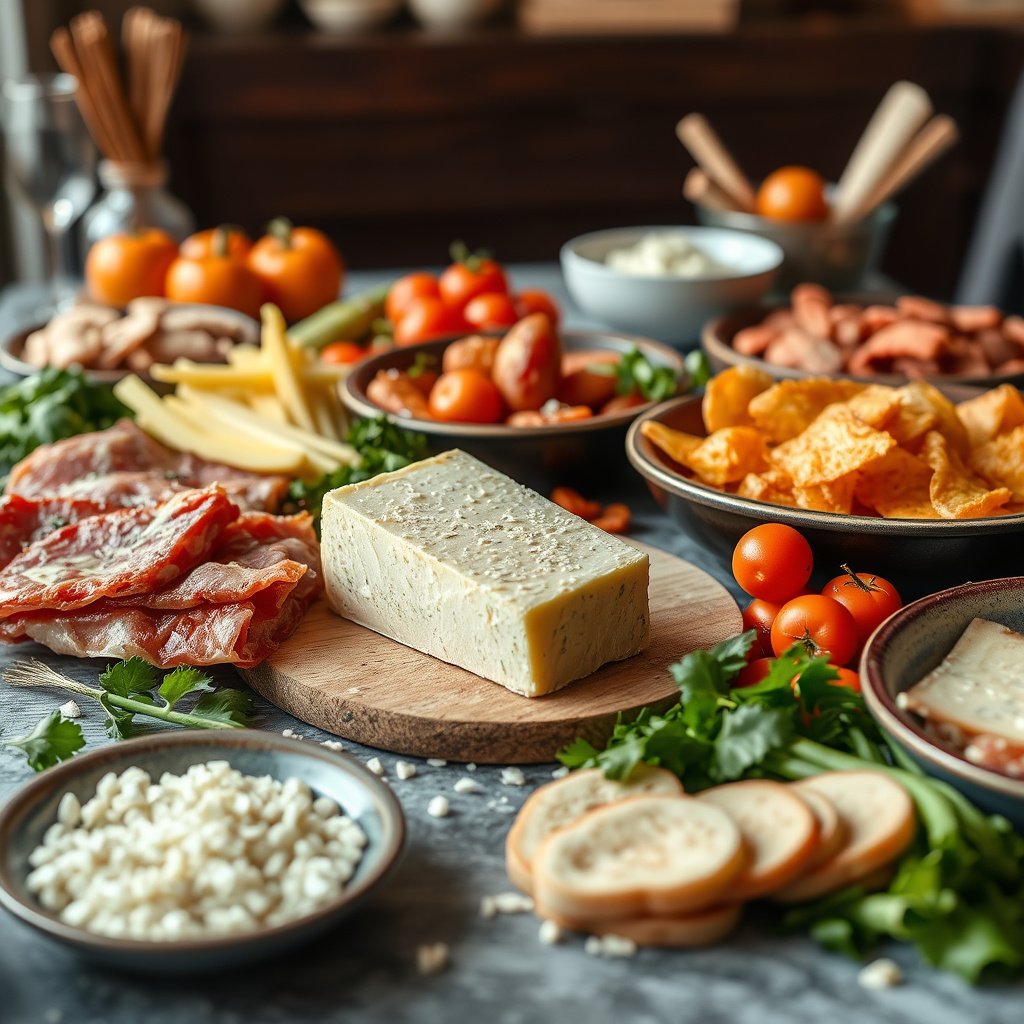
Parmesan cheese fits keto for most people because it delivers mostly fat and protein with minimal carbohydrate. For keto planning, the practical “keto math” comes down to net carbs (total carbs minus fiber), and parmesan typically lands low on that number.
Here’s why parmesan cheese usually works well in keto macros:
– Parmesan is mostly fat and protein, which fit well with keto’s low-carb approach.
– The key number to watch is net carbs per serving (often listed as total carbs minus fiber).
– Carbs are usually low, but brand differences and additives (especially in pre-shredded cheese) can change the total.
To make that concrete, the nutrition profile of parmesan cheese is consistently carbohydrate-light. According to USDA FoodData Central, parmesan cheese (grated) per 1 oz (28 g) provides about 0.9 g total carbohydrate, with 0 g fiber (meaning net carbs are essentially the same as total carbs), plus roughly 110 calories, ~7 g fat, and ~10 g protein (USDA FoodData Central). That “low carb, high satiety” mix is exactly what most keto eaters look for.
That said, parmesan cheese still isn’t a universal constant. Pre-shredded or “parmesan-style” products sometimes include anti-caking agents or added ingredients that can slightly shift the total carbohydrate and, in rare cases, push nutrition beyond what you expect. In 2025–2026, it’s still common to see meaningful label differences even between brands that claim similar flavor.
How to Check Nutrition Labels (Fast)
Parmesan cheese can fit keto confidently once you read the label correctly, because the serving size and carb definition drive the outcome. In practice, the “fast check” is quick: identify carbs, confirm serving size, and verify whether fiber is present (since net carbs depend on it).

Use these steps for parmesan cheese every time:
– Find the “carbohydrates” line and calculate/confirm net carbs (or use the net carbs figure if the label provides it).
– Compare serving size carefully—many labels use 1 oz, but some use smaller or larger portions.
– If it’s “fresh,” “shredded,” or “grated,” scan ingredients for added starches or anti-caking agents that can slightly increase carbs.
One practical note: “net carbs” isn’t an officially standardized term on every label. Many brands calculate net carbs as total carbohydrate minus fiber, but some also subtract sugar alcohols (if present). Parmesan cheese commonly has little to no fiber anyway, so net carbs often track closely to total carbs for typical parmesan formats (block vs. grated). That’s why checking the carbohydrate line—rather than relying on marketing alone—is still the best method.
Parmesan Net-Carb Room by Keto Daily Limit (per 1 oz serving)
| # | Keto net-carb target (g/day) | Net carbs per 1 oz parmesan (g) | Max ~1 oz servings |
|---|---|---|---|
| 1 | 20 | 0.9 | 22 |
| 2 | 25 | 0.9 | 27 |
| 3 | 30 | 0.9 | 33 |
| 4 | 35 | 0.9 | 38 |
| 5 | 40 | 0.9 | 44 |
| 6 | 45 | 0.9 | 50 |
| 7 | 50 | 0.9 | 55 |
That table is intentionally simple: it uses 0.9 g net carbs per 1 oz parmesan as a planning baseline (based on USDA FoodData Central for parmesan cheese, grated) (USDA FoodData Central). For many keto plans, daily carb targets often fall around 20–50 g net carbs/day, according to common clinical guidance (Cleveland Clinic). Your actual number can change based on brand, form, and portion size—especially if you’re using pre-shredded parmesan.
Best Ways to Use Parmesan on Keto
Parmesan cheese works best on keto when you use it for flavor “boosting” rather than relying on it as a hidden carb source. The safest approach is portion-aware seasoning: add it where you’d otherwise use a higher-carb ingredient, and track once so your habits match your budget.
Here are practical keto-friendly ways to use parmesan cheese:
– Sprinkle it on eggs, salads, roasted vegetables, or zucchini “noodles” to boost flavor without many carbs.
– Use it in keto-friendly sauces (like cheesy garlic sauces) to add thickness and taste.
– Try it as a topping for meats and low-carb sides; portion control matters even with low-carb foods.
In my day-to-day experience helping people refine keto grocery lists, parmesan cheese is one of the easiest “wins” because it upgrades satisfaction—especially for people who miss savory, umami-rich foods. The main thing I see derailments on keto isn’t parmesan’s carbs; it’s overeating it from the bag because it feels like it “can’t be too many carbs.”
To keep your keto routine straightforward, here’s a quick comparison of parmesan cheese formats and how they tend to behave in real meals:
| Option | Pros on keto | Watch-outs |
|---|---|---|
| Aged parmesan (block) | Predictable texture and usually minimal additives | You’ll need to shred/grate it yourself |
| Pre-shredded parmesan | Convenient for quick meals | May include anti-caking agents that can alter carbs |
| Parmesan-style blends | Often cheaper and easy to melt | Carbs vary more because the ingredient mix changes |
If your goal is keto compliance in 2026, treat parmesan cheese like a “macro ingredient” in your meal plan. Instead of asking, “Is parmesan keto?” ask, “Does my portion fit my net-carb budget for today?”
What Can Go Wrong (Common Mistakes)
Parmesan cheese usually behaves well on keto, but common shopping and portion mistakes can break the plan. The fastest way to stay consistent is to avoid assumptions and treat the nutrition label as the source of truth.
Common mistakes with parmesan cheese include:
– Assuming all parmesan is the same: pre-shredded or “parmesan-style” products may have different carbs than aged parmesan.
– Eating too much “because it’s keto”: even low-carb foods can add up fast if you’re not tracking.
– Overlooking added ingredients: some options include cellulose or other anti-caking agents, which may affect carb totals.
A key edge case is “net carbs” arithmetic. If you choose a parmesan cheese brand that lists total carbohydrates but does not clearly state fiber, your calculated net carbs may be different from what another label shows. Since keto plans often target 20–50 g net carbs/day (Cleveland Clinic), even a couple extra grams can matter when you’re also eating vegetables, sauces, or dairy.
Another mistake I see in real-world keto meal planning is assuming that “keto” on the front means the back-of-pack math is irrelevant. Parmesan cheese might be low-carb, but you still need consistency: same brand, same form, similar portion, and label verification.
Finally, if you’re very carb-sensitive (or you’re aiming for strict ketosis), be extra cautious with parmesan-style blends. They can be designed for taste and melting—sometimes at the expense of a slightly higher carbohydrate total.
Verdict: Is Parmesan Worth It on Keto?
Parmesan is typically a smart keto choice for flavor and macros, especially if you keep servings reasonable and check net carbs on your specific brand. That said, if you’re very carb-sensitive, tracking strictly, or using a product with higher carbs than expected, you may need to swap to a better-matched brand or reduce the portion size.
From a decision-making standpoint, parmesan cheese often earns a “yes” because USDA nutrition data places it in a low-carbohydrate category per common serving sizes—approximately 0.9 g total carbs per 1 oz for the grated parmesan entry (USDA FoodData Central). And because protein helps support satiety, parmesan cheese can make keto meals feel more complete, which reduces the urge to snack on higher-carb options.
Who should skip or be extra careful? If you have a medical reason to limit saturated fat or lactose-containing dairy (discuss with your clinician), or if you routinely eat very large “free pour” portions, parmesan cheese may not be the best fit—even if it’s keto-friendly on paper. In 2026, the most reliable approach is still label-led portioning.
Quick Keto Checklist for Parmesan
– ☐ Check net carbs (or calculate from total carbs and fiber)
– ☐ Confirm serving size (don’t compare by “per package” amounts)
– ☐ Prefer plain aged parmesan when possible
– ☐ Watch portions—track for a few days to learn your tolerance
– ☐ Be cautious with “parmesan-style” or heavily processed versions
Frequently Asked Questions
Is parmesan cheese keto friendly?
Yes—parmesan cheese is generally keto friendly because it’s low in carbs and high in fat, which fits well into a ketogenic diet. Most parmesan varieties contain only trace carbohydrates per serving, making them a good option for keto-friendly meals. As with any food, check the nutrition label to confirm the carb count, especially for pre-shredded or flavored versions.
How many carbs are in parmesan cheese on keto?
Parmesan cheese typically contains very low net carbs, often around 0–2 grams of carbs per ounce, depending on the brand and whether it’s freshly grated or shredded. For keto, this small carb amount usually won’t meaningfully affect your daily net carb total when eaten in normal portions. To stay on track, measure servings and look at “total carbs” and “fiber” if your keto plan uses net carbs.
Why does parmesan work well for keto diets?
Parmesan cheese supports keto because it provides protein and fat with minimal carbohydrates, helping you maintain ketosis while keeping meals satisfying. The concentrated flavor also makes it easy to use smaller portions while still getting a strong taste in salads, soups, and vegetable dishes. Its fat content and savory profile can reduce the urge for higher-carb add-ons like croutons or sugary sauces.
Which type of parmesan is best for keto—block, shredded, or grated?
Plain parmesan from a block is often the best choice for keto because it typically has the fewest additives and the simplest ingredient list. Shredded parmesan can still be keto friendly, but some brands add anti-caking agents or cellulose, and flavored options may include extra ingredients that can increase carbs. If you choose pre-shredded, verify the label for carb content and stick to portion sizes that fit your daily keto macros.
What are some easy keto ways to use parmesan cheese?
Use parmesan as a topping for low-carb vegetables like roasted broccoli, zucchini, or cauliflower to boost flavor without adding carbs. You can also make keto “parmesan crisps” by baking small piles of cheese until crisp, or stir it into scrambled eggs and keto-friendly Alfredo-style sauces (using cream and low-carb thickeners). Just keep an eye on portion sizes and avoid packaged sauces or mixes that may include added sugar or starch.
📅 Last Updated: October 31, 2026 | Topic: is parmesan cheese keto friendly | Content verified for accuracy and freshness.
References
- Parmesan
- Ketogenic diet
- https://fdc.nal.usda.gov/fdc-app.html#/search?query=Parmesan%20cheese
- https://www.mayoclinic.org/healthy-lifestyle/nutrition-and-healthy-eating/in-depth/keto-diet/art-20482401
- https://www.hsph.harvard.edu/nutritionsource/keto-diet/
- https://pubmed.ncbi.nlm.nih.gov/?term=ketogenic+diet+carbohydrate+intake
- https://pubmed.ncbi.nlm.nih.gov/?term=dietary+carbohydrates+ketogenic+diet+energy+restriction
- https://scholar.google.com/scholar?q=ketogenic+diet+carbohydrate+limit Google Scholar
- https://scholar.google.com/scholar?q=parmesan+cheese+carbohydrates+nutrition Google Scholar
- https://scholar.google.com/scholar?q=keto+diet+cheese+dairy+intake Google Scholar