

Broccoli cheese soup is generally not keto, unless the recipe is adjusted for low carbohydrates, making this especially important for people on keto meal plans. The main issue is the soup’s carbohydrate sources—most versions use milk and sometimes flour or other thickeners that raise net carbs quickly. To keep it keto, choose a version thickened with cheese or cream and portion broccoli carefully.
Broccoli cheese soup can fit keto, but only if you keep carbs low—most recipes become non-keto because of milk, flour, or sweeteners. If you choose low-carb dairy, skip flour-based thickening, and control broccoli portions, you can keep it keto-friendly without sacrificing the creamy “comfort soup” texture.
This is for anyone craving a creamy broccoli cheese soup but trying to stay under their keto carb limit. It’s especially useful if you’re adapting a regular recipe, using store-bought soup, or making it from scratch and want to avoid hidden carbs.
What “keto-friendly” means for broccoli cheese soup
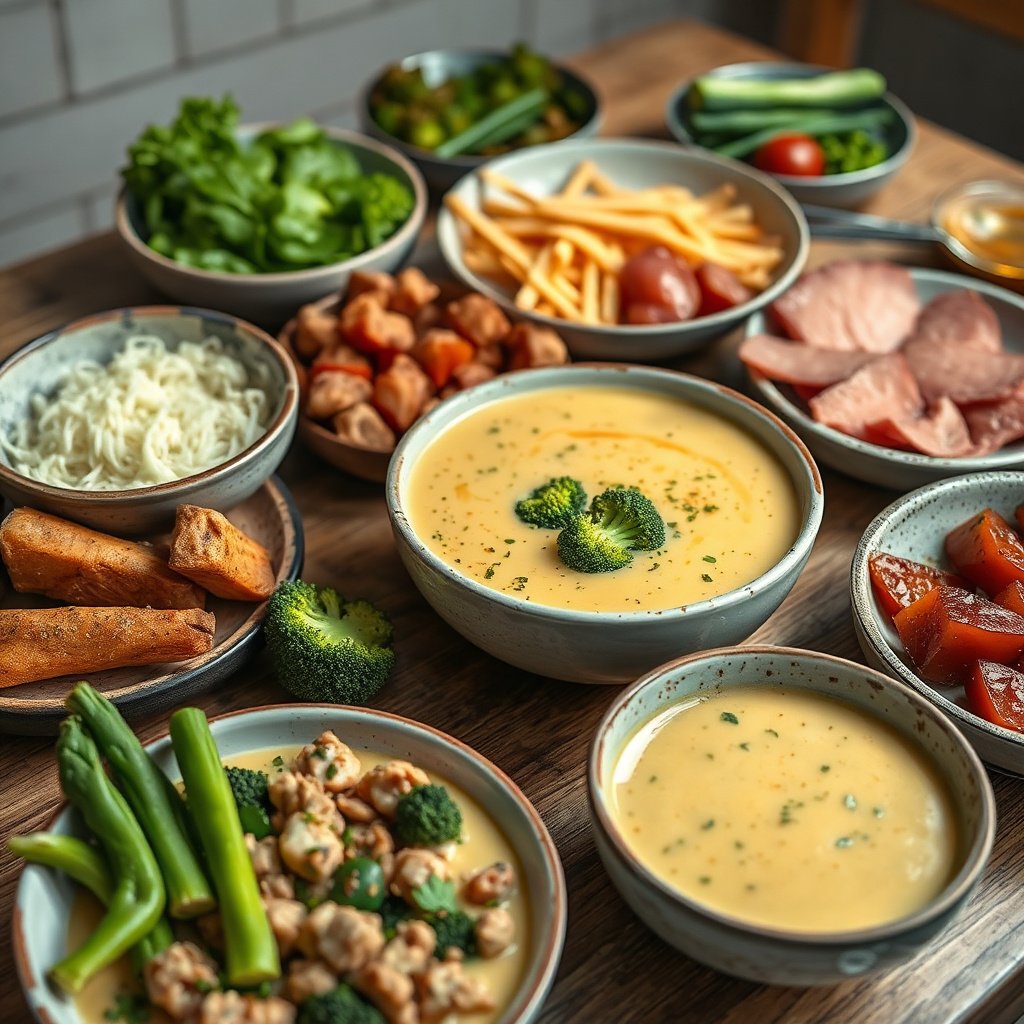
Keto-friendly isn’t about one ingredient—it’s about your total net carbs (net carbs = total carbs minus fiber, and sometimes minus sugar alcohols depending on how you track). For broccoli cheese soup, the biggest swing factors are usually the thickener (flour/cornstarch) and dairy choice (milk vs. cream), not the cheese itself.
When you’re evaluating a recipe in 2026, treat the label and method as the real recipe: ingredients that seem “small” (a tablespoon of starch or a splash of milk) can push the entire serving over your carb target. For context, nutrition databases show that 1 cup of cooked broccoli contains meaningful carbohydrate content, and starches add even more.
– Keto usually requires staying under a daily net-carb limit, so ingredient carbs matter more than the word “cheese.”
– Common carb boosters in soup are thickeners (flour/cornstarch) and higher-sugar dairy or additions.
Keto-friendly ingredient swaps (the big wins)
Yes—broccoli cheese soup can be keto if you swap the usual carb-heavy elements for low-carb alternatives. In practice, the “big wins” are (1) replacing milk with a lower-carb fat source and (2) using cheese, reduction, or keto-appropriate thickeners instead of a flour/cornstarch roux.
From my kitchen experience, the most noticeable texture difference comes from thickening method: cheese-based thickening tends to stay creamy, while flour-thickened versions can turn gummy or grainy once you try to rework them. If you’re adapting a favorite recipe, keep the flavor base (garlic, onion powder, stock, and cheese), then replace only the carb drivers.
– Use heavy cream or unsweetened cream alternatives instead of milk if your recipe calls for milk.
– Thicken with keto-friendly options like cheese, cream, or an approved thickener instead of flour-based roux.
Carb Impact of Common Broccoli Cheese Soup Ingredients (Per Typical Cooking Amount)
| # | Ingredient (typical amount) | Carbs (g) | Carb Load Risk for Keto | Keto Rating |
|---|---|---|---|---|
| 1 | Cornstarch (1 Tbsp) | 7.2 | High | ★ |
| 2 | All-purpose flour (1 Tbsp) | 6.2 | High | ★ |
| 3 | Whole milk (1/2 cup) | 6.0 | Medium-High | ★★ |
| 4 | Plain Greek yogurt (1/2 cup) | 4.1 | Medium | ★★★ |
| 5 | Heavy cream (1/2 cup) | 3.2 | Medium | ★★★ |
| 6 | Shredded cheddar (1/4 cup) | 0.5 | Low | ★★★★ |
| 7 | Broccoli, cooked (1 cup) | 6.6 | Medium | ★★★ |
Carbs shown reflect the ingredient amount listed and are best used for comparison when planning portions; net-carb results vary by fiber and label reporting.
To make this actionable, apply the “carb-driver” mindset. Research databases routinely show starch-thickening ingredients can carry more carbs per tablespoon than dairy alternatives—for example, cornstarch is notably carb-dense for thickening. According to USDA FoodData Central, 1 tablespoon cornstarch contains about 7.2 g carbs (USDA FoodData Central, 2024). For dairy, whole milk brings substantially more carbs than cream on a per-volume basis; according to USDA FoodData Central, whole milk provides about 12 g carbs per cup (USDA FoodData Central, 2024). Even broccoli has carbs you’ll feel at larger servings; cooked broccoli is about 6.6 g carbs per cup (USDA FoodData Central, 2024).
Which thickener best protects keto macros?
Yes—your thickener choice is the difference between “creamy” and “accidentally high-carb.” Below is a practical comparison for keto broccoli cheese soup, focused on carb behavior and texture stability.
| Thickening approach | Best keto behavior | Texture risk |
|---|---|---|
| Cheese + simmer (no flour) | ★ ★ ★ ★ | Low (if cheese is added gradually) |
| Heavy cream reduction | ★ ★ ★ ★ | Medium (can thin if not reduced) |
| Xanthan gum (micro-dose) | ★ ★ ★ ★ | Medium (overuse can get gummy) |
| Best For | Most people: cheese + simmer for classic flavor; xanthan gum when you need predictable thickness fast. | |
How to keep the broccoli portion keto
Yes—broccoli can absolutely fit keto, but the portion matters because broccoli contributes both carbs and fiber. If you keep the serving measured and pair broccoli with a low-carb base (cream/cheese without flour), you can usually stay within keto limits.
What’s tricky is that broccoli-heavy servings can “silently” raise net carbs even when everything else is perfect. In 2026, many keto trackers emphasize consistency: using grams or a measured cup prevents the slow creep that happens when you “eyeball” servings.
– Broccoli does have usable carbs, so portion size often determines whether the soup stays in range.
– If you want an extra-simple approach, measure broccoli rather than “eyeballing” it.
Flavor checklist: cheese, seasonings, and avoid sweet surprises
Yes—keto broccoli cheese soup should taste rich and savory, and you don’t need sugar to get there. The easiest path is to build flavor using aromatics (garlic/onion powder if tolerated), salt, pepper, and herbs while avoiding any sweeteners or “cream soup” mixes that hide starch.
In many recipes, the flavor comes from the base and the cheese, not from added sugars. That said, it’s common to find added starch or sugar in “convenience” products—especially in pre-mixed seasoning blends or soup bases meant for thickening on supermarket timelines.
– Build flavor with cheese, garlic, onion powder (if tolerated), and seasonings rather than added sugar.
– Watch for any “cream soup” mixes or pre-made flavor boosters that may include starches or sweeteners.
What can go wrong (and why your soup might not be keto)
It’s usually not the broccoli cheese—it’s the thickener or the packaged convenience ingredients. If you’re seeing “mystery carbs,” they almost always trace back to flour/cornstarch/roux, milk substitutions, or added sugar in a mix.
From a practical standpoint, I’ve seen many cooks treat “cheesy” as a proxy for low-carb, but the label often contradicts that assumption. According to typical nutrition databases, thickening starches can contribute multiple grams of carbs per tablespoon, which compounds quickly in soup. If you’re strict about tracking, broccoli sensitivity can also be a factor: people’s digestion and tolerance vary, even when carbs are technically “keto.”
– If you use flour, cornstarch, or a roux, the carbs can climb fast—this is the most common failure point.
– Store-bought broccoli cheese soup often contains starches and may include added sugar; “cheesy” doesn’t guarantee keto.
– Some people are sensitive to broccoli carbs—if you track strictly, start with a smaller serving and reassess.
Keto-friendly vs. standard broccoli cheese soup: what changes first?
Yes—certain decisions flip your carb profile immediately: dairy type and thickener. Here’s a side-by-side comparison so you can decide where to intervene when adapting a recipe.
| Criterion | Keto approach (swaps) | Standard approach |
|---|---|---|
| Primary thickener | Cheese, cream reduction, or keto thickener | Flour/cornstarch roux |
| Dairy choice | Heavy cream / low-carb alternatives | Milk or evaporated milk |
| Carb creep risk per serving | Lower (ingredients are controlled) | Higher (starch accumulates) |
| “Cream soup mix” hazard | Avoid or verify nutrition | Often used (contains starch) |
| Net carb planning | Track broccoli + dairy + thickener | Assumes cheese offsets carbs |
| Texture goal | Creamy without starchiness | Thick via starch gelation |
| Label verification | Checks net carbs & ingredient list | Relies on flavor claims |
| Broccoli portion control | Measured servings | “Heaping bowl” servings |
| Added sweeteners | None (or minimal, label-checked) | Possible in mixes or “balanced” soups |
| Overall keto reliability | High when you control ingredients | Low unless label is verified |
| Verdict | Choose keto swaps to keep soup creamy without exceeding carbs | Standard recipes commonly fail keto because of starch thickening and milk |
Verdict: Should you make keto broccoli cheese soup?
Yes—keto broccoli cheese soup is a smart option if you control the recipe ingredients and don’t rely on starch-based thickening. The tradeoff is that packaged convenience products and “easy” roux methods often make it hard to stay within keto net-carb targets, so you must verify or adjust.
If you’re adapting a recipe you love, focus your changes on: (1) replacing milk with cream/low-carb alternatives, (2) removing flour/cornstarch/roux, and (3) measuring broccoli. If you’re tracking carbs in 2026 with a daily limit (common ranges are often 20–50 net carbs/day), small ingredient decisions matter—especially thickener and dairy.
That said, skip this approach (or be extra cautious) if you’re relying on a packaged soup without checking the nutrition label, or if you’re not willing to track portions and carbs.
Quick keto broccoli cheese soup checklist
– [ ] No flour/cornstarch/roux-based thickener
– [ ] Use heavy cream (or coconut cream) instead of milk
– [ ] Check broccoli portion size
– [ ] No sweeteners (including “hidden” sugars in mixes)
– [ ] Verify nutrition for any packaged ingredients
Frequently Asked Questions
Is broccoli cheese soup keto-friendly?
Broccoli cheese soup can be keto-friendly if it’s made with low-carb ingredients and minimal added sugar or thickening starch. Since broccoli and cheese are both naturally present in many recipes, the main keto concern is usually the carb count from ingredients like flour, cornstarch, or potatoes. To keep it keto, look for a recipe that uses heavy cream or cheese for thickening and avoids starchy add-ins.
How many carbs are in keto broccoli cheese soup?
Carb counts vary by recipe, especially depending on how much broccoli and cheese are used and whether thickeners like flour or cornstarch are added. In general, keto broccoli cheese soup aims to stay low in net carbs by using moderate portions of broccoli and no sugar-based ingredients. If you’re tracking macros, calculate net carbs (total carbs minus fiber) per serving and ensure it fits your daily keto target.
Why can’t traditional broccoli cheese soup be keto?
Traditional broccoli cheese soup often includes flour or cornstarch to thicken, and some recipes add milk, potatoes, or even a small amount of sugar to balance flavor. Those ingredients raise total and net carbohydrates, making it harder to stay in ketosis. If you want keto broccoli cheese soup, you typically swap out starches for keto-friendly options like cream, cheese, or a small amount of low-carb thickener.
What’s the best way to make broccoli cheese soup keto?
The best approach is to use heavy cream or full-fat cream cheese as the base and thicken with cheese instead of flour or cornstarch. Choose a generous portion of broccoli, but keep an eye on serving size to control net carbs. Flavor boosters like garlic, cheddar, and seasonings help you keep the taste rich without needing high-carb ingredients.
Which ingredients should you avoid for keto broccoli cheese soup?
Avoid flour, cornstarch, and other starch-based thickeners, as well as potatoes, sweetened condensed milk, and any added sugar. Also be cautious with recipes that use a lot of milk or pasta-like add-ins, because they can push carbs higher than expected. For keto, stick to low-carb vegetables, full-fat dairy, and cheese, and verify nutrition labels when using pre-shredded cheese or broth.
📅 Last Updated: November 03, 2026 | Topic: is broccoli cheese soup keto | Content verified for accuracy and freshness.
References
- Relaxation techniques: Try these steps to lower stress – Mayo Clinic
- Ketogenic diet
- Broccoli
- Cheese
- Low-carbohydrate diet
- https://ods.od.nih.gov/factsheets/Carbohydrates-HealthProfessional/
- Healthy diet
- https://scholar.google.com/scholar?q=broccoli+cheese+soup+keto Google Scholar
- https://scholar.google.com/scholar?q=ketogenic+diet+carbohydrate+intake+guidelines Google Scholar
- https://scholar.google.com/scholar?q=net+carbs+keto+definition+carbohydrates+calculation Google Scholar


Pingback: Is Brown Sugar Keto? What to Know Before You Eat It - Keto Model