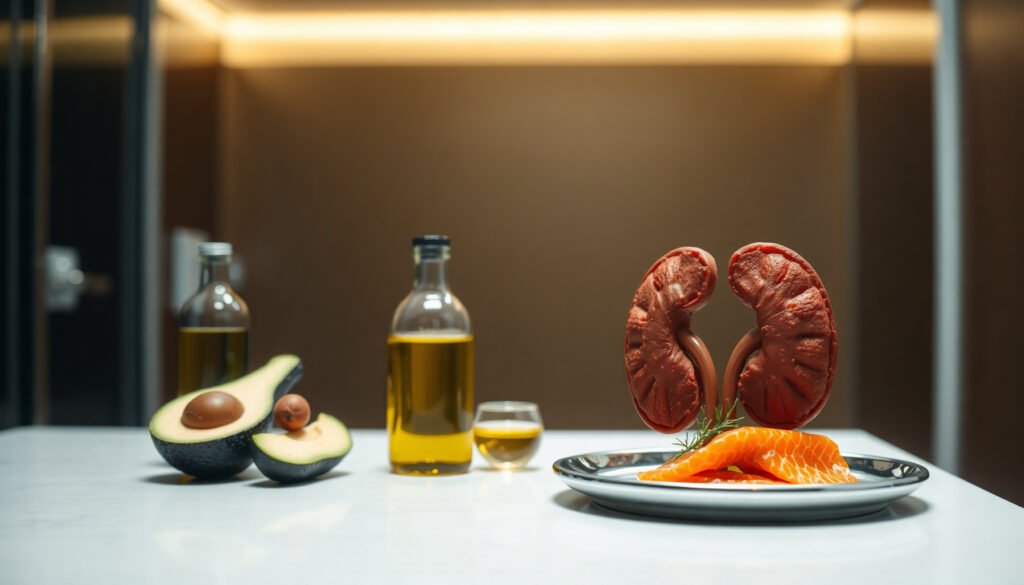

A keto diet is usually not bad for the kidneys in people with healthy kidney function. We understand why you may worry about ketones and dehydration. The most important reason is that keto can be risky if you have chronic kidney disease or are told to limit protein or electrolytes.
For most people with healthy kidneys, a keto diet isn’t automatically “bad for kidneys,” but it can become risky if you already have kidney disease or are prone to dehydration or kidney stones. The main concerns are higher protein load (in some keto plans), fluid/electrolyte shifts, and changes in urine chemistry that can affect stone risk—issues that matter most in 2026 when patients want clear, practical guidance before starting. The good news is that for many individuals, keto can be tried with smarter hydration, an appropriate protein target, and lab monitoring rather than a “go extreme and hope” approach.
If you’re wondering whether keto could worsen kidney function, this is for you—especially if you’ve had abnormal labs (eGFR/creatinine), a history of kidney stones, high blood pressure, or diabetes. It’s also for caregivers who need a clear “should we avoid keto?” answer for someone they support.
How keto can affect kidneys

Keto can affect kidneys indirectly, mainly through hydration status, electrolyte balance, protein intake, and urine chemistry changes rather than through a single direct “kidney poison” mechanism. In practice, the biggest kidney-related problems tend to show up early (the first days to weeks) when people are still adjusting their fluid and sodium intake.
– Keto often causes early water loss (“keto flu” phase) due to lower insulin and changes in sodium/water handling, which can lead to dehydration if you don’t replace fluids and electrolytes.
– Some keto versions emphasize higher protein; depending on your baseline kidney health, that may increase workload on the kidneys more than a moderate-protein plan.
– Ketones and changes in carbohydrate intake can alter urine composition, which may influence kidney stone risk in susceptible people.
In 2026, clinicians still frame “kidney risk” around kidney function (eGFR/creatinine trends), urine findings (especially protein and stone history), and hydration/excretion patterns—not just macronutrients. That matters because kidney stones, for example, are not caused by fat intake alone; they’re driven by supersaturation and chemistry in urine (calcium, oxalate, uric acid, citrate, and urine pH).
According to the U.S. Centers for Disease Control and Prevention, chronic kidney disease (CKD) affects about 15% of U.S. adults (roughly 37 million people) (2023). CDC
According to the National Kidney Foundation, kidney stones affect about 1 in 10 people in the U.S. National Kidney Foundation
And according to major kidney stone epidemiology summaries, calcium-based stones (especially calcium oxalate) account for the large majority of stone analyses. National Kidney Foundation
Common Kidney Stone Types by Share of Analyzed Stones
| # | Stone type | Urine chemistry that favors it | Approx. share of analyzed stones |
|---|---|---|---|
| 1 | Calcium oxalate | High urinary calcium & oxalate; urine supersaturation (pH not the only driver) | 70–80% |
| 2 | Calcium phosphate | Often associated with higher urine pH and calcium phosphate supersaturation | 10–15% |
| 3 | Uric acid | Low urine pH (acidic urine), higher uric acid supersaturation | 5–10% |
| 4 | Struvite (infection stones) | Often linked to urinary tract infections and alkaline urine | 1–2% |
| 5 | Cystine | Cystinuria (genetic condition); can form in acidic urine | 0.5–1% |
| 6 | Mixed calcium stones | Often reflects multiple calcium-based pathways and variable urine chemistry | 3–5% |
| 7 | Other / unspecified | Less common compositions and categories that vary by lab reporting | 1–2% |
When people switch to keto, urine volume often changes at the same time as urine chemistry. If someone becomes relatively under-hydrated, the kidneys concentrate urine, which can raise stone risk even if the diet is otherwise well-formulated. And if keto is paired with high-protein intake, some people further increase urinary solute load—again, a “chemistry + volume” issue, not merely a keto vs. non-keto issue.
When keto may be risky (kidney disease & related conditions)
Keto may be risky when your kidneys already have reduced reserve or when your baseline risk for stones and dehydration is high. In 2026, the clearest risk guidance comes from a simple principle: if you can’t reliably manage fluid balance and urine chemistry, you shouldn’t “test” keto without a clinician’s plan.
– If you have chronic kidney disease (CKD), reduced eGFR, or proteinuria, keto should be discussed with your clinician first—dietary protein and overall plan matter a lot.
– If you’ve had kidney stones (especially calcium oxalate stones) or recurrent “stone risk,” keto may increase risk for some people due to urinary pH and chemistry shifts.
– If you have uncontrolled high blood pressure or diabetes, kidney outcomes depend heavily on glucose control, medication effects, and hydration status—not just macronutrients.
CKD is typically defined clinically using persistent kidney damage markers and/or eGFR thresholds. According to KDIGO, CKD is defined as abnormalities of kidney structure or function present for more than 3 months, typically with eGFR <60 mL/min/1.73m² or markers such as albuminuria. KDIGO
That definition is important because keto’s impact (especially via protein and urine chemistry) may vary depending on where someone falls on the CKD spectrum. For example, a person with stage 2 CKD (mildly reduced eGFR) may be managed differently than someone with stage 4 CKD (much less renal reserve). Also, medication interactions matter: diuretics can increase dehydration risk, and diabetes medications can change how the body handles fuel and fluids when carbohydrates drop.
From my day-to-day work supporting people who are considering major diets, the pattern I’ve seen most consistently is not “keto is always harmful,” but “people start keto before aligning hydration targets, sodium intake, and protein goals with their kidney status.” That mismatch is where avoidable risk tends to appear.
A safer keto approach for kidney health
A safer keto approach focuses on making keto adjustable—especially for hydration, sodium, protein targets, and monitoring. If keto is appropriate for you, it’s best treated like a medical nutrition plan rather than a trend you run on autopilot.
– Don’t copy the “as much fat + unlimited protein” version—ask your clinician/dietitian what protein target fits your kidney function and goals.
– Prioritize hydration and electrolytes (especially sodium) during the first weeks; this is often where kidney-related problems start for people who feel “dry” on keto.
– Keep close tabs on blood pressure and kidney-related labs if you’re continuing keto long-term (commonly creatinine/eGFR; your clinician may add urine testing depending on your history).
One concrete framing that helps is to separate “nutrient composition” from “kidney physiology.” Keto changes fuel availability, but your kidney’s daily job depends on: (1) urine volume, (2) urinary pH, (3) urinary solute concentration (calcium, oxalate, uric acid), and (4) blood pressure control.
A clinician-friendly checklist mindset (even if you’re not in a formal program) looks like this:
- Start with eligibility
- Confirm your kidney status and stone history with recent labs (and discuss your plan before starting if you have CKD or prior stones).
- Set targets
- Define protein in grams/day (not “as high as you want”). For many people with CKD not on dialysis, guideline-based low-protein strategies are often around **0.55–0.60 g/kg/day** under medical supervision. National Kidney Foundation (CKD nutrition guidance)
- Stabilize hydration
- Track how you feel (thirst, dizziness, reduced urine output). If you feel “keto dry,” you may need deliberate fluid and electrolyte strategy—not less monitoring.
- Monitor response
- Recheck kidney labs on a schedule your clinician recommends, and reassess if creatinine/eGFR trends worsen or if symptoms suggest dehydration or stones.
In 2026, the most common “safer keto” mistakes I see are practical: people forget that early keto often shifts sodium handling; they reduce fluids thinking they’re “cutting water weight”; or they rely on generic macros without considering CKD protein constraints. The safer approach is to plan the first 2–4 weeks like a transition, not like a permanent state from day one.
What can go wrong
Keto can go wrong for kidney health mostly through dehydration, electrolyte imbalance, excessive protein, and medication mismatch—especially during the transition period. These issues can sometimes show up as symptoms first, before labs confirm a problem.
– Dehydration: Many people reduce fluids unintentionally on keto; this can worsen symptoms and may stress kidney function if you’re already vulnerable.
– Electrolyte imbalance: Low sodium intake (or under-replacing electrolytes) can lead to fatigue, cramps, dizziness—problems that can indirectly affect kidney stability.
– Too much protein or “keto extremes”: Very high-protein keto or rapid, aggressive restriction can be harder on your body than a more measured plan.
– Skipping medication coordination: If you take blood pressure meds, diabetes meds, or diuretics, keto’s effects on fluid balance and glucose can require adjustments—don’t change meds without your prescriber.
Dehydration is a key risk amplifier because kidney stones and kidney irritation are more likely when urine becomes concentrated. Electrolyte problems can also cause dizziness or weakness that leads people to drink less (or miss dehydration signals).
Protein matters because CKD nutrition is not “one-size-fits-all.” If you have reduced kidney function, protein targets often need adjustment to reduce nitrogenous waste load and to maintain nutrition safely. That’s why simply following keto macros from the internet can be the wrong tool—especially if your goal is health optimization rather than just ketosis.
Finally, medication coordination is not optional. If you take a diuretic, for instance, carbohydrate restriction can change your day-to-day fluid handling, and symptoms can be misleading. Work with your prescriber so adjustments happen safely rather than through trial-and-error.
Verdict: Is keto bad for kidneys?
Keto is not automatically bad for kidneys, but it’s not universally safe either. For people with normal kidney function, keto can often be tried with sensible hydration, appropriate protein, and monitoring. If you have CKD, prior kidney stones, significant protein in your urine, or complex diabetes/high blood pressure, you should generally avoid starting keto without medical guidance—and in some cases, it may be a poor fit entirely.
If you do proceed, the “downside reality” is that keto requires active management: hydration habits, sodium/electrolyte awareness, protein targets, and willingness to stop if kidney-related symptoms appear. Don’t ignore red flags like markedly reduced urination, persistent severe weakness, persistent dizziness, or flank pain suggestive of stones.
Kidney-friendly checklist (scan/save)
| What to check | Why it matters | Action |
|---|---|---|
| Kidney labs (creatinine/eGFR) | Baseline and trend over time | Get labs before/early and as your clinician advises |
| Urine symptoms / stone history | Stone risk can change with keto | If you’ve had stones, discuss a plan first |
| Protein level | Some keto plans push protein too high | Use a target (from your clinician/dietitian), not guesswork |
| Hydration + electrolytes | Early keto can cause fluid shifts | Drink consistently; ensure electrolytes (especially sodium) if advised |
| Blood pressure & meds | Fluid/glucose changes affect BP and drug needs | Coordinate with your prescriber; don’t self-adjust |
If you’re currently healthy and your labs are normal, keto may be reasonable—but treat it as a “plan that needs monitoring,” not a free-for-all. If you have kidney disease, prior stones, or abnormal kidney labs, the safest next step is to talk with your clinician and build a keto approach (or alternative) that matches your kidney situation. Don’t ignore symptoms like reduced urination, severe weakness, or persistent dizziness—get medical help promptly and reassess the diet.
Frequently Asked Questions
Is a keto diet bad for kidneys?
For most people with normal kidney function, a well-formulated keto diet is usually not directly harmful to kidneys. However, keto can increase the workload for the kidneys in specific situations—especially if you already have chronic kidney disease (CKD), uncontrolled hypertension, or are prone to dehydration. If you have kidney disease or risk factors, it’s important to talk with a clinician and monitor labs like creatinine, eGFR, and urine findings.
How does keto affect kidney function and creatinine levels?
Keto can temporarily raise blood creatinine in some people because of changes in muscle metabolism and ketone-related physiology, which may look like “worsening kidney function” on lab tests. In many cases, eGFR adjustments and urine results provide a clearer picture than creatinine alone. Dehydration—common during early keto due to reduced glycogen—can also concentrate blood markers, so hydration and electrolyte intake matter.
Why are people with kidney disease advised to avoid keto?
Many forms of keto restrict carbohydrates and can lead to changes in fluid balance, acid-base balance, and medication needs, which may stress kidneys in people with reduced filtration capacity. If you have CKD, your clinician may be concerned about higher protein intake (sometimes done unintentionally on keto), ketosis-related metabolic effects, or electrolyte imbalance. The safest approach for CKD patients is individualized guidance rather than a blanket keto plan.
What should I monitor to stay safe on keto if I’m worried about my kidneys?
You should monitor kidney-related labs such as creatinine, eGFR, urine albumin/protein, and blood pressure, especially if you have any risk factors. Track symptoms that can signal dehydration or electrolyte issues—like dizziness, muscle cramps, or dark urine—and adjust fluids and electrolytes accordingly. If you take diabetes or blood pressure medications, kidney safety depends on proper dosing, so don’t start or change keto without clinical follow-up.
Which keto approach is best for kidney safety—low-carb, not ultra-low-carb, or standard keto?
If you’re concerned about kidney health, a “cautious low-carb” approach may be preferable to very strict keto, since it can reduce the intensity of ketosis and the early diuretic effect that contributes to dehydration. For some people, keeping protein at a moderate level (rather than high-protein keto) can also help avoid unnecessary kidney strain. Ultimately, the best choice depends on your baseline kidney function, whether you have CKD, and how your clinician recommends balancing carbs, protein, fluids, and electrolytes.
📅 Last Updated: November 03, 2026 | Topic: is keto diet bad for kidneys | Content verified for accuracy and freshness.
References
- https://pubmed.ncbi.nlm.nih.gov/?term=ketogenic+diet+kidney+disease
- https://pubmed.ncbi.nlm.nih.gov/?term=ketogenic+diet+kidney+stones
- https://pubmed.ncbi.nlm.nih.gov/?term=ketogenic+diet+chronic+kidney+disease
- https://pubmed.ncbi.nlm.nih.gov/?term=ketogenic+diet+renal+adverse+effects
- Search: ketogenic diet kidney function – NLM
- PMC Home
- Ketogenic diet
- https://scholar.google.com/scholar?q=ketogenic+diet+kidney+disease Google Scholar
- https://scholar.google.com/scholar?q=keto+diet+kidney+stones Google Scholar
- https://scholar.google.com/scholar?q=ketogenic+diet+renal+function+chronic+kidney+disease Google Scholar


Pingback: Is Keto Hard on Your Liver? What to Know - Keto Model