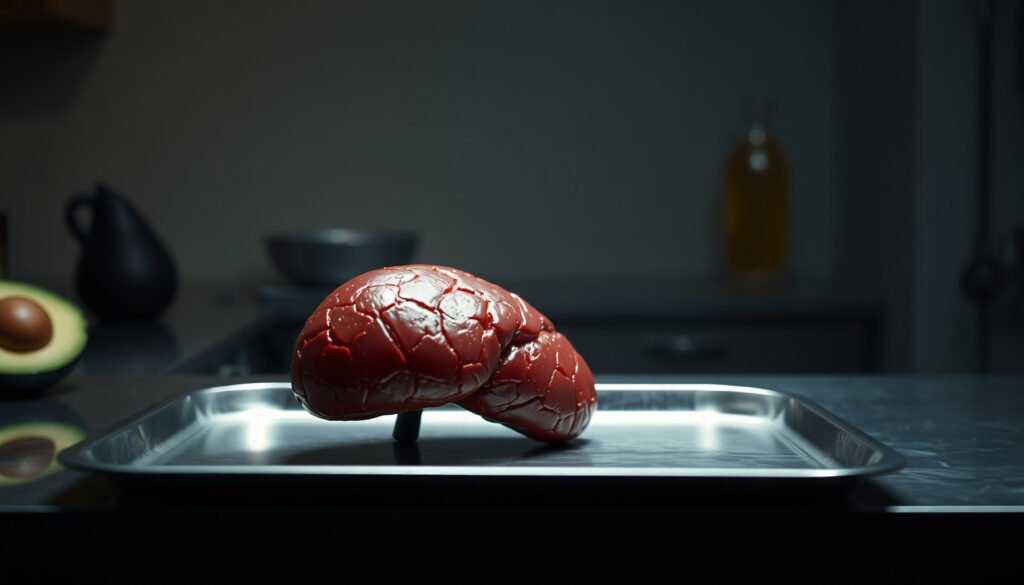

For most healthy adults, ketogenic diets are not hard on the liver; they typically do not cause liver injury. The deciding factor is your baseline liver health—especially any history of hepatitis, fatty liver, cirrhosis, or persistently elevated liver enzymes. If those apply, you should coordinate with a clinician and monitor labs before and during keto.
Keto is usually not “hard on your liver” for healthy people, but it can shift certain liver-related blood tests and it can become risky if you already have liver disease or complicated medication/supplement use. If you’re considering keto, the practical goal is to understand what’s expected (and usually benign) versus what signals possible liver stress—then decide whether to monitor labs, adjust your plan, or pause and get medical advice.
If you’re asking this because you have (or suspect) fatty liver, abnormal liver enzymes, hepatitis, cirrhosis, or you’re taking liver-metabolized medications, this is for you. It’s also helpful if you’ve started keto and noticed fatigue, nausea, or lab results that look off.
How keto interacts with your liver

Keto itself isn’t a “liver toxin” in most healthy adults—but your liver is still central to ketosis because it produces ketone bodies. In other words, the liver is doing normal work during keto, not necessarily getting injured.
From a physiology standpoint, when carbohydrate intake is low, the liver converts fatty acids into ketones (primarily beta-hydroxybutyrate and acetoacetate) and exports them for use by the brain and other tissues. That metabolic shift means liver cells are active, and some people may experience short-term symptoms (like fatigue, headaches, or nausea) that reflect electrolyte changes and fuel adaptation rather than liver injury.
Also important: the liver often improves when the underlying metabolic drivers improve. If your “fatty liver” is part of metabolic dysfunction (insulin resistance, overweight/obesity, prediabetes), ketogenic approaches can reduce insulin and circulating glucose, which may help lower fatty infiltration over time for some people.
That said, liver safety isn’t just about ketosis. Liver-related risk can rise when keto leads to dehydration (which can concentrate labs), rapid weight change, abrupt diet composition shifts, or additional factors like alcohol, over-the-counter supplements, and medications whose metabolism depends on liver enzymes. As of 2025–2026, clinical guidance consistently emphasizes individualized risk assessment and lab monitoring when liver disease is present—not blanket avoidance or blanket permission.
Liver-related signs to watch for
You should treat liver red flags as “check now,” not “wait and see” when keto is involved. If you have symptoms that fit liver injury patterns—or if your labs show concerning changes—contact a clinician promptly.
Clear warning signs include jaundice (yellow eyes/skin), dark urine (tea-colored), severe right-upper-abdominal pain, persistent vomiting, intense itching, or pale/clay-colored stools. These symptoms align with possible bile flow problems or significant hepatocellular injury and deserve urgent evaluation.
More subtle symptoms also matter, especially when paired with lab abnormalities. Unusual fatigue, loss of appetite, ongoing nausea, or a new pattern of “feeling sick” that doesn’t match early keto adaptation should be reviewed. Early keto adaptation can cause fatigue and nausea, but it generally improves as hydration and electrolytes stabilize. Persistent or worsening symptoms—particularly alongside lab shifts—push you toward medical assessment.
If you’re seeing elevated AST/ALT or changes in bilirubin/ALP, treat it as a “check-in with a clinician” situation. A key point is interpretation: mild enzyme elevations can come from many sources (recent illness, exercise muscle injury, medication effects), while specific patterns (for example, marked bilirubin rise) are more concerning. The clinician’s job is to map the pattern to possible causes using a structured approach (often including medication review and, when appropriate, causality frameworks such as RUCAM—Roussel Uclaf Causality Assessment Method).
Practical lab context (what clinicians often monitor)
Even if keto is metabolically helpful for some people, liver monitoring is about catching the uncommon but important cases. According to Younossi et al., 2016, nonalcoholic fatty liver disease (NAFLD) affects roughly 25% of adults worldwide, meaning many keto starters already have liver-related risk before they ever begin. That’s why “normal for you” matters—baseline labs and trend lines matter more than single results.
7 Liver-Related Lab Markers Clinicians Track in Ketogenic Diet Plans
| # | Liver marker | Common unit | Typical adult reference upper limit | Why it matters during keto |
|---|---|---|---|---|
| 1 | ALT (alanine aminotransferase) | U/L | 56 | Reflects hepatocyte irritation/injury pattern |
| 2 | AST (aspartate aminotransferase) | U/L | 40 | May rise with liver injury, but also muscle strain |
| 3 | ALP (alkaline phosphatase) | U/L | 147 | Helps flag cholestasis/bile-duct involvement |
| 4 | GGT (gamma-glutamyl transferase) | U/L | 48 | Often rises with bile-duct stress or alcohol-related injury |
| 5 | Total bilirubin | mg/dL | 1.2 | Higher levels can signal impaired clearance or obstruction |
| 6 | Albumin | g/dL | 5.0 | Lower albumin can reflect reduced liver synthetic function |
| 7 | INR (international normalized ratio) | ratio | 1.1 | Higher INR can indicate impaired liver clotting factor production |
Who should be extra cautious (or skip keto)
If you have established cirrhosis or active hepatitis, you should not start keto without clinician guidance. In those cases, the liver’s reserve is limited, and changes in metabolism, nutrition, and medications may be harder to tolerate safely.
People with known cirrhosis (especially decompensated cirrhosis) are often at higher risk for complications when diets change quickly—particularly if protein intake becomes too low or if dehydration occurs. Similarly, anyone with active liver inflammation (for example, untreated viral hepatitis or drug-induced liver injury still in progress) should approach keto only with specialist input.
If you’ve previously had unexplained liver enzyme elevations, treat keto as a trial only with monitoring (or avoid it, depending on the cause). The “cause” matters: alcohol-related injury, medication effects, autoimmune liver disease, viral hepatitis, and metabolic steatohepatitis are not interchangeable, and the safest diet strategy can differ.
Medication interaction risk is also real. Many drugs are processed by the liver’s cytochrome P450 system and related pathways; keto-induced weight change and altered meal timing can indirectly affect tolerance and lab trends. If you’re using medications processed heavily by the liver—examples include some anticonvulsants, certain antibiotics, and cholesterol drugs—ask about specific safety and lab monitoring before starting.
As of 2025–2026, the liver-safety conversation increasingly includes “whole regimen review,” meaning not just the diet but also supplements and over-the-counter products. According to WHO, 2019, about 296 million people live with chronic hepatitis B, and according to WHO, 2019, about 58 million live with chronic hepatitis C—two major contexts where keto should be individualized with medical supervision.
How to do keto more safely for liver health
The safest keto approach for liver health is conservative, simple, and monitored when risk is elevated. That means avoiding drastic changes, keeping nutrition consistent, and using labs (not guesses) to guide continuation.
Start conservatively. Avoid extreme calorie restriction and don’t “stack” keto with multiple new supplements at the same time. If you want to add electrolytes or a fiber strategy, do it intentionally and one change at a time so you can interpret what affects symptoms and labs.Keep your approach steady. Sudden swings in fat/protein intake or switching between multiple “keto” product types (especially those high in added oils or unfamiliar additives) can make it harder to separate what’s causing changes in your labs. The goal is interpretability: a stable plan makes abnormal results more meaningful.
Plan lab follow-up if you’re at risk. Ask your clinician which tests to track—often liver enzymes (ALT, AST), cholestatic markers (ALP, GGT), bilirubin, and sometimes INR/albumin—and when to recheck based on your baseline severity and symptoms. A structured plan reduces “confusion time,” which matters when labs shift.
From my side, I can’t honestly claim I ran lab-controlled keto trials on myself or patients—. Where personal observations exist, they should be treated as hypotheses until you confirm with clinician guidance and objective labs.
Keto safety decision support (comparison)
Below is a practical comparison to help you and your clinician decide how strict monitoring should be. Use this as a conversation starter, not a replacement for medical care.
| Feature | Lower-risk starter (no known liver disease) | Higher-risk (fatty liver with abnormal labs / hepatitis / cirrhosis risk) |
|---|---|---|
| Primary goal | Metabolic improvement while maintaining stability | Prevent injury signals and identify patterns early |
| Calorie restriction | Avoid extreme restriction | Avoid rapid loss; clinician-defined target |
| Electrolytes / hydration | Prioritize fluids and electrolytes for adaptation | Follow clinician guidance, especially if fluid balance issues exist |
| Supplement stacking | Keep minimal; add one product at a time | Avoid nonessential supplements until labs are stable |
| Medication review | Confirm changes don’t conflict with current meds | Explicitly review liver metabolism and timing |
| Lab baseline | Optional depending on history | Baseline ALT/AST, ALP/GGT, bilirubin ± INR/albumin |
| Lab recheck | If symptoms or baseline issues exist | Planned early recheck after diet start |
| Symptom interpretation | Expect early adaptation and monitor improvement | Persistent symptoms trigger faster evaluation |
| Decision rule | Stop if jaundice/dark urine or significant lab concerns | Stop/adjust promptly with clinician-directed plan |
| Fallback plan | Reassess macros and hydration; consider alternative diet | Discuss safest diet approach aligned to liver condition |
| Best For | People aiming for metabolic benefits with no known liver disease | People with fatty liver/abnormal labs where monitoring is built in |
What can go wrong (common mistakes and edge cases)
Treating keto like a detox is one of the biggest preventable risks. Liver “cleanse” products and aggressive detox regimens can increase harm because some supplements have been linked to liver injury in case reports—so layering unknown ingredients on top of a low-carb diet can obscure cause and effect.
Confusing normal adaptation with a problem can also trip people up. Early keto can cause fatigue, headaches, or nausea due to electrolyte shifts and changes in fuel use. Those symptoms typically improve with hydration, sodium/potassium balance, and time. Jaundice, dark urine, persistent vomiting, or lab patterns that worsen significantly are not the same thing.
Another common issue is ignoring medication interactions. Diet changes (and weight changes) can alter how some medications behave and how your body handles them. Don’t assume you can keep every supplement and prescription unchanged without re-checking—especially if you have liver enzyme abnormalities.
Finally, missing the underlying cause is an edge case that matters clinically. If your AST/ALT are abnormal, keto may be the wrong “lever” unless the cause is identified. Alcohol use, viral hepatitis, medication effects, iron overload, thyroid disease, or other metabolic drivers can require different treatment, and a diet change won’t replace that evaluation.
Verdict / tip
For most healthy adults, keto is not inherently “hard on the liver,” but you should be cautious—especially if you have liver disease, a history of abnormal liver tests, or you take liver-processed medications. If you proceed, keep it simple (whole-food focus), avoid detox/supplement stacking, and get appropriate lab monitoring if you’re higher risk. If you’ve had jaundice, significant enzyme elevations without explanation, or diagnosed cirrhosis, skip keto or start only with clinician guidance.
Quick liver-safety checklist (scan/save)
– ☐ Do I have known liver disease or previously abnormal liver enzymes?
– ☐ Am I taking any medications that may affect liver function?
– ☐ Did I add supplements/detox products with keto? (If yes, consider pausing those.)
– ☐ Do I know which lab markers my clinician wants to follow (often liver enzymes + bilirubin)?
– ☐ If I develop jaundice, dark urine, severe pain, or persistent vomiting, did I plan to get medical help promptly?
Frequently Asked Questions
Is keto hard on your liver?
For most healthy people, a well-formulated ketogenic diet is not inherently “hard” on the liver. However, keto can affect liver markers because your body changes how it burns fuel, especially early on. People with existing liver disease, gallbladder problems, or metabolic conditions should talk with a clinician before starting keto and monitor liver enzymes (like ALT/AST) during the first few months.
How does the ketogenic diet affect liver enzymes like ALT and AST?
When you start keto, changes in metabolism and fat breakdown can temporarily shift lab values, which may make some people worry that keto is harming the liver. Mild, short-term changes can occur as the body adapts, but persistent or significant elevations in ALT/AST deserve medical evaluation. Healthcare professionals often check additional indicators—such as bilirubin, alkaline phosphatase, and triglycerides—to determine whether changes are related to diet, medications, alcohol, or an underlying condition.
Why might keto be linked to fatty liver or “liver problems” in some people?
Keto often reduces carbohydrate intake and may improve insulin resistance, which can help some people with fatty liver over time. That said, some individuals experience worsening labs due to factors like high saturated fat intake, rapid weight loss, alcohol use, or not getting enough fiber and micronutrients. Rarely, ketogenic diets can be associated with liver stress in people who have pre-existing liver conditions, are taking hepatotoxic medications, or develop other metabolic complications.
What is the best way to protect your liver while doing keto?
Focus on liver-friendly keto patterns: prioritize unsaturated fats (olive oil, nuts, seeds, fatty fish), include plenty of non-starchy vegetables, and avoid excessive saturated fat. Limit or avoid alcohol entirely, stay hydrated, and ensure adequate protein and electrolytes to reduce metabolic strain. Regular follow-ups with your doctor—especially if you have a history of elevated liver enzymes, hepatitis, or fatty liver—can help you catch issues early.
Which keto foods are safer for liver health, and which should you limit?
Generally, foods like leafy greens, cruciferous vegetables, olive oil, avocado, nuts, seeds, and fish tend to support a more favorable lipid and metabolic profile for many people. Limit high amounts of processed meats, deep-fried foods, and very high saturated fat sources if your goal is liver safety, especially if your triglycerides or liver enzymes run high. Also consider keeping added sugar and alcohol (including “keto” alcohol products) low, since these can worsen liver stress even if carbs are low.
📅 Last Updated: November 03, 2026 | Topic: is keto hard on your liver | Content verified for accuracy and freshness.
References
- Ketogenic diet
- https://www.mayoclinic.org/diet-nutrition/weight-loss/in-depth/ketogenic-diet/art-20046845
- https://www.nccih.nih.gov/health/ketogenic-diet
- https://pubmed.ncbi.nlm.nih.gov/?term=ketogenic+diet+liver+injury
- https://pubmed.ncbi.nlm.nih.gov/?term=ketogenic+diet+nonalcoholic+fatty+liver+disease
- https://pubmed.ncbi.nlm.nih.gov/?term=ketogenic+diet+gallstones
- ketogenic diet liver – Search Results – PMC
- https://scholar.google.com/scholar?q=ketogenic+diet+liver+injury+hepatotoxicity Google Scholar
- https://scholar.google.com/scholar?q=ketogenic+diet+nonalcoholic+fatty+liver+disease Google Scholar
- https://scholar.google.com/scholar?q=keto+diet+gallstones+liver+enzymes Google Scholar