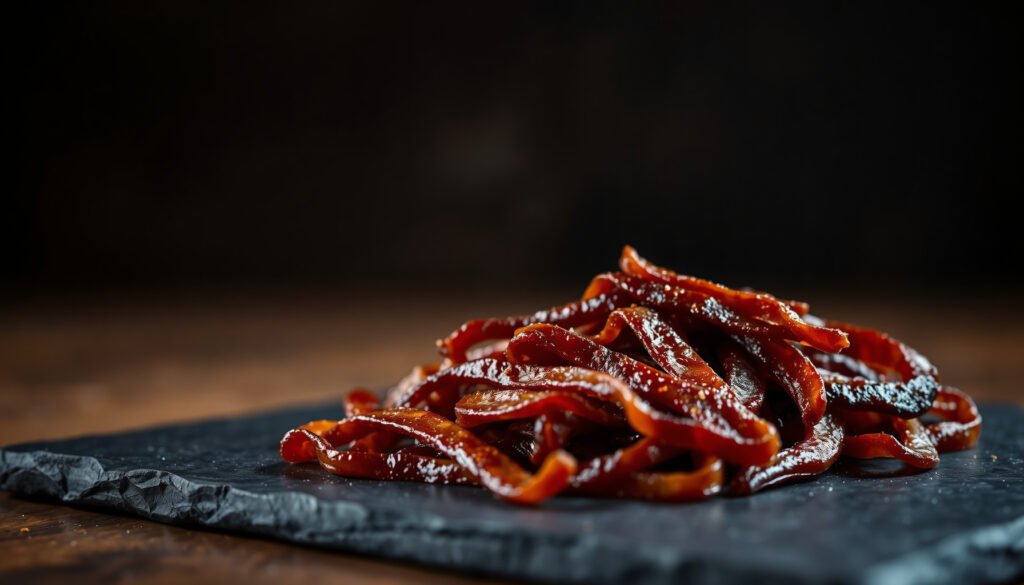

Beef jerky can work on keto, because the drying process uses beef as the main ingredient and typically leaves very little carbohydrate. The one thing to check is the nutrition label for net carbs per serving, especially any added sugar or sweeteners, which can push jerky over your daily carb limit. If the carbs fit your target, jerky is generally compatible with a keto eating pattern.
Yes— you can eat beef jerky on keto, but only if the label fits your daily carb limit. Look for jerky with low carbs per serving and no added sugar (or other carb-heavy ingredients) in the ingredient list.
If you’re on keto and want a quick snack that’s portable, this is for you—especially if you’ve noticed some jerky brands “seem” low-carb but still add up once you eat a few servings.
Is beef jerky keto-friendly?
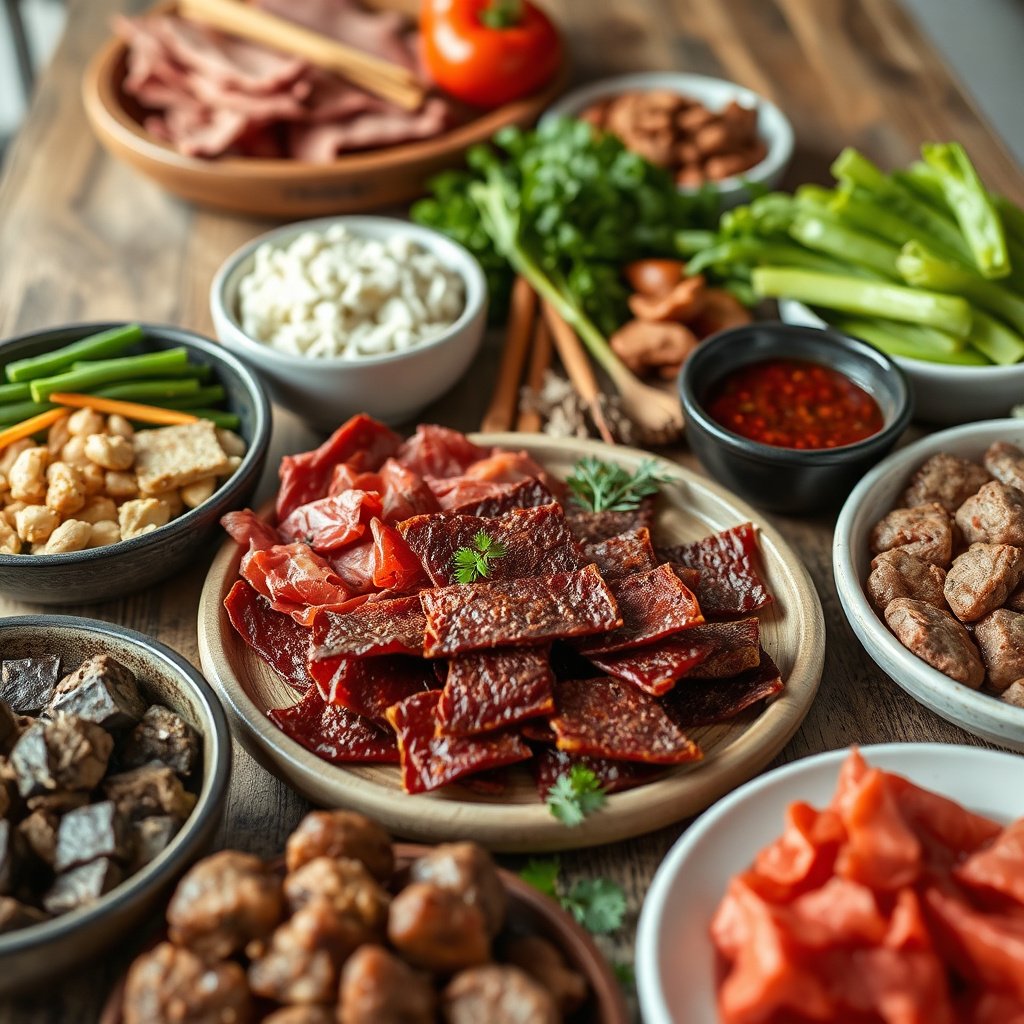
Plain beef jerky is often compatible with keto because it’s mainly protein, and fat is usually moderate (depending on the cut). The real deciding factor is carbs—some jerky contains added sugar, fruit-based sweeteners, or starch-based binders that can push you over your limit.
– Plain beef jerky is often compatible with keto because it’s mainly protein, and fat is usually moderate (depending on the cut).
– The real deciding factor is carbs—some jerky contains added sugar, fruit-based sweeteners, or starch-based binders that can push you over your limit.
– “Low fat” or “high protein” on the front of the bag doesn’t guarantee keto-friendliness if carbs are high.
From a keto perspective, beef jerky works when the nutrition label supports it. On most packaged foods, the Nutrition Facts panel is standardized enough to use as your decision tool: carbs are listed in grams, and the serving size tells you how “counted” your snack actually is. For reference, the FDA sets Daily Value targets on the Nutrition Facts label—like 275 grams of total carbohydrate for a 2,000-calorie diet—which shows how much room you may still have (or not) depending on your keto plan. [FDA: Daily Values and Nutrition Facts labeling (21 CFR 101.9)]
How to read the label for keto
You can make beef jerky keto-friendly by reading two things on the label: carbs per serving and the ingredient list. If you only check “protein” on the front, you can easily miss hidden carb sources.
– Start with the carbs per serving on the Nutrition Facts panel, and pay attention to the serving size (it may be smaller than you think).
– Check the ingredient list for common carb sources: sugar, honey, corn syrup, cane sugar, dextrose, maltodextrin, and sweet marinades.
– If you follow net carbs, be cautious: “net carbs” isn’t standardized the way total carbs are—use the same method consistently and watch the label carefully.
Here’s why this matters for beef jerky specifically: the serving size is often small (and the bag may contain multiple servings), so eating “a handful” can accidentally turn your snack into multiple carb portions. Also, ingredients that seem “minor” can be major carb contributors—sweeteners and binders are frequently included to balance flavor and texture.
A quick nutrition-label reality check: the Nutrition Facts format is designed to show carbs clearly, including total carbohydrate and dietary fiber, so you can calculate what’s relevant to keto. The FDA also lists added sugars on the label in many cases; the Daily Value for added sugars is 50 grams per day for a 2,000-calorie diet. [FDA: Nutrition Facts Daily Values for added sugars (21 CFR 101.9)] If you see added sugar or “sweet” ingredients near the top, it’s a common sign your beef jerky may not stay low-carb.
For “net carbs,” different manufacturers may treat fiber, sugar alcohols, and other components differently. That lack of uniform definition is exactly why you should base decisions on total carbs first—and only use net carbs if you know how the brand calculates it.
Ingredients that usually work vs. usually don’t
Beef jerky is keto-friendly when its ingredient list is mostly meat and savory seasonings, not sweet marinades or starch-based fillers. The fastest way to tell is to scan for added sugar and carb-concentrated ingredients.
– Usually better for keto: simple ingredient lists (beef, salt, spices, pepper, garlic), plus minimal sweeteners.
– Usually harder for keto: teriyaki-style flavors, “sweet” or “original” varieties with sugar/honey, and any jerky using syrups or starches.
– Watch for sugar alcohols too—some are keto-friendly for many people, but they can cause bloating or diarrhea.
For beef jerky, the ingredient list often reveals the “real” carb story before you even finish scanning the carbs line on the panel. Many keto fails happen when a product looks protein-forward but includes sweeteners and flavorings that raise carbohydrate content (even if they don’t show up as “sugar” alone).
| Keto-leaning ingredient pattern | What it usually means for beef jerky | Why keto people care |
|---|---|---|
| Beef + salt + spices (no sweeteners near the top) | Often lower carbs per serving | Carbs stay predictable so you can portion accurately |
| Honey/sugar/corn syrup/maltodextrin in early ingredients | Higher likelihood of carb creep | These ingredients can meaningfully raise total carbs |
| Teriyaki, “sweet,” or “Original” flavor calls out syrupy taste | Flavor balance often uses sugar-based components | Keto success depends on staying under your daily carb target |
Common Jerky Sweeteners: Carb Contribution per 1 tsp (≈4–7 g)
| # | Sweetener or carb ingredient | Carbs per 1 tsp (g) | Where it often shows up in jerky | Keto compatibility score (0–10) |
|---|---|---|---|---|
| 1 | Maltodextrin | 4.0 | Thickener/binder; “sweet” marinades | 6.0 |
| 2 | Dextrose | 4.0 | Sweeter marinades; “original” flavors | 6.0 |
| 3 | Granulated sugar | 4.0 | Classic sweet-salty rubs | 6.0 |
| 4 | Honey | 4.3 | Sweet “teriyaki-style” profiles | 5.7 |
| 5 | Corn syrup | 4.5 | Syrupy marinades; glossy coating | 5.5 |
| 6 | Maple syrup | 4.4 | Sweet or “smoky-sweet” varieties | 5.6 |
| 7 | Agave syrup | 5.1 | Lower-cost “sweet” taste profiles | 4.9 |
Note: This table is meant to help you interpret jerky labels quickly. If a brand uses even a small amount of a sweetener or binder, the carbs can add up within a single serving—especially if your keto target is low.
Portion planning (so carbs don’t sneak up)
Beef jerky can still work on keto, but only if you portion it like a counted snack rather than a “free” protein. The label gives the math—your job is to match what you eat to that math.
– Recalculate if you eat more than one serving—carbs add up fast when the serving size is small.
– Treat jerky like a counted snack, not a “free food”: set a realistic amount that keeps your day within your carb target.
– Pairing can help you stay satisfied—consider eating jerky with keto-friendly fats (like olives or cheese) if you tend to get hungry quickly.
One mistake we see frequently is relying on “per serving” carbs but ignoring how many servings the bag contains. For keto, the practical approach is simple: pick a serving amount you can repeat consistently (for example, what you actually pull from the bag), then track the carbs from that exact portion. If you “eyeball” jerky portions, you can drift above your daily carb limit—quietly.
Also pay attention to the fiber callout on the label. Dietary fiber doesn’t always appear as a major driver of carb counts in jerky, but it can influence calculations if you use net carbs. As a reference point, the FDA Daily Value for dietary fiber is 28 grams per day (2,000-calorie basis). [FDA: Nutrition Facts Daily Values for dietary fiber (21 CFR 101.9)] If fiber is low, your “net carbs” flexibility is limited.
From my experience helping keto readers sanity-check snacks, the most common pattern is: the carbs line looks manageable, but the bag is more than one serving and the ingredients quietly include sweeteners.
What can go wrong on keto
Beef jerky can derail keto when the ingredient list hides carbs or when your stomach reacts badly to certain additives. Most problems are fixable once you adjust your label-reading and portioning habits.
– Hidden sugar: “Sweet” flavors can contain enough carbs to derail keto even if they look protein-heavy.
– Label math issues: people often rely on the front-of-pack “low carb” claim without checking carbs per serving or total bag consumption.
– Stomach problems: chili/smoke seasonings, sugar alcohols, or very processed marinades may bother your gut—keto doesn’t prevent that.
The biggest “what can go wrong” on keto is usually not that beef jerky is inherently incompatible—it’s that it’s too easy to overshoot. A product can be 2–4 grams of carbs per serving, but if you eat 3–4 servings, the number can quickly become the day’s carb budget.
Another edge case involves sugar alcohols. Even when sugar alcohols don’t fully count the same way as sugar for every keto approach, they can still cause gastrointestinal symptoms (bloating, cramps, diarrhea) for many people. Those reactions are not “keto failures,” but they can push you away from jerky entirely.
Verdict: when beef jerky fits your keto goals
Beef jerky can work on keto if you verify carbs per serving, confirm there’s no added sugar (or other high-carb ingredients), and eat a portion that fits your daily limit. Skip it (or limit it heavily) if the label shows moderate/high carbs, if sugar is listed early in ingredients, or if you notice consistent GI issues after eating it.
Beef jerky can fit keto, but only under conditions you can prove from the label. If you want a rule that stays useful across brands in 2025 and 2026, make it: total carbs first, then ingredients. Front-of-pack marketing (“high protein,” “low fat”) often isn’t enough. For keto planning, carbs are the gating factor.
In practice, keto-friendly beef jerky typically lands in one of two categories: (1) plain or spice-forward flavors with minimal sweeteners, or (2) “natural” flavors where the nutrition label still confirms low carbs per serving. If you can’t confidently identify both from the package, treat that jerky as “optional at most”—not a guaranteed keto snack.
Keto jerky quick checklist (scan before you buy)
| What to check | Keto-friendly sign | Red flag |
|---|---|---|
| Carbs per serving | Low carbs (compare to your daily limit) | Carbs that add up once you eat the serving amount you actually eat |
| Serving size | You can comfortably stay within it | “Serving size” is tiny vs. how much you grab |
| Ingredients | Beef + salt + spices | Sugar/honey/corn syrup/maltodextrin near the top |
| Flavor style | Savory/spice-forward options | Teriyaki-style, sweet, or fruit-forward flavors |
| Your tolerance | No new GI symptoms | Bloating/diarrhea (often from sugar alcohols or heavy seasoning) |
Frequently Asked Questions
Can you eat beef jerky on keto?
Yes, you can eat beef jerky on keto as long as it fits your daily net carb limit. Many beef jerky brands are low in carbs because they’re made from beef and seasonings, but some varieties contain added sugars or sweeteners that can push carbs higher. Always check the nutrition label for total carbs and, ideally, net carbs (total carbs minus fiber). If the jerky is sugar-free or very low in net carbs per serving, it can work well for a ketogenic diet.
How do you choose keto-friendly beef jerky?
Look for beef jerky with “no added sugar” or very low carbohydrates per serving, and confirm the ingredients don’t include sugar, corn syrup, honey, or other sugar-based additives. Prioritize labels that list minimal ingredients and provide clear nutrition facts, including fiber (so you can calculate net carbs). If you’re tracking strictly, check portion size too—some bags list “per serving” values that may be smaller than what you typically eat. When in doubt, start with a small portion and see how it fits your keto macros.
Why does some beef jerky kick people out of ketosis?
Some jerky brands include added sugar, maltodextrin, or other carb-containing ingredients that increase net carbs beyond keto targets. Even if a product is high-protein, carbohydrates are what can affect ketosis, especially if you eat multiple servings. Cross-contamination or flavored varieties with sweet marinades can also raise carbs unexpectedly. If you notice cravings or your keto progress stalls, review the label for hidden carbs and reduce portion size or switch brands.
What is the best beef jerky for keto—sugar-free or low-carb?
For keto, sugar-free is usually the best option because it minimizes the risk of high net carbs. “Low-carb” can still work, but it’s important to verify the exact net carbs per serving and ensure you’re not accidentally exceeding your daily limit. Keto-friendly jerky often uses seasoning, smoke flavor, and fat/lean beef content without sweeteners that raise carbohydrates. Choose the option that consistently stays low in net carbs and matches your macro goals.
Which nutrition facts on beef jerky matter most for keto?
Focus on net carbs, total carbs, and ingredients for added sugars, since these determine whether the beef jerky fits keto. Protein is important, but it won’t typically “kick you out” of ketosis—carbs do. Also check fiber content if it’s listed, because fiber can lower net carbs. Finally, watch serving size and reseal/storage tips, because overeating even low-carb beef jerky can quickly add up carbs for keto dieters.
📅 Last Updated: November 01, 2026 | Topic: can you eat beef jerky on keto | Content verified for accuracy and freshness.
References
- Ketogenic diet
- https://www.mayoclinic.org/diseases-conditions/ketogenic-diet/aitc-20147801
- https://www.nccih.nih.gov/health/ketogenic-diet
- https://www.britannica.com/topic/ketogenic-diet
- The Nutrition Facts Label | FDA
- Food Search | USDA FoodData Central
- Jerky
- https://scholar.google.com/scholar?q=can+you+eat+beef+jerky+on+keto Google Scholar
- https://scholar.google.com/scholar?q=ketogenic+diet+carbohydrate+limit Google Scholar
- https://scholar.google.com/scholar?q=beef+jerky+carbohydrates+sugar+nutrition Google Scholar


Pingback: Can You Eat Beetroot on Keto? The Real Carb Answer - Keto Model