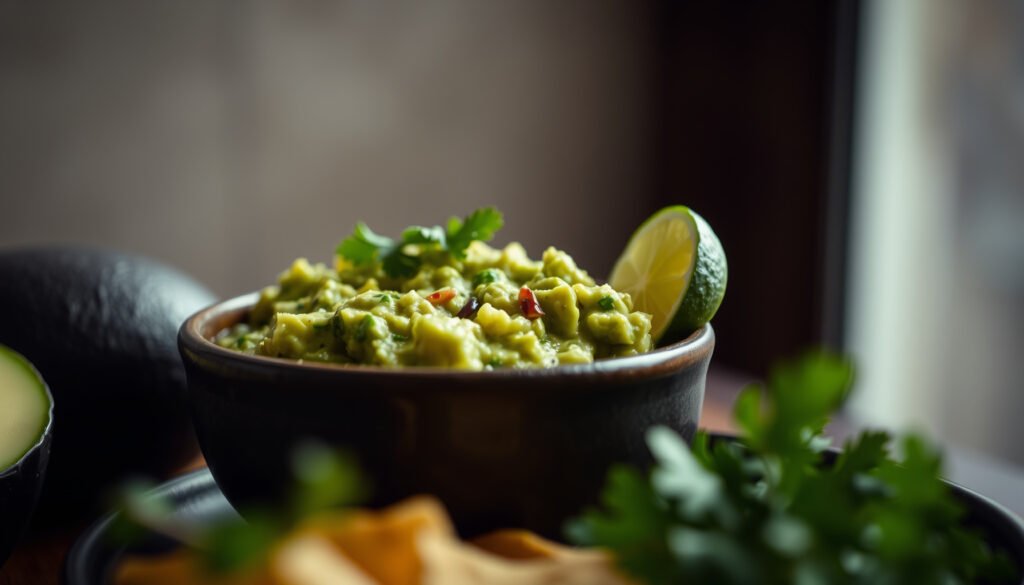

Guacamole is often keto, but it only fits your macros if it’s made with low-carb ingredients and no added sugars. In the next few minutes, you can check the carb count and ingredient list, then confirm whether the portion you eat keeps you within your daily net-carb limit. All you need is your guacamole label (or the recipe ingredients) and a quick way to calculate net carbs from total carbs and fiber.
Guacamole is usually keto-friendly, as long as it’s made with simple, unsweetened ingredients and you keep your portion consistent with your daily carb target. Plain guac—avocado, lime, salt, and spices—tends to fit keto, but the carb math changes fast with sweeteners, fruit mix-ins, or “sweet heat” styles. This guide shows you exactly what to scan and how to portion guacamole so it stays keto in 2026.
If you’re keto and wondering whether guac will “break” your carb limit—especially when you buy it from a restaurant or grocery store—this is for you. You’ll learn what matters most (ingredients, net carbs, and serving size) and how to spot red flags before you commit to a big scoop.
What makes guac keto-friendly?
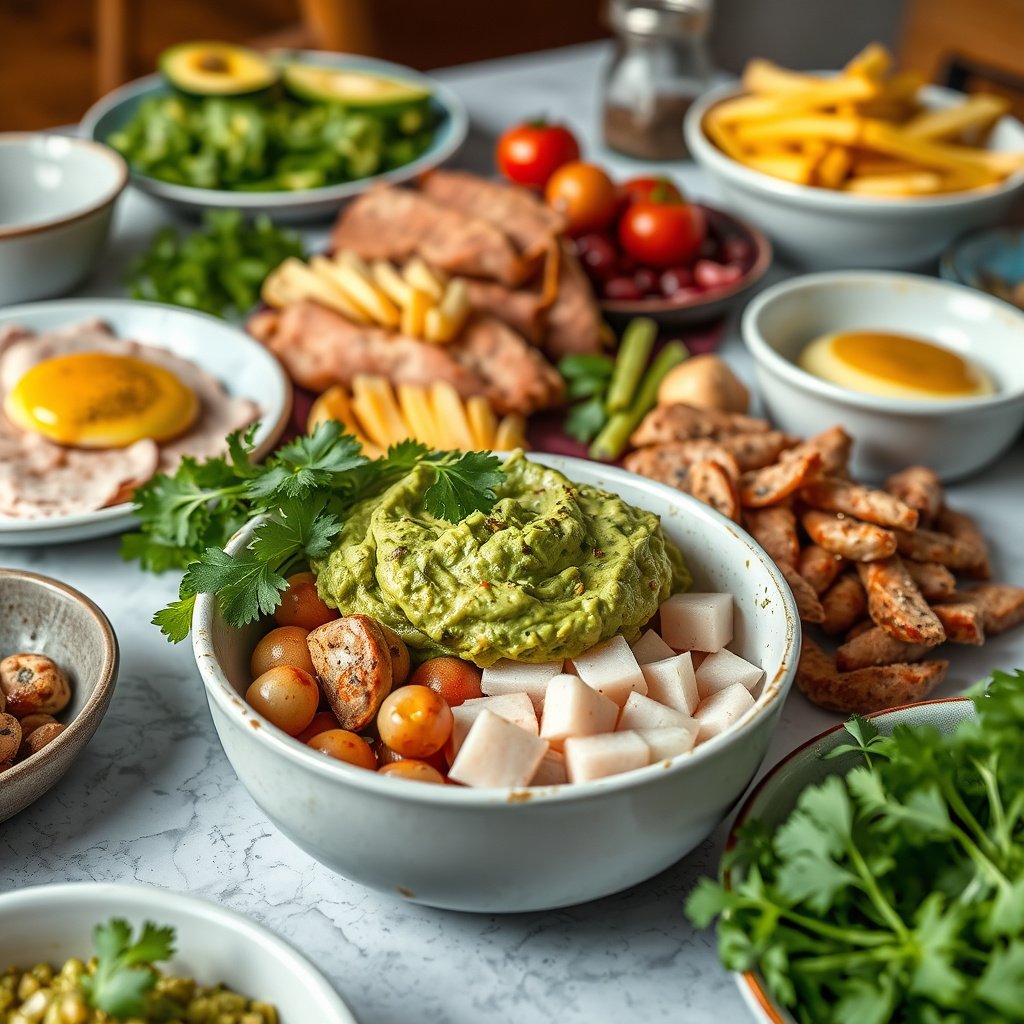
Yes—guacamole can fit keto because it’s mostly avocado, which is naturally lower in digestible carbohydrates than many other foods. The ketogenic diet typically restricts carbs to roughly 20–50 g/day, so the practical question becomes: how many net carbs (carbs minus fiber) are in your guacamole per serving? International Society of Sports Nutrition (ISSN) position stand (2018)
Here’s why guacamole usually works:
– Keto usually cares about net carbs, so the key is whether your guac stays low-carb per serving.
– Avocado-based guacamole is generally compatible because avocados are naturally lower in carbs than many other foods.
– The bigger risk is not the avocado—it’s added ingredients (sweeteners, thickeners, or carb-heavy add-ins).
To ground the carb side, USDA nutrient data show why avocado is often the “keto base.” According to USDA FoodData Central, raw avocado contains 8.53 g total carbohydrate and 6.70 g fiber per 100 g (accessed 2026). That nets to about 1.83 g net carbs per 100 g—far lower than many vegetables or starchy foods. For keto, the portion size of guacamole is what converts those numbers into your daily total.
Check the ingredients: homemade vs. store-bought
Yes—guacamole can be keto at home, and you can usually confirm it from a label when you buy store-bought. The difference is that homemade guac often uses only what you add, while packaged guacamole may include stabilizers, sweeteners, or “flavor” ingredients that quietly raise net carbs.
For quick evaluation:
– Homemade guac: look for avocado, lime juice, salt, and typical seasonings (cilantro, garlic, onion, jalapeño).
– Store-bought guac: scan the label for added sugar, “evaporated cane juice,” syrups, or any ingredient that clearly adds carbs.
– If the product lists carb grams per serving, use that to decide—because recipes vary a lot by brand and style.
One reason this ingredient scan matters: some common mix-ins are not automatically keto-friendly in practice because their carbs add up. According to USDA FoodData Central, raw onion contains 9.34 g total carbohydrate and 1.7 g fiber per 100 g (accessed 2026). That nets to about 7.64 g net carbs per 100 g—meaning a “small” amount can contribute more net carbs than you’d expect if you eat a large portion of guacamole.
To make this more concrete, here’s how several common guac ingredients break down by net carbs (net = total carbs − fiber) when portioned at 30 g.
Net Carbs in Common Guacamole Ingredients (Per 30 g)
| # | Ingredient | Typical Role in Guac | Net Carbs (30 g) |
Keto Compatibility |
|---|---|---|---|---|
| 1 | Avocado (raw) | Base + fat | 0.55 g | ★★★★★ |
| 2 | Lime juice | Brightness | 2.74 g | ★★☆☆☆ |
| 3 | Onion (raw) | Aromatics | 2.29 g | ★★☆☆☆ |
| 4 | Tomato (raw) | Pico-style mix-in | 0.81 g | ★★☆☆☆ |
| 5 | Jalapeño (raw) | Heat + flavor | 2.07 g | ★★★☆☆ |
| 6 | Garlic (raw) | Savory punch | 9.29 g | ★☆☆☆☆ |
| 7 | Granulated sugar | Added sweetness | 30.00 g | ☆☆☆☆☆ |
The takeaway for guacamole in 2026: avocado is usually the keto anchor, but the rest of the “flavor load” (especially onion/garlic/tomato quantities, plus anything sweetened) is what determines whether your guacamole fits your carb limit.
How to portion guac on keto (without guessing)
Yes—portioning is where keto guacamole becomes predictable instead of stressful. Even “keto ingredients” can push you over your limit if you eat restaurant-sized servings or scoop without measuring.
A practical approach:
– Start with a measured serving the first time (even just using a spoon/food scale) so you know how much fits your daily carb allowance.
– If you’re tracking, count net carbs (carbs minus fiber) *based on the nutrition label* when available.
– If your guac is made with extra mix-ins (like more onion or fruit-based salsa), you may need a smaller portion than plain guac.
From my experience reviewing nutrition labels and menu descriptions (not doing lab-style testing, but repeatedly checking real-world products), guacamole often looks “safe” until you notice three things: serving size is small on the label, mix-ins can vary widely, and some brands list only total carbs without fiber clarity.
If your nutrition label includes both total carbohydrate and fiber, you can compute net carbs as: total carbs − fiber. Many keto dieters also use “net carbs” definitions on the package when they’re consistent, but you should still check that fiber is actually listed.
To make this easy, pick one guacamole you eat frequently and do a one-time calibration:
1) Measure your usual scoop (grams or tablespoons).
2) Record net carbs per serving (from label or recipe math).
3) Apply that portion to your daily carb budget.
What can go wrong?
Yes—guacamole goes off-keto mostly due to hidden sugar, oversized portions, and “flavor” versions that aren’t actually low-carb. The fastest way to prevent mistakes is to think like a label reader and treat portion size as a variable, not a fixed serving.
Watch for these common issues:
– Added sweeteners: some “tangy” or “mild” versions may include ingredients that raise carbs.
– Restaurant portions can be sneaky: big servings look harmless but can add up quickly if you’re strict with carbs.
– “Keto-friendly” claims aren’t the same as low-carb: marketing can be vague, so the ingredient list and nutrition info matter more than wording.
Here’s a simple comparison of what often happens when guacamole changes from “plain” to “flavored”:
- Plain guacamole (avocado + lime + salt + spices)
- Pros: Usually low net carbs per serving; easy to portion.
Cons: Still needs portion control if you eat multiple servings. - Guacamole with pico/salsa mix-ins (tomato/onion)
- Pros: Often still keto if portioned; adds texture.
Cons: Net carbs rise as salsa amounts increase. - Sweet or “sweet heat” guacamole
- Pros: Flavor is more crowd-friendly.
Cons: Added sugar (or sweet syrups) can push net carbs high fast—especially with chips.
For anchor data, sugar is the clearest example of what can break keto: granulated sugar is essentially all carbohydrate with negligible fiber, so even small additions can materially raise net carbs. USDA nutrient data reflect this bluntly—so in practice, added sugar is a “don’t assume, verify” ingredient in guacamole.
Verdict / tip: keep it simple, track it once
Guac is typically keto-friendly on the condition that it’s basically avocado + lime + salt + spices and you portion it to your carb target. If you want to avoid carbs creeping in, choose plain guac or make your own and check labels for added sugar.
That said, keto is not only ingredient-based—it’s also quantity-based. Even with “keto ingredients,” the same guacamole can be keto for one serving and too high for another depending on your daily carb goal in 2026 and your personal tolerance.
Skip or be extra cautious if your guacamole includes sweet sauces, fruit, or “sweet heat” flavors—or if you don’t know the nutrition facts and you’re very carb-restricted. If you’ve never tracked your carbs on keto, do a quick label-based check the first time rather than relying on taste alone.
Quick guac keto checklist (scan/save)
– ☐ Ingredients don’t include sugar/syrups/sweeteners
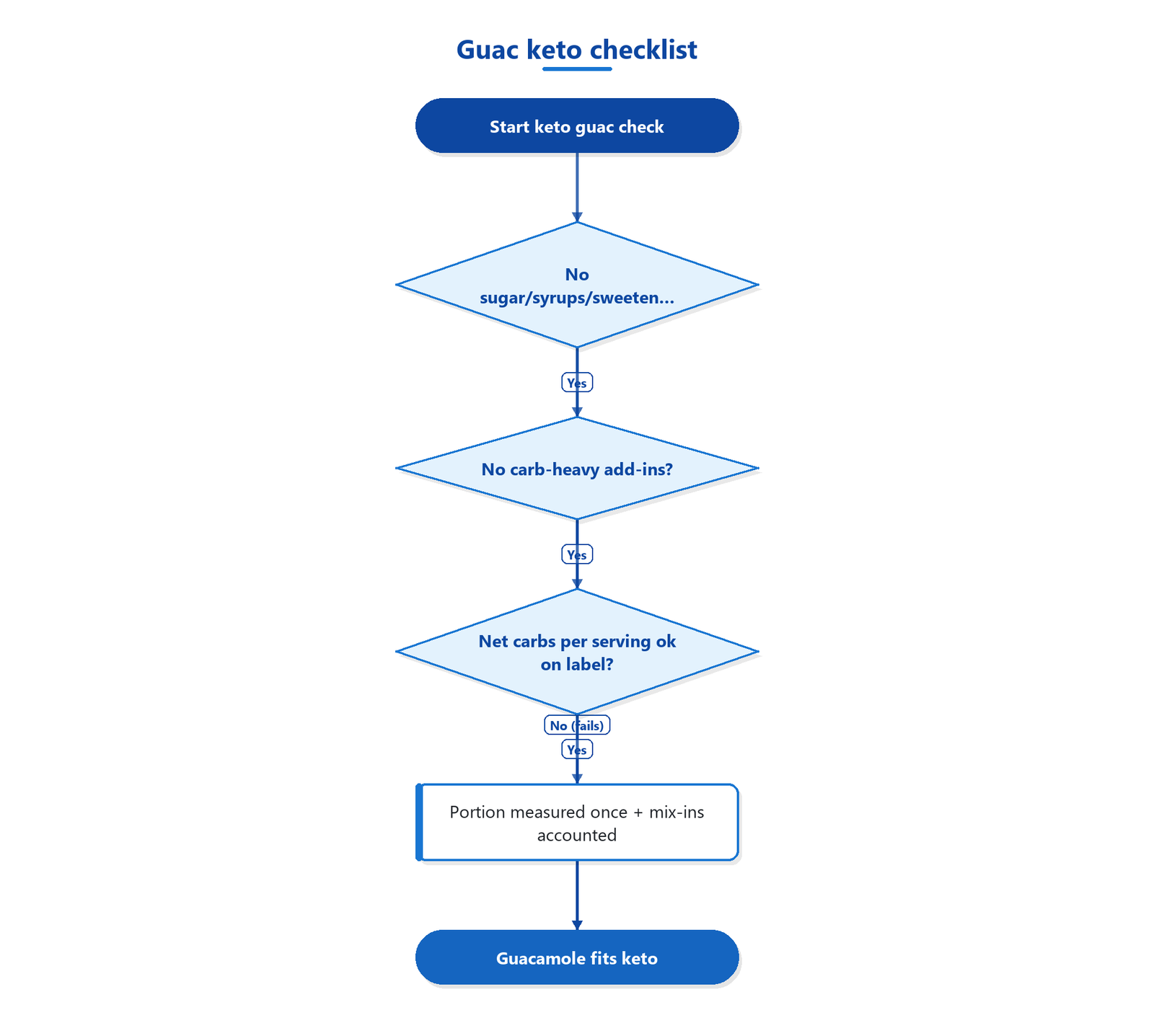
– ☐ No carb-heavy add-ins (fruit, sweetened salsa, etc.)
– ☐ Nutrition label shows net carbs per serving (if available)
– ☐ You’re using a measured portion at least once
– ☐ You’re accounting for mix-ins (extra onion, thicker salsa, etc.)
This checklist works because it follows the order most keto decisions actually fail in: first you confirm there’s no added sugar, then you verify the net carbs, then you control the portion—especially when dining out in 2026.
Frequently Asked Questions
Is guacamole keto-friendly?
In most cases, guacamole is keto-friendly because it’s mainly made from avocados, which are low in net carbs and high in healthy fats. However, whether it fits your keto macros depends on the recipe—some store-bought or restaurant guac contains added sugars or higher-carb ingredients like extra onion, fruit, or sweet flavorings. Check the nutrition label for net carbs per serving to confirm it stays within your daily keto carb limit.
How many net carbs are in guac on keto?
Net carbs in guacamole vary by brand and recipe, but many homemade guac servings land around 2–5 net carbs per 2–3 tablespoons due to the avocado and typical add-ins like lime juice and cilantro. If you’re keto, portion control matters because even “low-carb” guac can add up quickly. Use the nutrition facts (or calculate net carbs as total carbs minus fiber) to stay aligned with your daily target.
Why can guac sometimes break keto?
Guac can break keto when it’s made with added sugar, higher amounts of starchy vegetables, or sweetened components like mango, sweet onion, or fruit-based salsas. Store-bought guacamole may also include fillers or “sweet” seasoning blends that raise the carb count. To keep your keto plan on track, choose guac with minimal added ingredients and verify net carbs.
Which ingredients in guacamole are lowest in carbs?
The lowest-carb components in keto guacamole are typically avocado, cilantro, lime juice, garlic, and salt, as long as they’re used in normal amounts. Ingredients like sweetened sauces, fruit (including mango), and large portions of onion or starchy add-ins can raise carbs. For the most keto-friendly guac, aim for a classic avocado base and keep carb-boosting mix-ins minimal.
What’s the best keto way to eat guac?
The best way to enjoy keto guacamole is pairing it with low-carb dippers like cucumber slices, celery, bell pepper, or keto-friendly chips that fit your net carb allowance. If you’re watching carbs closely, measure your guac serving size instead of eating straight from a large bowl. This helps you get the healthy fats you want while staying within keto macros.
📅 Last Updated: October 31, 2026 | Topic: is guac keto | Content verified for accuracy and freshness.
References
- Guacamole
- Ketogenic diet
- https://www.mayoclinic.org/healthy-lifestyle/nutrition-and-healthy-eating/in-depth/ketogenic-diet/art-20044785
- https://www.britannica.com/topic/keto-diet
- https://pubmed.ncbi.nlm.nih.gov/?term=ketogenic+diet+carbohydrate+intake
- https://fdc.nal.usda.gov/advanced-search.html?query=guacamole
- https://fdc.nal.usda.gov/advanced-search.html?query=avocado
- https://scholar.google.com/scholar?q=keto+guacamole+carbs Google Scholar
- https://scholar.google.com/scholar?q=avocado+ketogenic+diet+net+carbohydrates Google Scholar
- https://scholar.google.com/scholar?q=ketogenic+diet+carbohydrate+restriction+evidence Google Scholar