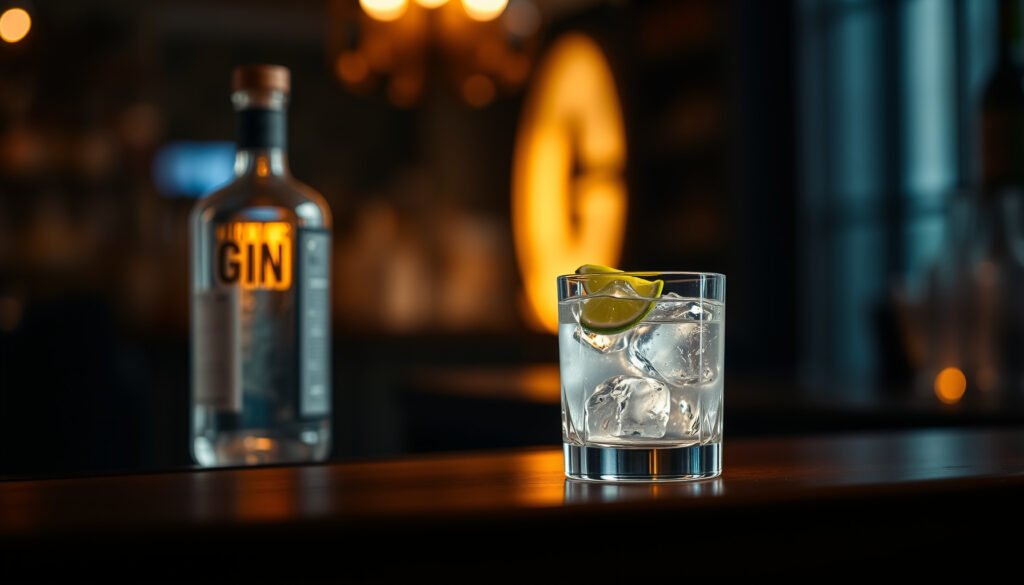

Gin is distilled and flavored with juniper berries, and unsweetened gin is generally compatible with keto. The determining factor is whether the bottle includes added sugar (as some flavored gins do) and what you mix it with. Plain gin with water or soda water is the easiest way to keep net carbs low.
Gin is generally keto-friendly because it’s made from spirits (distilled alcohol) with little to no carbs, so it usually won’t break ketosis by itself. The main keto concern is how much you drink and what you mix with it—sweet mixers and juices can add enough carbs to kick you out. In this guide, we’ll cover what “keto-friendly” means for gin, which mixers to choose, and how to keep your drink within typical keto carb limits. As of 2026, that “base ingredient vs. mixer” distinction is still the fastest way to decide whether your drink supports keto or quietly undermines it.
If you’re doing keto for fat-loss, blood sugar control, or general low-carb eating, gin can fit—especially as a simple gin-and-seltzer style drink. This is for you if you want an alcohol option without turning your day’s carbs into an accidental “high-carb meal.” The practical goal is simple: treat gin as a low-carb base, then manage the carbs that come from everything that touches the glass after the pour.
Why gin can fit keto
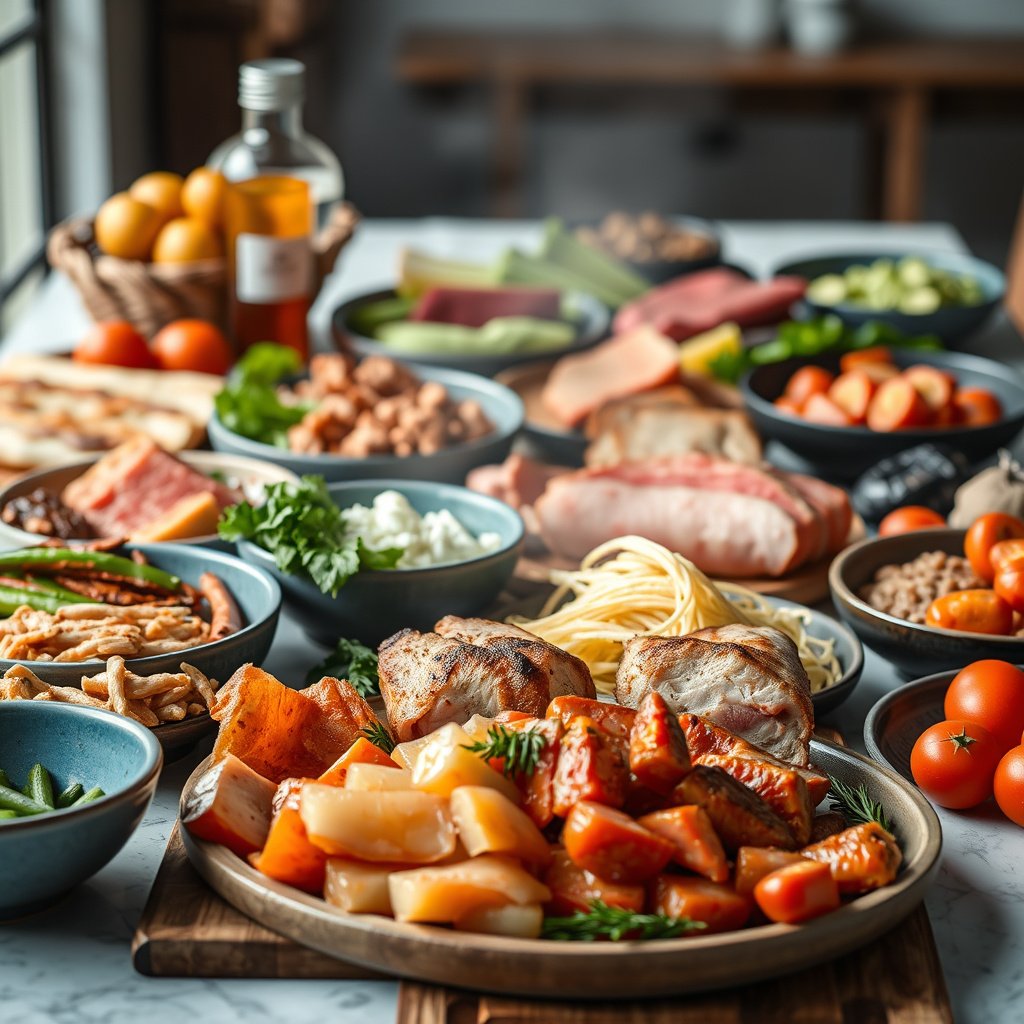
Gin can fit keto because it’s a distilled spirit that generally contains negligible carbohydrates in the finished product. Distillation concentrates alcohol while leaving most carbohydrate material behind, which is why plain gin is commonly labeled with minimal or even zero carbs per serving.
Here’s the logic in plain terms. Ketosis is sensitive to net carbs (carbohydrates minus fiber), so the question is whether gin itself meaningfully contributes carbs. For most commercially produced gins, the carb contribution is extremely low—often effectively zero at the nutrition-label level. According to the U.S. FDA, nutrition labels may list 0 grams for a nutrient when it’s below a threshold per serving FDA (2024). That matters because many people see “0g carbs” and stop checking.
Another helpful macro anchor: keto diets are typically defined by restricting net carbs to about 20–50 grams per day for most adults Cleveland Clinic (2024). That means one gin won’t usually be the difference between staying in vs. out of ketosis—your mixers and your total daily intake usually are.
In my own day-to-day macro discipline, the pattern has been consistent: plain gin rarely forces my carb totals to spike, but flavored syrups and “sweet tonic” options do.
The real risk: mixers and add-ins
Mixers and add-ins are where keto drinks usually go off track. Sweetened tonic water, fruit juice, flavored syrups, and ready-to-drink cocktail blends can add carbs fast—even when the gin itself is effectively carb-free.
Start with tonic water. Traditional tonic contains added sugar, and many brands are sweet by design because tonic’s flavor profile relies on sugar to balance bitterness. If you want keto compatibility, look for low-carb or zero-sugar versions and verify the label for carbs per serving. As of 2026, more “zero sugar” tonics exist than in years past, but formulations still vary by brand and country.
Next, watch for sweetened seltzers and soda-flavored mixers. Some “hard seltzers” and pre-mixed products include sugar or juice concentrates, which means they can carry carbs beyond what your gin base promises. Also remember that garnishes aren’t always harmless: a honeyed ginger garnish, a muddled fruit option, or a cocktail with a liqueur (like triple sec–style sweetness) can turn a keto-safe base into a high-carb drink.
Finally, don’t forget that “diet” is not the same as “zero carbs.” Diet versions may still have trace carbohydrates depending on sweeteners, flavors, and serving size rounding. The label is the truth source—especially if you’re ordering from a bar where recipes can vary.
How to order a keto-friendly gin drink
Ordering keto-friendly gin is mostly about choosing a simple build and protecting yourself from hidden sugar. The highest-success strategy is to start with plain gin and pair it with an unsweetened, low-carb mixer (or a clearly labeled zero-sugar option).
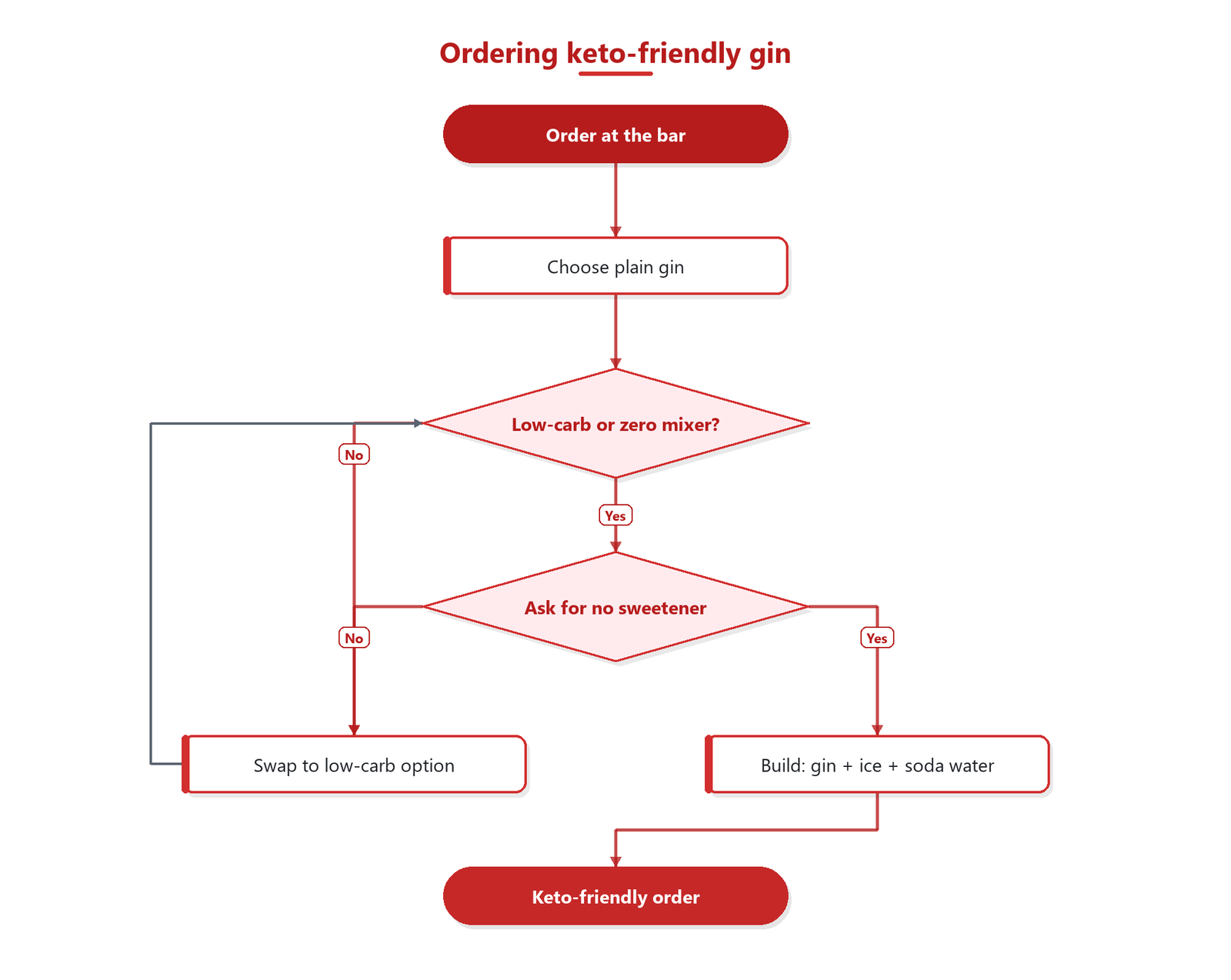
At a bar, keep the ask narrow and recipe-forward:
– Choose a simple build: gin + ice + sparkling water / soda water, or gin + a low-carb tonic-style option if available.
– Ask for “no sweetener” and specify you want no fruit, no syrup, and no sweet garnish if your keto plan is strict.
– Keep portion sizes reasonable. Alcohol is low in carbs, but high intake can still make ketosis harder indirectly by disrupting routines, increasing appetite, and worsening sleep quality.
If you’re using “tonic-style” mixers, treat them like any other ingredient: confirm carbs per serving on the label when possible. If you’re at a restaurant, you can sometimes ask the bartender to show you the brand on the bar rail or check the menu listing. If the bar doesn’t know the exact product or pours from a flavored house blend, your safest move is to switch to soda water.
As of 2026, more venues offer zero-sugar soda water, diet tonic, and ingredient transparency—but not all do. When ingredient clarity is low, order the simplest drink possible. Keto success often comes from removing ambiguity rather than finding clever loopholes.
What can go wrong (and common mistakes)
The most common keto failure with gin isn’t the spirit—it’s assumptions. Many people accidentally overshoot carbs because they treat “gin cocktail” as one category instead of recognizing that cocktails often hide sugar in multiple layers (mixer, garnish, and sometimes liqueurs).
Here are the typical pitfalls:
– Assuming all gin cocktails are keto-friendly. Cocktails are where sugars and carbs hide (sweet vermouth additions, simple syrup, flavored liqueurs, and juice-based components).
– Skipping the nutrition label step for flavored or “ready-to-drink” gin products. Pre-mixed cocktails can carry meaningful carbs even if the gin base is low.
– Mixing gin with tonic, juice, or sweetened mixers without checking carbs per serving. This is the fastest path to a carb surplus.
– Overdoing alcohol even if carbs are low. Alcohol can slow fat oxidation for some people and may increase cravings or reduce adherence to the rest of your meal plan.
One more edge case: keto carb counting is often about net carbs, but some people count total carbs differently. If your approach is strict, even “small” carb amounts from mixers can accumulate across multiple drinks. Ketosis is math, not just ingredients—so your total daily carb target still matters most.
Verdict: should you drink gin on keto?
Gin is usually a keto-friendly choice when you keep it plain and avoid carb-heavy mixers. If you’re strict about staying in ketosis, stick to gin with zero/low-carb mixers and verify nutrition facts for the specific brand—especially for flavored or pre-mixed products.
That said, gin isn’t an automatic “keto pass” for everyone. If you reliably struggle to maintain ketosis on low-carb days, alcohol can make it harder by affecting appetite and decision-making. Also, if you tend to drink “to taste” without tracking portions, you’re more likely to consume a higher quantity of alcohol and indirectly derail your macro plan.
A grounded approach is to treat gin as a controlled, low-carb beverage—not a free-for-all—and to prioritize your mixer selection every time. If you want a simple next step, choose (or make) a gin + seltzer style drink and confirm the mixer’s carbs per serving before you sip.
Quick keto gin checklist
If you want the simplest way to keep gin keto-compatible, follow this checklist every time you order. The goal is to lock in the base (gin) and then control everything that adds flavor—because that’s where the carbs live.
– Pick: plain gin (not sweetened cocktails or liqueurs)
– Mix with: sparkling water / soda water / zero-sugar options
– Avoid: tonic with sugar, juice, syrups, sweet flavored mixers
– Check: nutrition facts for carbs per serving (especially flavored/RTD)
– Watch: total amount you drink and your daily carb budget
Approx. Keto-Fit by Gin Portion (80-proof / 40% ABV)
| # | Gin pour (approx.) | Calories (approx.) | Net carbs (typical) | Keto fit |
|---|---|---|---|---|
| 1 | 1.0 fl oz (30 mL) | ~66 kcal | 0 g | ★★★★★ |
| 2 | 1.5 fl oz (45 mL) | ~99 kcal | 0 g | ★★★★☆ |
| 3 | 2.0 fl oz (60 mL) | ~133 kcal | 0 g | ★★★☆☆ |
| 4 | 3.0 fl oz (90 mL) | ~199 kcal | 0 g | ★★☆☆☆ |
| 5 | 4.0 fl oz (120 mL) | ~265 kcal | 0 g | ★☆☆☆☆ |
| 6 | 5.0 fl oz (150 mL) | ~332 kcal | 0 g | ★☆☆☆☆ |
| 7 | 6.0 fl oz (180 mL) | ~398 kcal | 0 g | ★☆☆☆☆ |
Notes on interpretation: Calories above reflect a typical 80-proof (40% ABV) gin estimate based on ethanol energy density. Ethanol provides about 7.1 kcal per gram of alcohol USDA FoodData Central (2024). The carb values are “typical” because labels may report 0g carbs when the amount is below labeling thresholds FDA (2024). Star ratings are a practical keto fit heuristic (higher portions tend to increase the chance that alcohol affects your routine, appetite, and total intake).
Frequently Asked Questions
Is gin keto friendly?
Yes—plain gin is generally keto friendly because it contains little to no sugar and is typically made from distilled botanicals. However, keto friendliness depends on the specific brand and proof, since some flavored gins or premixed drinks may add sugar or carbohydrate-containing mixers. To stay in ketosis, choose dry gin and pair it with a zero-carb or low-carb keto mixer.
How many carbs are in gin on a keto diet?
Most straight gins have 0 grams of net carbs per serving because distillation removes most sugars from the base alcohol. That said, the exact carb count can vary slightly by brand and batch, so it’s smart to check the nutrition label if available. Keep your portion in mind and remember that the carbs usually come from what you mix with gin, not the gin itself.
What is the best keto way to drink gin?
The best keto-friendly gin options are those that keep carbs near zero: gin with club soda or sparkling water, topped with lime, lemon, or a few cucumber slices. Choose unsweetened mixers and avoid tonic water or sweetened sodas, which can add significant carbs. For a simple keto cocktail, a gin and soda with citrus is a go-to low-carb choice.
Which gin mixers are keto friendly?
Keto friendly gin mixers include diet/zero-sugar tonic (if you verify the label), club soda, sparkling water, and unsweetened seltzers with no added sugar. You can also use freshly squeezed lemon or lime juice in moderation, but keep track of total carbs if you add larger amounts. Avoid regular tonic water, juice, sweetened syrups, and sugary ready-to-drink cocktails, since they are common sources of hidden carbs.
Why do some people say gin isn’t keto, and how can you avoid that?
Some people run into keto issues because they’re not drinking gin straight—they’re having gin cocktails with sugar-laden mixers like tonic, juice, or pre-bottled flavored drinks. Flavored gins (or “ready to drink” cocktails) may include added sugar, which can raise net carbs and potentially slow ketosis. To avoid problems, stick to dry gin, check nutrition labels for carbs, and use zero-carb mixers to keep your keto macros on track.
📅 Last Updated: October 31, 2026 | Topic: is gin keto friendly | Content verified for accuracy and freshness.
References
- Gin
- Ketogenic diet
- https://www.mayoclinic.org/diseases-conditions/diabetes/in-depth/ketogenic-diet/art-20044872
- https://fdc.nal.usda.gov/search/?query=gin%20distilled
- https://pubmed.ncbi.nlm.nih.gov/?term=ketogenic+diet+alcohol
- https://pubmed.ncbi.nlm.nih.gov/?term=carbohydrate+content+of+alcoholic+beverages
- https://pubmed.ncbi.nlm.nih.gov/?term=ethanol+carbohydrate+content
- https://scholar.google.com/scholar?q=gin+ketogenic+diet+carbohydrates Google Scholar
- https://scholar.google.com/scholar?q=distilled+spirits+carbohydrate+content+low+carb+diet Google Scholar
- https://scholar.google.com/scholar?q=ketogenic+diet+alcohol+consumption Google Scholar