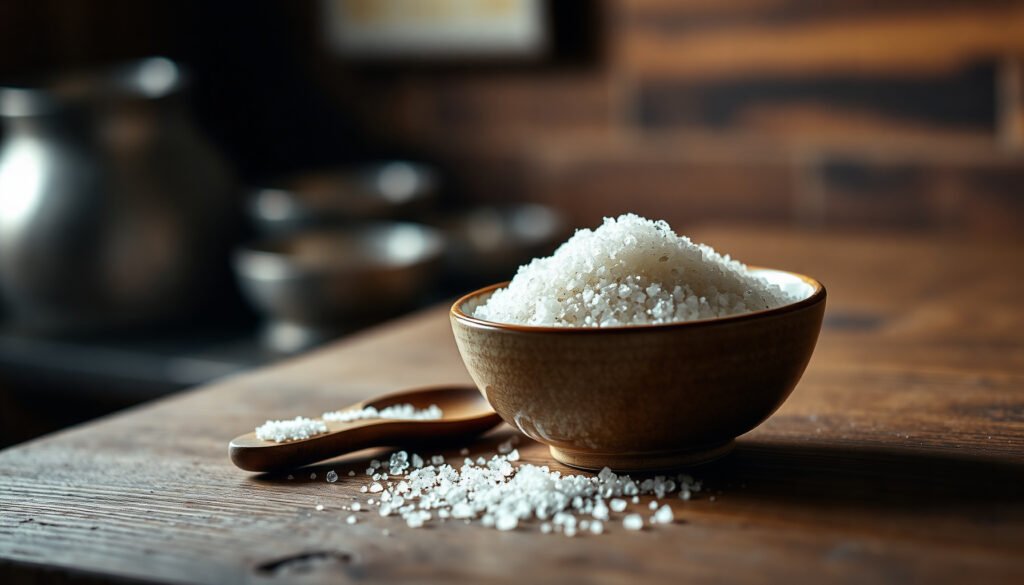

Cane sugar is not keto-friendly, and that is likely the answer you were hoping would be different. On a ketogenic diet, you typically need to keep net carbs very low to stay in ketosis, and cane sugar is pure carbohydrate with no fat or fiber to blunt its impact.
Cane sugar is generally not keto-friendly because it’s essentially pure sugar (carbs) and can quickly push you over your daily carb limit. If you’re doing keto, you’ll usually want to avoid cane sugar and switch to low- or no-carb sweeteners instead—especially since “natural” or “unrefined” claims don’t change the carb math. In this guide, we’ll break down why cane sugar doesn’t fit keto and what to use instead.
If you’re tracking net carbs, trying keto for weight loss, or managing cravings while keeping carbs low, this is for you. It’s especially relevant if you’ve seen “natural” or “unrefined” claims on cane sugar and wondered whether that changes the keto math.
How to tell if cane sugar fits keto
Cane sugar usually fails keto immediately because it provides carbohydrates (sucrose) that count toward your daily limit. The practical test is whether cane sugar still keeps your net carbs low enough for ketosis—commonly ~20–50 g net carbs/day, depending on the person and the plan you follow.
– Cane sugar is all carbohydrate (sucrose), so it affects your carb count immediately.
– On keto, the main question is whether your daily net carbs stay low enough for ketosis (commonly ~20–50g net carbs/day, depending on the person).
– Even small amounts add up fast—about 1 teaspoon (4g) sugar ≈ ~4g carbs.
To make that more concrete, here’s how common sweeteners typically compare by the amount people often use in coffee or baking.
Estimated carbs per 1 teaspoon and keto-friendliness (typical kitchen use)
| # | Sweetener | Carbs per 1 tsp (g) | What it means on keto | Keto score |
|---|---|---|---|---|
| 1 | Cane sugar (table sugar) | 4.0 | Counts fully as carbs | ★☆☆☆☆ |
| 2 | Honey | 5.8 | Often higher than sugar per tsp | ★☆☆☆☆ |
| 3 | Maple syrup | 4.4 | Still carb-heavy | ★☆☆☆☆ |
| 4 | Agave syrup | 5.4 | Comparable carb load to honey | ★☆☆☆☆ |
| 5 | Erythritol (common keto option) | ~0.0–0.2 | Often low-impact on net carbs | ★★★★☆ |
| 6 | Allulose (keto baking favorite) | ~0.1–0.5 | Usually very low net carbs | ★★★★☆ |
| 7 | Stevia / monk fruit (drops or powder) | ~0.0 | Carb-free sweetness for most uses | ★★★★★ |
A few key anchors you’ll see repeated in keto tracking: According to USDA FoodData Central, 1 teaspoon (about 4g) of table sugar has ~4.0g total carbohydrate. According to USDA FoodData Central, 1 tablespoon of honey has ~17.3g carbohydrate (so ~5.8g per teaspoon). And according to US Cleveland Clinic, many ketogenic diets aim for ~20–50 g net carbs/day to maintain ketosis. These are the numbers that make cane sugar hard to “budget” on keto in 2026.
Why cane sugar usually isn’t keto friendly

Cane sugar usually isn’t keto friendly because it raises blood sugar and consumes a meaningful slice of your daily carb allowance. Even if you “only use a little,” cane sugar is still sucrose—your body breaks it down into glucose, which defeats the whole point of staying in ketosis.
– It spikes blood sugar more than keto sweeteners do, which can make it harder to stay in ketosis.
– Keto is carb-limited; cane sugar doesn’t offer any “keto buffer” because it converts to glucose during digestion.
– “Natural” doesn’t mean low-carb—cane sugar’s origin doesn’t change its carbohydrate impact.
From a practical standpoint, cane sugar is also predictable: it behaves like carbs because it is carbs. Keto sweeteners are designed around the opposite goal—either adding minimal carbohydrates (stevia, monk fruit), using sugar alcohols with lower net-carb impact (erythritol blends), or using specialized carbohydrates with reduced metabolic effect (allulose). In contrast, cane sugar doesn’t offer those metabolic workarounds; it’s simply a fast, measurable carbohydrate input.
And if you’re tracking net carbs, cane sugar doesn’t give you “wiggle room.” Net carbs typically focus on carbs minus fiber, and cane sugar provides almost no fiber to offset it. So 1 teaspoon of cane sugar is roughly 4 grams of carbs—meaning multiple coffees, a spoonful in yogurt, or a sweetener “adjustment” in baking can add up quickly across a single day.
Better keto-friendly sweeteners to consider
Cane sugar is usually a poor choice, but you still have options that satisfy cravings without blowing up your carb budget. The best keto sweetener depends on how you use it (coffee, baking, or sauces) and how you handle sugar alcohols.
– Stevia or monk fruit (luo han guo): typically used for sweetness with little to no net carbs.
– Erythritol (often sugar alcohol blends): usually lower net carbs, but can cause digestive issues for some people.
– Allulose: often used in keto baking; some products list very low net carbs, but label details matter.
Here’s a simple way to compare what keto-friendly sweeteners tend to “feel like” in daily use:
| Sweetener option | Best for | Common trade-offs vs. cane sugar |
|---|---|---|
| Stevia | Coffee/tea | Can taste slightly bitter or “licorice-like” for some people |
| Monk fruit | Coffee/tea, recipes | Flavor may be milder than stevia, but blends vary |
| Erythritol (often blended) | Baking + bulk sweetness | Some people get gas/bloating at higher amounts |
| Allulose | Keto baking, browning-like flavor | Label math varies; large amounts can cause GI upset in sensitive users |
One important 2026 reality: keto products vary wildly by brand because sweeteners are often sold as blends. That means cane sugar is still the reference point for sweetness intensity, but you should evaluate substitutes by their nutrition label and your personal tolerance—not by marketing claims.
What can go wrong (and when it matters)
Cane sugar trips keto plans most often through tracking mistakes and portion creep. Even if cane sugar seems “small,” it can push you over your net-carb target faster than you expect—especially when you’re not counting every ingredient consistently.
– Forgetting net carbs vs. total carbs: Some labels show total carbs; keto typically cares about net carbs (watch fiber and sugar alcohols).
– Portion creep: “Just a little” (like sweetening drinks) can silently add several teaspoons over a day.
– Digestive side effects from substitutes: Some sugar alcohols can cause gas or loose stools—especially in larger amounts.
– Misreading “keto desserts” branding: Some “keto” products still use ingredients that add meaningful carbs or raise totals if you eat more than planned.
A frequent confusion point is that “net carbs” calculation isn’t a universal law—it’s a method. Most keto trackers subtract fiber, and many people subtract certain sugar alcohols based on how they’re handled in nutrition labeling. But if you rely on a food label that doesn’t clearly state net carbs, you may need to do the math yourself. In that scenario, cane sugar is simpler—but that simplicity is also the problem: cane sugar provides carbs with no fiber offset.
I also see “quantity mismatch” mistakes: a teaspoon measure in a recipe doesn’t always match what the person pours into a mug. If you’re swapping cane sugar out for keto sweeteners, measure consistently for a week (even if it feels obsessive at first). This is where tracking becomes the difference between staying in ketosis and wondering why energy and cravings feel “off” again in the middle of the day.
Finally, if you’re using “keto” desserts, remember that cane sugar is often replaced by blends, and those blends can still carry meaningful carbs depending on serving size. The keto issue is not whether a product says keto—it’s whether the actual carbs per serving fit your daily target.
Verdict: when to avoid cane sugar on keto
If you’re following keto strictly, skip cane sugar—it’s not a practical way to sweeten food while staying low-carb. The downside of using it is straightforward: you’ll likely blow past your carb targets faster than you expect, and you may reduce ketosis consistency.
You may want to avoid it especially if you:
– are very carb-sensitive,
– are early in keto (when you’re trying to stabilize ketosis),
– or are using keto for a condition where blood sugar control matters.
Here’s the honest trade-off: cane sugar is easy to use because it tastes familiar, but keto demands precision. Most people don’t fail keto because they ate one bite of something sweet; they fail because multiple small “budget exceptions” accumulate. In that context, cane sugar is one of the most predictable carb sources you can add—so it’s also one of the easiest to remove.
Also, if you’re in 2026 and following a keto approach that emphasizes consistency (whether for weight management, appetite control, or glycemic stability), cane sugar generally undermines that consistency more than most alternatives.
Quick cane sugar keto checklist
| Question | If the answer is “yes,”… |
|---|---|
| Will I use cane sugar as a sweetener? | Plan to count it as carbs (often ~4g carbs per tsp). |
| Am I aiming for ketosis/low net carbs? | Expect cane sugar to make that harder. |
| Is the label helping me track carbs? | Choose sweeteners with clearer low-net-carb nutrition. |
| Do I tolerate sugar alcohols well? | If not, use stevia/monk fruit instead. |
Frequently Asked Questions
Is cane sugar keto friendly?
No—cane sugar is not keto friendly because it’s a high-carbohydrate sweetener that will raise your blood sugar and reduce ketosis. On a ketogenic diet, most people aim for very low net carbs per day (often around 20–50g), and regular cane sugar typically adds too many carbs quickly. If you’re trying to stay keto, you’ll generally want to avoid cane sugar and look for keto-friendly alternatives.
How many net carbs are in cane sugar, and will it knock you out of ketosis?
Cane sugar contains all digestible carbs, meaning the net carbs are essentially the total carbs. For example, 1 tablespoon of cane sugar is roughly 12–13 grams of carbs, which can consume a large portion of a keto day’s carb limit. Whether it “knocks you out” depends on your daily carb allowance and individual tolerance, but even small amounts can make it harder to stay in ketosis.
Why is cane sugar not recommended for keto diets?
Keto diets rely on carbohydrate restriction to encourage your body to burn fat for fuel instead of glucose. Cane sugar is rapidly absorbed and increases blood glucose, which can interfere with ketosis. Even though it’s “natural,” it’s still sugar with a significant carbohydrate load that doesn’t align with keto macros.
Which keto sweeteners are better than cane sugar?
Better options for keto include erythritol, monk fruit (often in blend forms), stevia, and allulose, which typically have minimal impact on net carbs. Many keto bakers also use sugar alcohols like erythritol, but some people find they cause digestive discomfort. Always check the nutrition label for net carbs and ingredients, since some “natural” sweeteners can still contain added sugars.
What’s the best way to satisfy a sweet tooth on keto without cane sugar?
Choose keto-approved sweeteners and pair them with meals or recipes designed to keep net carbs low. You can sweeten keto coffee or recipes with monk fruit, stevia, or erythritol-based products, and focus on portion control to stay within your daily carb target. If you’re using packaged “keto” treats, review total carbs and net carbs to ensure the alternative is truly keto friendly and not sugar disguised by other carb sources.
📅 Last Updated: November 24, 2026 | Topic: is cane sugar keto friendly | Content verified for accuracy and freshness.
References
- https://www.mayoclinic.org/healthy-lifestyle/weight-loss/in-depth/keto-diet/art-20198373
- https://medlineplus.gov/ency/article/007195.htm
- Ketogenic diet
- Food Search | USDA FoodData Central
- ketogenic diet carbohydrate limit – Search Results – PubMed
- carbohydrate intake and ketosis – Search Results – PubMed
- Guideline: sugars intake for adults and children
- https://scholar.google.com/scholar?q=is+cane+sugar+keto+friendly Google Scholar
- https://scholar.google.com/scholar?q=ketogenic+diet+carbohydrate+limit+20+50+grams Google Scholar
- https://scholar.google.com/scholar?q=low+carbohydrate+diet+added+sugar+effect+on+ketosis Google Scholar