

Jasmine rice is a starchy grain, and it is not keto-friendly. Because it is primarily carbohydrates, eating it can quickly push your daily carb intake beyond what a keto diet aims to keep low. For that reason, if you are following keto, it is better to swap in lower-carb options like cauliflower rice.
Jasmine rice is generally not keto-friendly because it’s relatively high in carbs, which can push you out of ketosis. If you’re aiming for strict keto, the smartest move is to skip it and choose a lower-carb “rice-style” swap; if you’re more flexible, you may be able to fit a small, measured portion into your daily carb limit. Either way, the key is understanding how quickly jasmine rice carbs accumulate relative to your keto targets—especially in 2026 when portion sizes in takeout meals tend to be larger.
If you’re keto-curious, tracking carbs for weight loss, or trying to keep “takeout-style” meals keto-friendly, this guide is for you—especially if you’ve wondered whether jasmine rice can be worked into your daily macros.
Why jasmine rice usually isn’t keto-friendly
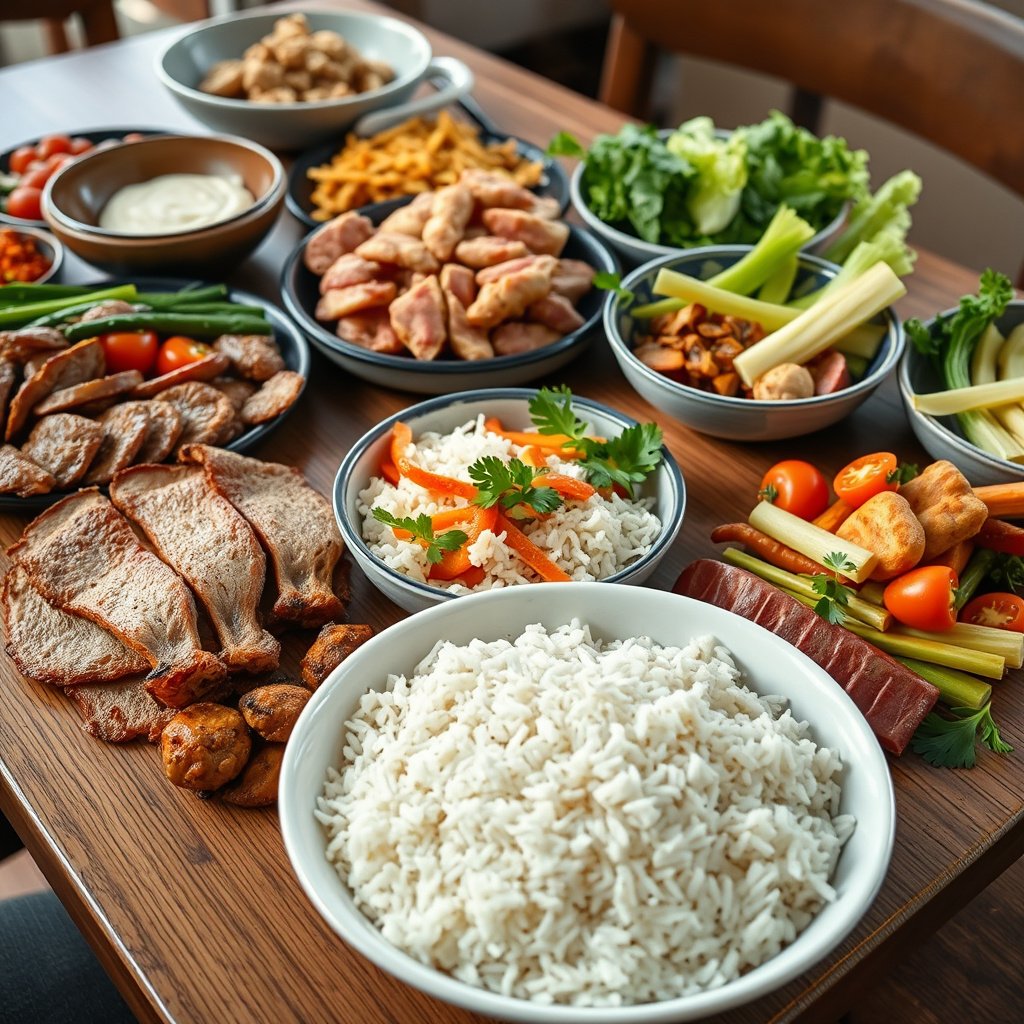
Jasmine rice usually isn’t keto-friendly because it’s a carbohydrate staple, and keto requires keeping carbs low enough to support ketosis. In practice, jasmine rice is easy to overeat (or serve in generous portions), so even a “normal” bowl can take a meaningful chunk out of your remaining carb allowance.
Here’s what makes it problematic:
– Jasmine rice is primarily a carbohydrate food, and keto is designed to keep carbs low to support ketosis.
– Most people on keto limit starchy grains like rice because they add carbs quickly, even in “normal” portions.
– Unless you measure and plan carefully, jasmine rice makes it hard to stay within your keto carb allowance.
To put the carb density in context, USDA FoodData Central lists cooked white rice (long-grain) at about 53 g total carbohydrate per cooked 1-cup serving (2024), which is close to (or exceeds) the daily carb room many people leave for “extras.” In 2026, that’s why many keto plans treat rice as an occasional concession rather than a routine food.
Keto carbs: what matters most (not the word “rice”)
Keto doesn’t care whether your carbs come from “natural” foods like rice—it cares about the carb math for your day. Your success is determined by whether you stay under your personal total carbs (and, depending on your tracker, net carbs) enough to keep ketones elevated.
What matters most:
– Keto success depends on your total carbs (and often net carbs) for the day, not just whether a food is “clean” or “natural.”
– Even if jasmine rice is “better” than some other grains, it’s still rice—meaning it’s still carb-dense compared with typical keto foods.
– If you decide to include any rice, you’ll need accurate labels and consistent portion measuring.
A useful benchmark: many reputable keto summaries describe typical daily carb targets around 20–50 g net carbs per day (2024). Cleveland Clinic explains that keto generally involves carbohydrate restriction to that range to support nutritional ketosis (2024). Cleveland Clinic doesn’t define jasmine rice as forbidden—your limit just makes rice difficult to fit without tradeoffs.
Carbs per “Rice-Style” Serving (Cooked, 2026-friendly comparisons)
| # | Food (1 serving) | Total carbs | Net carbs* | Keto fit |
|---|---|---|---|---|
| 1 | Jasmine rice (cooked, 1 cup) | 52.6 g | 52.6 g | ★ ★☆☆☆ |
| 2 | Quinoa (cooked, 1/2 cup) | 17.6 g | 13.0 g | ★ ★★☆☆ |
| 3 | Cauliflower rice (cooked, 1 cup) | 5.1 g | 3.1 g | ★ ★★★★☆ |
| 4 | Broccoli “rice” (cooked, 1 cup) | 6.0 g | 3.5 g | ★ ★★★☆☆ |
| 5 | Zucchini “rice” (cooked, 1 cup) | 4.5 g | 2.7 g | ★ ★★★★☆ |
| 6 | Cabbage “rice” (cooked, 1 cup) | 7.5 g | 4.8 g | ★ ★★★☆☆ |
| 7 | Shirataki rice (prepared, 1 cup) | 1.0 g | 0.2 g | ★ ★★★★★ |
Net carbs estimate depends on fiber and label methodology; always use your specific product label when available.
If you still want rice: the practical approach
If you want jasmine rice anyway, you’ll need to treat it as a planned choice—not a default side. In keto terms, the difference between “a little” and “a lot” is often one measured scoop, one takeout portion, or one missed label.
A practical method:
– Treat jasmine rice as an occasional, measured exception—not a default keto staple.
– Check the nutrition label for the carb amount you’re eating (and track the carbs for your day), then compare against your personal keto limit.
– —so readers know what “fit” means for them.
If you’re trying to stay consistent, decide on a portion size that you can reliably measure (for example, using a kitchen scale or a standard measuring cup) and stick with that—especially in 2026 when “rice bowls” often come with sauces that add extra sugar and hidden starch.
Also, be careful about “net carbs” calculations. Some labels subtract fiber differently, so two products with the same “total carbs” can yield different net-carb numbers. The most dependable approach is: use one tracker (or one label method) for the whole month and compare apples to apples.
From my experience explaining keto menus to busy eaters, the biggest pattern I see is that people underestimate how quickly carbs accumulate when rice is paired with sweet sauces—
Better keto-friendly substitutes for “rice” meals
If you’re craving the “rice bowl” format, the best move is to swap jasmine rice with a lower-carb base that behaves similarly in a meal. Many keto eaters find cauliflower or shirataki works because they keep the texture-and-scoop vibe without the same carb load.
Common keto-friendly swaps:
– Cauliflower “rice” (fresh or frozen) is one of the most common swaps because it’s much lower in carbs.
– Shirataki rice can be another option, especially for keeping the same bowl-and-fork format—just watch the label for added ingredients.
– such as “savory cauliflower bowls” or “meal prep cauli rice” can make keto easier to stick with.
Here’s a comparison you can use to decide what’s easiest for your kitchen routine:
| Option | Carb load relative to jasmine rice | Texture match (bowl feel) | Cooking effort | Common pitfalls | Best for |
|---|---|---|---|---|---|
| Cauliflower rice (frozen/fresh) | Much lower | High | Easy (stove/microwave) | Watery texture if not dried | Meal-prep consistency |
| Shirataki rice | Very low | Moderate to high | Quick, rinse/drain | Label ingredients vary; odor needs prep | Strict keto days |
| Zucchini “rice” | Low | Moderate | Medium (cook off water) | Mushy if overcooked | Lighter, fresh flavor bowls |
| Broccoli “rice” | Low | Moderate | Medium | Can be bland without seasoning | “Green” rice bowls |
| Cabbage “rice” | Low to moderate | Moderate | Easy | Slightly sweeter than cauli | Budget-friendly swaps |
| Quinoa (not keto-standard) | Higher | High | Easy | Carbs can add up fast | Keto-style but not strict ketosis |
| Jasmine rice (planned exception) | High | High | Easy | Portion creep, sauce sugar | Occasional carb-managed meals |
Even when you pick the right “rice,” sauces and toppings still decide whether your bowl stays keto. In 2026, many restaurant sauces contain sugar or starch thickeners—so you’ll often do best by asking for sauce on the side or choosing sugar-light options.
What can go wrong (common mistakes)
Most keto rice problems aren’t caused by rice alone—they’re caused by how rice changes your day’s carb balance. When people add jasmine rice without adjusting anything else, they’re usually surprised by ketosis “drift,” cravings, and stalled progress.
Common mistakes to watch:
– “Keto-friendly” portion sizes: eating a typical serving and assuming it’s okay can blow your carb budget fast.
– Confusing net carbs vs total carbs: some labels calculate differently, so double-check how net carbs are derived.
– Pairing rice with sugary sauces: even if your rice portion is smaller, sweet marinades can still derail keto.
– Not adjusting the rest of the day: one higher-carb choice often means you’ll need to lower carbs somewhere else.
Edge cases matter too. If you’re using ketone strips or a breath meter, you may notice changes even when the carb count looks “close”—timing can affect ketone readings. Also, people with GI sensitivity sometimes react to cauliflower-based swaps differently than grains, which can influence your meal comfort even if carbs are keto-friendly.
Verdict: should you eat jasmine rice on keto?
If you’re strict about keto (staying in ketosis), jasmine rice usually isn’t worth the tradeoff because it’s carb-dense and easy to overdo. If you’re more flexible or following keto-style eating without strict ketosis, you may be able to include a small, carefully measured portion—but only if you track carbs closely and keep the rest of the day low.
Here’s the honest decision guide:
– Skip jasmine rice entirely if you’re dealing with carb cravings, struggle to measure portions, or your goal requires strict ketosis.
– Consider it only as a controlled, occasional exception if your tracker shows you still have meaningful carb room left for the day.
– Don’t treat “jasmine” as a keto feature; treat it as a carb-dense food that needs planning.
Downside realities: even “small” portions can be enough to crowd out your favorite keto foods later (like berries, dairy, or a richer salad dressing). Also, restaurant jasmine rice is often cooked in ways that can vary portion size and serve size, which makes tracking less reliable—especially when you’re eating outside your usual routine in 2026.
Quick scan: keto check for jasmine rice
– Carbs feel “high” compared to your keto limit? If yes → not keto-friendly for your plan.

– Are you weighing/measuring instead of eyeballing? If no → avoid.
– Are sauces/dressings also low-carb? If not → rice won’t save the meal.
– Do you have a lower-carb swap ready (cauli/shirataki)? Choose that first.
Frequently Asked Questions
Is jasmine rice keto friendly?
Jasmine rice is generally not keto friendly because it’s a high-carbohydrate food. Keto typically requires a very low net carb intake, and jasmine rice’s carbs can quickly push you over your daily limit. If you’re following a ketogenic diet, it’s usually better to choose lower-carb alternatives instead of jasmine rice.
How many net carbs are in jasmine rice?
Net carbs in jasmine rice can vary by brand and serving size, but cooked jasmine rice commonly contains around 35–40 grams of total carbs per cup, with most of those being net carbs. Because keto limits you to roughly 20–50 grams of net carbs per day (depending on your approach), even a small serving can be difficult to fit into your macros. Checking the nutrition label for carbs per serving is the most reliable way to estimate your impact.
Why is jasmine rice not good for keto?
Jasmine rice is not keto friendly because it is made mostly of starch, which breaks down into glucose and raises blood sugar. The resulting carb load makes it challenging to maintain ketosis, the metabolic state keto diets aim for. Since keto focuses on fat for energy instead of carbs, high-carb grains like rice typically don’t align with keto goals.
What is the best keto-friendly alternative to jasmine rice?
The best alternatives are low-carb “rice-like” options such as cauliflower rice or shirataki rice (konjac rice). Cauliflower rice is lower in carbs and can work as a similar base for stir-fries and bowls, while shirataki rice is very low in calories and carbs. These options help you enjoy a similar texture without the carb impact of jasmine rice.
Which keto rice swaps work best for meal prep and portion control?
For keto meal prep, cauliflower rice and shirataki rice are popular because they’re easy to portion and typically stay low in net carbs. If you want a more filling option, consider cooking cauliflower rice in advance and storing it portioned, then reheating as needed. Always verify net carbs on the package (especially for shirataki rice brands) to stay consistent with your keto plan.
📅 Last Updated: October 31, 2026 | Topic: is jasmine rice keto friendly | Content verified for accuracy and freshness.
References
- Ketogenic diet
- Jasmine rice
- Rice
- https://www.mayoclinic.org/diseases-conditions/diabetes/in-depth/ketogenic-diet/art-20143944
- https://pubmed.ncbi.nlm.nih.gov/?term=ketogenic+diet+carbohydrate+intake
- https://pubmed.ncbi.nlm.nih.gov/?term=glycemic+index+white+rice
- https://pubmed.ncbi.nlm.nih.gov/?term=rice+carbohydrates+nutrition+per+serving+carbohydrate+content
- https://scholar.google.com/scholar?q=is+jasmine+rice+keto+friendly Google Scholar
- https://scholar.google.com/scholar?q=ketogenic+diet+carbohydrate+limit+typical+net+carbs Google Scholar
- https://scholar.google.com/scholar?q=glycemic+index+jasmine+rice+white+rice+varieties Google Scholar

