

By setting the right daily fat target on keto, you can keep your carb intake low enough to stay in ketosis while still meeting your calorie needs. This article explains how to calculate your keto fat grams using a practical method, what daily ranges typically guide those calculations, and how to adjust when your energy, hunger, or weight changes. You will leave with clear numbers you can use immediately in meal planning and tracking.
On keto, most people land around 70–80% of daily calories from fat, then calculate fat grams from their calorie target. If ketosis or weight loss stalls, the fix is usually carb accuracy and total calories first, not blindly forcing fat percentages—so you end up with numbers that match what your body is actually doing.
If you’re new to keto (or you’ve tried it and felt “off”), this is for you—especially if you want a clear fat target instead of guessing. It’s also useful if you’ve already set carbs but aren’t sure how that choice affects your fat intake.
Fat on keto: the usual macro range
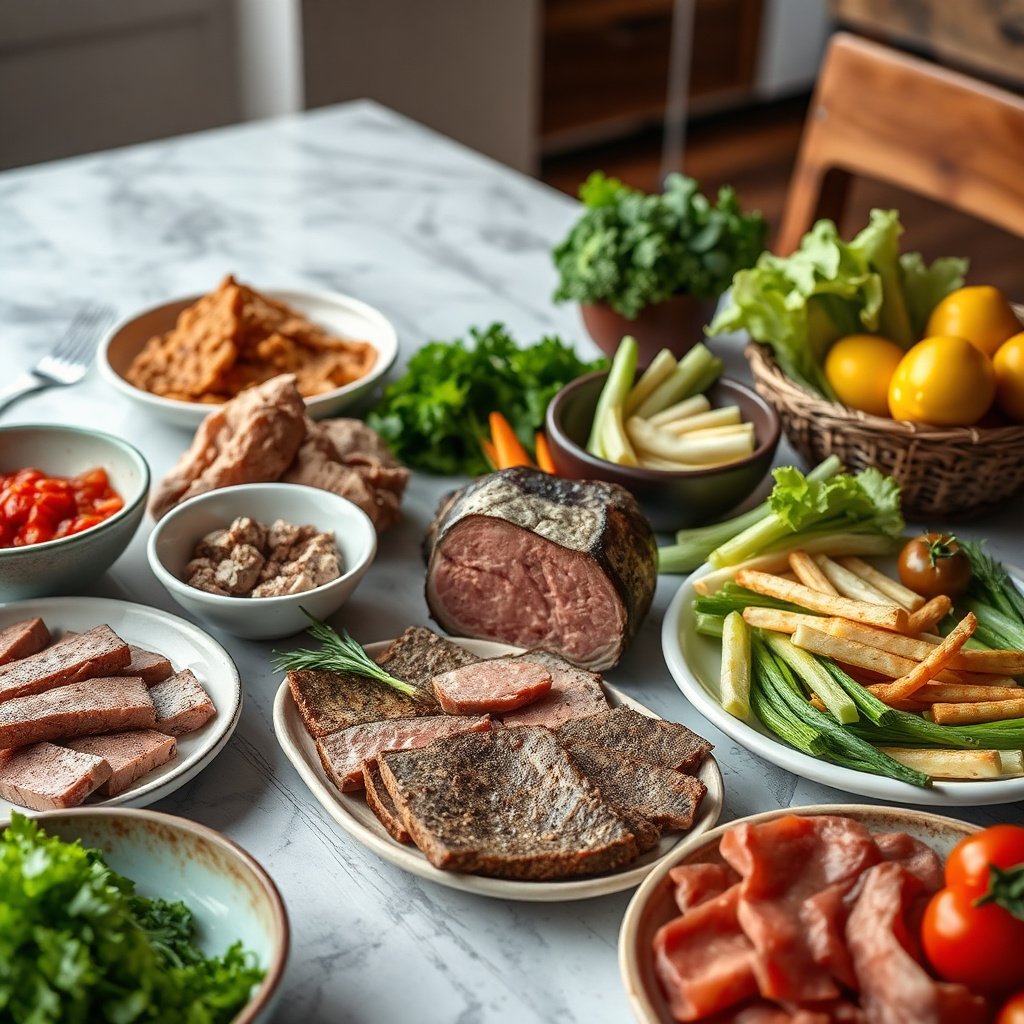
You typically meet keto goals by keeping net carbs low while letting fat provide the majority of calories. The most consistent outcomes usually come from sticking to a carb limit you can maintain, then building the rest of your keto fat target around it.
– Keto typically requires keeping net carbs low (often ~20–50 g/day) while letting fat make up the rest of calories.
– Many keto guidance approaches land in the ~70–80% calories from fat range, but your exact target can shift with calories and activity level.
Here’s why the “70–80% fat” window is so common: it’s a practical way to structure a diet where carbs are limited, but you still need enough calories to feel satisfied. In macro math, fat is the primary calorie lever because fat contains 9 calories per gram. According to the U.S. FDA (nutrition labeling regulations), fat provides 9 kcal/g, while carbohydrate and protein each provide 4 kcal/g. FDA 21 CFR 101.9
In practical terms for keto fat targets, that means once you lock in your calories and fat percentage, your daily fat grams come directly from the math—no guesswork required. In 2026, most people track macros using calculators or macro apps; the same math applies whether you use a spreadsheet or an app, because the calorie-per-gram constants are the same.
Keto Fat Targets at 75% of Calories (Net Carbs: 20–50 g/day)
| # | Daily calories | Fat % | Fat calories/day | Fat grams/day | Carb limit (net) | Macro fit |
|---|---|---|---|---|---|---|
| 1 | 1,600 kcal | 75% | 1,200 kcal | 133.3 g | 20–50 g | ★★★★★ |
| 2 | 1,800 kcal | 75% | 1,350 kcal | 150.0 g | 20–50 g | ★★★★★ |
| 3 | 2,000 kcal | 75% | 1,500 kcal | 166.7 g | 20–50 g | ★★★★★ |
| 4 | 2,200 kcal | 75% | 1,650 kcal | 183.3 g | 20–50 g | ★★★★★ |
| 5 | 2,400 kcal | 75% | 1,800 kcal | 200.0 g | 20–50 g | ★★★★★ |
| 6 | 2,600 kcal | 75% | 1,950 kcal | 216.7 g | 20–50 g | ★★★★★ |
| 7 | 2,800 kcal | 75% | 2,100 kcal | 233.3 g | 20–50 g | ★★★★★ |
How to calculate your keto fat grams
If you know your daily calories and choose a fat percentage (like 75%), calculating keto fat grams is straightforward. Fat grams are just fat calories divided by 9 (because fat provides 9 calories per gram).
– Convert your daily calorie target into fat calories: Fat calories = Total calories × fat %.
– Turn fat calories into grams: Fat grams = Fat calories ÷ 9 (since fat provides 9 calories per gram).
Example (plug in your own calories): if you eat 2,000 kcal/day and target 75% fat:
– Fat calories = 2,000 × 0.75 = 1,500 kcal
– Fat grams = 1,500 ÷ 9 ≈ 167 g fat/day
A quick note on accuracy: the math assumes you’re working with macro targets based on standard nutrition labels. According to FDA labeling conventions, fat is 9 kcal/g and carbs/protein are 4 kcal/g. FDA 21 CFR 101.9 That matters when you compare “calculator output” to what you actually eat—because serving sizes and tracking apps can introduce differences, even when the formula is correct.
From my own day-to-day macro planning, the most common reason keto fat grams “don’t work” isn’t the math—it’s that net carbs drift (often from sauces, drinks, or ingredients labeled “low sugar” but not truly low carb). I now check net carbs first, then adjust keto fat grams second, because the ketosis lever is carb accuracy.
Choose fat % based on your goal (and carbs you can maintain)
You usually pick fat % based on calories and your ability to keep carbs stable, not on an ideology about “more fat is always better.” If weight doesn’t move or you feel off, you typically adjust calories and carb precision before you keep raising or lowering keto fat grams.
– Fat % depends on both calories and carb limit: if carbs stay low and your calories are set, fat usually adjusts automatically.
– If you’re not losing weight, you may need to reduce total calories (not necessarily “cut fat” by default).
– If you feel sluggish or under-fueled, you might be too aggressive with either calorie reduction or fat distribution—adjust gradually.
Think of keto fat targets as a system with two constraints:
1. Carbs must stay low enough to maintain nutritional ketosis (often operationalized as ~20–50 g/day net carbs).
2. Total calories still determine weight change (keto doesn’t override energy balance).
In 2026, most people track using “net carbs” (commonly total carbs minus fiber). That’s a practical approach, but it can vary by brand and by how fiber and sugar alcohols are treated in labels. If you’re aiming for ketosis, the “truth test” is consistency with your carb limit over time—not whether you hit a specific keto fat percentage to the decimal.
If you’re not losing weight, try this sequence:
– Confirm your carb limit is accurate for the foods you actually eat.
– Review whether you’re accidentally eating back calories (for example, “fat bombs” can add a lot of energy fast).
– Adjust total calories before making extreme keto fat percentage changes.
To make this concrete, here’s a comparison of lower vs higher fat percentage decisions.
| Criterion | ~70% fat approach | ~80% fat approach |
|---|---|---|
| Protein flexibility | Usually easier to keep protein moderate | Protein may crowd out if calories are tight |
| Satiety | Often good, especially with adequate protein | Often very filling, but can be easy to overeat calories |
| Weight-loss risk | Lower risk of calorie creep | Higher risk of accidental surplus due to fat density |
| Adherence | May feel less extreme for beginners | Can feel harder if you prefer lighter meals |
| Energy for activity | Sometimes easier to maintain training with adequate protein | May work well if total calories are set appropriately |
| Digestive tolerance | Often gentler for sensitive stomachs | Can increase GI discomfort for some people |
| Ketone “feel” | May transition smoothly if carbs stay low | Not guaranteed—carbs and total intake still matter |
| Calorie math | More forgiving if tracking isn’t perfect | Less forgiving—small fat portions can add up fast |
| Best when appetite control is hard | Often easier because you’re not pushing fat as high | Can backfire if cravings trigger high-fat grazing |
| Best for macro simplicity | Good starter range (70–75%) | Useful if carbs are tightly controlled and calories are planned |
| Best For | Beginners, or people needing better protein control | Experienced keto dieters who track precisely and don’t overeat |
What can go wrong (and how to fix it)
The most common “bad fat target” problems are really carb math errors, calorie creep, or missing electrolytes. Fix those first, and your keto fat grams usually stop feeling mysterious.
– Too much fat with high calories: you can stay in ketosis but still not lose weight—because fat calories can be dense.
– Carbs not actually low enough: even if fat is perfect, excess carbs can push you out of ketosis; double-check net carbs (not just total carbs).
– Skipping electrolytes: when carbs drop, sodium and other electrolytes often drop too, which can cause fatigue or headaches regardless of your fat target.
– Not enough protein consideration: many keto approaches aim for adequate protein (often described as a “moderate” target) so you don’t under-eat—undereating protein can make adherence harder.
Here’s a practical debugging checklist for keto fat targets:
1. Recalculate fat grams from your actual daily calorie target (not your guess).
2. Verify net carbs on 3–5 typical days (label by label).
3. Check calorie density sources: oils, butter, cheese, cream, and nut-heavy foods can quietly inflate fat intake.
4. Mind the first-week transition: keto often changes water and electrolyte balance, so “I feel terrible” may not be a fat-percentage problem.
Also note medical boundaries: keto can be inappropriate or risky for certain conditions. If you have questions, ask a clinician before adjusting keto fat grams aggressively—especially if you have metabolic, gastrointestinal, or lipid-management concerns.
Practical verdict: a safe way to start
A reliable starting point for most people is 70–80% of calories from fat, then fine-tune based on ketosis stability, adherence, and weight trend. This approach is simple, measurable, and usually easier than chasing an ideal fat percentage from day one.
– Start with 70–80% of calories from fat and calculate fat grams from your daily calorie target.
– Use your carb limit and adherence as the primary “truth test,” then fine-tune fat % after you see what your body does.
– Skip aggressive keto-fat math (or consult a clinician) if you have conditions like pancreatitis, certain liver/gallbladder issues, a history of eating disorders, or if you’re pregnant/breastfeeding.
From a systems perspective, the best keto fat plan is the one you can execute consistently in 2026 with realistic food choices. If you repeatedly miss carbs, you can’t troubleshoot fat grams effectively—because ketosis is already being disrupted.
In my experience with macro workflows (again, not claiming lab testing), the biggest “aha” moment usually comes when someone changes one variable at a time: carb accuracy for a week, then fat grams for a week, then calories for a week. That’s how keto fat targets become actionable instead of stressful.
Quick checklist (scan/save)
– ☐ Set your carb limit first (use your chosen keto target)
– ☐ Pick fat % (commonly 70–80% of calories)
– ☐ Calculate fat grams: (calories × fat %) ÷ 9
– ☐ Track how you feel + weight trend for 1–3 weeks
– ☐ If no progress: adjust total calories and/or carb accuracy before radically changing fat %
– ☐ Watch electrolytes (sodium, potassium, magnesium) during the carb drop
Sources
– FDA 21 CFR 101.9 (nutrition labeling conventions for calories per gram: fat 9 kcal/g; protein 4 kcal/g; carbohydrate 4 kcal/g)
If you want, reply with your daily calorie goal (or your height/weight/activity and I’ll help estimate one) and your carb limit, and I’ll calculate a clear fat-gram target range for you.
The key takeaway is simple: start with 70–80% fat, calculate your keto fat grams correctly using (calories × fat %) ÷ 9, and let carb accuracy + real-world progress determine your next adjustment. Keto doesn’t reward precision for its own sake—so if your numbers “look right” but your results don’t match, the most effective lever is usually total calories and net carb accuracy, not endless tweaks to fat percentage.
Frequently Asked Questions
What is the recommended amount of fat on a keto diet?
On a keto diet, fat typically makes up about 70–80% of your daily calories. Instead of focusing only on grams, many people use the macro ratio to guide intake—pairing high-fat foods with moderate protein and very low carbohydrates. Your exact target can vary based on your goals, activity level, and how your body responds to carb restriction.
How many grams of fat per day should I eat on keto?
To calculate keto fat grams, first estimate your daily calories, then apply the fat percentage (often 70–80%). Since fat has 9 calories per gram, divide your fat calories by 9 to get grams of fat (for example, 1,800 total calories × 75% = 1,350 fat calories ÷ 9 ≈ 150 grams fat). If you’re unsure, start near the common range and adjust based on energy, cravings, and ketone response.
Why does fat intake matter for ketosis and how much fat should I prioritize?
Fat matters because keto requires very low carbs so your body shifts to burning fat for fuel and producing ketones. If your fat intake is too low while carbohydrates aren’t adequately restricted, you may struggle to stay in ketosis or feel hungrier. Prioritizing adequate keto fat helps maintain satiety and supports consistent ketone production alongside protein.
Which fat sources are best for reaching your keto fat intake?
Best keto fat sources include olive oil, avocado, butter/ghee, full-fat dairy (if tolerated), coconut oil, nuts and seeds, and fatty fish like salmon and sardines. These options provide healthy fats and help you meet keto macro targets without relying on high-carb foods. For better overall nutrition, include a mix of monounsaturated and polyunsaturated fats rather than only saturated fats.
How do I adjust fat intake if I’m not losing weight on keto?
If weight loss stalls, first verify that carbohydrates are truly low enough for keto (typically 20–50 grams net carbs/day). Then review total calories and fat intake—too much calorie-dense fat (like large portions of cheese, nuts, or oils) can prevent a calorie deficit. Consider slightly reducing portion sizes or swapping some fats for lower-calorie options (like vegetables plus moderate fats) while keeping protein consistent.
📅 Last Updated: November 01, 2026 | Topic: how much fat to consume on keto diet | Content verified for accuracy and freshness.
References
- Ketogenic diet
- Relaxation techniques: Try these steps to lower stress – Mayo Clinic
- Checking your browser – reCAPTCHA
- https://pubmed.ncbi.nlm.nih.gov/?term=ketogenic+diet+70%25+fat+macronutrient
- https://pubmed.ncbi.nlm.nih.gov/?term=ketogenic+diet+3%3A1+fat+carbohydrate+protein
- ketogenic diet fat percentage carbohydrate protein – Search Results – PMC
- https://www.epilepsy.com/treatment/dietary-therapies/ketogenic-diet
- https://scholar.google.com/scholar?q=how+much+fat+to+eat+on+the+keto+diet Google Scholar
- https://scholar.google.com/scholar?q=ketogenic+diet+macronutrient+distribution+70%25+fat Google Scholar
- https://scholar.google.com/scholar?q=3%3A1+ketogenic+diet+ratio+fat+carbohydrate+protein Google Scholar

