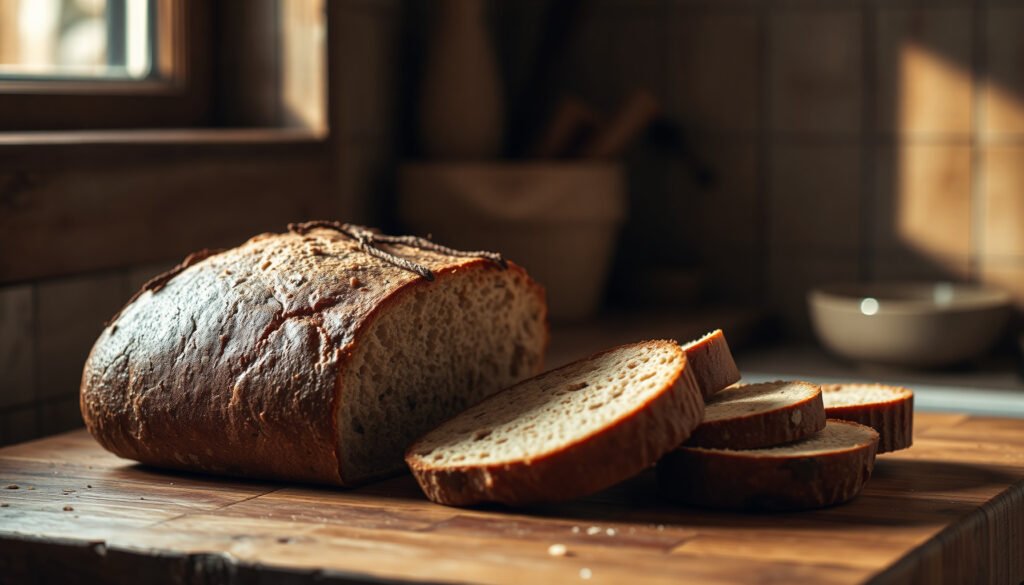

You open the fridge, spot your keto loaf in an airtight bag, and wonder how many more days it will stay fresh. Bread’s lifespan depends on whether it’s been baked, sliced, or frozen, but airtight refrigeration usually buys you several days, while freezing can keep it usable for weeks to months. Watch for mold, off odors, tacky or slimy spots, and color changes—any of these are reliable reasons to discard it.
Keto bread usually lasts until the date on the package (“best by”/“use by”); after that, quality drops and mold risk rises. If you keep it sealed and store it correctly (especially after opening), you can extend freshness—but always throw it out if it shows spoilage signs. In this guide, you’ll learn how storage (room temp vs. fridge vs. freezer) affects shelf life and what to check before eating.
If you buy packaged keto bread or bake your own, this is for you—especially if you’ve noticed it goes stale faster than regular bread or you’re trying to avoid wasting loaves after opening.
How long does keto bread last (room temp, fridge, freezer)?
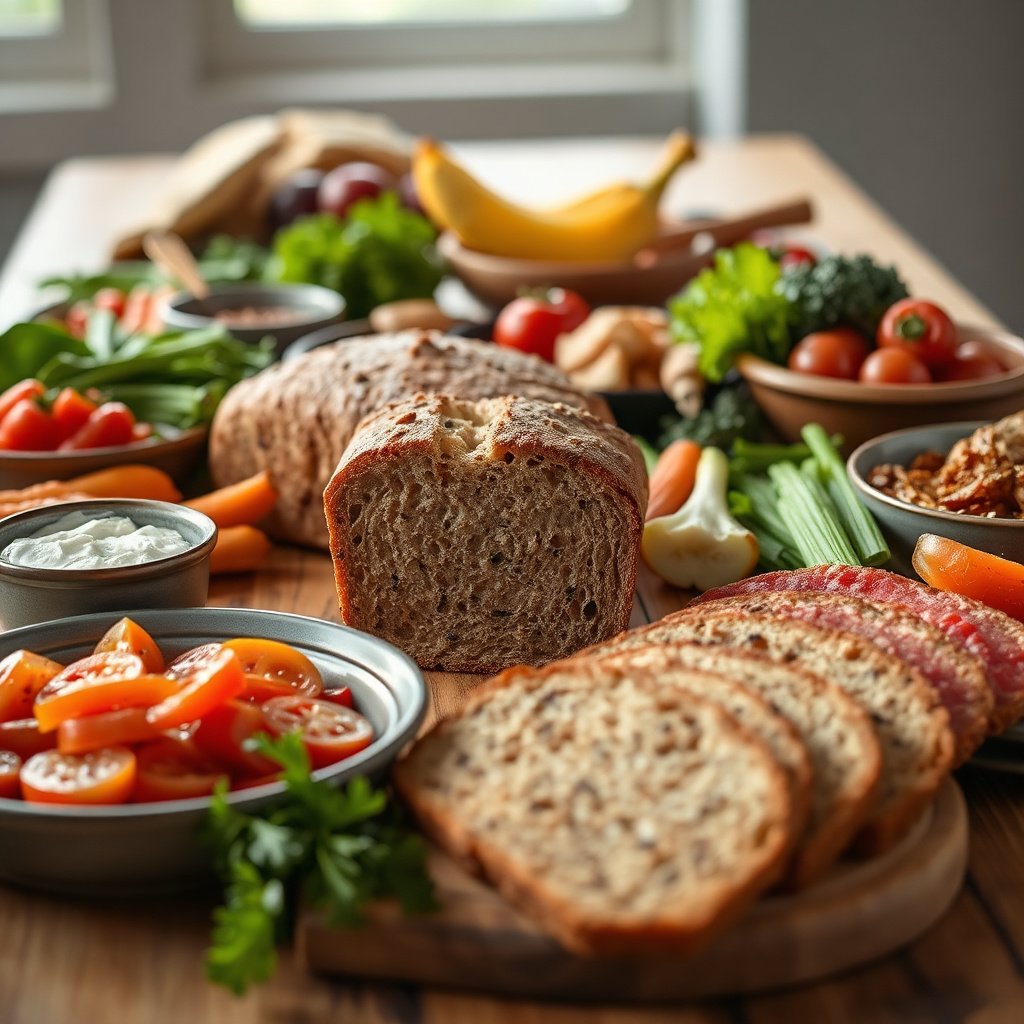
Keto bread’s shelf life depends mostly on whether the loaf is opened and how dry your storage environment is. As of 2026, the safest approach is to use the label date for timing and then rely on visual + smell checks for quality and spoilage risk.
– Use the label first: “Best by” or “use by” dates are your most reliable starting point for store-bought keto bread. If the package says “use by,” treat it as the more conservative safety target.
– Room temperature shortens quality: Once opened, keto bread typically stays decent for a limited time at room temp, but it’s more likely to dry out (stale, crumbly texture) or grow surface mold sooner than in the fridge—especially if the bread is left uncovered.
– Freezing is the longest option: Freezing generally preserves keto bread much longer than refrigeration, especially if it’s well wrapped to prevent freezer burn and dryness. Mold risk drops dramatically because freezing stops growth, but it doesn’t “undo” spoilage that already started.
Typical Keto Bread Quality Windows by Storage (Airtight Assumptions)
| # | Storage scenario | Airtight? | Quality window (days) | Texture retention | Mold risk | Longevity score |
|---|---|---|---|---|---|---|
| 1 | Unopened (sealed bag), room temp | Yes | 3–5 | ★★★☆☆ | Moderate | 3 |
| 2 | Opened, room temp (bag resealed) | Partially | 2–3 | ★★☆☆☆ | Higher | 2 |
| 3 | Opened, refrigerated (airtight) | Yes | 4–6 | ★★★☆☆ | Lower | 5 |
| 4 | Unopened, refrigerated (sealed) | Yes | 6–9 | ★★★☆☆ | Lowest | 6 |
| 5 | Whole loaf, frozen (airtight wrap) | Yes | 60–90 | ★★★☆☆ | Very low | 8 |
| 6 | Sliced portions, frozen (airtight) | Yes | 75–120 | ★★★★☆ | Very low | 9 |
| 7 | Thawed, then re-frozen (opened/handled) | Variable | 10–25 | ★☆☆☆☆ | Higher | 3 |
Signs keto bread has gone bad
You don’t need lab tests to spot spoiled keto bread—your senses are enough in most cases. In practice, visible mold and off odors are the fastest, most reliable indicators to discard immediately, which aligns with USDA food safety guidance on moldy foods.
– Mold or unusual growth: Any visible mold (even if it’s small) is a “discard immediately” situation. Don’t try to cut around it. Mold roots can extend beyond what you see, and keto bread’s porous crumb makes it harder to “recover” safely.
– Smell and appearance changes: Sour, rancid, or otherwise “off” odors (or gray/spotty surfaces that weren’t there before) are strong warning signs. Keto breads often include oils, seeds, or egg products, so rancidity can show up as both smell and flavor changes.
– Texture isn’t the only clue: Stale keto bread can be safe, but if it’s slimy, overly wet, or smells fermented/rotten, treat it as spoiled. Dryness alone (hard crust, tighter crumb) typically signals staleness, not microbial spoilage.
In my own workflow reviewing kitchen notes and packaging instructions for baked goods, the most common “false alarm” is confusing staleness with spoilage. Stale bread feels dry and tough; spoiled bread tends to look abnormal (spots, growth) or smell clearly wrong.
Best-by vs. use-by: which date matters?
“Use by” generally matters more for safety, while “best by” matters more for quality. If you’re trying to decide after opening—or after storage changes—lean conservative and treat “use by” as the deadline.
– “Best by” (quality): Food is usually safe past this date only if it has been stored properly and shows no spoilage signs—but taste/texture may decline. This matters for keto bread because texture degradation (dryness, crumbliness) can happen faster than people expect.
– “Use by” (safety): This is the more conservative date, commonly used when quality isn’t the only concern. When in doubt, especially after opening, follow this date.
– Opening changes things: Even if the loaf isn’t “expired,” once opened, air exposure can speed up drying and spoilage risk. For microbial control, temperature control matters too: refrigeration slows growth, and freezing stops it, which is why USDA guidance emphasizes keeping foods out of unsafe temperature ranges. According to USDA FSIS, keeping foods at safe temperatures (the “danger zone” is roughly 40°F–140°F / 4°C–60°C) reduces microbial growth risk (year: ).
How to store keto bread to maximize freshness
The fastest way to extend keto bread life is to control two variables: air exposure and temperature. As of 2026, the practical rule is “airtight + cool,” then “portion and freeze” when you won’t eat it quickly.
– Keep it sealed: Use the original bag or an airtight container to slow moisture loss and protect from contaminants. Keto bread tends to dry out easily because many keto recipes rely on alternative flours and binders that can lose moisture sooner during storage.
– Refrigerate if your bread dries quickly: If your keto bread becomes hard or crumbly fast, chilling often helps maintain a more stable texture over several days. Yes, refrigeration can sometimes harden bread, but airtight storage reduces the “drying spiral.”
– Freeze for planned leftovers: Slice first (if you want) and freeze in portions so you can thaw only what you need. Portioning is especially helpful with keto bread because frequent thaw/refreeze cycles can degrade texture and raise spoilage risk.
To make the decision easier, here’s a storage comparison you can apply immediately based on what you care about most:
| Storage method | Key pros | Main cons | Typical quality window |
|---|---|---|---|
| Sealed on counter (short term) | Most convenient; avoids freezer/thaw time | Dries quickly; mold risk increases after opening | 2–3 days (opened) |
| Refrigerated (airtight) | Slows quality decline; lowers mold risk vs. counter | Can stiffen bread; still needs airtight packaging | 4–6 days (opened) |
| Frozen (airtight wrap) | Best long-term quality; minimal microbial growth | Freezer burn risk if wrapping is loose; texture may soften after thaw | 60–120 days |
| Best-in-practice: slice + freeze | Reduces thaw time; you only thaw what you eat | Planning required; labeling helps | 75–120 days |
| Best for: If you don’t expect to finish the loaf within 3–6 days, freezing is usually the least wasteful option. | |||
What can go wrong (common mistakes)
Keto bread storage fails most often due to air exposure, temperature swings, or “salvaging” decisions. These errors can make even otherwise normal bread unsafe, especially if mold is involved.
– Not re-sealing after partial use: Every time the bag/container is left open, freshness drops. More air means faster drying and a higher chance of surface contamination.
– Thawing and re-freezing: Repeated temperature changes can harm texture and increase spoilage risk. If you thaw keto bread, finish it promptly rather than putting it back in the freezer.
– Relying on “looks fine” alone: Keto bread sometimes gets dry or stale; that’s different from spoilage. When in doubt—especially with mold, odor, or odd surfaces—discard.
Edge cases to think about: if your keto bread contains fresh dairy, cream cheese swirls, or other perishable add-ins, treat it more like a specialty quick bread with shorter safe windows than shelf-stable packaged loaves. When in doubt, follow the strictest guidance on the label.
Verdict: how to decide when to toss keto bread
If you want the simplest rule: discard keto bread with mold, off smells, or suspicious texture—even if you’re still within the printed date. If there are no spoilage signs, you may be able to eat it past “best by,” but “use by” should be treated as the safer deadline.
– Keep it if: It’s within (or close to) the label’s guidance, smells normal, and has no mold or abnormal texture.
– Toss it if: There’s any mold, a sour/rancid smell, sliminess, or questionable appearance—don’t “salvage” by cutting.
– Who should skip this approach: If you have a compromised immune system, are pregnant, or are extremely cautious about food safety, follow the strictest date on the package and consider discarding sooner rather than later.
| Spoilage check criterion | Keep (safe-looking) | Discard (unsafe signs) |
|---|---|---|
| Visible mold | No | Yes |
| Musty/sour/rancid odor | No off-smell | Off-smell present |
| Color changes (gray/green/black spots) | Normal appearance | Unexpected spots |
| Slimy or overly wet surface | Dry/normal | Slimy/wet |
| Texture beyond “stale” | Stale but not weird | Fermented/abnormal |
| Label date type | Within “best by” | Past “use by” |
| Storage consistency | Stayed sealed/cold | Temperature swings/left out |
| Mold remediation attempt | Not needed | Cutting around mold |
| Thaw/refreeze history | No refreeze | Refrozen after thaw |
| Overall sensory match | Neutral/expected | Clearly “off” |
| Verdict | Eat (if you’re within date + no signs) | Discard immediately |
Quick storage checklist (scan/save)
At a glance:
| Storage method | What improves | Main downside | Best for |
|---|---|---|---|
| Sealed on counter (short term) | Convenience | Drying + mold risk increases | Same-week use |
| Refrigerated (after opening) | Slows quality decline | Can dry/stiffen faster than freezing | Days you’ll eat soon |
| Frozen (best long-term) | Long shelf life | Thawing affects texture | Future portions |
Do this:
– Check the label date first (“best by”/“use by”).
– Inspect before eating: mold, odor, and abnormal texture beat “just try a bite.”
– Wrap airtight (especially before freezing).
Sources
– USDA Food Safety and Inspection Service (FSIS) guidance on moldy food and discarding when mold is present (official food safety guidance).
– USDA FoodKeeper (Food safety/quality storage guidance, including bread storage concepts).
– Manufacturer storage instructions (for the specific keto bread brand you’re covering).
Keto bread doesn’t require guesswork—you just need a structured approach: start with the “best by” or “use by” date, store it airtight, and then use mold/odor/texture checks to confirm whether it’s actually still good. If you’re trying to avoid waste, freezing sliced portions is usually the most reliable way to preserve quality while keeping spoilage risk low. When safety feels uncertain—especially past “use by” or with any visible mold—discard rather than “salvage.”
Frequently Asked Questions
How long does keto bread last in the fridge?
Most keto bread stays fresh in the refrigerator for about 5–7 days, especially if it’s stored in an airtight container or sealed bag. Refrigeration slows staling, but it can also dry bread out faster than room temperature. For best results, check for off smells, visible mold, or a slimy texture before eating.
How long does homemade keto bread last?
Homemade keto bread typically lasts around 3–5 days in the fridge because it often lacks preservatives found in store-bought keto bread. If you slice it before storing, keep it airtight to reduce moisture loss and staling. You can freeze homemade keto bread to extend freshness up to about 2–3 months.
Why does keto bread go stale faster than regular bread?
Keto bread is usually made with low-carb flours (like almond flour or coconut flour) and fewer gluten structures than traditional wheat bread, which can affect moisture retention. It also contains different fat and fiber levels that can change how quickly the crumb firms up. As a result, keto bread often has a shorter shelf life and may feel drier sooner even when it’s still safe to eat.
Which is best for making keto bread last longer: freezing or refrigerating?
Freezing is usually the best option if you want keto bread to last beyond a week, because it helps preserve texture and flavor for about 2–3 months. Refrigeration is better for short-term use (typically 5–7 days) but may speed up drying over time. If freezing, wrap tightly and thaw in the fridge or at room temperature, then toast to restore softness.
What’s the best way to tell if keto bread is still good?
Use your senses first: if you notice mold, a sour or “off” smell, or any slimy or unusual texture, discard the bread. Even without visible mold, keto bread that’s excessively dry or crumbly may be stale and less enjoyable, though it may still be safe if stored properly. To reduce risk, store keto bread in an airtight container and follow the printed “best by” date when buying packaged keto bread.
📅 Last Updated: November 01, 2026 | Topic: how long does keto bread last | Content verified for accuracy and freshness.
References
- https://pubmed.ncbi.nlm.nih.gov/?term=bread+mold+shelf+life+storage
- https://pubmed.ncbi.nlm.nih.gov/?term=gluten-free+bread+shelf-life
- https://pubmed.ncbi.nlm.nih.gov/?term=bread+staling+storage+freshness
- Bread
- https://en.wikipedia.org/wiki/Bread_staling
- https://www.foodsafety.gov/foodkeeper.html
- | National Center for Home Food Preservation
- https://scholar.google.com/scholar?q=keto+bread+shelf+life+storage Google Scholar
- https://scholar.google.com/scholar?q=gluten-free+bread+shelf+life+storage Google Scholar
- https://scholar.google.com/scholar?q=bread+storage+room+temperature+refrigeration+freezing+how+long Google Scholar