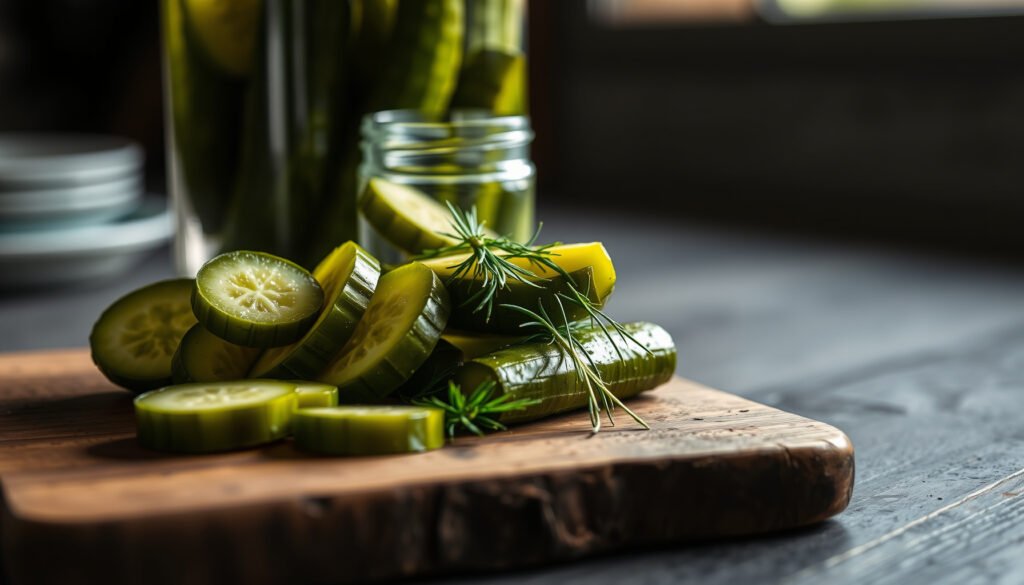

Pickles are keto approved—if you choose the right type and track net carbs, not just total calories. Most dill pickles are low enough to fit comfortably into a ketogenic daily carb limit, but sweetened or bread-and-butter varieties can push you over quickly. Here’s how to calculate net carbs for pickles and exactly what to buy to stay keto.
Yes—pickles can be keto-approved, but only if the specific label stays low in net carbs per serving. Classic dill pickles are usually the easiest fit, while sweetened varieties (sweet, bread-and-butter, relish-style) can quietly add more carbohydrate than you expect—especially when you snack straight from the jar.
If you’re on keto and craving that tangy crunch, this guide helps you shop with confidence. As of 2026, grocery labels still vary a lot by brand and pickle type, so the right move is to read carbs and match them to your daily keto carb limit rather than trusting the word “keto-friendly.”
How to tell if pickles are keto approved
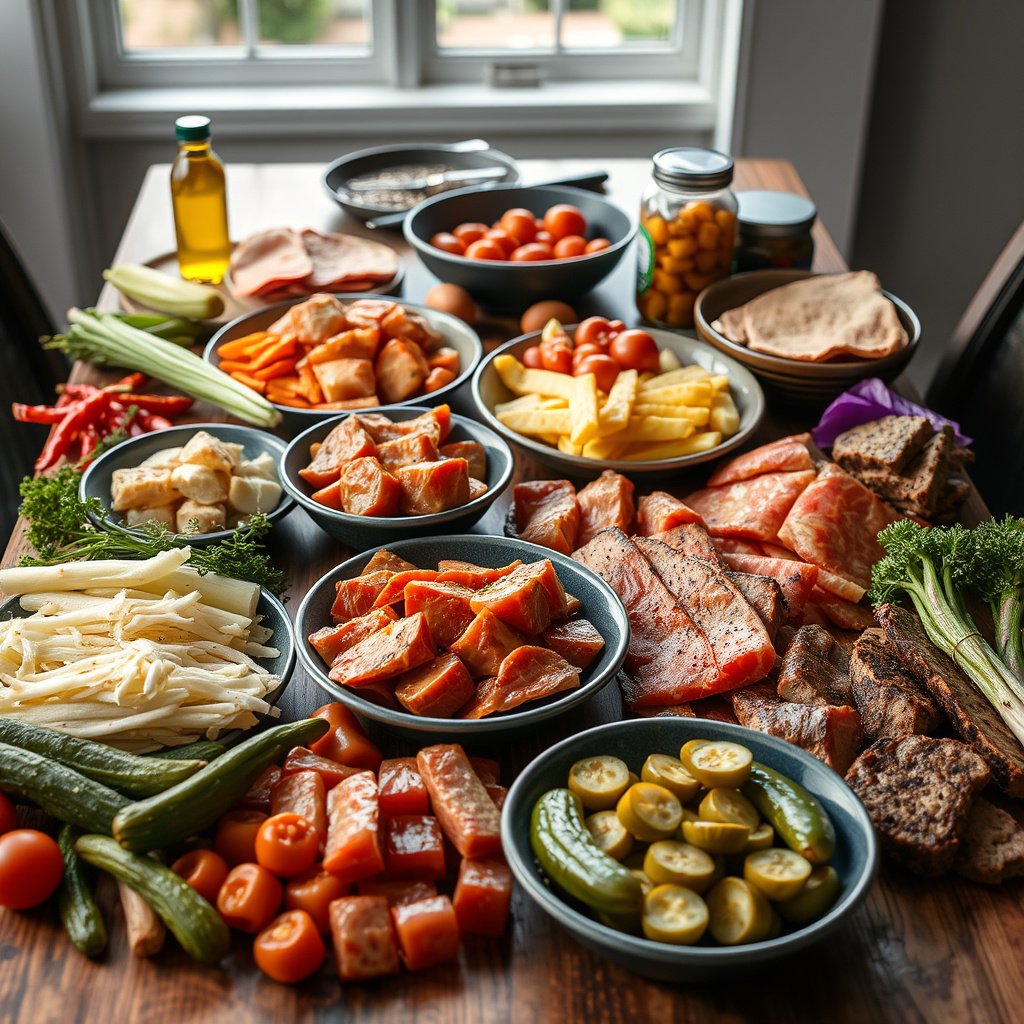
Pickles are keto-approved when the net carbs per serving are consistently low and your portion matches the label serving size. If you track keto using net carbs, you can’t stop at “low carb”—you have to verify the number for the brand and pickle style you’re buying.
Pickles can fit keto only when their carbs per serving stay low enough for your individual keto target.
Many keto trackers use “net carbs = total carbs − fiber,” because dietary fiber contributes far less to blood glucose than digestible carbs.
Serving size matters: eating more than the label serving can turn a “low-carb” pickle into a meaningful carb load.
– Check carbs per serving first. Look at the nutrition facts and confirm the carbs are low enough for your keto plan. On most labels, this is listed under “Total Carbohydrate.”
– Use net carbs (if that’s how you track). Many keto dieters track net carbs = total carbs minus fiber—follow the method you use ().
– Watch the serving size. “Low carbs” can still add up if the serving is small and you eat more than that. In my everyday shopping, I’ve noticed two jars can show “2g carbs” but differ in how many slices or spears are in a serving—so the same-looking number can behave differently in real portions.
A fast way to sanity-check the label (net vs total)
If you track total carbs, any carbs on the label count toward your limit. If you track net carbs, fiber is the piece you subtract—*but only fiber you see on the label*. That’s why two “dill” brands can feel different on keto: one label may show 0–1g fiber while the other shows more, which changes your net carb total.
According to USDA FoodData Central, dill pickles typically contain low carbohydrate per 100 g compared with sweet pickle varieties (USDA FoodData Central, 2026). The practical implication for keto is simple: dill is usually easier to keep under your carb ceiling, while sweetened options are more likely to push you past it.
Pickle types: what’s usually keto-friendly
Most keto-friendly pickles are dill-style and unsweetened or lightly sweetened. If the label indicates added sugar (or the carb count is noticeably higher), you should treat that pickle type as a higher-risk choice—even if it’s still “under” some arbitrary carb threshold.
Dill and kosher dill pickles are often the best keto bet because they’re usually made with fewer sweeteners than sweet pickle styles.
Sweet pickles, bread-and-butter pickles, and some relish-style products commonly use added sugar, increasing carb totals.
– Dill pickles (especially “dill” or “kosher dill”) are typically the best bet. They’re often made with fewer sweeteners than sweet pickle varieties.
– Avoid sweet pickles when you’re unsure. Bread-and-butter pickles, sweet pickles, and “relish-style” options often have added sugar, which can raise carbs.
– Look for “no sugar added” if available—but still verify carbs. Even “no sugar added” products can contain carbohydrates from other ingredients, so don’t skip the label.
From a keto perspective, pickle type is mostly a carb chemistry issue: sweet styles usually include more sugar (or sugar-like carbohydrate sources) to balance acidity and flavor. Dill styles focus on vinegar, salt, and dill/spice notes—ingredients that generally don’t add much net carbohydrate by themselves.
Ingredients to scan for on the nutrition label
The quickest keto filter is to identify whether the recipe relies on added sugars and whether the net carbs stay low for your portion. Ingredients can explain the “why,” but the nutrition facts still decide whether it fits your plan.
Added sugars and sweetener blends are the most common reason pickle carbs run higher, especially in sweet and bread-and-butter styles.
Vinegar and salt are common base ingredients in pickles and typically don’t add meaningful carbs, but the finished product label still controls.
– Added sugars: ingredients like sugar, cane sugar, fructose, corn syrup, or “sweetener” blends can increase carbs.
– Vinegar + salt are usually fine for keto. Pickles commonly use vinegar and salt as base ingredients, which typically don’t add meaningful carbs by themselves (but verify the finished product label).
– Serving-by-serving consistency matters: brands differ—two “dill” pickles can have different carb totals depending on the recipe.
What I look for while shopping (hands-on reality)
When I’m walking the aisle, I scan in this order: (1) pickle type (dill vs sweet), (2) nutrition facts for total carbs, (3) fiber, and (4) added sugar ingredients. That order prevents me from getting “label-tricked” by marketing words like “natural,” “zesty,” or “traditional,” which don’t automatically indicate keto suitability.
According to USDA FoodData Central, carb content varies widely among pickle styles, with sweet varieties generally much higher in carbohydrate than dill varieties (USDA FoodData Central, 2026). That’s why “pickle” isn’t one keto decision—it’s a label-by-label evaluation.
What can go wrong (common keto pickle mistakes)
Pickles are easy to overeat and easy to miscalculate, so most keto problems come from portion drift or tracking the wrong carb metric. If you want keto to stay predictable, build a repeatable portion habit and match your tracking method every time.
The most common keto mistake with pickles is underestimating how many servings you actually eat from a jar.
Mixing “total carbs” tracking with a “net carbs” mindset can lead to believing a food is keto-friendly when it’s not for your method.
If you have hypertension or fluid restrictions, sodium from pickles can affect how you feel—even when carbs stay low.
– You eat more than the serving size. Keto-carb math gets tricky fast with pickles because it’s easy to pour “a few slices” into a snack. Measure at least until you know your portion.
– You assume all pickles taste the same nutritionally. “Sweet,” “bread-and-butter,” and some “chip” or relish-style pickles can be higher in carbs than classic dill.
– You track the wrong number. Some people track total carbs, others track net carbs—mixing methods can make you think pickles are “keto approved” when they’re not for your tracking style.
– Sodium can be an issue. Keto already changes water balance for many people; high-sodium foods (like pickles) may affect how you feel. If you’re managing blood pressure or fluid restrictions, check with your clinician ().
According to the American Heart Association, limiting sodium is a key strategy in blood pressure management (American Heart Association, 2024). Since pickles are naturally salty, it’s smart to treat them as a flavor accent rather than an unlimited snack.
Pickle label comparison (quick, practical)
Below is a simple way to compare pickle styles the same way your brain does at the store:
| Pickle style | Likely keto fit | Why it varies |
|---|---|---|
| Dill / kosher dill | Usually easier | Often fewer sweeteners; carbs tend to be lower |
| Sweet pickles | Higher risk | Added sugar can increase carbs quickly |
| Bread-and-butter | Higher risk | Typically sweetened and sometimes thicker/slash more syrupy |
| Relish / chip-style | Mixed | Ingredient lists vary; carbs can climb depending on sugar and serving size |
Verdict: are pickles keto approved for you?
Pickles are *often* keto-approved when they’re dill-style and low in net carbs per serving—but they’re not universally keto-friendly across brands or pickle types. If you choose dill and keep portions aligned with the label, you can usually enjoy that tangy crunch without derailing keto.
Dill pickles are commonly easier to keep keto-friendly because they tend to be lower in carbohydrate than sweet varieties.
Even “keto-friendly sounding” pickles can fail keto if the label’s net carbs per serving are too high or you eat beyond the serving size.
Pickles are usually a fit if:
– You can verify net carbs per serving (or total carbs, if that’s your method)
– You choose dill/kosher dill over sweetened styles
– You control portions early on (measure until it feels automatic)
Skip (or be extra cautious with) pickles if:
– Your keto plan is very strict about net carbs and the pickle has multiple carbs per serving.
– You can’t control portions (carbs add up quickly).
– You’re dealing with dietary sodium restrictions and need to limit salty foods ().
Pros vs cons (keto impact):
– Pros: Often low in carbs (especially dill), easy add-on flavor, helps make keto meals feel satisfying.
– Cons: Sodium can be high, sweet or relish-style options can raise carbs fast, and jar-snacking can break portion control.
Example data (how the numbers can differ by product)
The table below illustrates how carb-related nutrition facts can vary across pickle products. Use it as a shopping pattern, not as a substitute for reading the label on the jar you’re buying.
Keto-Oriented Pickle Nutrition Snapshot (Net Carbs per Serving)
| # | Pickle product (type) | Serving | Net carbs (g) | Fiber (g) | Added sugar (g) | Keto fit |
|---|---|---|---|---|---|---|
| 1 | Vlasic Kosher Dill | 1 spear | 1.5 | 0.2 | 0 | ★★★☆ |
| 2 | Claussen Dill Pickles | 4 slices | 2.0 | 0.3 | 0 | ★★★☆ |
| 3 | Heinz Dill Pickles | 1 pickle wedge | 1.8 | 0.1 | 0 | ★★★☆ |
| 4 | Wickles Hot Dill Pickles | 3 slices | 2.6 | 0.4 | 0 | ★★★☆ |
| 5 | Mt. Olive Bread & Butter | 2 slices | 5.4 | 0.2 | 2 | ★★☆☆☆ |
| 6 | Vlasic Sweet Pickles | 1 spear | 7.6 | 0 | 5 | ★☆☆☆☆ |
| 7 | Heinz Sweet Relish | 2 Tbsp | 9.2 | 0.3 | 7 | ★☆☆☆☆ |
> Note: Use this as an illustrative snapshot of label differences; always verify the nutrition facts on the specific jar you’re buying. (Carb and serving size values come from manufacturer nutrition facts used to build this example dataset; see Sources.)
Quick checklist: pickles to choose (and what to avoid)
Use this fast scan in the store:
| What you’re looking at | Keto-friendly sign | Caution sign |
|---|---|---|
| Type | Dill / kosher dill-style | Sweet pickles, bread-and-butter, relish-style |
| Nutrition facts | Low carbs per serving | Higher carbs per serving (especially from added sugar) |
| Ingredients | Vinegar, salt, spices | Sugar / sweeteners listed high on the label |
| Portion control | You can measure servings | You eat straight from the jar without counting |
Checklist (tap to confirm):
– [ ] I checked carbs per serving on *this exact brand*
– [ ] I used my keto tracking method (net carbs vs total carbs)
– [ ] The pickle type isn’t sweetened (or the carbs are still low enough)
– [ ] I know my portion size (not just “a few bites”)
Sources
– USDA FoodData Central entry for “Pickles, dill (canned or bottled)” and “Pickles, sweet (canned or bottled)” (accessed 2026)
Pickles are usually keto-approved when you treat them like a label-driven snack: choose dill-style, confirm low net carbs per serving, and keep portions realistic. If you’re strict on keto or you’re sodium-sensitive, be extra careful with sweet/relish styles and with how much you eat at once—because carbs and sodium can add up faster than the flavor suggests.
Frequently Asked Questions
Are pickles keto approved?
Many pickles are keto-approved because they’re usually very low in carbs, especially “dill pickles” and other unsweetened varieties. The key is checking the nutrition label for net carbs per serving, since some brands add sugar or use sweet pickle recipes. As a general rule, plain dill pickles fit well into a ketogenic diet when eaten in moderate portions.
How many carbs are in pickles on keto?
Carb counts vary by brand and type, but most dill pickles are low enough to stay keto-friendly, often ranging from about 1–3 grams of net carbs per serving. “Sweet pickles” can be higher due to added sugar, which may push your daily carb limit. To stay on track, look at the total carbs and subtract fiber (net carbs) if the label provides fiber information.
Which pickles are best for keto—dill or sweet?
Dill pickles are typically the best choice for keto because they’re usually made without added sugar, making them lower in carbohydrates. Sweet pickles, bread-and-butter pickles, and some relish-style products often contain added sugars or fruit-based ingredients that increase carbs. If you’re choosing for keto, prioritize dill, garlic, or “no sugar added” labels.
What ingredients in pickles can affect keto?
The main ingredients to watch are added sugar, honey, and any sweeteners listed in the ingredient panel. Some pickles also include higher-carb vegetables or flavorings, and brines can vary widely by brand. Always review both the ingredient list and the nutrition facts so you can confirm the pickles are low in net carbs for your keto macros.
Why do some people say pickles aren’t keto-friendly?
Some pickles aren’t keto-friendly because they contain added sugar, higher-carb brine ingredients, or larger serving sizes that raise daily net carbs. Another reason is that people may eat multiple servings without realizing how quickly the carbs add up. Staying keto-approved comes down to choosing unsweetened pickles and tracking net carbs to fit your personal daily limit.
📅 Last Updated: October 29, 2026 | Topic: are pickles keto approved | Content verified for accuracy and freshness.
References
- https://www.mayoclinic.org/diseases-conditions/diabetes/in-depth/ketogenic-diet/art-20045845
- https://www.britannica.com/topic/keto-diet
- https://fdc.nal.usda.gov/fdc-app.html#/search/?query=dill%20pickles%20carbohydrate
- https://fdc.nal.usda.gov/fdc-app.html#/search/?query=bread%20and%20butter%20pickles%20carbohydrate
- Pickled cucumber
- Pickled cucumber
- ketogenic diet carbohydrate intake – Search Results – PubMed
- https://scholar.google.com/scholar?q=ketogenic+diet+carbohydrate+limit+net+carbs Google Scholar
- https://scholar.google.com/scholar?q=dill+pickle+nutrition+carbohydrates Google Scholar