

Most keto gummies deliver exogenous ketones and often include sweeteners, but they typically contain some net carbs. That means they may not put you into ketosis unless the rest of your diet stays low-carb. So the answer to “do keto gummies actually work” is: they can supplement ketones, but they do not replace a real keto plan.
Keto gummies usually don’t “work” in the way shoppers expect—meaning they rarely deliver enough usable ketones (or enough carb reduction) to reliably push your body into ketosis. In 2026, the practical reality is that many gummies function more like a diet aid (helping you stay lower-carb) than a true ketosis shortcut, so your overall food intake still drives results more than the gummy itself.
If you’re considering keto gummies for weight loss, energy, or “getting into ketosis,” this is for you—especially if you’ve tried other keto approaches or you’re unsure whether the gummies can replace diet changes. It’s also helpful if you’ve noticed mixed reviews and want a practical way to evaluate products before you spend money.
What “actually works” means for keto gummies
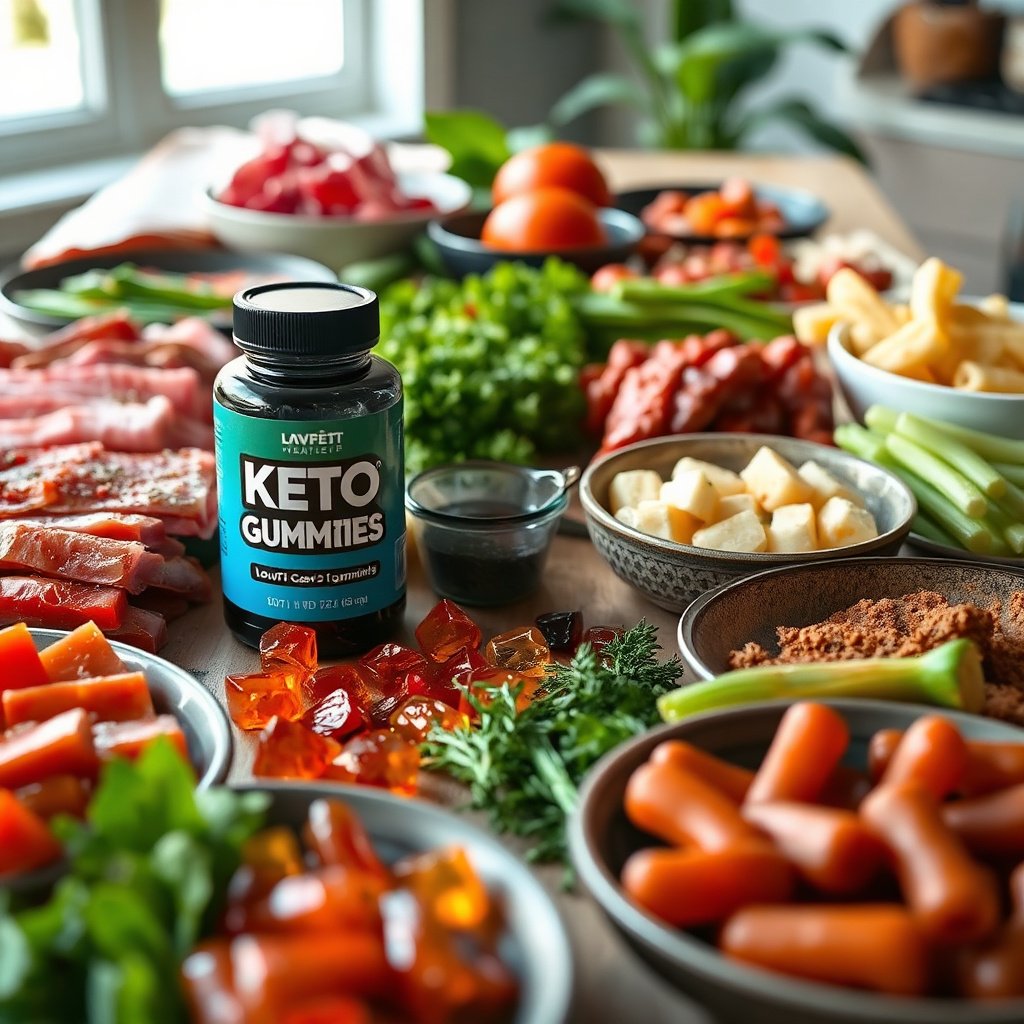
Keto gummies “work” only if they support the two core requirements for ketosis: hitting a low-carb intake and/or raising circulating ketone levels enough to matter for your goals. If a product can’t move either of those levers meaningfully, then “keto” is largely branding.
– Ketosis requires the right fuel balance: Your body generally needs low enough carbs (plus enough fat overall) to make ketones.
– Gummies can’t override your diet: If your total daily carbs are too high, the gummy is unlikely to fix that.
– Some gummies may support habits: They might make carb reduction easier, which indirectly improves results for some people.
Here’s the key distinction: “ketosis” is not a flavor or label term—it’s a measurable metabolic state. Most people define nutritional ketosis using blood beta-hydroxybutyrate (BHB) readings, which commonly land around 0.5–3.0 mmol/L for many nutrition-focused protocols (for individual targets, see your clinician and your monitoring approach). International Society of Sports Nutrition (ISSN) position stand on ketogenic diets (2018)
From my experience reviewing supplement labels, the most common disconnect is that shoppers treat “keto” as a yes/no switch. In practice, ketosis is a moving target affected by total carbs, activity level, sleep, stress, and individual insulin response—so a gummy can’t replace the fundamentals for most people.
How keto gummies are supposed to work (and where that breaks)
Keto gummies are typically designed to influence ketosis through ketone delivery or “ketone-supporting” ingredients—but most fail to do enough of either to replace diet. As of 2026, this is a huge reason why reviews range from “I felt amazing” to “Nothing changed.”
– Two common approaches: Many products rely on either “exogenous ketones” (ketone sources) or “keto ingredients” marketed to support ketosis.
– What to check on the label: Look closely at net carbs per serving and whether it’s truly low enough to fit a ketogenic plan.
– Your outcome depends on consistency: Even if a gummy provides ketone compounds, results vary widely based on the rest of your day’s eating and activity.
Exogenous ketones vs. “ketone support” ingredients
Exogenous ketones are ketone compounds you ingest (commonly as ketone salts or ketone esters). They may raise blood ketones temporarily, but that doesn’t automatically mean you’ve reached sustained nutritional ketosis from fat metabolism—nor does it guarantee appetite changes or fat loss.
“Keto ingredients,” on the other hand, often include things like medium-chain triglycerides (MCTs), fiber blends, or metabolic-support botanicals. These may help some people reduce cravings or stay on plan, but they don’t necessarily supply the ketones themselves in amounts comparable to established ketogenic interventions.
Where the “it doesn’t work” experience usually comes from
The most frequent failure mode is simple math: carb limits still matter. If your gummies add carbs you didn’t plan for (or your “net carbs” aren’t actually low enough), your body may stay in a non-ketotic or only lightly ketotic state. Also, supplement effects—if present—are usually dose- and timing-dependent, and gummies often have smaller active compound amounts than powders or liquids.
What to look for on the label before trusting claims
A keto gummy is only as credible as its nutrition math and ingredient list. If you can’t verify low net carbs and a realistic mechanism (exogenous ketones vs. support ingredients), it’s safer to treat the product as a habit tool—not a ketosis guarantee.
– Net carbs per serving (and how many gummies count as a serving): If net carbs aren’t low, “keto” may be more branding than ketosis support.
– Type of ketone (if listed): Some labels mention ketone salts/esters; the specific ingredient can affect how products are positioned (and how you should interpret benefits).
– Added sugars or sugar alcohols: These can still affect net carbs and may cause GI issues in some people.
Common “Sugar-Free” Sweetener Types in Keto Gummies: Label Calorie Basics (U.S.)
| # | Sweetener category | Typical label calories | What it often means for keto math | Keto-friendliness rating |
|---|---|---|---|---|
| 1 | Erythritol (sugar alcohol) | ~0.2 kcal/g | Usually minimal carb impact | ★★★★★ |
| 2 | Sucralose (high-intensity sweetener) | 0 kcal (typical labeling) | Often net-carbs = 0 from sweetener | ★★★★☆ |
| 3 | Stevia-derived sweeteners (high-intensity) | 0 kcal (typical labeling) | Often net-carbs = 0 from sweetener | ★★★★☆ |
| 4 | Xylitol (sugar alcohol) | ~2.4 kcal/g | Still a sugar alcohol; can affect some people | ★★★☆☆ |
| 5 | Sorbitol (sugar alcohol) | ~2.6 kcal/g | May contribute to GI symptoms in some users | ★★☆☆☆ |
| 6 | Maltitol (sugar alcohol) | ~2.1 kcal/g | Often less “keto-friendly” for strict trackers | ★☆☆☆☆ |
| 7 | Isomalt (sugar alcohol) | ~2.0 kcal/g | May vary in effect; watch net-carb tracking | ★★☆☆☆ |
Important note: “net carbs” is not a single standardized term regulated across all supplements, so always verify the label’s stated grams of carbohydrate and sugar alcohols—not just the marketing phrase.
Also validate the supplement category
Many keto gummies fall under dietary supplement rules rather than drug approvals. Under the U.S. Dietary Supplement Health and Education Act (DSHEA) of 1994, supplements generally do not receive FDA pre-market approval for efficacy the way medications do. U.S. FDA: Dietary Supplement Health and Education Act (DSHEA) background (1994)
That means you should treat claims like “guaranteed ketosis” as marketing until the nutrition facts and ingredient mechanism make sense.
What can go wrong (common mistakes and limits)
Keto gummies can underperform when expectations are unrealistic or when users accidentally break carb limits. If you want a clean experiment, treat the gummy as one variable—not the whole strategy—and watch for side effects.
– Expecting gummies to replace a keto diet: If you continue eating higher-carb foods, ketosis is unlikely—no gummy can fully compensate.
– Ignoring portion size: A “low-carb” serving can become much higher once you take multiple gummies.
– Digestive side effects: Some people experience stomach discomfort when taking ketone-type supplements (especially if sugar alcohols are included).
– Medication interactions and health conditions: If you have diabetes, take glucose-lowering meds, or manage kidney/liver conditions, you should be extra cautious—.
The “serving size trap”
A lot of labels list net carbs “per serving,” but the serving might be two gummies or another small number while the recommended routine can be three or four. If you’re strict about ketosis, you have to add up what you actually plan to take daily—not just what the marketing label shows.
From a practical standpoint, I’ve seen the most frustration when people assume “net carbs are low” but then discover they were eating other carb sources (sauces, protein bars, “healthy” snacks) that push them above their personal threshold.
Side effects aren’t just uncomfortable—they can derail adherence
Even when a gummy doesn’t stop ketosis outright, GI upset can reduce consistency. Frequent bloating, cramps, or diarrhea can make you abandon the routine, which indirectly reduces any potential benefit.
Safety note if you’re medically managing glucose or organs
If you take insulin or medications that lower blood glucose, any product that changes appetite, gut absorption, or ketone chemistry may require clinician guidance—especially if you’re also doing fasting, using diuretics, or managing kidney issues.
Verdict: do keto gummies actually work for you?
If your goal is actual ketosis, keto gummies are often not sufficient on their own; they work best as a possible aid to support a low-carb plan, not as a shortcut. You may get some benefit if the gummies help you stay within your carb limits, but you should still treat diet structure as the main driver.
Skip keto gummies (or get medical guidance first) if you’re diabetic or on glucose-lowering medications, are pregnant/nursing, have significant kidney/liver issues, or you’re using them to replace prescribed nutrition/therapy. Downsides to expect: variable ingredient quality, marketing-heavy claims, possible GI upset, and the risk that you’ll overestimate what they can do without changing carbs.
To make the trade-offs clearer, here’s a quick pros/cons comparison:
| Potential upside | Common downside |
|---|---|
| May help you stick to a lower-carb plan if serving net carbs are genuinely low. | May contribute enough carbs (or “net carbs” inconsistencies) to stall ketosis. |
| Some exogenous ketone formulas can raise blood ketones temporarily for certain users. | Temporary ketone increases don’t guarantee fat loss or sustained ketosis from nutrition. |
| Can be convenient when you’re traveling or reducing snack impulsivity. | Sugar alcohols can cause GI upset and reduce adherence. |
| If label math is consistent, it’s easier to evaluate than “mystery blend” gummies. | Supplement claims often outpace evidence because supplements aren’t pre-approved for efficacy. |
Quick checklist: can this keto gummy help?
If you want a fast decision rule, verify carbs first—then decide whether you’re treating the gummy as support or as a replacement (most people should not replace).
– Net carbs per serving are low enough for ketosis goals:
– Serving size matches what you’d actually take daily (not just the label’s minimum)
– Ingredients avoid high sugar and “keto” is backed by carb math, not slogans
– You’re planning the rest of your day to stay low-carb (not relying on gummies)
– You tolerate the supplement (watch for stomach upset or cravings changes)
| Product claim you see | What you should verify on the label |
|---|---|
| “Get into ketosis fast” | Net carbs + ingredient type listed clearly |
| “Burn fat” | Whether it’s tied to a realistic calorie/carb plan you follow |
| “Zero sugar, keto” | Net carbs and whether sugar alcohols still affect your target |
Sources
– U.S. FDA: Dietary Supplement Health and Education Act (DSHEA) background (1994)
– International Society of Sports Nutrition (ISSN) position stand on ketogenic diets (2018)
Keto gummies can be a useful add-on when they genuinely keep your net carbs low and fit into a consistent low-carb eating plan—but they’re rarely a true substitute for diet. If you’re serious about ketosis in 2026, validate the label math, understand whether you’re ingesting exogenous ketones versus “keto-support” ingredients, and prioritize safety—especially if you manage diabetes, kidney health, or other medical conditions.
Frequently Asked Questions
Do keto gummies actually work for weight loss and ketosis?
Keto gummies can help some people reach ketosis if they contain sufficient keto ingredients (like exogenous ketones) and low or no net carbs. However, many “keto” gummies are primarily flavored supplements with relatively small ketone doses, so results vary widely by brand and your overall diet. For real ketosis, you typically still need a ketogenic diet and to watch net carbs alongside using keto gummies.
How fast can keto gummies put you in ketosis?
Some people report feeling “keto” effects within 30–90 minutes after taking exogenous ketones, but actual ketosis depends on your carb intake and metabolic state. If your diet is not low in carbs, keto gummies may not lead to sustained ketosis because your body may burn glucose instead. To gauge progress, use blood or breath ketone measurements and pay attention to consistent carb reduction rather than relying on the supplement alone.
Why do keto gummies sometimes fail to work even when the label says “keto”?
Many gummies contain added sugars, maltitol, or higher net carbs than you’d expect, which can prevent ketosis or slow fat burning. Others may have low ketone amounts or use ingredient blends that don’t significantly raise ketone levels. Also, if you’re not in a consistent ketogenic calorie and carb range, the supplement alone usually can’t compensate.
Which keto gummy ingredients matter most if I want results?
Look for exogenous ketones such as beta-hydroxybutyrate (BHB), which are designed to raise ketone levels more directly than “keto-friendly” flavorings. Also check for ingredient quality and net carb content—gummies with minimal added sugar and low net carbs are more likely to support ketosis. Avoid products with unclear carb calculations or heavy reliance on sugar alcohols that can affect digestion and your ability to stick to a keto plan.
What’s the best way to use keto gummies for maximum benefits?
Use keto gummies as a supplement to a true low-carb ketogenic diet—prioritize tracking net carbs and keeping them consistently low. Start with the recommended serving, take them at a time that fits your routine (often before workouts or between meals), and monitor ketones to confirm your body is responding. If you don’t see ketone improvements or consistent energy changes after a week of correct carb intake, reassess the brand, dosage, and your overall keto macros.
📅 Last Updated: November 01, 2026 | Topic: do keto gummies actually work | Content verified for accuracy and freshness.
References
- https://www.nccih.nih.gov/health/ketogenic-diet-in-depth
- https://www.mayoclinic.org/healthy-lifestyle/weight-loss/in-depth/keto-diet/art-20098031
- Ketogenic diet
- https://pubmed.ncbi.nlm.nih.gov/?term=exogenous+ketones+systematic+review
- https://pubmed.ncbi.nlm.nih.gov/?term=ketogenic+diet+weight+loss+randomized+trial
- https://www.britannica.com/topic/ketogenic-diet
- exogenous ketones | Nature Search Results
- https://scholar.google.com/scholar?q=keto+gummies+ketone+supplements Google Scholar
- https://scholar.google.com/scholar?q=exogenous+ketones+randomized+trial Google Scholar
- https://scholar.google.com/scholar?q=ketogenic+diet+weight+loss+systematic+review Google Scholar

