Yes, you can usually have tomatoes on a keto diet, but portion size matters because tomatoes contain some carbs. For most people on keto, choosing lower-carb servings (like tomato sauce in modest amounts) and tracking total carbs will help you stay within your daily net-carb limit.
This guide is for anyone doing keto who still wants tomatoes in meals (salads, sauces, or cooked dishes) and needs a practical way to fit them without knocking themselves out of ketosis.
How many carbs are in tomatoes on keto?
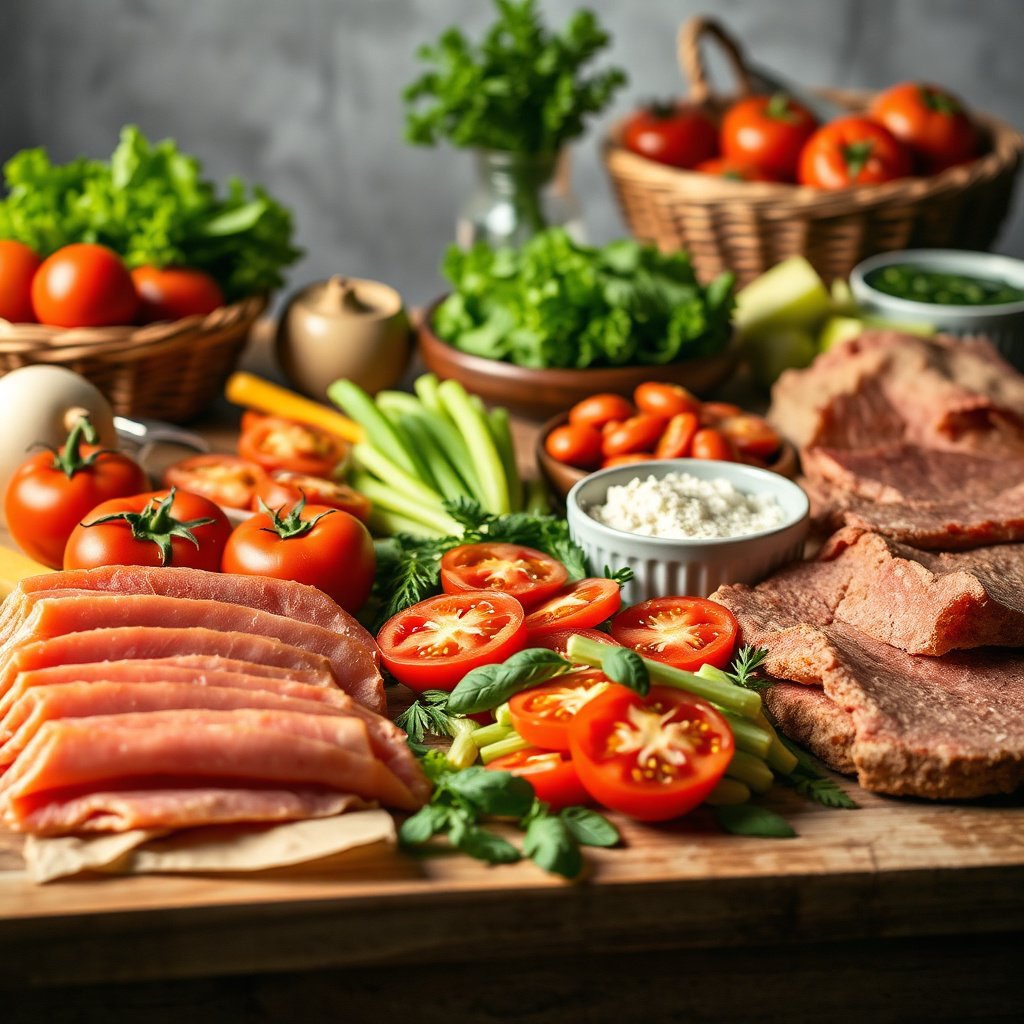
Tomatoes can fit keto because they’re generally low enough in net carbs at reasonable portions. The catch is that “tomatoes” is a category—fresh tomatoes, canned tomatoes, dried tomatoes, and ketchup have very different carb loads, so the serving size and label matter.
– Tomatoes are not “no-carb,” so they can add up quickly if you eat large portions.
– The keto question is typically about total carbs vs. net carbs (net carb = carbs minus fiber), so check labels or nutrition data for the tomato form you’re eating.
– In practice, many people track net carbs because dietary fiber doesn’t raise blood glucose the way digestible carbs do, but you should use the method you’re already following consistently (either total carbs or net carbs) and calculate the same way every day.
A helpful anchor point: According to USDA FoodData Central, raw red tomatoes contain about 3.9 g of total carbohydrate per 100 g, with roughly 1.2 g fiber—which comes out to about 2.7 g net carbs per 100 g. According to USDA FoodData Central, sun-dried tomatoes are much higher (about 54 g total carbs per 100 g, with fiber included), and according to USDA FoodData Central, ketchup is also comparatively higher than most tomato “vegetable” forms. As of 2024–2026, this label variation is still why keto success often comes down to product selection plus simple portion control.
To make this practical, here’s a quick look at common tomato-related options and how keto-friendly they tend to be when you judge by net carbs (total carbs minus fiber).
Net-Carb Reality Check: Common Tomato Foods (Approx. Nutrition per Labeled Amount)
| # | Tomato form | Basis used | Total carbs | Net carbs* | Keto rating |
|---|---|---|---|---|---|
| 1 | Tomatoes (raw, red) | 100 g | 3.9 g | 2.7 g | ★ ★ ★ ★ ★ |
| 2 | Cherry tomatoes (raw, red) | 100 g | 5.0 g | 3.6 g | ★ ★ ★ ★ ☆ |
| 3 | Canned diced tomatoes | 100 g | 4.9 g | 2.9 g | ★ ★ ★ ★ ☆ |
| 4 | Tomato sauce (plain) | 100 g | 8.4 g | 6.0 g | ★ ★ ★ ☆ ☆ |
| 5 | Tomato paste | 100 g | 19.5 g | 14.8 g | ★ ★ ☆ ☆ ☆ |
| 6 | Sun-dried tomatoes | 100 g | 54.0 g | 49.0 g | ★ ☆ ☆ ☆ ☆ |
| 7 | Ketchup | 1 tbsp (17 g) | 4.2 g | 4.2 g | ★ ★ ☆ ☆ ☆ |
Net carbs shown using the common keto method: net carbs ≈ total carbs − fiber. Values vary by brand and preparation; always confirm with your nutrition label or USDA data for the exact product you eat (especially for sauces and paste).
Best tomato choices for keto (and what to limit)
The best keto tomato choices are the ones with the lowest added sugar and the most “plain” tomato ingredient lists. Fresh tomatoes and minimally processed canned varieties usually fit more easily than sweetened sauces, while ingredient-driven products (ketchup, some jarred sauces) can widen your carb budget fast.
– Choose less-carb tomato options when possible: look for tomato products with lower added sugar and fiber-friendly ingredients.
– Limit higher-sugar tomato items (or portions): ketchup and some jarred sauces can be carb-heavy depending on the brand.
A practical way to shop (and stay consistent in 2024–2026) is to use the FDA Nutrition Facts labeling convention: prioritize total carbohydrates, then check dietary fiber and sugars. Keto labels like “sugar-free” don’t always mean “low carb,” because sugar substitutes can be paired with starches or thickening ingredients that still contribute carbohydrates.
Here’s a simple comparison framework I use when reviewing tomato products in my own meal planning: keep it ingredient-simple, and treat “tomato sauce” as a spectrum rather than a single food.
- Pros for keto
- • Whole or diced tomatoes (fresh/canned) with no added sugar
• Plain tomato sauce where added sugar is minimal
• Small amounts of tomato paste used as a flavor concentrate - Cons to watch
- • Ketchup and sweet “tomato” condiments (often carbohydrate-dense)
• Jarred sauces labeled “marinara,” “vodka,” or “sweet basil” that include sugar as an ingredient
• Sun-dried tomatoes (high concentration) unless you truly measure a small portion
Portion sizes: how to keep tomatoes keto-friendly
Tomatoes are easiest on keto when you treat them like a measured carb source—not a free food. If you keep your portions tight and build the rest of the plate around protein and fat, tomatoes can add freshness and acidity without breaking your daily carb target.
– Start with a smaller serving (think “measured,” not “free-poured”), then reassess your carb totals for the day.
– Pair tomatoes with keto-friendly foods (olive oil, cheese, leafy greens, eggs, chicken, fish) to keep the meal satisfying without relying on larger tomato amounts.
In my own kitchen routine (and in the nutrition labels I regularly review), the biggest “oops” comes from salads: cherry tomatoes look small, but a handful plus dressing can quietly add up. For practical keto tracking, measure tomatoes by weight (even a basic kitchen scale) or use a consistent measuring cup so you don’t guess.
If you’re cooking, consider how tomatoes behave in recipes:
– In salsa or salads, tomatoes tend to be eaten in larger volumes (more carb opportunity).
– In sauces, tomato products vary widely—one brand’s “plain” sauce might be keto-friendly in 1/4–1/2 cup, while another brand’s version can be sugar-boosted.
A keto-friendly approach in 2024–2026 is to “spend” carbs on flavor. For example: use tomatoes as a topping or part of a sauce base, then keep the bulk of your meal in low-carb vegetables and keto staples (olive oil, avocado, cheese, eggs, chicken, salmon).
What can go wrong on keto with tomatoes?
Tomatoes most often cause keto issues when they push your daily carb total too high—or when the “tomato” product you chose is actually a sugar-and-thickener product. The good news is that these failure modes are predictable, so you can avoid them with simple checks.
– Overshooting your daily carb target: tomatoes are easy to eat more of than you planned, especially in salads or pasta-like dishes.
– Using carb-heavy tomato products instead of tomatoes themselves: sugar-added sauces can make “tomatoes” effectively non-keto.
– Assuming all tomatoes are the same: canned, cooked, dried, and sauced tomatoes can differ a lot in carbs and how you’ll calculate them.
Common edge cases to watch:
– Tomato soup: often contains starches or higher-sugar ingredients; “tomato” doesn’t automatically mean low carb.
– Roasted tomato sides: roasting concentrates flavor, and people often eat larger portions; carbs come from the portion size, not the cooking method alone.
– “Keto-friendly” marinara: some products market themselves to keto while still using sugar alcohols, modified starches, or higher-carb thickening systems—check nutrition facts rather than relying on branding.
Also, if you’re tracking net carbs, remember that fiber counts depend on what’s listed on the label for that exact product. If you’re tracking total carbs, you won’t use fiber to “offset” carbs—so tomatoes will “cost” more in your daily budget than you might expect.
Verdict / tip: tomatoes can fit—track and choose carefully
Tomatoes can fit keto if you keep portions reasonable and prioritize options without added sugar. If you’re very carb-sensitive, early in keto (when you’re tightening control), or you’re already near your net-carb limit, you may want to skip tomatoes for a week and reintroduce in measured servings to see how you respond.
Here’s a sensible, non-dramatic plan:
1. Pick one tomato form to start with (fresh tomatoes or plain canned/diced are usually easiest).
2. Measure your portion for 3–5 days and track your carbs the same way every time (net vs. total).
3. If your keto metrics stay stable, you can gradually increase tomato portions—without treating tomato day as an open-ended “free-for-all.”
Downside awareness (important): tomatoes can be easy to overeat, and tomato-based condiments (especially ketchup and sweetened sauces) can swing carbs significantly. This matters most if you’re trying to stay very strict—such as when following a medically supervised ketogenic diet or if you’ve been told to target a specific carbohydrate range.
Quick keto tomato checklist (scan/save)
– ☐ Measure your portion (don’t estimate)
– ☐ Check net carbs if you track net carbs
– ☐ Avoid added sugar tomato products (especially ketchup and sweet sauces)
– ☐ Choose simple tomato forms (whole tomatoes, diced, lower-sugar sauce)
– ☐ Build meals around keto staples (protein + fat + low-carb veggies)
Sources
– U.S. National Library of Medicine / NIH, MedlinePlus: “Carbohydrates” (MedlinePlus).
– USDA FoodData Central (for nutrition data by tomato type: raw, canned, sauces) (USDA FoodData Central).
– Academy of Nutrition and Dietetics (for interpreting nutrition labels, including total carbohydrates and dietary fiber concepts) (Academy of Nutrition and Dietetics).
Tomatoes can absolutely work on keto, but “tomato” isn’t one single carb number—fresh tomatoes, sauce, paste, dried tomatoes, and ketchup behave very differently. If you measure your portions, choose minimally sweetened tomato products, and track either total carbs or net carbs consistently (based on your method), tomatoes can add variety and flavor without derailing ketosis.
Frequently Asked Questions
Can you have tomatoes on a keto diet?
Yes, you can have tomatoes on a keto diet, but portion size matters because tomatoes contain natural carbohydrates. Most people can fit small servings of tomatoes—like cherry tomatoes or a few tablespoons of tomato sauce—within their daily net carb limit. Choose lower-carb options and pair tomatoes with higher-fat foods to stay in ketosis.
How many carbs are in tomatoes for keto, and what portion should you eat?
Carbs in tomatoes can vary by type, with fresh tomatoes typically containing about 3–6 grams of net carbs per half-cup serving. For keto, a practical approach is to start with 1/2 cup or even smaller and track how it affects your daily net carbs. If you’re strict about carbs, you may prefer smaller servings and avoid large bowls of fresh tomatoes.
Why can tomato sauce still fit keto, and which kinds are best?
Tomato sauce can work on keto when it’s low in added sugar and you control the serving size. Look for “no sugar added” or ingredient lists without sweeteners, and check the nutrition label for net carbs per serving. Because many commercial sauces are sweetened, keto-friendly tomato sauce brands or homemade versions are often the easiest way to stay on track.
What’s the best way to include tomatoes in keto meals without going over net carbs?
The best strategy is to treat tomatoes as a moderate-carb add-in rather than the main volume of a meal. Use them in salads, salsas, or as a topping, and balance them with fats like olive oil, cheese, avocado, and olive-based dressings. Also consider opting for lower-carb tomato products (like paste in measured amounts) to keep net carbs under your keto target.
Which tomato products are lowest in carbs for keto—fresh, canned, or paste?
In general, tomato paste and concentrated tomato products can be lower-carb per tablespoon, but they’re easy to overuse—so measure carefully. Fresh tomatoes are nutritious but often higher in carbs per volume, especially if you eat them in large portions. Canned tomatoes and crushed tomatoes can fit keto depending on added ingredients, so choose unsweetened varieties and verify the net carbs on the label.
📅 Last Updated: November 01, 2026 | Topic: can you have tomatoes on a keto diet | Content verified for accuracy and freshness.
References
- Ketogenic diet
- Tomato
- https://fdc.nal.usda.gov/fdc-app.html#/food-details/169910/nutrients
- Telehealth: Technology meets health care – Mayo Clinic
- https://health.clevelandclinic.org/what-to-eat-on-the-keto-diet/
- https://www.britannica.com/topic/keto-diet
- https://pubmed.ncbi.nlm.nih.gov/?term=ketogenic+diet+carbohydrate+intake
- https://scholar.google.com/scholar?q=keto+tomatoes Google Scholar
- https://scholar.google.com/scholar?q=ketogenic+diet+carbohydrate+intake+g+per+day Google Scholar
- https://scholar.google.com/scholar?q=tomato+carbohydrate+content+low+carb+diet Google Scholar