

You reach for a teaspoon of sugar while your keto plan is on your kitchen counter, but on a keto diet you should not have sugar. The main issue is that sugar is quickly absorbed carbohydrates, which can push your daily carb intake over the limit and disrupt ketosis. If you want sweetness, you will need keto-friendly alternatives that keep net carbs low.
Yes—you can have something sweet while keto, but you should generally avoid “sugar” (especially added sugar) because it’s one of the fastest ways to overshoot your daily carb limit. On keto, the real limiter is your net carbs for the day, so a very small amount of sweetness might still fit if it doesn’t push you out of ketosis—something that matters most for weight loss, blood-sugar control, and appetite management. As of 2026, most people doing keto successfully still treat added sugar as “rare and measurable,” not “routine and carefree,” because cravings and carb creep are common.
If you’re new to keto (or restarting after a break), this guide is for you: you’ll learn what counts as sugar in practical terms, how to think about carbs without getting lost in label jargon, and which alternatives are usually easier to keep keto-friendly.
Does “sugar” have a place on keto?
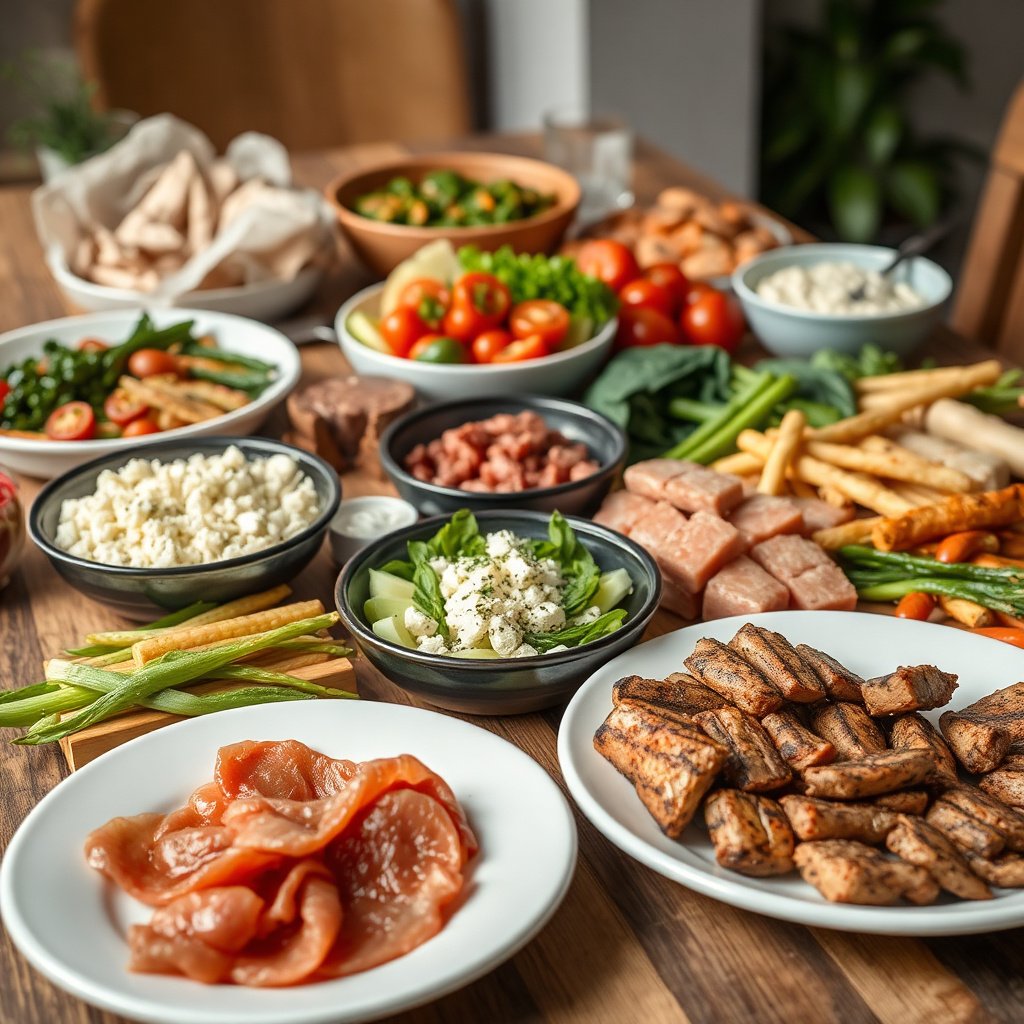
– Most people on keto aim to minimize added sugar because it’s easy to overeat and it typically comes with enough digestible carbs to slow or stall ketosis. Even if the food “tastes like keto,” added sugar can change the math quickly.
– If a food contains sugar but still fits your carb limit for the day, it may technically work—but it’s usually not the best strategy if your goal is consistency (steady ketosis) rather than occasional flexibility.
– A “keto dessert” with sugar usually isn’t keto unless it’s also designed to keep carbs low. In practice, most keto-leaning desserts avoid sugar altogether and rely on non-sugar sweeteners or sugar alcohols (and even then, portion size matters because total carbs are still carbs).
How to decide using carbs (not vibes)
– Keto is carb-limited: your intake needs to stay low enough to maintain ketosis. Many keto approaches cluster around about 20–50 g net carbs/day, but your best target depends on your body, activity level, and goals.
– “Net carbs” are commonly calculated as total carbs minus fiber, but this approach isn’t universally standardized on labels. Some brands calculate net carbs using sugar alcohols differently than others, so two “10 g net carbs” products can land you in very different real-world totals.
– Carbs from sugar count the same as other carbs for your daily total—so “a little sugar” can still add up quickly. That’s especially true when sweet foods encourage second helpings, larger portions, or multiple dessert snacks across the day.
A useful anchor here is how health authorities define “sugar” risk outside keto. For example, the World Health Organization recommends that free sugars should be less than 10% of total energy, and ideally below 5% (2015). [WHO, Guideline: Sugars intake for adults and children (2015)] In keto terms, that recommendation matters because free sugars usually translate into digestible carbs—exactly what keto is trying to limit.
Better options than regular sugar
– Sugar alternatives commonly used on keto include stevia-based sweeteners, monk fruit sweeteners, and some sugar alcohols (like erythritol). However, carbs can vary widely by brand and product, especially for blends that include bulking agents (like dextrose, maltodextrin, or sugar alcohol mixtures).
– If you use keto sweeteners, start small: some sugar alcohols can cause GI discomfort in certain people (cramping, gas, or looser stools). That isn’t “ketosis danger,” but it can derail your day and make you abandon keto foods entirely.
– The most reliable “sweet” approach is choosing foods designed for low-carb eating: plain Greek yogurt without added sugar, berries in controlled portions, or unsweetened products sweetened with keto-friendly sweeteners.
Below is a quick, practical comparison of widely used sweeteners and their typical glycemic impact and calorie contribution. (Remember: nutrition labels and blend formulas vary.)
Keto Sweeteners at a Glance: GI & Calorie Impact
| # | Sweetener (common use) | Typical GI | Calories (kcal/g) | Best fit for keto desserts | Keto compatibility |
|---|---|---|---|---|---|
| 1 | Stevia (steviol glycosides) | 0 | 0 | High | ★★★★★ |
| 2 | Monk fruit (mogrosides) | 0 | 0 | High | ★★★★★ |
| 3 | Erythritol | 0 | 0.2 | Medium–High | ★★★★☆ |
| 4 | Allulose | 0–1 | 0.4 | Medium | ★★★★☆ |
| 5 | Sorbitol | ~9 | 2.6 | Low–Medium | ★★☆☆☆ |
| 6 | Xylitol | ~7 | 2.4 | Low | ★★☆☆☆ |
| 7 | Maltitol | ~35 | 2.1 | Low | ★☆☆☆☆ |
Note: GI and calorie values above are typical; the exact impact depends on dose and whether your specific product contains fillers or mixed sweeteners. If you’re using “keto sweets” in 2026, always verify the ingredient list and total carbohydrate grams per serving.
What can go wrong (common keto sugar traps)
– Hidden sugar: sauces, flavored yogurts, protein bars, and “keto” snacks can contain added sugars or higher-carb ingredients that stall progress. Even when “sugar” isn’t listed as the first ingredient, it may appear as cane sugar, syrup solids, or sugar-derived powders.
– Counting mistakes: forgetting that nutrition labels use totals (and that “net carbs” isn’t universally defined) can lead to underestimating your real carb load. This is one reason keto calculators feel “off” sometimes.
– Overusing “keto desserts”: even low-carb treats can keep you grazing all day, making it harder to stay consistent with your carb cap. Consistency often matters more than perfection for ketosis maintenance.
– Individual tolerance: sugar alcohols vary in how they affect digestion; if you notice symptoms, reduce or switch sweeteners.
One practical way to evaluate sweeteners is to compare their trade-offs. Here’s a simple pros/cons block you can scan quickly:
| Sweetener type | Pros on keto | Common downside |
|---|---|---|
| Stevia/monk fruit | Usually carb-free in typical use; minimal GI impact for most people | Some blends include fillers with carbs; sweetness intensity varies |
| Erythritol/allulose | Often easier on digestion than many sugar alcohols; can mimic sugar texture | Still can cause GI issues at higher doses; label math depends on brand |
| Sorbitol/xylitol/maltitol | May work in baking and “keto” products where you want more sugar-like behavior | Higher GI and stronger GI tolerance issues for some people; can complicate carb tracking |
In my own day-to-day planning for keto meals, I’ve seen the biggest “keto sugar trap” come not from one spoonful of sweetener—but from snack stacking: dessert + flavored drink + bar + “just one more bite.”
Verdict / tip: what to do if you crave something sweet
If you’re asking “Can you have sugar on keto diet?” the honest answer is: it’s usually best to avoid added sugar and keep your carbs on target. If you want sweetness, use keto-friendly sweeteners and low-carb options—but don’t assume “keto” branding guarantees ketosis, especially in 2026 when formulas and serving sizes can vary by brand.
Who should skip or be extra careful:
– If you have diabetes or take glucose-lowering medication, talk with your clinician before changing carbs/sweeteners (carb changes can affect dosing needs).
– If sugar alcohols reliably upset your stomach, avoid them and choose stevia/monk-fruit options instead.
– If you’re trying to be strict about ketosis, treat any “real sugar” as a rare exception and measure carbs first.
A labeling detail that keeps people honest: the FDA’s Daily Value for added sugars is based on 50 grams per day (2016), which is far beyond what most keto targets allow from a carb perspective. [FDA, “Daily Value for Added Sugars” and Nutrition Facts label requirements (added sugars labeling finalization, 2016)] That’s not a keto rule, but it’s a useful reality check if you’re trying to “fit” sweetness without tracking.
Quick scan checklist (save this)
| Situation | Likely keto-friendliness | What to check |
|---|---|---|
| Added sugar (table sugar, cane sugar) | Usually *not* ideal | Total carbs + how much you’ll likely eat |
| Honey/maple syrup/agave | Usually *not* keto | High carb load—often breaks limits fast |
| Fruit (especially large portions) | Sometimes | Portion size + net carbs for that serving |
| Keto sweeteners (stevia/monk fruit) | Often easier | Product carbs (some blends add fillers) |
| Sugar alcohols (erythritol, xylitol, etc.) | Can fit carbs | GI tolerance; label for total carbs and serving size |
Checklist for today:
– ✅ Pick your keto carb target for the day (or confirm it with your plan/clinician)
– ✅ Check the nutrition label for total carbs and fiber
– ✅ If using “net carbs,” confirm how the product defines it (or use total carbs if unsure)
– ✅ Start with small portions of sweet options and watch your response (cravings + digestion)
Sources
– [FDA, Nutrition Facts label guidance and carbohydrate/fiber labeling requirements]
– [FDA, High-Intensity Sweeteners / steviol glycosides and other non-nutritive sweeteners labeling information]
Bottom line: you don’t have to live without sweetness on keto—you just need to treat “sugar” (especially added sugar) as a carb risk, not as a flavor you can ignore. In 2026, the most sustainable approach is measured sweetness: track your total carbs, choose low-carb sweeteners in appropriate portions, and avoid the hidden sugar and snack-stacking patterns that commonly derail ketosis.
Frequently Asked Questions
Can you have sugar on a keto diet?
In most keto diets, you should limit sugar because it quickly raises blood glucose and can slow or stop ketosis. However, small amounts of sugar are sometimes possible if they fit your daily net-carb limit and don’t disrupt your body’s state. For most people, it’s easier to avoid added sugar and focus on low-carb alternatives that support keto macros.
How much sugar is allowed on keto?
There isn’t a single universal number, but keto typically keeps net carbs around 20–50 grams per day, depending on your goals and individual response. Sugar grams count as carbohydrates, so the “allowed” amount depends on how many carbs you can still eat after accounting for fiber and other foods. If you’re trying to stay in ketosis, the safest approach is to minimize added sugar and track net carbs closely.
Why does sugar kick you out of ketosis?
Sugar is high in digestible carbohydrates, which raise blood glucose and insulin levels. When insulin rises, your body has less incentive to burn fat for fuel, making it harder to maintain ketosis. Even if you don’t eat a large amount, frequent sugar intake can keep your carb intake above what keto requires.
Which sweeteners are keto-friendly instead of sugar?
Many people use sugar alcohols (like erythritol and xylitol) or non-nutritive sweeteners (like stevia and monk fruit) because they have minimal net carbs for most keto plans. Some sugar alcohols can still affect digestion or raise blood sugar in certain individuals, so start with small amounts and monitor your response. Always check labels for total carbs, net carbs, and hidden sugars (like dextrose, maltodextrin, or cane sugar).
What’s the best way to manage cravings for sugar on keto?
Use keto-friendly substitutes and prioritize satisfying meals with adequate fat, protein, and fiber to reduce cravings. You can also choose low-carb sweet options like berries in controlled portions, sugar-free desserts made with keto sweeteners, or plain Greek yogurt with cinnamon and a keto-friendly sweetener. If cravings persist, review your total carbs and calorie intake, because being too restrictive or under-eating can increase hunger and sugar cravings.
📅 Last Updated: November 01, 2026 | Topic: can you have sugar on keto diet | Content verified for accuracy and freshness.
References
- Ketogenic diet
- https://www.mayoclinic.org/healthy-lifestyle/nutrition-and-healthy-eating/in-depth/keto-diet/art-20047802
- https://pubmed.ncbi.nlm.nih.gov/?term=ketogenic+diet+added+sugar
- https://pubmed.ncbi.nlm.nih.gov/?term=ketogenic+diet+carbohydrate+limit+net+carbs
- https://pubmed.ncbi.nlm.nih.gov/?term=ketogenic+diet+sugar+alcohols+effects
- https://pubmed.ncbi.nlm.nih.gov/?term=non-nutritive+sweeteners+ketogenic+diet
- https://pubmed.ncbi.nlm.nih.gov/?term=ketogenic+diet+glucose+insulin+response+carbohydrates
- https://scholar.google.com/scholar?q=can+you+eat+sugar+on+the+keto+diet Google Scholar
- https://scholar.google.com/scholar?q=ketogenic+diet+carbohydrate+threshold+added+sugars Google Scholar
- https://scholar.google.com/scholar?q=non-nutritive+sweeteners+ketogenic+diet Google Scholar

