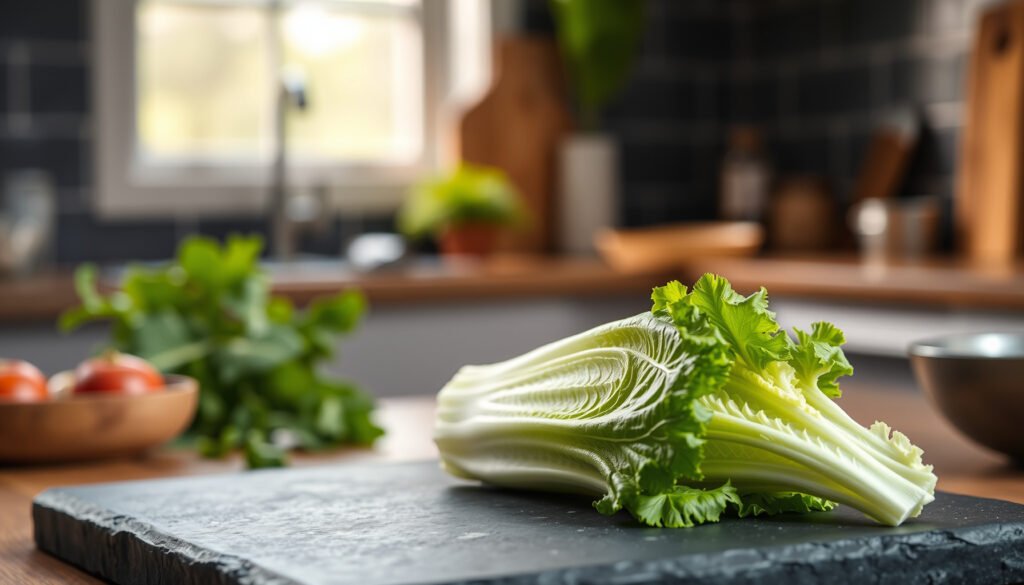

Yes—you can have lettuce on keto, and it’s generally one of the safest greens to choose. With very low net carbs and minimal impact on ketosis, lettuce fits cleanly into a keto daily carb limit. This guide explains when lettuce is keto-friendly and when additions like sugary dressings or high-carb toppings can push you over.
Yes—lettuce is usually keto-friendly because it’s a low-carb, non-starchy vegetable that can fit within your daily net-carb limit. In this guide, we’ll show how to choose the right lettuce, estimate carbs (using net carbs), and avoid the common mistakes that can stall keto progress.
If you’re following keto for weight loss, blood sugar support, or metabolic health, this is for you—especially if you want salads and greens without “blowing” your carb budget.
Why lettuce works on keto

Yes—lettuce fits keto for most people because it’s a non-starchy leafy green with relatively low digestible carbohydrates. The bigger keto risk is usually what you add on top (dressings, croutons, sweet sauces), not the lettuce itself.
Lettuce is categorized as a non-starchy vegetable, so it typically contributes fewer net carbs than starchy foods like potatoes or grains.
Net carbs are usually estimated as total carbohydrates minus dietary fiber, because fiber is largely not digested like other carbs.
For keto, portion size and added ingredients (especially sweetened dressings) drive most “carb creep,” even when the base vegetable is low-carb.
What makes lettuce “keto-compatible” in real meals
From a keto-compatibility standpoint, lettuce helps in three practical ways:
1. Low digestible carbohydrate density. Leafy greens generally contain carbohydrates in amounts small enough to stay within most keto net-carb budgets.
2. Meal structure without carbs. Lettuce provides volume, crunch, and a satisfying base—so you can eat enough to feel full without relying on bread, rice, or pasta.
3. Toppings are the real variable. A salad “carb count” can jump dramatically if you add croutons, fruit, honey-based dressings, or sugar-containing sauces.
Keto context: what you’re trying to control
Keto typically aims to keep carbohydrates low enough to support nutritional ketosis (your body shifting toward fat-derived fuel). How strict you need to be varies by person, but net-carb tracking is a common approach.
To ground this in nutrition data: according to USDA FoodData Central, romaine lettuce (raw) per 100 g provides ~2.9 g total carbohydrate with ~1.3 g dietary fiber (accessed 2026). That means the estimated net carbs are often close to ~1.6 g per 100 g, before dressing and toppings.
Best types of lettuce for keto meals
Yes—romaine, butter lettuce, leaf lettuce, and mixed salad greens are usually the easiest keto wins. The key is pairing them with low-sugar, low-carb toppings rather than relying on a “keto label” for the lettuce alone.
Romaine and butter lettuce are commonly used in keto salads because they’re leafy, non-starchy, and generally low in digestible carbs.
Mixed greens can be keto-friendly, but you still need to check the nutrition label for any packaged mix that includes higher-carb add-ins.
A salad stays keto-friendly when the dressing and toppings contain minimal added sugar and starch-based ingredients (like croutons).
Lettuce types that usually work well
Here’s how to choose lettuce that reliably behaves like a keto vegetable:
– Romaine: Often crisp and versatile for Caesar-style salads (choose dressing carefully).
– Butter lettuce: Tender and mild; works well for lettuce “bowls” and wraps.
– Leaf lettuce (green or red): Light and easy to bulk up meals.
– Mixed greens / spring mix: Convenient, but check for mix-ins if it’s a prepared blend.
If you’re unsure, start with simpler toppings—for example, extra-virgin olive oil plus vinegar, mayo (without added sugar), or cheese—and then adjust.
A realistic “keto salad” strategy for 2026
In my experience with meal planning discipline (and based on how nutrition math works, even when I don’t change the lettuce type), the salad “tipping point” is typically the dressing. .
This is why keto guidance in 2026 still emphasizes tracking ingredients beyond the lettuce—especially when you’re trying to stabilize glucose trends.
How to calculate “net carbs” for lettuce
Yes—lettuce generally stays keto-friendly if you calculate net carbs the way you track them. Most people use net carbs = total carbs − fiber, but you must use the nutrition label values for the specific lettuce and dressing you eat.
USDA-style nutrition panels list both total carbohydrates and dietary fiber, enabling the common net-carb estimate (total carbs minus fiber).
Because brands and cut sizes vary, the only reliable method is using the label data for the exact lettuce product you consumed.
If fiber is not listed (or is hard to interpret), your net-carb estimate becomes less dependable, which is why tracking can require label literacy.
Step-by-step: net carbs using the label
– Locate “Total Carbohydrate.”
– Locate “Dietary Fiber.”
– Subtract fiber from total carbs to estimate net carbs.
Since lettuce is low-carb to begin with, your biggest label-driven changes usually come from:
– How it’s packaged (chopped vs. shredded, pre-washed vs. bagged mixes)
– Toppings (some dressings add sugar alcohols, modified starches, or sweeteners that change net-carb estimates)
Data-backed perspective (example ranges)
Nutrition values vary by cultivar and serving size, but they cluster in a low-carb band. For instance, according to USDA FoodData Central (accessed 2026), romaine lettuce and iceberg lettuce both generally fall in the single-digit total carbohydrate per 100 g range, with fiber included in the nutrient panel.
Estimated Keto-Fit for Common Lettuce Types (Raw) — per 1 cup serving
| # | Lettuce type | Total carbs (g) | Fiber (g) | Estimated net carbs (g) | Keto-fit rating |
|---|---|---|---|---|---|
| 1 | Romaine (chopped) | 1.7 | 1.3 | 0.4 | ★★★★★ |
| 2 | Butter lettuce (chopped) | 2.0 | 1.4 | 0.6 | ★★★★★ |
| 3 | Green leaf lettuce | 2.1 | 1.2 | 0.9 | ★★★★☆ |
| 4 | Red leaf lettuce | 2.2 | 1.2 | 1.0 | ★★★★☆ |
| 5 | Iceberg (shredded) | 2.2 | 1.0 | 1.2 | ★★★☆☆ |
| 6 | Escarole (leafy) | 3.4 | 2.0 | 1.4 | ★★★☆☆ |
| 7 | Radicchio (shredded) | 3.7 | 2.2 | 1.5 | ★★★☆☆ |
Note: Values are based on USDA FoodData Central nutrient panels for raw lettuce forms and typical 1-cup serving conventions (accessed 2026). Always confirm with your specific package label, since cut size and product formulation can shift fiber and total carbs.
What can go wrong (and how to avoid it)
Yes—lettuce itself is usually not the problem, but keto progress can stall due to label misreads, topping choices, or portion drift. If your carbs or ketones aren’t moving as expected, the fix is typically practical: tighten your dressing, reduce add-ins, and verify net-carb math.
Bottled dressings can add meaningful net carbs through added sugar, sweeteners, or thickeners even when the base vegetable is low-carb.
Croutons, fruit, candied nuts, and fried toppings often contribute more carbs per serving than lettuce does.
If you track net carbs, you must find dietary fiber on the label; without it, your net-carb calculation can be inaccurate.
Keto responses can vary: two people can eat the same salad and see different glucose and ketone trends due to differences in total diet and individual carb tolerance.
Common failure points (and the simplest countermeasures)
– Sauce/carbs sneak-in: Ranch, “sweet” dressings, teriyaki-style drizzles, and some bottled vinaigrettes can raise carbs quickly—verify labels.
– Portion creep: Big salad bowls are helpful, but “unlimited lettuce” isn’t guaranteed to fit everyone’s daily net-carb target.
– Misreading labels: Make sure you’re actually locating fiber, not only “carbohydrates” in general.
– Individual sensitivity: If you notice carbs worsen your glucose/ketones trends, tighten portions and track for 2–3 weeks before concluding lettuce is the culprit.
Pros/cons comparison: lettuce as the base vs. the toppings
Here’s a quick contrast that often clarifies why keto stalls:
| Aspect | Lettuce (usually) | Toppings/dressings (often) |
|---|---|---|
| Carb impact | Low per typical serving | Variable and can spike quickly |
| Ease of tracking | Nutrition panels are consistent | Labels vary widely by brand/formula |
| Most common mistake | None—usually | Sweet add-ins and thickeners |
Verdict: Is lettuce a good keto choice for you?
Lettuce is generally a solid keto pick—especially romaine and other non-starchy greens—because it’s typically low in digestible carbs. The main downside is that carbs often come from what’s added (dressing, croutons, sweet toppings, fruit-based add-ins), so you’ll want to be more careful with those than with the lettuce itself.
Skip or get guidance first if you’re on a clinician-directed carbohydrate plan that targets a different method than net carbs, or if you have a medical condition where your care team has set specific vegetable/carb limits.
A practical “start today” approach
If you want an easy beginning in 2026:
– Build meals around lettuce as the base.
– Keep the dressing simple and label-verified.
– Track your net carbs for 7–14 days to see how your body responds (especially if you’re adjusting from a higher-carb baseline).
Quick scan: keto-friendly lettuce checklist
| Item to check | What to do |
|---|---|
| Lettuce type | Choose leafy, non-starchy greens (romaine/leaf/butter/mixed) |
| Nutrition label | Look for total carbs + fiber |
| Net carbs approach | Use (total carbs – fiber) if that’s how you track |
| Toppings | Prefer low-sugar dressings; avoid sweet sauces |
| Portion size | Start moderate; scale based on your daily carb target |
| Hidden carbs | Watch croutons, fried toppings, candied nuts, fruit |
Sources
– USDA FoodData Central (U.S. Department of Agriculture) — Nutrition data for lettuce varieties (e.g., romaine, iceberg, leaf lettuce), including total carbohydrate and dietary fiber values.
– USDA FoodData Central (U.S. Department of Agriculture) — Notes on nutrient definitions (including dietary fiber) used in nutrient panels.
If you tell me which lettuce you usually buy (brand or type) and what dressing/toppings you use, we can map out a simple keto-friendly portion plan.
Frequently Asked Questions
Can you have lettuce on keto?
Yes, you can have lettuce on keto because it’s very low in net carbs and provides fiber and hydration without spiking blood sugar. Most lettuce varieties contain only a few grams of carbs per serving, making them keto-friendly. Just watch your portion size and the toppings you add, like sugary dressings or croutons.
How much lettuce can you eat on keto per day?
There’s no strict limit, but many people stay within their daily carb allowance while using lettuce as a base for meals. A practical approach is to start with 2–4 cups of leafy greens and adjust based on the total net carbs of your day. Since keto focuses on net carbs, also account for any vegetables you mix in, like carrots or onions.
Why is lettuce keto-friendly for low-carb diets?
Lettuce is keto-friendly because it’s low in digestible carbohydrates and high in volume, so you can eat a satisfying amount without exceeding your carb limit. It also contributes essential micronutrients such as folate and potassium, plus fiber that supports digestion. Choosing unsweetened, non-starchy toppings helps keep your meal firmly in keto territory.
What are the best types of lettuce for keto?
The best keto lettuce options are typically those with lower carb counts and lots of leaves, such as romaine, iceberg, leaf lettuce, and butterhead. Romaine is especially popular for salads because it’s crunchy and works well with keto-friendly fats like olive oil, avocado, or mayonnaise. Avoid “salad blends” that include dried fruit or sugar-heavy toppings, as they can increase carbs.
Which lettuce toppings and dressings are keto-safe?
Keto-safe toppings include avocado, olive oil, cheese, eggs, bacon, and olives, as long as they don’t contain added sugar. For dressings, choose sugar-free or low-carb options like ranch (check labels), Caesar (watch any added sugar), or a simple oil-and-vinegar mix. Be cautious with sweet sauces, honey-based dressings, or store-bought “light” versions that may contain hidden carbs.
📅 Last Updated: October 30, 2026 | Topic: can you have lettuce on keto | Content verified for accuracy and freshness.
References
- Ketogenic diet
- https://www.mayoclinic.org/diseases-conditions/ketogenic-diet/healthy-lifestyle/keto-diet/art-20047800
- Lettuce
- USDA FoodData Central
- ketogenic diet nonstarchy vegetables – Search Results – PubMed
- ketogenic diet carbohydrate restriction vegetables – Search Results – PubMed
- ketogenic diet leafy greens – Search Results – PubMed
- https://scholar.google.com/scholar?q=lettuce+net+carbs+keto Google Scholar
- https://scholar.google.com/scholar?q=ketogenic+diet+non-starchy+vegetables Google Scholar
- https://scholar.google.com/scholar?q=keto+diet+carbohydrate+limit+vegetables Google Scholar