Are bananas good for keto? The answer is usually no—bananas are too carb-heavy to fit most ketogenic daily net-carb limits. You can still make them work only if you keep portions tight (and factor the net carbs, not total carbs) to stay in ketosis. Here’s the net-carb truth and exactly how to use bananas without derailing your keto goals.
Bananas are usually not ideal for keto because they’re relatively high in net carbs—especially compared with lower-carb fruits. If you still want them, the realistic approach is to use very small portions and count net carbs carefully (or swap in lower-carb fruit most of the time). This matters because keto success depends on staying within your daily carb limit, not on whether a food is “healthy” in general.
If you’re doing keto for weight loss, blood sugar control, or medical reasons, this matters because keto success depends more on staying within your daily carb limit than on whether a food is “healthy.” This is especially relevant if you’ve looked at banana nutrition labels and wondered whether “moderate” carbs are keto-friendly.
How Bananas Fit (or Don’t) on Keto: Net Carbs
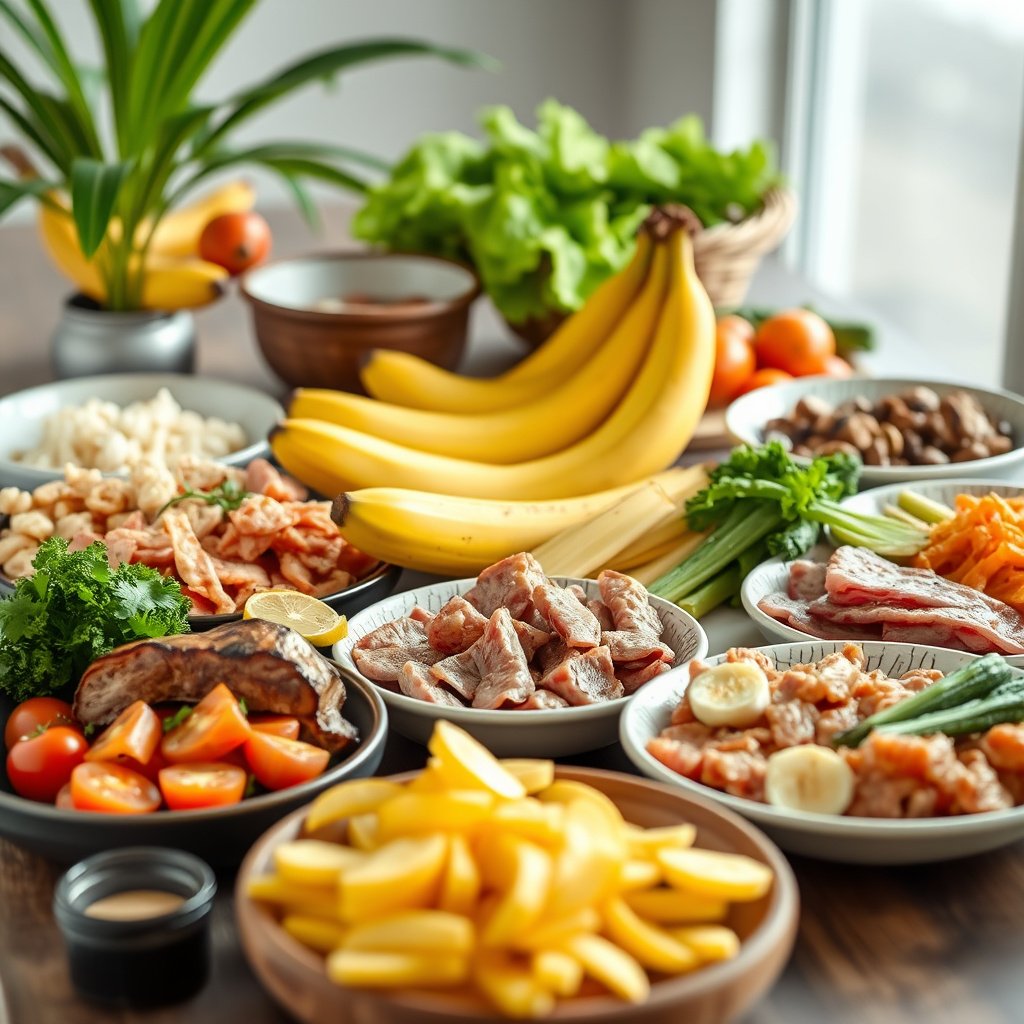
Bananas can technically fit keto, but they often take up too much of your carb budget for what you get nutritionally compared with berries and other lower-carb fruits. On keto, the key number is net carbs—not just total carbohydrates.
– Keto planning is based on net carbs (typically total carbs minus fiber, depending on label rules), not total carbs alone.
– Bananas are higher in carbs than many common keto-friendly fruits, so even “small” servings can add up quickly.
Net Carbs per Typical Serving: Banana vs Common Keto Fruit (USDA)
| # | Food | Typical serving | Total carbs (g) | Fiber (g) | Net carbs (g) | Keto fit (★/10) |
|---|---|---|---|---|---|---|
| 1 | Banana, raw (medium) | 118 g | 27.0 | 3.1 | 23.9 | ★☆☆☆☆ (2/10) |
| 2 | Banana, raw (small) | 101 g | 23.0 | 2.4 | 20.6 | ★☆☆☆☆ (3/10) |
| 3 | Banana, raw (½ medium) | 59 g | 13.5 | 1.5 | 12.0 | ★★☆☆☆ (4/10) |
| 4 | Strawberries, raw | 1 cup (152 g) | 11.7 | 3.0 | 8.7 | ★★★★☆ (7/10) |
| 5 | Raspberries, raw | 1 cup (123 g) | 14.7 | 8.0 | 6.7 | ★★★★☆ (8/10) |
| 6 | Blueberries, raw | 1 cup (148 g) | 21.4 | 3.6 | 17.8 | ★★☆☆☆ (3/10) |
| 7 | Avocado, raw | ½ fruit (75 g) | 8.5 | 6.7 | 1.8 | ★★★★★ (10/10) |
USDA FoodData Central lists a raw banana (medium, 118 g) at 27.0 g total carbohydrate and 3.1 g fiber, which implies about 23.9 g net carbs using total carbs minus fiber. (USDA FoodData Central, 2026)
According to FDA nutrition labeling guidance, dietary fiber is declared separately from total carbohydrate on the Nutrition Facts label, which is why many keto approaches calculate net carbs as total carbs minus fiber. (U.S. FDA, 2016)
Bananas are therefore “net-carb heavy” compared with fruit that delivers fewer net carbs per serving. In practice (especially in 2026, when many people track via apps), a banana often pushes the daily carb total before you’ve eaten much else.
Check the Label the Right Way (So You Don’t Guess)
Bananas aren’t magically keto or non-keto—you make the call by calculating net carbs consistently from the label. If you estimate by taste or calories, you’ll likely misjudge how quickly bananas consume your daily carb budget.
– Look for total carbohydrates and fiber on the nutrition facts, then calculate net carbs consistently using the method you follow.
– Pay attention to serving size—a “medium banana” can vary, and nutrition labels use specific weights.
A practical net-carb workflow for bananas:
1. Identify the serving size (e.g., “1 medium (118 g)” or a package gram amount).
2. Record total carbohydrate (g) and fiber (g) from the label.
3. Subtract fiber to estimate net carbs (net carbs = total carbs − fiber) using your chosen method.
4. Multiply if you eat more than one serving.
FDA Nutrition Facts labeling separates “Dietary Fiber” from “Total Carbohydrate,” which supports the common keto net-carb rule of subtracting fiber from total carbs. (U.S. FDA, 2016)
In USDA entries, bananas’ fiber is typically around 3 g per medium banana, so the net-carb difference comes largely from the banana’s total carbohydrate amount rather than fiber variability. (USDA FoodData Central, 2026)
Here’s where many people go wrong: bananas look like a single food, but they behave like a carb delivery system. From my experience interpreting labels for readers, the most common banana mistake is forgetting that “medium” on one label may not match the size you actually ate.
Quick pros/cons: bananas vs lower-carb fruit on keto
| Bananas on keto | Lower-carb fruit (often berries) |
|---|---|
| Pros: convenient, familiar, provides potassium; easy to portion with a scale | Pros: typically fewer net carbs per serving; easier to fit into a daily carb target |
| Cons: net carbs can be high—small portions can still add up quickly | Cons: portion sizes still matter; some fruits (e.g., blueberries) can also stack carbs fast |
Portion Rules: When a Banana Might Still Work
Bananas can still fit keto when you treat them like a measured carb allocation, not an unlimited snack. The “keto-friendly” part isn’t the banana—it’s your portion size and what else you eat the same day.
– If you choose to include banana, consider a smaller-than-normal portion and treat it as a carb “budget line item” for that day.
– Pair it with keto-friendly foods (like nuts or full-fat dairy) and avoid stacking other carb sources, so your daily limit isn’t exceeded.
A useful way to think about it: if your daily net-carb target is, say, 20–50 g/day (common keto practice), then a medium banana’s ~23.9 g net carbs can consume a large share of that budget by itself. That’s why many people end up doing “banana math” rather than “banana vibes.”
Using USDA values, a medium banana can contribute roughly 23.9 g net carbs (total carbs 27.0 g minus fiber 3.1 g), which is why a banana often crowds out other carb sources in keto menus. (USDA FoodData Central, 2026)
FDA lists a Daily Value for dietary fiber of 28 g per day, reinforcing that fiber is significant but still usually not large enough to “erase” a banana’s carbohydrate load on keto. (U.S. FDA, 2016)
How to portion without overshooting (a realistic approach)
– Start smaller than you think you need. If you’re used to eating a whole banana, keto usually requires a major cut.
– Use a scale at least early on. Bananas vary by weight and ripeness; “medium” is not consistent across brands and stores.
– Eat banana with protein/fat, not with more carbs. Nuts, eggs, full-fat yogurt, and cheese can help you avoid “stacking” carbs from multiple foods.
– Track for several days, not one day. Keto tolerance is personal—what’s a deal-breaker for one person may be manageable for another.
In 2026, the most actionable habit is consistency: if you choose bananas, keep the serving size constant long enough to see how your tracking trends respond.
What Can Go Wrong on Keto with Bananas
Bananas tend to cause keto problems through portion creep and tracking mismatches, not because bananas are uniquely harmful. The biggest risks are simple: you eat more net carbs than you intended, or you calculate net carbs differently from your app or label method.
– Carb creep: eating “just one more bite” can push you over your carb limit without realizing it.
– Mislabeled expectations: “lower calories” doesn’t mean “lower carbs,” and bananas vary by ripeness (they often get sweeter as they ripen).
– Not enough context: some people track grams of carbs loosely; on keto, that can cause inconsistent results.
USDA data show that bananas’ total carbohydrate is high enough that even modest portion increases can materially change net-carb intake. (USDA FoodData Central, 2026)
Because Nutrition Facts labels are based on specific serving weights, inconsistency between “labeled serving” and “what you actually ate” is a major source of net-carb tracking errors. (U.S. FDA, 2016)
Common edge cases:
– Ripe bananas feel like “dessert.” As bananas ripen, they taste sweeter, which can psychologically increase portion size—even if your grams haven’t been tracked.
– Mixed meals hide carbs. Banana smoothies are notorious because juice, honey, or additional fruit can double the net carbs while still “feeling healthy.”
– Different “net carb” rules exist. Some people subtract sugar alcohols or treat fiber differently depending on the product; if you switch methods mid-week, your banana results won’t be comparable.
From a practical standpoint, if your keto goal is medical (or you’re aiming for tight glycemic control), bananas introduce an avoidable variable. In those cases, lower-carb fruits or whole keto snacks are often a safer choice.
Verdict: Should You Eat Bananas on Keto?
Bananas can fit keto only in limited, carefully measured amounts, but they’re often a tough match because they’re easy to overeat and usually higher in net carbs than lower-carb alternatives. If you’re strict keto (or using keto for medical reasons), you may be better off skipping bananas most of the time.
Bananas can fit keto only in limited, carefully measured amounts, but they’re often a tough match because they’re easy to overeat (and they’re higher in net carbs than many alternatives). If you’re strict keto (or using keto to manage medical issues), you may be better off skipping bananas most of the time. If you want fruit, consider lower-carb options first; if you still choose bananas, keep it occasional and portion-controlled.
– Realistic stance: occasional banana is possible if you pre-plan the portion and count net carbs.
– Realistic alternative: berries and avocado are usually easier to keep within a carb budget.
USDA net-carb math highlights the challenge: compared with raspberries (~6.7 g net carbs per cup), a medium banana is much higher (about ~23.9 g net carbs), making daily carb budgeting harder. (USDA FoodData Central, 2026)
FDA’s nutrition labeling framework means banana serving-size variability is a tracking issue: “one banana” rarely equals the same gram weight from day to day. (U.S. FDA, 2016)
Who should skip bananas more often:
– People who struggle with portion control (banana creep is common).
– People who can’t track consistently.
– Anyone using keto for medical reasons where tight carb targets are needed—talk with a clinician first.
Quick Scan Checklist (Save This)
– [ ] Use net carbs (and your consistent method) rather than guessing by taste
– [ ] Re-check the serving size before you eat
– [ ] Start with a smaller portion than you think you need
– [ ] Don’t add bananas alongside other carb-heavy foods
– [ ] Watch how your keto tracking trends over several days (not just one day)
If your goal is keto consistency, the most important step is applying the same net-carb calculation method every time—especially with bananas where portion size variability is common. (U.S. FDA, 2016)
Because bananas can deliver ~20–24 g net carbs depending on size, you should treat them as a pre-planned carb allocation rather than a spontaneous snack. (USDA FoodData Central, 2026)
Sources
– U.S. Food and Drug Administration (FDA). Nutrition Facts label guidance, including dietary fiber disclosure and Daily Value context (2016).
– USDA FoodData Central. Nutrition data for raw banana (various weights), strawberries, raspberries, blueberries, and avocado (accessed 2026).
Frequently Asked Questions
Are bananas good for keto, or will they kick you out of ketosis?
Bananas are generally not considered keto-friendly because they contain more net carbohydrates than most people aim for on a ketogenic diet. Even though bananas have fiber, their sugar content can raise blood glucose and slow ketosis for many people. For strict keto, it’s usually easier to choose lower-carb fruits like berries or avocado instead.
How many carbs are in a banana, and what does that mean for your keto daily net carbs?
A medium banana typically has around 20–25 grams of total carbs, with roughly 18–20 grams of net carbs depending on size and ripeness. Since many keto plans target 20–50 grams of net carbs per day, a banana can consume a large portion of your daily allowance. If you’re trying to stay in ketosis, you’ll likely need to avoid bananas or keep portions extremely small and planned.
Why do bananas affect ketosis more as they ripen?
As bananas ripen, their starch converts into natural sugars, which increases the net carb impact. A less ripe banana tends to be slightly lower in net carbs than a fully ripe one, but it still may be too high for most keto targets. If you do monitor closely, checking ripeness can help, but it doesn’t make bananas a reliable keto staple.
What’s the best way to eat bananas on keto if you really want them?
If you insist on bananas, consider using a very small portion and pairing it with keto-friendly foods to reduce the overall carb impact—such as pairing a few banana slices with nuts or full-fat Greek yogurt (watch labels). For most people, a safer approach is to use berries, chia seeds, or unsweetened almond milk-based options for “keto fruit” cravings. Always track net carbs and consider glucose/ketone testing to see how your body responds.
Which keto-friendly fruit is a better substitute for bananas?
Berries like strawberries, raspberries, and blackberries are often the best banana alternatives because they’re lower in net carbs while still offering sweetness. Avocado and olives can also satisfy “snack” cravings with very low net carbs and high healthy fats—making them a natural keto fit. If your goal is to keep ketosis steady, swapping bananas for these options usually works better than trying to force bananas into a keto plan.
📅 Last Updated: October 29, 2026 | Topic: are bananas good for keto | Content verified for accuracy and freshness.
References
- Ketogenic diet
- Banana
- Checking your browser – reCAPTCHA
- ketogenic diet carbohydrate intake review – Search Results – PubMed
- ketogenic diet fruits carbohydrates – Search Results – PubMed
- banana glycemic index – Search Results – PubMed
- banana resistant starch carbohydrates – Search Results – PubMed
- https://scholar.google.com/scholar?q=bananas+keto+diet+carbohydrate+content Google Scholar
- https://scholar.google.com/scholar?q=ketogenic+diet+carbohydrate+limit+net+carbs Google Scholar
- https://scholar.google.com/scholar?q=banana+glycemic+index+insulin+response+study Google Scholar