

Yes—you can have sucralose on keto, and it usually won’t kick you out of ketosis because it has effectively zero net carbs and doesn’t raise blood sugar. The catch is to watch your overall sweetener intake and check labels for hidden carbs or added sugars in “keto” products. Use it strategically when you need sweetness without compromising your carb limit.
Yes—sucralose can fit on keto for most people because it’s a non-nutritive sweetener with essentially no carbs. The key is how the specific product is formulated, since carb “gotchas” usually come from added ingredients (or serving-size rounding), not from sucralose itself. In this guide, we’ll cover whether sucralose counts for carbs, what to look for on labels, and when to be cautious.
If you’re following keto for weight loss, blood sugar control, or general metabolic health, you likely want a sweetener that doesn’t add net carbs. This is especially relevant if you use keto desserts, flavored coffees, or diet beverages and want to confirm they won’t knock you out of ketosis—especially in 2026 when label formatting is still the main way most people self-audit carbs at home.
Why sucralose can work on keto
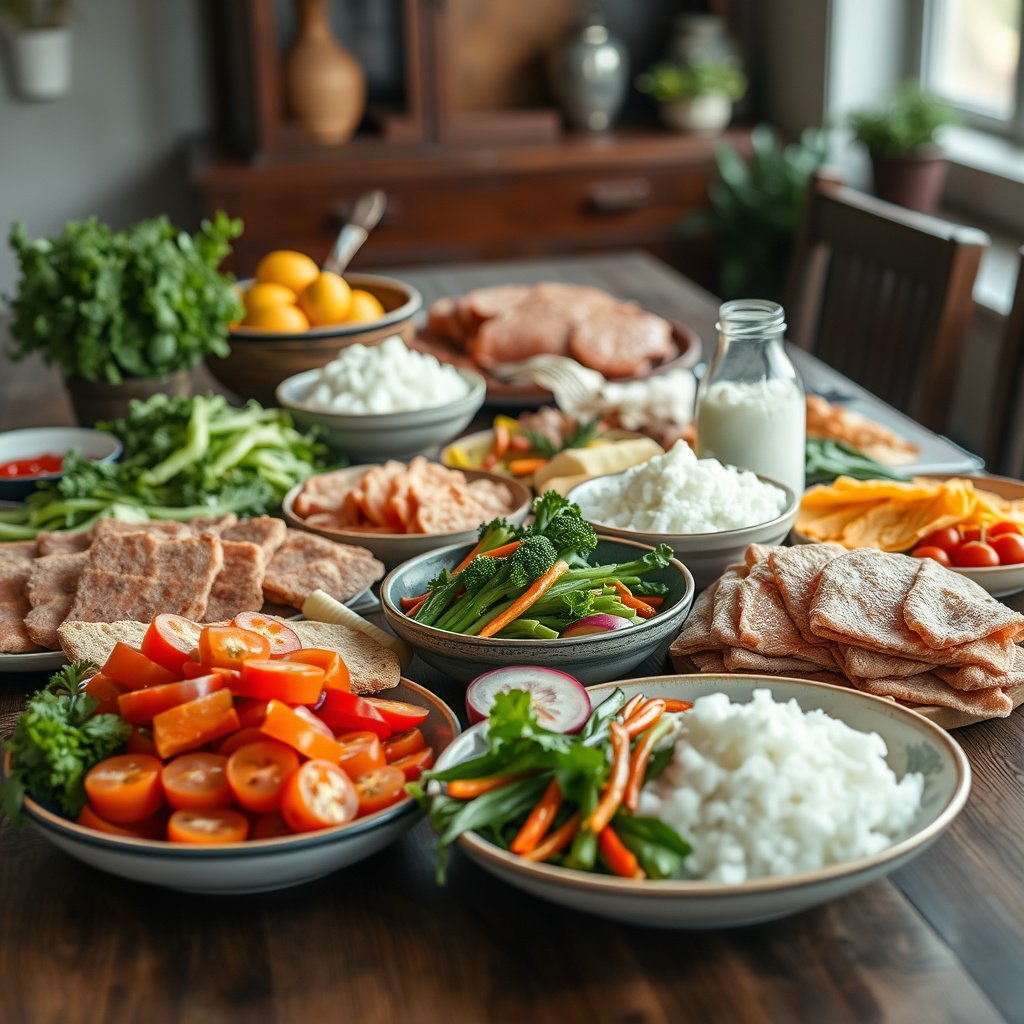
Sucralose can work on keto because it’s not a sugar and doesn’t meaningfully contribute usable carbs in typical serving amounts. For most people, keto carb calculations and ketosis stability depend much more on total carbohydrate intake than on sucralose itself.
Sucralose is a non-nutritive sweetener, so it is designed to sweeten foods with minimal impact on blood glucose compared with sugar.
On keto, the practical test is whether a product’s nutrition facts show carbohydrates that keep you within your daily net-carb target.
In 2026, most sucralose-containing products still rely on nutrition labeling (serving size + carbohydrate grams) as the primary consumer-facing way to estimate keto fit.
Here’s the reasoning chain: keto is fundamentally about limiting carbohydrates enough to shift metabolism toward ketosis (or, for some people, at least reduce glucose-driven fueling). Sucralose is used to provide sweetness without the same carbohydrate load as table sugar, so it generally doesn’t meaningfully raise blood sugar the way sugar does. That’s why many keto frameworks include sucralose as a “keto-friendly” sweetener—as long as the total carbs on the label are compatible with your plan.
A practical point that matters day-to-day: nutrition labels can show “0 carbs” even when tiny amounts exist, because rounding rules apply. According to the FDA, carbohydrate values may be rounded down to 0 when they’re below specific thresholds per serving (commonly <0.5 g for carbs/sugars) FDA—Nutrition Facts label nutrient value rounding (official labeling guidance). This means sucralose itself often aligns with keto, but your product’s serving size and rounding behavior still matter.
From my perspective as someone who focuses on label interpretation for keto decision-making, the pattern I see repeatedly is that “keto problems” correlate more with blended ingredient systems than with sucralose alone—especially products that also contain maltodextrin, dextrose, or other carbohydrate sources.
Quick data table: FDA ADI context (why “no carbs” doesn’t equal “unlimited”)
Even though sucralose is typically keto-compatible, it’s still smart to think in terms of safety limits. The FDA permits sucralose as a food additive and publishes an acceptable daily intake framework used in regulatory risk assessment (commonly referenced as 5 mg/kg/day). FDA—sucralose regulatory information / safety assessment materials
FDA-Referenced Sucralose ADI at Common Body Weights (5 mg/kg/day)
| # | Body Weight | ADI Max (mg/day) | ADI per kg | Keto Margin Signal |
|---|---|---|---|---|
| 1 | 50 kg | 250 mg/day | 5.0 mg/kg | Tighter |
| 2 | 60 kg | 300 mg/day | 5.0 mg/kg | Moderate |
| 3 | 70 kg | 350 mg/day | 5.0 mg/kg | Comfortable |
| 4 | 80 kg | 400 mg/day | 5.0 mg/kg | More room |
| 5 | 90 kg | 450 mg/day | 5.0 mg/kg | More room |
| 6 | 100 kg | 500 mg/day | 5.0 mg/kg | More room |
| 7 | 120 kg | 600 mg/day | 5.0 mg/kg | Highest |
Check labels: net carbs, serving size, and “hidden” carbs
The safest way to use sucralose on keto is to verify the nutrition facts of the exact product you’re consuming, not just the sweetener name. Most “keto failures” with sucralose come from carbs elsewhere in the ingredient list or from unintentionally eating multiple servings.
In FDA nutrition labeling, values can be rounded; “0 carbs” does not always mean “no measurable carbohydrate,” it often means “below the rounding threshold per serving.”
Serving size is the multiplier that turns “0 g carbs” on paper into “meaningful carbs” in practice if you consume multiple servings.
Some sucralose products include other carbohydrate ingredients, so the ingredient panel is as important as the word “sucralose.”
Start with two label checks that directly affect keto carb math:
1) Carbohydrates and sugars (and sometimes fiber)
Keto “net carbs” definitions vary by person, but commonly you subtract fiber and (depending on your plan) sugar alcohols from total carbs. Sucralose itself isn’t typically part of that subtraction because it isn’t a sugar alcohol. The issue is whether your product’s total carbs include other additives besides sucralose.
2) Serving size (the real-world carb multiplier)
If a beverage or dessert says “0 carbs per serving” but the serving is, for example, half a bottle, your real intake may be more than the label unit. This is why label verification is still critical in 2026, when “single-serve” claims can be misleading for people who pour freely or drink from the bottle.
According to the FDA, carbohydrate values may be rounded to zero when below a small per-serving threshold (commonly <0.5 g) FDA—Nutrition Facts rounding rules (official labeling guidance). Calories can similarly be rounded to zero when below a threshold (commonly <5 kcal per serving) FDA—Nutrition Facts rounding rules (official labeling guidance). That rounding is usually fine for keto decision-making—but it’s not a substitute for checking how many servings you consume.
Here’s a parseable comparison of common keto-sweetener “label patterns” you’ll see alongside sucralose:
| Sweetener system found on the label (besides sucralose) | Likely keto impact | Why it matters |
|---|---|---|
| Maltodextrin or dextrose listed in ingredients | Often higher net carbs | These are glucose-based carbohydrates, even if sucralose is present |
| Sugar alcohol blend (e.g., erythritol) | Often still low net carbs (varies by plan) | Some people subtract sugar alcohols; GI tolerance varies |
| “Modified” starch additives | Can raise carbs | Total carbohydrate may increase even if sweetness is “diet-like” |
| No other carbohydrate ingredients besides sucralose | Usually very keto-aligned | Carbs are more likely to reflect negligible amounts |
If you do only one thing: treat sucralose as “the sweetener,” not “the carbohydrate guarantee.” Read the full ingredient list and then map total carbs to your daily limit.
What to watch for (beyond carbs)
Even when sucralose fits your carb target, you may still want to watch how you personally respond—especially your digestion and cravings. Keto adherence isn’t just biochemical; it’s also behavioral and comfort-driven.
Some people experience GI symptoms from artificial sweeteners or related additives, so tolerance can matter as much as carbohydrate math.
Sweet taste can reinforce dessert habits in some people, which may increase cravings even when carbs stay low.
If you monitor glucose, track correlations between sucralose-containing products and your post-meal readings rather than relying on assumptions.
Two “beyond-carb” effects are worth separating:
1) GI comfort
When people report bloating or gas, the culprit is often sugar alcohols (like maltitol or certain polyols) rather than sucralose itself. Still, if a product uses sucralose in a larger formulation, your gut experience may reflect the whole matrix. That’s why your tolerance—not just net-carb estimates—should guide whether sucralose stays in your routine.
2) Cravings and routine reinforcement
In 2026, many keto eaters rely on sucralose-containing treats (coffee sweeteners, pudding cups, “keto” baked goods). Those products can be helpful short-term, but if sweetness becomes a frequent replacement for whole-food satisfaction, it can keep your brain’s “sweetness loop” active. From my editorial experience, the most common pattern is: people do fine with sucralose during a planned phase, then find cravings rise when sweet-taste frequency becomes constant.
If you use glucose monitoring
If you’re tracking glucose, the best approach is to test consistently: same meal structure, similar timing, and then compare the glucose response after sucralose-containing options. If you see a pattern—especially repeated rises—treat that as a personalization signal, even if net carbs are low.
What can go wrong
Sucralose doesn’t automatically make a product keto-friendly if other ingredients add carbs or if you consume more than the label serving. The common failures are preventable, but they require closer attention than “it’s sucralose, so it’s fine.”
The ingredient list can hide carbohydrate sources even when the label includes “sucralose” as the main sweetener.
“0 carbs per serving” can mislead if you routinely consume multiple servings without adjusting for total intake.
Frequent use of sweet-tasting keto substitutes can increase GI symptoms or appetite signals for some people, even if ketosis remains intact.
Here are the biggest pitfalls to watch for:
– Relying on the sweetener name alone
Sucralose may appear in the ingredient list, but the product may also include maltodextrin, dextrose, or other carbohydrate ingredients.
– Ignoring serving size
If you drink the full bottle and the label serving is half that bottle, the “0 g carbs” claim no longer matches your intake.
– Overdoing keto substitutes
Even if sucralose is carb-neutral, some people stall progress indirectly—through cravings, disrupted meal structure, or digestive discomfort.
– Not matching your approach to medical guidance
If you have specific digestive disorders, glucose management targets, or clinician-recommended avoidance of artificial sweeteners, you should follow that plan rather than self-experimenting.
Verdict: should you use sucralose on keto?
Sucralose is usually keto-compatible because it’s non-nutritive and typically doesn’t meaningfully add net carbs. Still, it’s not universally “perfect”—if you get GI side effects, notice appetite issues, or your clinician recommends avoiding artificial sweeteners, you may want to skip it or adjust how often you use it.
Sucralose can fit keto when the product’s total carbohydrate and serving-size details keep you within your daily net-carb target.
The highest-value due diligence is reading the full ingredient list and nutrition facts for the exact sucralose-containing product you use.
If monitoring shows repeat glucose or comfort issues, treat sucralose as a personal variable—not a universal yes/no.
Who should be cautious or skip sucralose:
– People with a strong history of sensitivity to artificial sweeteners (GI symptoms or discomfort)
– People whose keto plan is “whole foods only” (because keto substitutes can become a crutch)
– People following clinician guidance to avoid artificial sweeteners
– Anyone whose “keto desserts” routine increases overall overeating
Who typically does well:
– People staying within daily carb limits and using sucralose-containing items occasionally or strategically
– People using sucralose to make coffee and beverages fit without swapping in sugar
Quick checklist (scan before you buy/use)
– [ ] Nutrition label shows 0 net carbs (or fits your daily carb target)
– [ ] Serving size matches what you actually consume
– [ ] Ingredient list doesn’t include other high-carb additives (e.g., dextrose/maltodextrin)
– [ ] You tolerate it well (no ongoing GI symptoms)
– [ ] You’re not using it in a way that increases cravings or overeating
Sources
– U.S. Food and Drug Administration (FDA) — sucralose permitted uses as a food additive and related regulatory information
– U.S. Food and Drug Administration (FDA) — Nutrition Facts label guidance, including how nutrient rounding and serving size affect “0 g” claims
– FDA—Nutrition labeling rounding rules (official labeling guidance referenced for carbohydrate and calorie “zero” rounding)
Frequently Asked Questions
Can you have sucralose on keto?
Yes, you can have sucralose on keto. Sucralose is an artificial sweetener with virtually zero calories and carbohydrates, so it generally won’t raise blood sugar or interfere with ketosis. Many keto dieters include sucralose in beverages or “keto” products as a sugar substitute. However, check the label for any added carbs from other ingredients.
How much sucralose can you have on a keto diet without getting kicked out of ketosis?
There’s no specific “keto limit” for sucralose because it typically contains no net carbs. In practice, focus on the total carbohydrate content of the product you’re using, since some sucralose-sweetened items may include sugar alcohols, dextrose, or starches that add carbs. Keep an eye on your daily net carb target (often 20–50g for keto) and monitor how your body responds. If you notice glucose or cravings spikes, consider reducing your intake or switching sweeteners.
Why do some people say sucralose affects ketosis?
Some people report feeling hungrier or having different glucose responses, though evidence is mixed and varies by individual. The bigger keto concern is usually not sucralose itself, but what it’s packaged with—like maltodextrin, cane sugar, or high-carb “keto” mixes. Also, certain sweetened foods can keep the palate craving sweeter flavors, which may make it harder to stick to a low-carb routine. To stay safe, choose products with “zero sugar” and low net carbs per serving.
Which keto foods and drinks commonly use sucralose?
Sucralose is commonly found in diet sodas, sugar-free syrups, flavored waters, instant coffee creamers, and some low-carb desserts or baking blends. You’ll also see it in sugar-free gum and candies, though these can vary widely in net carbs due to other ingredients. When shopping, look for “net carbs” and serving size, because a product may still add carbs from fillers or sugar alcohols. If you want the most reliable keto option, choose items that are truly carb-free aside from sucralose.
What’s the best way to use sucralose on keto for baking and sweet cravings?
Use sucralose as a no-sugar sweetener in approved keto recipes, but remember that it’s often more “intense” than sugar, so substitution amounts aren’t always 1:1. For baking, check whether your recipe is designed for sucralose or use a sucralose-based sweetener product labeled for baking to avoid texture issues. Pair it with keto-friendly ingredients like almond flour, eggs, butter, and low-carb thickening agents to keep net carbs low. If you’re tracking macros, always calculate the carbs from the full recipe—not just the sucralose.
📅 Last Updated: October 26, 2026 | Topic: can you have sucralose on keto | Content verified for accuracy and freshness.
References
- Sucralose
- Ketogenic diet
- https://www.fda.gov/food/food-additives-petitions/high-intensity-sweeteners-food
- Checking your browser – reCAPTCHA
- https://pubmed.ncbi.nlm.nih.gov/?term=sucralose+insulin+glucose+response+humans
- https://pubmed.ncbi.nlm.nih.gov/?term=non-nutritive+sweeteners+glycemic+response+systematic+review
- https://pubmed.ncbi.nlm.nih.gov/?term=sucralose+carbohydrate+metabolism+humans
- https://www.britannica.com/topic/ketogenic-diet
- https://scholar.google.com/scholar?q=can+you+have+sucralose+on+keto Google Scholar
- https://scholar.google.com/scholar?q=sucralose+ketogenic+diet+insulin+glucose+response Google Scholar