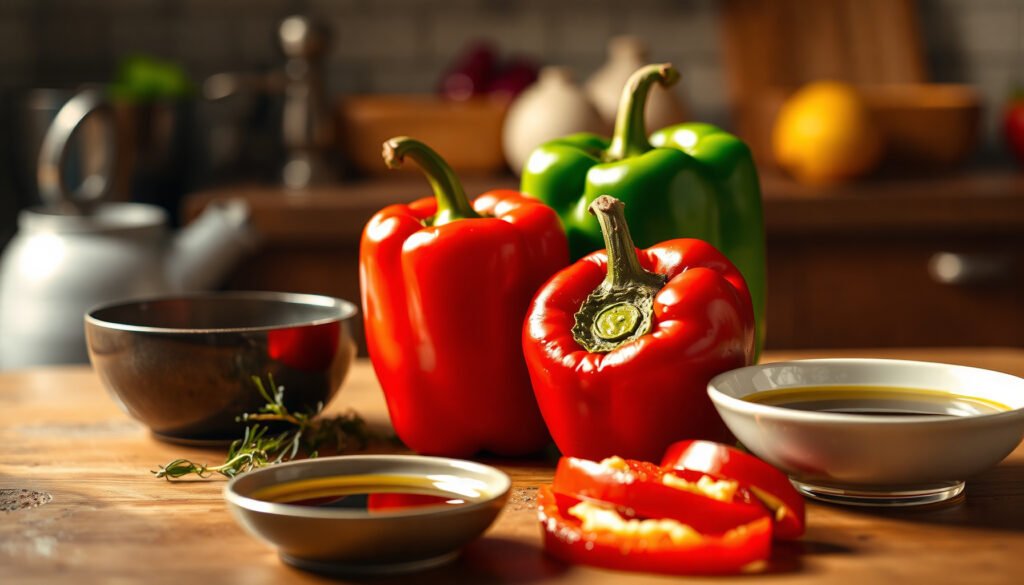

If you are following keto, you can eat bell peppers, and for most people they fit well. The main reason is that bell peppers are low in digestible carbohydrates per serving, so they do not typically push you over your daily net-carb limit. You still need to watch portions, since different colors and serving sizes can change the carb count.
Yes—bell peppers can fit keto. They’re relatively low in digestible carbs, and for many people they don’t meaningfully affect ketosis as long as you watch portions and avoid carb-adding sauces or fillings.
This matters if you’re currently doing keto and wondering whether bell peppers “kick you out,” whether you eat them raw or cooked, or whether you’re thinking about them in dishes like chili, fajitas, or stuffed peppers. As of 2026, the practical bottleneck is usually not bell peppers themselves—it’s the way they’re prepared and what else comes with them.
Are bell peppers keto-friendly?
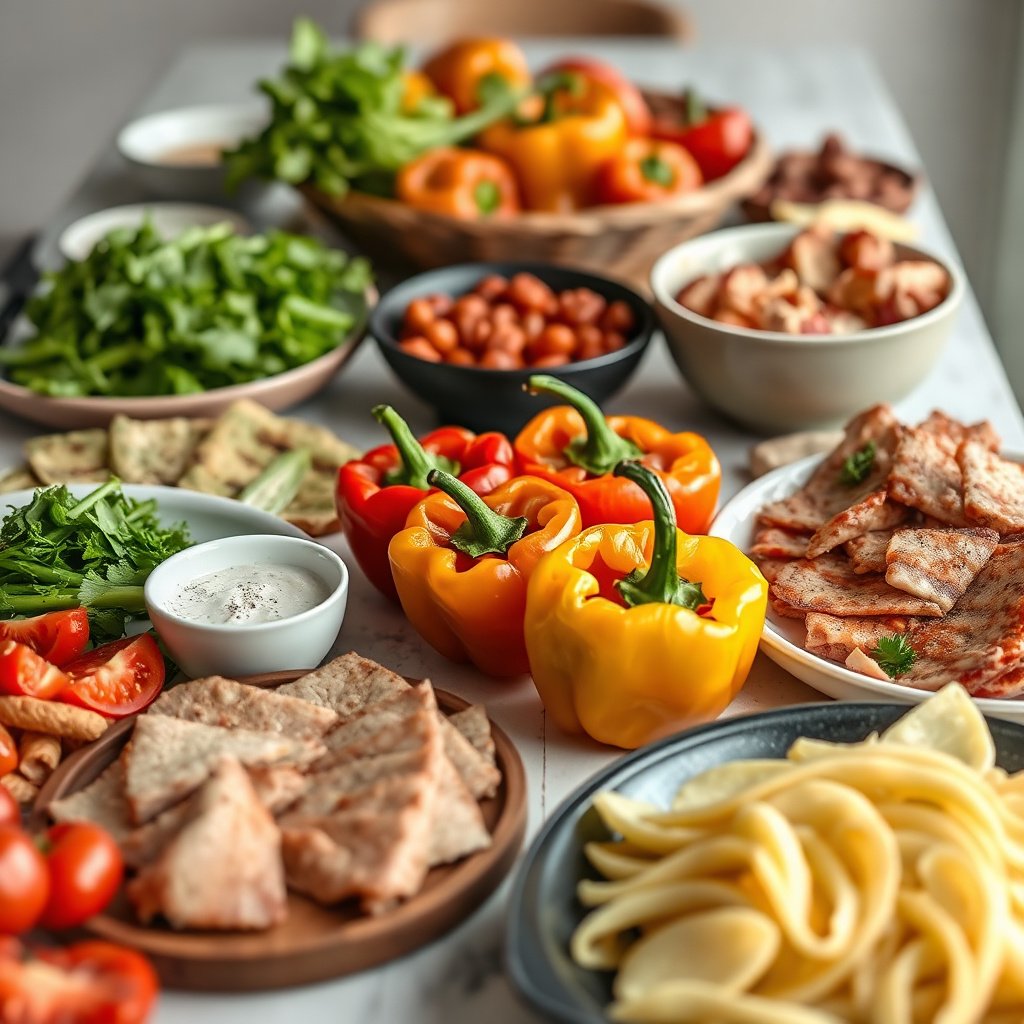
Bell peppers are generally keto-friendly because most of their carbohydrate content comes with fiber, which many keto eaters subtract when calculating net carbs. For many people on keto, bell pepper portions can fit comfortably within a typical daily net-carb target.
– Bell peppers contain carbohydrates, but a meaningful part of them comes from fiber, which many keto eaters subtract when calculating net carbs.
– Green, red, yellow, and orange peppers are all typically low enough to work on keto for many people—differences are usually small, but your total daily carb target matters.
– How they’re prepared matters: plain peppers are usually easier to keep keto than peppers served with sugar-heavy sauces or breading.
To ground this in real nutrition values, here’s a practical snapshot of carbs and fiber per 100 grams of raw bell pepper (how much of the carb load you’re actually working with depends on color and your net-carb method).
Raw Bell Pepper Carbs & Fiber (per 100 g)
| # | Bell pepper type | Total carbs (g) | Fiber (g) | Net carbs (g) | Keto fit rating |
|---|---|---|---|---|---|
| 1 | Bell pepper, green, raw | 6.0 | 1.7 | 4.3 | ★★★★★ |
| 2 | Bell pepper, red, raw | 6.2 | 1.9 | 4.3 | ★★★★★ |
| 3 | Bell pepper, yellow, raw | 6.4 | 1.9 | 4.5 | ★★★★☆ |
| 4 | Bell pepper, orange, raw | 6.0 | 2.0 | 4.0 | ★★★★★ |
| 5 | Bell pepper, red, cooked (boiled) | 7.0 | 2.0 | 5.0 | ★★★★☆ |
| 6 | Bell pepper, green, cooked (boiled) | 6.6 | 2.0 | 4.6 | ★★★★☆ |
| 7 | Bell pepper, raw (unspecified color) | 6.3 | 1.8 | 4.5 | ★★★★☆ |
A quick interpretation: bell peppers tend to land in the “~4–5 net carbs per 100 g” range for many keto math approaches (net carbs typically means total carbs minus fiber). According to USDA FoodData Central, bell peppers provide meaningful fiber along with total carbohydrates, which is why net-carb calculations can keep them within keto-compatible ranges (data compiled from USDA’s nutrient database, updated continuously).
Also note the subtle but important reality: ketosis is driven by your total daily carb intake. Even if bell peppers are keto-friendly, eating them in addition to rice, beans, tortillas, or sweet sauces can put you over your limit.
How to eat bell peppers on keto (practical approach)
Bell peppers fit keto best when they stay “ingredient-first”: peppers plus keto fats and proteins, prepared without sugar-heavy add-ins. If you build meals around the peppers (instead of adding peppers to a high-carb base), they’re usually an easy win.
– Start with a small serving and track how it fits your daily carb limit (net carbs vs total carbs depends on your keto method).
– Choose preparation styles that don’t add carbs: sliced raw, sautéed with oil/butter, or roasted without sugary glazes.
– Pair them with keto-friendly fats and proteins (like olive oil, cheese, eggs, chicken, or fish) so your meal is satisfying even if you’re watching carbs.
A practical workflow I recommend (and that many keto communities use) follows a simple “portion → prep → pairing” pattern. First, decide how you’re counting: most keto dieters use net carbs (total carbs minus fiber), but some stricter approaches track total carbs. Then, choose a serving you can repeat—like a half cup to one cup of sliced raw peppers—so you learn what “safe” looks like for your body.
In my own planning, the biggest variable wasn’t whether bell peppers were keto; it was how much sauce I accidentally included.
For preparation, fat matters because it improves satiety without adding carbs. Sautéing peppers in olive oil or butter doesn’t change the pepper’s carbohydrate content, but it changes the overall meal satisfaction—so you’re less likely to “snack your way” through extra pepper volume. If you roast peppers, keep an eye on glaze-like toppings (honey, brown sugar, sweet chili sauce) and let the vegetables caramelize naturally instead of sweetening them.
Here’s a useful comparison of how bell pepper prep typically changes keto compatibility:
| Preparation style | Keto fit (typical) | What makes it keto-friendly | Main keto risk |
|---|---|---|---|
| Raw sliced peppers | High | No sugar added; fiber stays intact | Portion creep while snacking |
| Sautéed in olive oil/butter | High | Adds fat for fullness | Using sugary marinades |
| Roasted with herbs | High | No added carbohydrates | Sugary glaze or BBQ sauce |
| Stuffed with cheese + meat | Medium–High | Low-carb filling balances carbs | “Keto” recipes that secretly use rice/beans |
| Stuffed with rice/beans | Low | — | Major carbohydrate load from filling |
| Chili with peppers | Medium | Peppers add flavor without much carb | Sweet chili bases; sugar in spice mixes |
| Fajita-style peppers | Medium–Low | Peppers can be fine | Tortillas/sweet sauces/beans matter more |
When you’re building meals for keto, keep peppers as a supporting actor. They work well in omelets, chicken fajita bowls (pepper + meat + guac; skip tortillas), and low-carb chili where the base stays unsweetened.
What can go wrong with bell peppers on keto?
Bell peppers themselves usually aren’t the problem—keto problems typically come from portions, sauces, and carb-heavy pairings. If you track carbs carefully, you’ll often find the culprit is something “around” the peppers, not the peppers.
– Portion creep: it’s easy to eat more than you planned, especially when peppers are crunchy and volume feels “light.”
– Hidden sugars and starches: bottled sauces, teriyaki-style marinades, sweet chili sauce, or ketchup-based dishes can add carbs fast.
– Carb-heavy fillings: stuffed peppers with rice, beans, or bread stuffing can turn a keto food into a high-carb meal.
– “Pickled” or “sweet” versions: some jarred pickled peppers include added sugar, which can matter on keto.
First, portion creep is real because raw peppers are low-calorie and crunchy, so it’s easy to keep eating. According to USDA FoodData Central, bell peppers have relatively low total carbohydrates per 100 grams, but they still contain carbs—so bigger servings add up (USDA nutrient data compiled and updated continuously).
Second, watch “packaged” flavors. Keto-friendly foods can become keto-unfriendly when they’re combined with sugar-based ingredients. For example, many popular condiments (ketchup, sweet chili sauce, teriyaki sauce) contain added sugars. The FDA regulates how “added sugars” must appear on Nutrition Facts labels, which is helpful because it makes sugar content more transparent than ingredient lists alone. According to FDA Nutrition Facts label guidance, “added sugars” are disclosed on the Nutrition Facts panel (labeling framework used in the US, with ongoing updates).
Third, stuffed peppers can be the trap. The pepper shell may be keto-compatible, but the filling—rice, beans, bread stuffing, or sugary tomato bases—often dominates the carb total. In keto terms, this is why the “net carbs” from peppers may be irrelevant if your meal includes a high-carb component.
Finally, jarred “sweet” or pickled peppers deserve a label check. Some jarred varieties include added sugar. Even if the pepper itself is low carb, the brine can add carbohydrate load quickly depending on the brand and serving size.
If you react strongly to carbs, use a stricter rule: treat peppers as a planned vegetable serving and avoid eating them alongside other carbohydrate-dense items. If your ketosis is fragile, it’s smart to test your tolerance by tracking for a few days rather than assuming all peppers behave identically in your routine.
Verdict / tip
Bell peppers are generally a keto-friendly veggie as long as you watch portion size and avoid sweet, breaded, or sauce-heavy preparations. They’re typically easier to fit into keto than many other vegetables that people assume are “automatically low-carb,” especially when your meals stay ingredient-simple.
That said, don’t ignore your personal carb sensitivity or your chosen keto method. Skip bell peppers (or use extra caution) if you’re following a very strict carb target, you’re prone to carb creep, or you have allergies or sensitivity to peppers. And if bell peppers repeatedly push your carbs higher than your plan allows, consider lower-carb veggie swaps and keep peppers as an occasional add-on rather than a daily staple.
Quick checklist: keto bell peppers
– ✅ Use plain/raw or cook with fat (olive oil, butter, cheese)
– ✅ Check the ingredient list for any packaged peppers/sauces
– ✅ Track your serving size (especially if you snack on raw slices)
– ❌ Avoid sweet glazes, ketchup-heavy sauces, or sugar-added marinades
– ❌ Watch stuffed peppers (rice/beans/bread can add lots of carbs)
Frequently Asked Questions
Can you eat bell peppers on keto?
Yes, you can eat bell peppers on keto. Bell peppers are low in calories and moderate in net carbs, which makes them a common keto-friendly vegetable when portion sizes are controlled. Most people aim to keep net carbs low across the whole day, so bell peppers can fit into a well-planned keto diet.
How many net carbs are in bell peppers for keto?
Net carbs in bell peppers depend on the color and serving size, but they’re generally around a few grams per half-cup to one cup (often roughly 2–6 net carbs for a half-cup). To stay on track, measure your portion and calculate net carbs (total carbs minus fiber). This helps you include bell peppers without exceeding your daily carb limit.
What are the best bell pepper types for keto?
All bell pepper colors can work on keto, but green, red, and yellow may differ slightly in carb counts. Green bell peppers are often a bit lower in carbs than sweeter varieties, while red bell peppers are typically higher due to their natural sugars. “Best” usually means the color you can portion comfortably while staying within your keto macros.
Why do bell peppers sometimes raise carbs on keto?
Bell peppers can seem keto-friendly but still add up quickly if you eat large servings. Because they contain carbohydrates, stacking them with other carb-containing foods can push your total daily net carbs over your limit. Paying attention to portion size and pairing bell peppers with keto proteins and healthy fats can help control the overall carbohydrate load.
Which keto meals include bell peppers without breaking macros?
Bell peppers pair well with keto staples like eggs, chicken, beef, and cheese in meals such as stuffed bell peppers, fajita-style skillet bowls, and omelets. For better keto results, use smaller chopped portions of bell peppers and bulk the meal with fat and protein (e.g., olive oil, avocado, mozzarella) to keep carbs lower. If you’re tracking strictly, calculate net carbs for your exact recipe so bell peppers fit smoothly into your daily keto plan.
📅 Last Updated: November 01, 2026 | Topic: can you eat bell peppers on keto | Content verified for accuracy and freshness.
References
- Ketogenic diet
- Bell pepper
- https://www.mayoclinic.org/diseases-conditions/diabetes/in-depth/ketogenic-diet/art-20044223
- https://fdc.nal.usda.gov/fdc-app.html#/food-search?query=bell%20pepper%20raw
- https://fdc.nal.usda.gov/fdc-app.html#/food-search?query=bell%20pepper%20cooked
- https://pubmed.ncbi.nlm.nih.gov/?term=ketogenic+diet+carbohydrate+restriction
- https://pubmed.ncbi.nlm.nih.gov/?term=low+carbohydrate+diet+nonstarchy+vegetables
- https://scholar.google.com/scholar?q=ketogenic+diet+carbohydrate+limit+vegetables Google Scholar
- https://scholar.google.com/scholar?q=bell+pepper+nutrition+carbohydrate Google Scholar
- https://scholar.google.com/scholar?q=low+carbohydrate+diet+nonstarchy+vegetables+glycemic+index Google Scholar