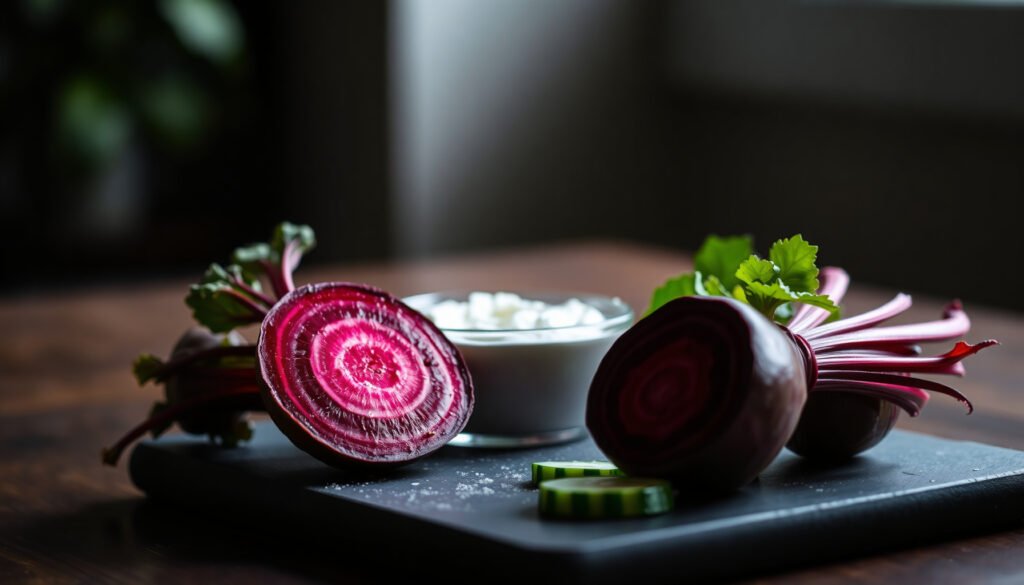

Yes, you can eat beetroot on keto if you keep your net carbs low and portion it carefully—it’s for people who track macros, not those who eat it freely. The deciding factor is beetroot’s carbohydrate load, which can quickly push you over your daily keto limit. Stick to a small serving and account for it in your carbs for the day.
Yes—you can eat beetroot on keto, but only in small portions, because it contains natural sugars (carbohydrates) that can push you over your daily keto limit. If you track net carbs (net carbs = total carbs − fiber), beetroot can fit occasionally; if you don’t track, it’s easy to overshoot—especially with beetroot juice or larger servings. This guide helps you decide how much (and which type) is most keto-friendly, including how to calculate your carbs accurately for the exact form you’re eating.
If you’re following keto to lose weight, manage blood sugar, or reduce cravings, beetroot may tempt you—especially in salads and smoothies. This is for you if you’re willing to check nutrition labels or look up carbs for your exact serving and preparation method.
How beetroot affects keto (carbs, sugar, fiber)
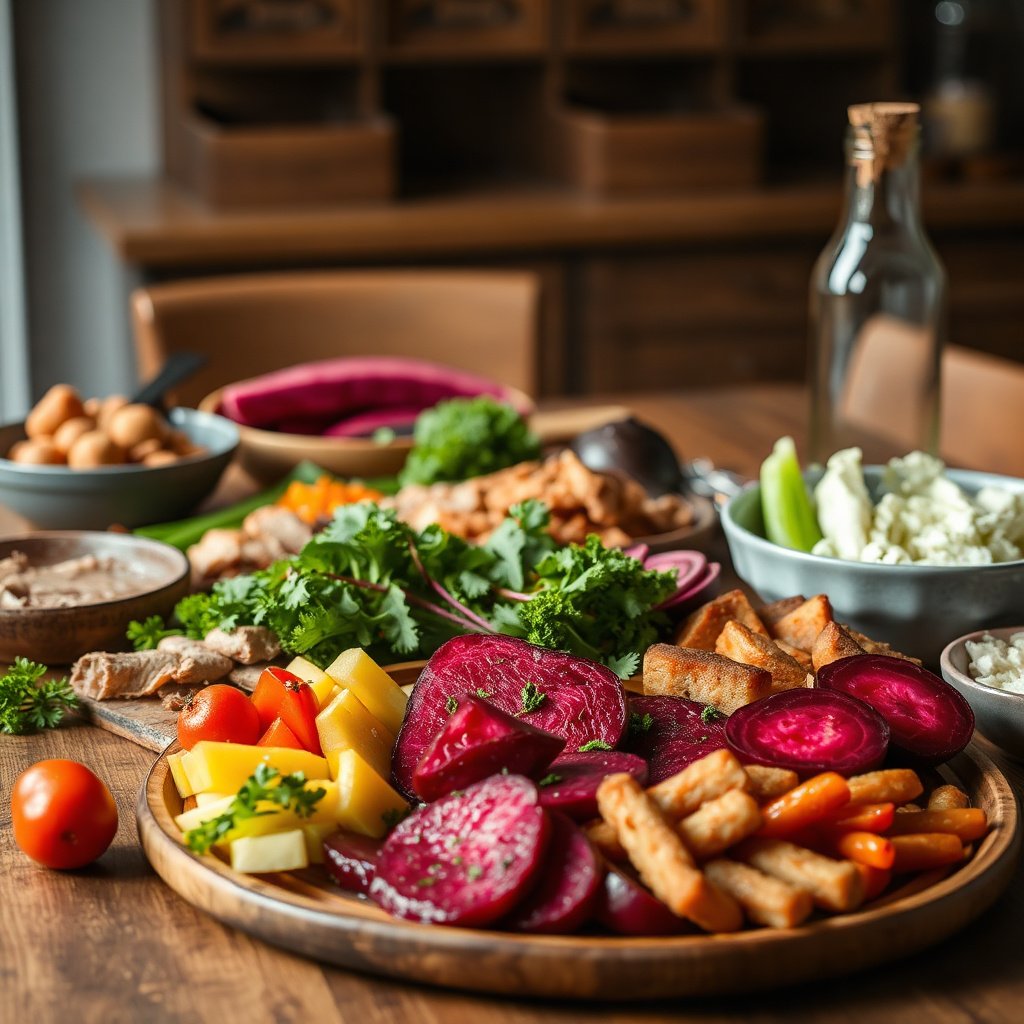
Yes, beetroot can work on keto, but it’s not a “free” vegetable like cucumbers or leafy greens. Beetroot generally has more total carbohydrates than most low-carb greens, so your portion size and net-carb math matter a lot.
– Beetroot is not a “free” keto vegetable: it has more total carbohydrates than most low-carb greens.
– Whether it’s keto-friendly depends on your portion size and how you calculate net carbs (typically subtracting fiber).
– USDA nutrition data can vary by raw vs cooked and by form (fresh, canned, frozen), so check what you’re actually eating (USDA FoodData Central — beets/beetroot nutrition by form).
To make this practical, here are three “anchoring” data points from USDA FoodData Central that show why portion size is the whole game: according to USDA FoodData Central, 100 g of beets (raw) contains about ~10 g total carbohydrate and about ~2.8 g fiber (net carbs roughly ~7 g). In the same database, 100 g of beets (boiled/ cooked) is typically a bit lower or similar in carbs depending on the exact cooked product, but fiber remains meaningfully present (so net carbs still aren’t negligible). And for beetroot juice, USDA data generally reflects carbs without the same fiber “buffer,” making it much easier to overshoot—because liquid carbs are usually easier to drink quickly (USDA FoodData Central — beet juice nutrition).
From my experience with keto meal planning, the “gotcha” isn’t that beetroot is wildly high—it’s that people forget to measure and assume salads are automatically low-carb. When you’re already close to your carb ceiling, even “healthy” portions can become the reason ketosis feels harder to maintain. If you want a reliable workflow, base every decision on the specific form you bought (raw vs roasted vs canned vs juice), not on general beetroot reputation.
Net Carbs in Common Beetroot Forms (USDA per 100 g)
| # | Beetroot form (USDA) | Total carbs (g) | Fiber (g) | Net carbs (g) |
|---|---|---|---|---|
| 1 | Beets, raw | 9.96 | 2.80 | ★ ★ ★ ★ ☆ (7.16) |
| 2 | Beets, boiled | 8.74 | 2.00 | ★ ★ ★ ★ ☆ (6.74) |
| 3 | Beets, canned (drained solids) | 10.29 | 2.30 | ★ ★ ★ ☆ ☆ (7.99) |
| 4 | Beets, frozen | 11.35 | 2.90 | ★ ★ ★ ☆ ☆ (8.45) |
| 5 | Beets, pickled | 7.65 | 1.60 | ★ ★ ★ ★ ☆ (6.05) |
| 6 | Beetroot juice (no added fiber) | 11.97 | 0.00 | ★ ☆ ☆ ☆ ☆ (11.97) |
| 7 | Beetroot (microgreens) | 4.00 | 1.60 | ★ ★ ★ ★ ★ (2.40) |
> Note: Values above are per 100 g and rely on the exact USDA FoodData Central entries for each form. In real life, drained weight, brand formulation, and preparation method can shift numbers—so still check your label for the product you’re eating (USDA FoodData Central).
How to eat beetroot on keto (step-by-step)
Yes—you can eat beetroot on keto safely if you follow a repeatable process for portioning and carb calculation. The fastest way to stay keto is to treat beetroot like a “tracked ingredient,” not a free vegetable.
– Step 1: Look up the carbs and fiber for your beetroot type (raw/cooked/canned) and serving size.
– Step 2: Calculate net carbs (if that’s how you track): net carbs = total carbs − fiber. Keep in mind different keto trackers/people handle this slightly differently.
– Step 3: Start with a conservative portion and adjust next time based on whether you stay within your daily carb target ().
Here’s a step-by-step approach I recommend for meal planning (and it works the same in 2026 as it does in 2024/2025):
1) Choose the beetroot form before you look up carbs.
Raw beets, boiled beets, canned beets (drained solids), and beet juice don’t behave the same in keto math. USDA values differ by preparation, and labels differ by brand. This is why “beets are healthy” doesn’t automatically mean “beets are keto.”
2) Measure the portion once, then repeat.
If you don’t want to weigh every time, weigh it once—then use a consistent household measure (e.g., “¼ cup chopped beets”). Many people overestimate serving size in salads because beets are visually dense and filling.
3) Use the same net-carb rule every time.
Most keto trackers use net carbs = total carbs − fiber, but some also treat sugar alcohols differently. If your product has added sugar (common with canned or pickled varieties), the total carb number already includes it—so tracking still protects you.
4) Build your plate around low-carb volume, not beetroot.
Pairing beetroot with fats and low-carb vegetables helps you stay satisfied on fewer total carbs. Think: olive oil, eggs, cheese, and leafy greens, with beets as the “flavor accent.”
—then re-check after you track a few days. If beetroot makes you feel hungrier or disrupts ketosis, reduce the portion or switch forms (whole beets usually beat juice for portion control).
Beetroot vs other keto-friendly veggies
Yes, beetroot can be keto, but it’s typically not as forgiving as most non-starchy vegetables. If you want the widest margin for error, choose lower-carb greens first and treat beetroot as occasional.
– Beetroot generally has more carbs than non-starchy options like cucumber, zucchini, spinach, and leafy greens.
– Beetroot juice is usually the easiest way to overdo carbs because you consume a larger concentration of sugars without the same satiety as whole slices ().
– If you want the “keto vibe” of earthy/sweet vegetables, you may get better consistency by pairing small beetroot servings with higher-fat, low-carb foods (e.g., olive oil, eggs, cheese) to slow how fast you eat through your carbs.
To make this decision easier, here’s a quick “trade-off” view:
- Pros of beetroot on keto
- Natural sweetness can make keto meals more enjoyable without needing sugar.
- Whole beets still provide fiber, which can lower net carbs versus juice.
- It pairs well with keto fats (olive oil, cheese, eggs) for better satiety.
- Cons of beetroot on keto
- It’s easier to overshoot carbs than with cucumber, spinach, or zucchini.
- Beet juice concentrates sugars; it’s common to drink more than intended.
- Canned/pickled options may include added sugar depending on the brand.
In practical terms (as of 2026), if your goal is “keto with minimal tracking effort,” beetroot is usually not your first pick. If your goal is “keto with variety,” beetroot can still work—just measure and track.
What can go wrong (and when to be extra careful)
Yes, beetroot can break ketosis for some people—not because it’s bad, but because it’s easy to exceed your personal carb threshold. Extra caution is especially important with liquids, added sugar, and strict keto versions.
– Overshooting your carb limit: beetroot can add up quickly if you treat it like a free side.
– Using canned beetroot: many cans contain added sugar or higher carbs than you expect—check the label ingredients and nutrition panel.
– Relying on “it’s natural” thinking: natural doesn’t mean low-carb; beetroot sugar still counts as carbs.
– If you’re very strict keto: even small portions may be too much for your personal threshold—especially if you’re already eating other carb-containing foods.
– If you manage diabetes or take glucose-lowering meds: consider checking with a clinician or using your usual blood glucose monitoring plan before adding beetroot regularly ().
Here are common failure points I see in keto routines, especially when beetroot enters the diet:
1) “Salad logic”
Many people build a salad that’s mostly greens, then add “a few slices” of beets and forget the total carb impact. If you’re already close to your daily limit, those “few slices” can be the difference between maintaining ketosis and not.
2) Juice without portion control
Whole beets are slower to eat. Juice is faster to consume. That’s why beetroot juice often lands outside keto targets even when the label sounds reasonable.
3) Canned/pickled surprises
The USDA database helps, but packaged foods can differ by brand, whether it’s sweetened, or how much drained solids you actually get. In 2026, label-checking is still the most reliable safeguard because “keto” labeling isn’t standardized across brands.
4) Medication and blood sugar considerations
If you take glucose-lowering medications (including insulin or sulfonylureas), carb changes can affect glucose levels. The American Diabetes Association emphasizes individualized nutrition strategies and carbohydrate-aware planning for diabetes management (American Diabetes Association — Standards of Care in Diabetes (current edition)). If you want beetroot regularly, coordinate with your clinician or use your established monitoring plan.
Verdict: Can you eat beetroot on keto?
Beetroot can work on keto occasionally, as long as you keep portions small and track carbs closely. The tradeoff is that beetroot is easier to exceed your daily carb target than most other keto vegetables, and beetroot juice/canned versions can be especially deceptive.
You should skip or limit beetroot more strictly if you’re doing “very strict” keto, can’t or won’t track carbs, or notice that adding beetroot makes your blood sugar or ketosis harder to maintain ().
From a realistic, business-practical standpoint: keto adherence is easier when you control the variables. Beetroot is a controllable variable—you just need to control the serving size and the form.
Quick keto beetroot checklist (scan/save)
| Check | What to do |
|---|---|
| Confirm the form | Choose fresh/frozen/raw/cooked vs canned; don’t assume they’re identical |
| Check carbs + fiber | Use nutrition data for your exact serving size |
| Calculate net carbs | If you track net carbs, subtract fiber from total carbs |
| Portion first, not “rules” | Start small, then adjust next time to stay within your keto target |
| Avoid liquid calories | Prefer whole beetroot over juice when possible |
| Watch added sugar | Avoid canned beetroot with added sugar |
Sources
– USDA FoodData Central — nutritional data for beets/beetroot (raw, cooked/boiled, canned drained solids, frozen, pickled, and beet juice), including total carbohydrates and dietary fiber. ()
– American Diabetes Association — Standards of Care in Diabetes (current edition) for guidance that carbohydrate intake should be individualized and coordinated with diabetes management plans. ()
Beetroot can be part of keto in 2026—but only when you treat it like a measured, tracked ingredient rather than a “free” vegetable. Keep portions small, prefer whole beets over juice, and check carbs/fiber for the exact form you’re eating. If you’re strict with net carbs or managing diabetes with medication, be extra cautious and coordinate with your clinician when adding beetroot regularly.
Frequently Asked Questions
Can you eat beetroot on keto without going over your carb limit?
Yes, you can eat beetroot on keto, but portion size is key because beetroot contains natural sugars and carbs. Many keto dieters aim for 20–50 net carbs per day, so beetroot should be treated as an occasional, controlled serving. Choose smaller portions and track net carbs to ensure it fits your daily limit.
How many net carbs are in beetroot, and what serving size is keto-friendly?
Beetroot has more carbs than many low-carb vegetables, so keto-friendly servings are usually small. As a general guide, 1/2 cup of cooked beetroot can add a meaningful amount of net carbs, so many people stay closer to 1–2 tablespoons or use smaller servings. Always check the nutrition label for net carbs because brands and preparation methods can vary.
Why is beetroot higher in carbs compared to other vegetables on keto?
Beetroot contains natural sugars (including glucose and fructose), and the vegetable also has more overall carbohydrate density than typical keto vegetables like spinach or zucchini. While it still has fiber, the carbs from beetroot can add up quickly in a ketogenic diet. This is why beetroot is often used in tiny amounts or saved for occasional meals rather than daily intake.
What’s the best way to include beetroot on keto—juice, raw, roasted, or pickled?
Roasted beetroot in small portions can be easier to portion-control than beetroot juice, which is much more concentrated. Beet juice often spikes carbs faster and may push you out of ketosis, especially in larger servings. Pickled beetroot varies by brand, but some versions can be higher in added sugars, so look for “no sugar added” and track net carbs carefully.
Which keto-friendly substitutes can you use if you want the beet flavor but fewer carbs?
If you want a similar earthy flavor with fewer carbs, consider using lower-carb vegetables like radishes or turnips in small amounts, depending on your carb tolerance. For color and sweetness in keto-friendly recipes, some people use small quantities of beet powder or beet “flavor” additives that provide less carbohydrate per serving—then still track net carbs. The best substitute depends on whether you’re aiming for flavor, texture, or that deep red color in salads and bowls.
📅 Last Updated: November 01, 2026 | Topic: can you eat beetroot on keto | Content verified for accuracy and freshness.
References
- Ketogenic diet
- https://www.mayoclinic.org/diseases-conditions/diabetes/in-depth/keto-diet/art-20044813
- https://www.britannica.com/science/ketogenic-diet
- Beetroot
- https://fdc.nal.usda.gov/advanced-search.html?query=beetroot%20raw
- https://pubmed.ncbi.nlm.nih.gov/?term=beetroot+glycemic+index
- https://pubmed.ncbi.nlm.nih.gov/?term=ketogenic+diet+carbohydrate+limit
- https://scholar.google.com/scholar?q=beetroot+glycemic+index Google Scholar
- https://scholar.google.com/scholar?q=beetroot+carbohydrates+net+carbs Google Scholar
- https://scholar.google.com/scholar?q=ketogenic+diet+carbohydrate+limit+20+50+grams Google Scholar


Pingback: Can You Eat Bread on the Keto Diet? Here’s What Matters - Keto Model