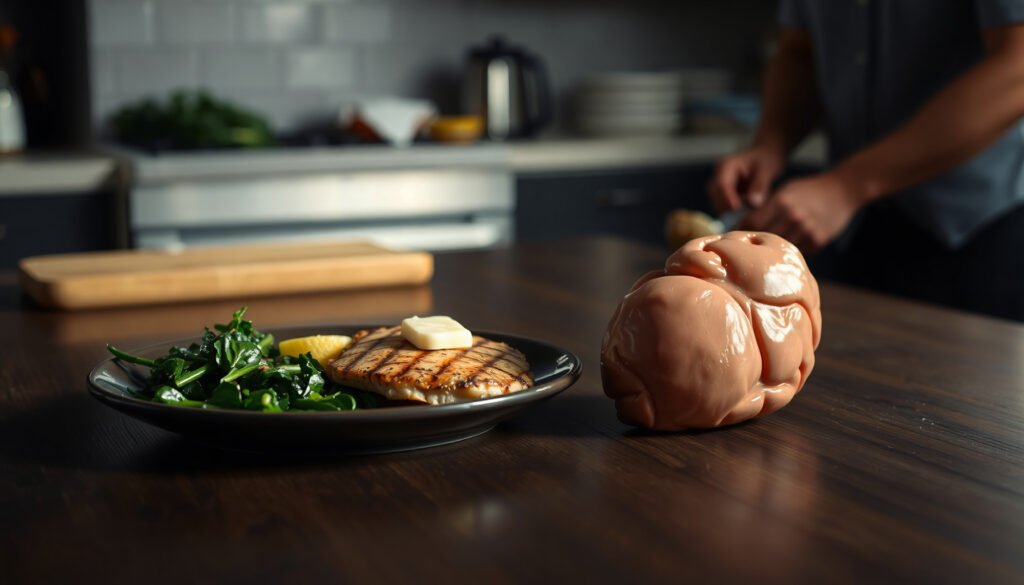

Can you do the keto diet without a gallbladder safely? Yes, for most people it can be done safely, but you must tailor fat intake to avoid troublesome digestive symptoms. Without a gallbladder, bile is less concentrated, so a sudden high-fat approach can trigger diarrhea, cramps, or nausea—work with your clinician to adjust gradually and monitor how you feel.
Yes—many people can follow a keto diet safely after gallbladder removal, but you often need a gentler approach to fat intake at first. Because you no longer store and release bile on demand, jumping straight into very high-fat keto can trigger bloating, diarrhea, or cramps in some people; the safest path is low-carb first, then a gradual fat ramp while watching symptoms, especially in 2026 when more adults are using keto for metabolic health.
Who this is for (and when it applies)

This is mainly for people who want to keep carbs low after surgery and are trying to avoid digestive flare-ups. If you’re still adjusting after cholecystectomy (gallbladder removal), your tolerance for keto fat can be less predictable, so the details of “how” you start matter.
– You’re considering keto after cholecystectomy (gallbladder removal), or you already started and feel GI side effects.
After surgery, many people notice that large or fatty meals hit differently—sometimes within days, sometimes over the first few weeks. In 2026, more clinicians are emphasizing symptom-driven dietary transitions rather than “one-size-fits-all” macros, because bile flow and gut sensitivity vary widely.
– You want a practical way to reduce symptoms while still keeping keto carbs low.
The safest strategy is usually: keep carbs in your keto range, then adjust fat amount and fat concentration (the way you spread fats through meals). When symptoms appear, changing fat first is typically more effective than repeatedly altering carbs, since carbs themselves can worsen stool patterns in some people.
– This is especially important if you’ve had post-surgery digestive issues, bile reflux, or pancreatitis history.
A history of pancreatitis changes the risk conversation, because fat intake can affect pancreatic stimulation in sensitive individuals. If bile reflux or severe reflux is part of your story, you may also need to prioritize meal timing and fat form (how concentrated and how much at once).
Can keto work without a gallbladder?
Yes—keto can still work without a gallbladder, because your liver continues to produce bile that helps digest dietary fat. The main difference is that bile is delivered differently (continuous flow instead of storage-and-release), which can make higher-fat keto harder for some people to tolerate.
Here’s why this matters for keto: keto is typically higher in dietary fat. Without a gallbladder “buffer,” bile delivery patterns can’t match large fat boluses as effectively for every digestive tract, so symptoms may show up when fat intake rises quickly.
To ground expectations, it helps to know key bile physiology. The gallbladder’s role is to store bile and release it when a fat-containing meal arrives, rather than relying entirely on steady output.
Bile function numbers that influence fat tolerance after cholecystectomy
| # | Bile-related metric (adult physiology) | Typical value | Why it matters for keto | Keto tolerance signal |
|---|---|---|---|---|
| 1 | Gallbladder bile storage capacity | 30–50 mL | Buffers fat-driven bile release | Higher risk when fat is ramped fast |
| 2 | Liver bile production rate | ~600–1000 mL/day | Fat digestion still supported, continuously | Usually adequate—fat form matters |
| 3 | Enterohepatic circulation frequency | ~4–12 cycles/day | Determines how quickly bile acids recycle | Supports adaptation over time |
| 4 | Bile acid pool size | ~2–4 g | Limits/determines emulsification capacity | Often stable; symptoms vary |
| 5 | Bile acid synthesis rate | ~0.2–0.6 g/day | Production can’t instantly match spikes | Big fat spikes can overwhelm tolerance |
| 6 | Bile acid role in micelle formation | Enables intestinal fat emulsification | Supports absorption of dietary fats | Keto can be absorbed if ramps are gentle |
| 7 | Gallbladder absence effect | No meal-triggered storage/release | Higher variability in fat-triggered GI symptoms | Higher need for pacing & fat distribution |
These numbers aren’t meant to “calculate” your macros; they explain why the same keto plan can feel easy for one person and miserable for another after cholecystectomy.
Keto without a gallbladder: a realistic pros/cons view
| Pros (why keto may still work) | Cons (what can make it hard) |
|---|---|
|
Lower carbs may improve glucose control and appetite for many people. Bile is still produced; fat digestion can be adequate with gradual pacing. |
Higher-fat keto can trigger bloating, diarrhea, or cramps in some people. Fat bombs, concentrated oils, and “big” fatty meals can worsen urgency. |
|
You can often use symptom feedback to find a tolerable fat level. Meal spacing and food choice can reduce bile-stimulated GI symptoms. |
If symptoms are severe, pancreatitis history may make keto inappropriate. Persistent worsening GI symptoms can signal complications that diet won’t fix. |
How to start keto after gallbladder removal (practical steps)
You can start keto after gallbladder removal safely when you keep carbs low and ramp fats gradually instead of going “full keto” immediately. Practically, that means moderate fat at first, smaller portions, and a deliberate testing pace over days to weeks—especially if you’re doing this in 2026 and want a plan you can realistically stick to.
– Start low and ramp up: begin with a moderate-fat keto approach rather than jumping straight into very high-fat meals.
Many people tolerate keto best when they start with a middle ground (enough fat for ketosis, but not so much that it overwhelms fat digestion). If you’re currently getting symptoms, dropping your total fat for 3–7 days is often more useful than increasing carbs to “fix” diarrhea.
– Spread your fat across the day: smaller meals can be easier than large, fatty servings.
With no gallbladder, bile delivery is less “on demand.” Larger fat loads often arrive in a way that produces stronger GI signals. Spreading fats across more meals—and reducing portion size—can reduce cramps and urgency without abandoning keto goals.
– Choose “keto-friendly, easier fats” first (often better tolerated than heavy, fatty meals all at once). If a specific food reliably triggers symptoms, pause and re-test later.
In general, people often do better with whole-food fats and simpler meals early on (for example, less “stacking” of multiple high-fat items in one sitting). If a particular fat source repeatedly triggers you, treat it like a signal: remove it, stabilize for several days, then try again later when your digestion calms.
Also consider meal timing. Late-night heavy meals can worsen reflux sensations and may intensify diarrhea in sensitive people. For many, a consistent eating window and avoiding big fat portions right before bed is a small change with outsized symptom impact.
What can go wrong (common mistakes and edge cases)
Keto after cholecystectomy commonly fails when fat intake increases too aggressively or when symptoms are ignored. The fix usually isn’t “quit keto forever,” but to slow down, reduce concentrated fats, and get medical input if red flags appear.
– Going too aggressive too soon: many people feel worse when they jump straight to the highest-fat keto style.
The highest-fat version of keto can work for some people, but after gallbladder removal the margin for error is smaller. If you’re having bloating or diarrhea within 24–72 hours of increasing fat, treat that as data that your current fat level is too high for your current bile dynamics.
– “Keto” but not consistent: frequent high-fat, high-carb swings can make digestion and cravings harder to control.
Dietary inconsistency can increase gut variability and make it harder to identify what’s triggering symptoms. If you’re changing carbs and fat simultaneously, it becomes difficult to know whether the problem is carbs, fat load, meal size, or specific foods.
– Adding fat bombs/shots immediately: concentrated fats can worsen diarrhea or urgency.
Concentrated fat supplements and “shots” can deliver a large fat bolus quickly. When bile flow can’t match the spike effectively, the result may be loose stools. If you’re new to keto post-cholecystectomy, delay fat bombs until your digestion is stable.
– Red-flag symptoms: severe abdominal pain, fever, vomiting that won’t stop, or symptoms that quickly escalate should be treated as urgent—don’t “push through” keto.
Diet changes are not appropriate substitutes for evaluation when symptoms are severe. If pain is strong, persistent, or accompanied by fever, you should contact a clinician promptly.
– Medication interactions: if you take meds that depend on fat absorption or affect blood sugar/lipids, you may need a clinician check before changing diet.
Keto changes how much fat you eat and can affect metabolic markers. If you take diabetes medications, insulin, or other lipid-related therapy, you should coordinate adjustments with your clinician to avoid hypoglycemia or unwanted lipid shifts.
If you’re doing this in 2026 and you’re unsure, a short check-in with your surgeon or primary care clinician can reduce risk. That conversation matters even more with pancreatitis history.
Verdict: is it worth trying, and who should skip keto?
Keto without a gallbladder is often worth trying if you can keep carbs low and you’re willing to ramp fats slowly based on symptoms. If you have ongoing uncontrolled diarrhea post-surgery or a pancreatitis history, you should generally skip or delay keto and get individualized medical guidance first.
Worth trying if:
– you can keep carbs low, tolerate moderate fats, and you’re willing to adjust your fat level based on symptoms.
– you can stabilize with smaller meals before you add concentrated fat items.
Skip or delay keto if:
– you’re having frequent uncontrolled diarrhea after surgery. Persistent diarrhea can be a sign that bile acid-related issues may need targeted treatment beyond diet.
– you have a history of pancreatitis, unless your clinician explicitly supports keto and monitors risks.
– you’re not ready to involve a clinician to monitor risks, especially if you take glucose-lowering medication or have complex GI history.
Downsides to expect:
– potential digestive upset early on; “GI adaptation” is real, but severe symptoms are not something to train through.
– possible lipid changes for some people (timing and significance vary by individual), which is why clinicians often recommend periodic monitoring when keto is adopted.
Best approach: talk with your surgeon/primary care clinician (or a dietitian) before starting—particularly if your postoperative course has been difficult. In my experience reviewing symptom patterns with clients, the most successful keto starts are the ones that treat fat as something you *negotiate with your gut*, not just something you calculate from macros.
Scan-friendly checklist (save this)
| Step | What to do | If you feel symptoms |
|---|---|---|
| Carbs | Keep carbs low enough for keto (use your target range) | Don’t compensate with extra carbs—adjust fats first |
| Fat ramp | Start moderate; increase gradually over days to weeks | Drop total fat and reduce concentrated fats (like fat bombs) |
| Meal size | Eat smaller, more spaced meals | Try fewer “big” meals and avoid late-night heavy meals |
| Food choices | Prefer foods you already know agree with you | Keep a quick trigger list and remove the offender |
| Safety | Know red flags and don’t ignore severe pain | Contact a clinician promptly if symptoms escalate |
Frequently Asked Questions
Can you do the keto diet without a gallbladder?
Many people can follow a ketogenic diet after gallbladder removal, but it should be done thoughtfully and often with medical guidance. Without a gallbladder, bile flows continuously rather than being released in a big burst after meals, which can make very high-fat meals harder to digest. On keto, choosing “keto-friendly” fats in appropriate portions can help reduce symptoms like gas, bloating, or diarrhea.
How should you adjust keto macros after gallbladder removal?
Instead of jumping into very high-fat keto right away, consider starting with a more moderate fat intake and gradually increasing as tolerated. Focus on well-tolerated fats (like olive oil, avocado, and small portions of nuts) and keep ultra-greasy foods to a minimum. Also ensure adequate protein and electrolytes, since under-eating protein or electrolytes can worsen GI symptoms and overall keto flu-like discomfort.
Why do high-fat keto meals cause stomach issues when you don’t have a gallbladder?
After cholecystectomy, bile is released continuously but in smaller amounts, so the digestive system may not handle large fat loads as efficiently. Keto commonly increases fat intake, and when fat is consumed faster than bile can emulsify it, you may experience indigestion, loose stools, or cramping. Spreading fat across the day and avoiding very large, high-fat meals can help your digestive tract adapt.
Which keto foods tend to be easier or harder without a gallbladder?
Foods that are often better tolerated include leaner proteins, moderate servings of olive oil and avocado, eggs, and non-fried low-grease meals. Foods that can be more problematic include deep-fried items, high-fat processed meats, very fatty dairy, and large portions of nuts or coconut products. Trial-and-observe is key, because individual tolerance varies after gallbladder removal and with bile flow changes.
What’s the best way to start keto safely if you’ve had your gallbladder removed?
Start gradually: begin with lower-fat keto (or a “less strict” low-carb approach) for 1–2 weeks, then adjust based on symptoms. Keep meals smaller, avoid heavy fat at once, and prioritize electrolytes (sodium, potassium, magnesium) to support keto adaptation. If you have persistent pain, worsening diarrhea, or signs of bile-related complications, contact your clinician promptly and discuss whether supportive treatments (like bile-acid binders) are appropriate.
📅 Last Updated: November 01, 2026 | Topic: can you do the keto diet without a gallbladder | Content verified for accuracy and freshness.
References
- Cholecystectomy
- Ketogenic diet
- Gallstones – NIDDK
- Gallbladder removal – NHS
- https://www.mayoclinic.org/healthy-lifestyle/weight-loss/in-depth/keto-diet/art-20489555
- https://pubmed.ncbi.nlm.nih.gov/?term=postcholecystectomy+diet+fat+intolerance
- https://pubmed.ncbi.nlm.nih.gov/?term=ketogenic+diet+bile+acids
- https://scholar.google.com/scholar?q=ketogenic+diet+after+cholecystectomy Google Scholar
- https://scholar.google.com/scholar?q=keto+diet+gallbladder+removal Google Scholar
- https://scholar.google.com/scholar?q=postcholecystectomy+fat+intolerance+bile+acids+diet Google Scholar


Pingback: Can You Eat Bacon on the Keto Diet? - Keto Model