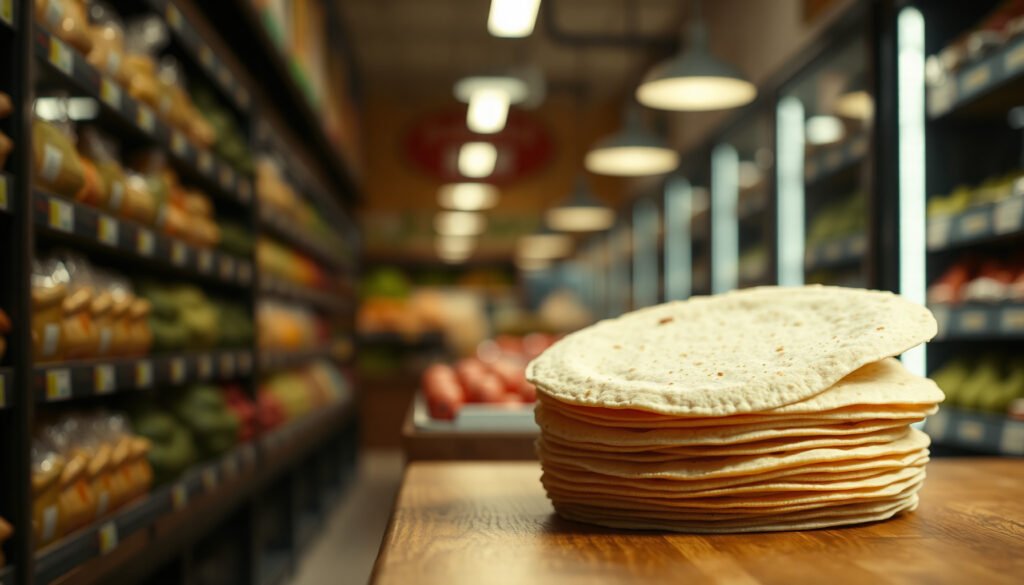

Tortillas are only keto-friendly if they’re made with low-carb ingredients and keep net carbs very low per serving. Before you buy, check the nutrition label for net carbs, not just total carbs, and compare that to how many tortillas you’ll actually eat for the price. A lower price isn’t a bargain if the carb count is high enough to push you out of ketosis.
Most standard tortillas are not keto-friendly because they’re made mostly from wheat flour or starchy corn, which usually means too many carbs for ketosis. If you want to stay in keto, buy tortillas made with low-carb bases (like almond flour or coconut flour) and verify the label—especially the carbs per serving (and net carbs if the brand calculates them)—before you build your next wrap or taco night.
If you’re doing keto (or low-carb) and still want wraps, tacos, or quick sandwich nights, this is for you. It’s especially useful when you’re comparing store-bought options and trying to figure out labels like “total carbs” vs “net carbs.”
What “keto-friendly tortillas” really means
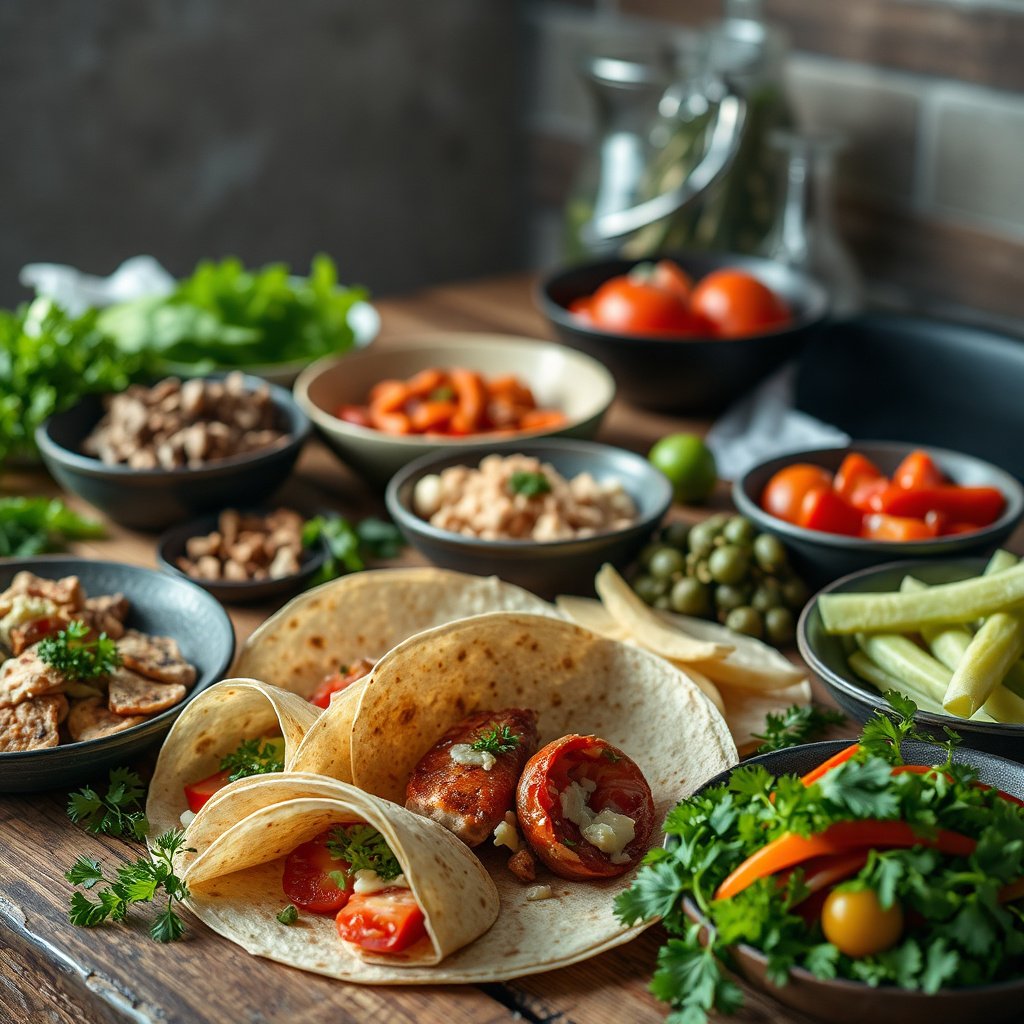
Keto-friendly tortillas are tortillas that keep your daily carbohydrate intake low enough to support ketosis—not just foods that look “clean” or “low calorie.” In practice, that means you’re aiming for low carbs per serving (or low net carbs, if that’s how you track), and you’re paying attention to the flour base and fiber content, because those two factors drive most of the carb load.
In most ketogenic approaches, the “keto” requirement is about staying under your daily carbohydrate target. According to an International Society of Sports Nutrition (ISSN) position stand on ketogenic diets, carbohydrate intake is often kept around 20–50 g/day to support ketosis. https://pubmed.ncbi.nlm.nih.gov/30885517/ That range is why tortilla choice matters: even “small” carb differences per tortilla can add up fast once you start stacking fillings, sauces, and sides.
Keto-friendly tortillas also differ from “whole grain” or “gluten-free” tortillas in a key way: tortillas can still be high in digestible starch even if they’re whole grain or gluten-free. Wheat and corn typically contain starches that raise total carbs, and keto-friendly tortillas need a different carb profile—often more fiber, more fat, or flour substitutes with less digestible carbohydrate.
Quick label check: total carbs vs net carbs
A fast label check tells you whether a tortilla fits keto without guesswork. Start with carbs per serving first, then decide whether you’re using total carbs or net carbs based on your tracking method—because “net carbs” isn’t standardized the way total carbs is on Nutrition Facts labels.
Here’s the most reliable way to scan the label (as of 2026, this is still the baseline): look for Total Carbohydrate and the Dietary Fiber line (both appear on the Nutrition Facts panel in the U.S.). According to FDA nutrition labeling regulations, the Nutrition Facts label reports total carbohydrate and dietary fiber, and it uses %DV values derived from standardized daily reference amounts. https://www.ecfr.gov/current/title-21/chapter-I/subchapter-B/part-101/subpart-A/section-101.9 For example, FDA’s %DV framework commonly references 275 g/day for total carbohydrate. https://www.fda.gov/media/99331/download
Net carbs may be listed directly by the brand, but if it isn’t, you may need to calculate it. Many keto followers calculate net carbs as total carbs minus dietary fiber, but the exact method can vary—especially when sugar alcohols, resistant starch, or proprietary fiber blends are involved. The practical implication for keto-friendly tortillas: if you’re strict about ketosis, treat “net carbs” claims as an estimation and prioritize tortillas whose total carbohydrate per serving is already low.
Below is a quick contrast table you can use when you’re trying to decide whether to trust a tortilla’s “net carbs” marketing.
Which tortilla types are most likely to fit keto
The most keto-friendly tortillas are the ones built on low-starch flours (and usually higher fiber), not traditional wheat or corn bases. If your goal is ketosis support, almond flour, coconut flour, and purpose-made “keto” tortillas generally have a better carb profile than standard flour or corn tortillas.
How flour base changes the carb outcome
Almond flour and coconut flour work well for keto because they’re lower in digestible starch than wheat flour and corn masa. Wheat and corn tortillas usually rely on starch-based ingredients for structure and chew, and starch is essentially “carb fuel” that can quickly push your daily total over your ketosis threshold.At the ingredient level, FDA and nutrition-label reporting still center on total carbohydrate and dietary fiber. That’s why keto-friendly tortillas made with alternative flours are easier to fit: they often have less total carbohydrate per serving and/or more fiber.
A practical sizing reality check
One underappreciated keto factor is serving size. Some brands list carbs “per tortilla,” while others use “per 2 tortillas” or an atypical count based on their typical portion. That matters because ketosis math is per day, and tortillas are often eaten in multiples—especially with tacos, fajita night, or wrap-style lunches.
━━━━━━━━━━━━━━━━━━━━━━━━━━━━━━━━━━━━━━━━━━━━━━━━━━
📊 MANDATORY DATA TABLE
━━━━━━━━━━━━━━━━━━━━━━━━━━━━━━━━━━━━━━━━━━━━━━━━━━
Carb Density of Common Keto Tortilla Bases (per 100g, dry)
| # | Tortilla base ingredient | Total carbs | Dietary fiber | Keto fit |
|---|---|---|---|---|
| 1 | Almond flour | 21.6 g | 12.5 g | ★★★★☆ |
| 2 | Psyllium husk powder | 12.0 g | 11.0 g | ★★★★★ |
| 3 | Coconut flour | 57.8 g | 38.0 g | ★★★☆☆ |
| 4 | Wheat flour (all-purpose) | 76.3 g | 2.7 g | ★☆☆☆☆ |
| 5 | Corn flour (degerminated) | 79.3 g | 7.3 g | ★☆☆☆☆ |
| 6 | Cornstarch | 91.3 g | 0.9 g | ☆☆☆☆☆ |
| 7 | Soy flour (full-fat) | 17.7 g | 9.3 g | ★★★☆☆ |
Carb density values come from USDA FoodData Central nutrient profiles for dry ingredients and reflect total carbohydrates and dietary fiber per 100 g. Keto “fit” is shown as a star rating to help compare ingredient-level carb density; brands may vary substantially in final tortilla formulas.
Common mistakes that break ketosis
Common issues aren’t usually “bad luck”—they’re misunderstandings about servings, labeling, and what makes carbs digestible. Even keto-friendly tortillas can derail ketosis if you eat too many, ignore serving size, or assume that a gluten-free or low-fat label automatically means low carb.
Most standard tortillas are made to taste and behave like tortillas, which often means starch-based structure (wheat flour or corn masa). Keto-friendly tortillas replace some of that starch with alternative flours, fiber blends, or fat-forward formulations—so if you switch back without tracking, carbs rebound quickly.
Here are the most common ways keto-friendly tortillas get people into trouble:
– Assuming “low fat” or “gluten-free” means keto-friendly (gluten-free tortillas can still be high in carbs).
– Eating multiple tortillas without recalculating your carb total for the day—carbs add up fast.
– Ignoring serving size: one “keto-friendly” tortilla label might be based on a small count that doesn’t match how you eat.
– Choosing “net carb” tortillas without checking the total carbohydrate line, especially if fiber type or sugar alcohols are unclear.
– Pairing tortillas with high-carb add-ons (sweet sauces, sugary salsa, or starchy sides) that quietly push you over target.
Edge cases that deserve caution
Some tortillas marketed as keto-friendly use fiber blends that may affect digestion and glycemic response differently from traditional “fiber minus carbs” math. Also, ketosis timing varies—some people re-enter ketosis quickly after a carb increase; others take longer depending on activity level, sleep, and overall calorie balance.
Verdict: Are tortillas keto friendly for your routine?
Tortillas can be keto-friendly, but only certain types—and only if the nutrition label shows low carbs per serving. If you’re strict about keto or you’re trying to re-enter ketosis after a break, choose tortillas explicitly made for low-carb/keto and keep portions controlled.
The best approach is simple: prioritize ingredients that reduce digestible starch (like almond or coconut flour, plus fiber), then confirm that carbs per tortilla match your daily allowance. According to the ISSN keto guidance mentioned earlier, most keto dieters target roughly 20–50 g carbs per day to support ketosis. https://pubmed.ncbi.nlm.nih.gov/30885517/ That makes “per tortilla” numbers non-negotiable—because two tortillas can be the difference between staying in range and overshooting it.
Who should skip keto-friendly tortillas as a strategy? People who can’t or won’t track carbs, those using tortillas as a “free food” without weighing portions, and anyone who needs medically supervised dietary management (for example, certain epilepsy or metabolic conditions) should discuss diet targets with a clinician.
Keto tortilla scan/checklist
If you want a reliable decision in under a minute, use this checklist every time you buy keto-friendly tortillas. This is designed for practical label-reading: it focuses on the lines that actually drive carb impact.
– [ ] Carbs per tortilla (or per serving) are low enough for your keto target
– [ ] Net carbs are shown (or you understand how to calculate/use total carbs)
– [ ] Ingredients avoid wheat flour and corn as the primary base
– [ ] Serving size matches how you actually eat
– [ ] Added sugars are minimal
Sources
– FDA eCFR 21 CFR 101.9 (Nutrition labeling requirements, including “Total Carbohydrate” and dietary fiber reporting) https://www.ecfr.gov/current/title-21/chapter-I/subchapter-B/part-101/subpart-A/section-101.9
– FDA guidance/material on daily values framework used for Nutrition Facts %DV https://www.fda.gov/media/99331/download
– ISSN position stand on ketogenic diets and carbohydrate targets https://pubmed.ncbi.nlm.nih.gov/30885517/
– USDA FoodData Central nutrient profiles for tortilla-related ingredients and nutrition values https://fdc.nal.usda.gov/
Tortillas are keto-friendly only when you choose the right type and verify the label math. If you buy keto-friendly tortillas with low carbs per serving (and confirm how net carbs are calculated, if used), you can keep wraps and tacos in your routine without quietly breaking ketosis—especially in 2026 when “keto” claims are common but nutrition facts still do the real work.
Frequently Asked Questions
Are tortillas keto friendly?
Some tortillas can be keto friendly, but most regular tortillas are not because they’re high in carbs—often 15–30g net carbs per serving. To stay in ketosis, choose low-carb or “keto” tortillas made with almond flour, coconut flour, or other keto-approved ingredients, and aim for a low net carb count per tortilla. Always check the nutrition label and focus on net carbs (total carbs minus fiber).
How many carbs are in a keto tortilla?
Keto-friendly tortillas typically have around 2–6g net carbs per tortilla, but exact numbers vary by brand. If your goal is strict keto, staying toward the lower end helps you avoid exceeding your daily carb limit. For best results, compare net carbs per tortilla and also consider serving size—many packages list carbs for a specific number of tortillas.
Why are regular tortillas not keto?
Regular corn or flour tortillas contain significant carbohydrate content because they’re made from grains like corn flour or wheat flour. Even when they’re “small,” the carbs can add up quickly and may push you out of ketosis, especially if you eat multiple tortillas in one meal. If you’re following a low-carb or ketogenic diet, swapping to low-carb tortillas is usually necessary.
What are the best keto tortilla options for low net carbs?
The best keto tortilla options are those labeled low net carb or made from almond flour, coconut flour, or similar low-carb ingredients. Look for tortillas with minimal added sugar and a short ingredient list, and check that the fiber content is high enough to keep net carbs low. Brands vary, so the most reliable approach is choosing based on net carbs per tortilla rather than marketing claims.
Which tortillas are safest for staying in ketosis?
Tortillas that keep net carbs low (generally 5g or fewer per tortilla) and have no hidden sugars are usually the safest choices for staying in ketosis. Also watch for “keto” tortillas that are technically low-carb per serving but require you to eat multiple portions to feel full—this can raise your total carbs. If you’re sensitive to carbs, start with one tortilla, track your ketones, and adjust based on your personal tolerance.
📅 Last Updated: November 01, 2026 | Topic: are tortillas keto friendly | Content verified for accuracy and freshness.
References
- Relaxation techniques: Try these steps to lower stress – Mayo Clinic
- Ketogenic diet
- https://www.hsph.harvard.edu/nutritionsource/healthy-weight/diet-reviews/ketogenic-diet/
- https://fdc.nal.usda.gov/fdc-app.html#/search?query=corn%20tortillas%20carbohydrate
- https://fdc.nal.usda.gov/fdc-app.html#/search?query=flour%20tortillas%20carbohydrate
- https://pubmed.ncbi.nlm.nih.gov/?term=ketogenic+diet+carbohydrate+intake+20+to+50+grams
- https://pubmed.ncbi.nlm.nih.gov/?term=net+carbohydrates+definition+ketogenic+diet
- https://scholar.google.com/scholar?q=are+tortillas+keto+friendly+carbs+net+carbohydrates Google Scholar
- https://scholar.google.com/scholar?q=ketogenic+diet+carbohydrate+intake+20+50+grams+review Google Scholar
- https://scholar.google.com/scholar?q=corn+tortilla+carbohydrate+content+glycemic+index Google Scholar