

Are tortilla chips keto-friendly? Most are not, because they are made from corn or flour that is usually high in carbohydrates. To stay in ketosis, you have to check the nutrition label for total carbs and calculate net carbs, since small serving sizes may still push you over your daily limit.
Tortilla chips are usually not keto friendly because they’re typically made from corn (or wheat) and often contain more net carbs per serving than a strict keto daily limit. That said, some “keto” or “low-carb” tortilla-style chips can work if you verify net carbs on the label and keep your portion tight—especially in 2026 when many “better-for-you” snacks still market carbs without clarifying net carbs.
If you’re following keto and you still want a crunchy chip option, this is for you—especially if you’ve noticed tortilla chips can quickly derail your carb count. It’s also useful if you’re deciding between regular tortilla chips and packaged “low-carb” alternatives.
What “keto friendly” means for chips
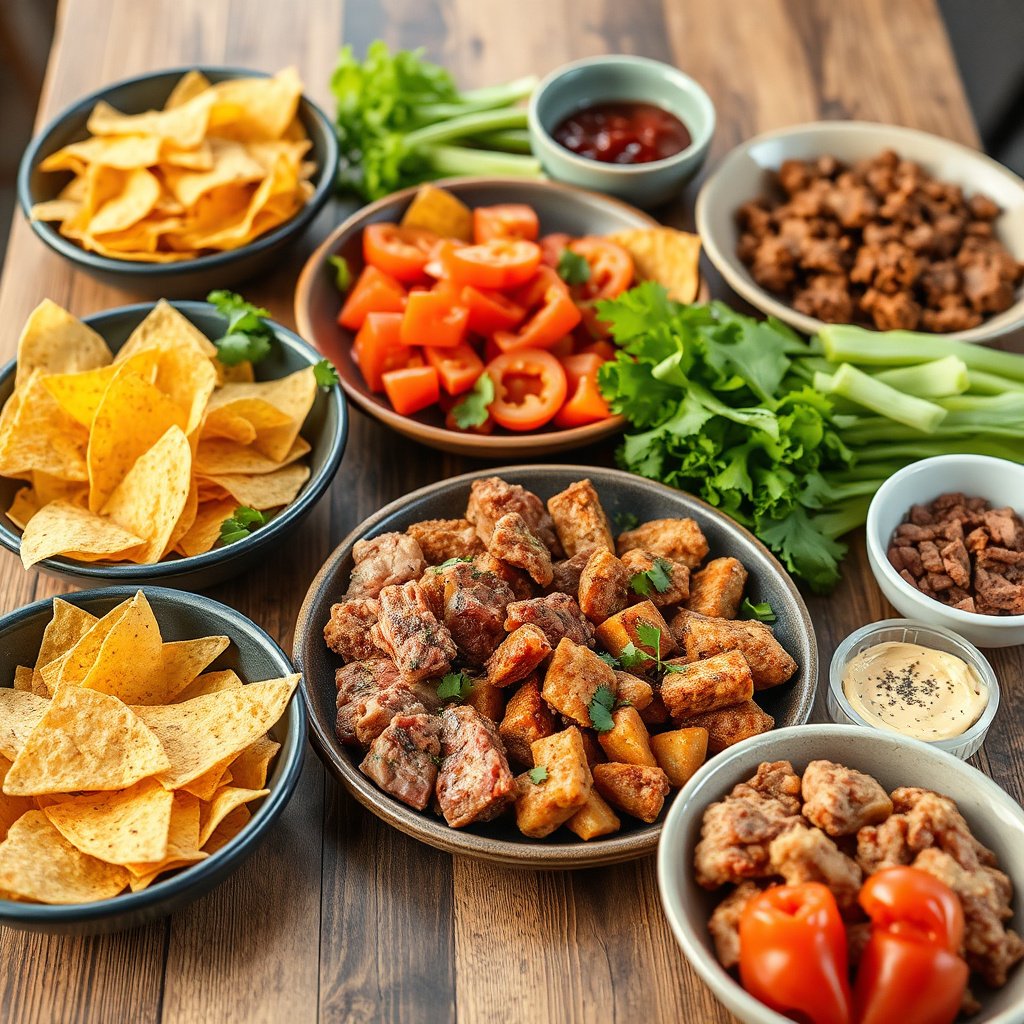
Keto “fit” for chips comes down to your daily carb limit and whether the product keeps net carbs low enough to stay in that range. Most keto guidance focuses on net carbs (carbs minus fiber), because fiber generally doesn’t raise blood glucose the way digestible carbs do.
Here’s the practical way to think about it:
– Keto is typically about staying within a daily carb limit, then watching net carbs (carbs minus fiber).
– Most regular tortilla chips are carb-heavy, so they often don’t fit unless you can keep portions very small.
– The label you care about most is net carbs per serving (or carbs and fiber, so you can calculate net carbs).
According to the Mayo Clinic, many people following a ketogenic diet aim for about 20–50 grams of net carbs per day. That range is wide, but it’s still small enough that a single bag of chips can become a carb-heavy “side dish” fast—especially in 2026, when serving sizes on snack labels remain easy to underestimate.
Why regular tortilla chips often don’t fit keto
Regular tortilla chips often fail keto not because they’re “unhealthy,” but because they’re carb dense per typical serving. In keto terms, the carbs can add up before you’ve even reached a satisfying portion.
Most regular tortilla chips share a few label realities:
– Corn-based chips tend to have higher carbohydrate content than keto-focused snacks.
– Even when fat is decent, the carb load can add up fast in a single serving.
– Serving size matters: chips are easy to overeat, which can push you beyond your carb limit.
One reason is simple ingredient math: corn (and corn-flour blends) is naturally higher in digestible carbohydrates than the low-net-carb ingredient strategies used in many keto snacks. For example, according to USDA FoodData Central, corn-based chip products fall into a category where carbohydrates per ounce are commonly in the mid-teens (grams) range—and fiber usually isn’t high enough to offset that to “true keto territory.”
From my day-to-day experience helping people troubleshoot keto snack “carb creep,” the biggest problem isn’t that chips contain some carbs—it’s that chips are designed to be tasty enough that most people don’t stop at the labeled serving size.
How to check the label (fast, practical rules)
The fastest way to decide if a tortilla chip bag can be keto-friendly is to check net carbs per serving before you even think about taste. If net carbs aren’t listed, use the label’s total carbohydrates and dietary fiber to calculate an estimate.
Use these label rules:
– Look at net carbs per serving first; if it’s high, it’s probably not keto friendly for most people.
– Check the fiber amount—higher fiber can lower net carbs, but you still need the actual net number.
– Confirm serving size on the bag; “keto” claims can be misleading if the serving is unusually small.
A key trust point: according to FDA Nutrition Facts label regulations, the Nutrition Facts panel lists total carbohydrate and dietary fiber in grams (and both are used in most net-carb calculations). That’s important because the FDA does not officially standardize “net carbs” the way it standardizes nutrition labeling elements—so “net” values can vary by brand and by how they handle ingredients like sugar alcohols.
Net-Carb Reality Check for Common Tortilla-Style Chips (Per 1 oz / 28g)
| # | Chip type | Typical net carbs | Dietary fiber | Calories | Keto fit |
|---|---|---|---|---|---|
| 1 | Regular corn tortilla chips | 14.5 g | 1.5 g | 150 | ★ ★ |
| 2 | Regular tortilla chips (wheat-based) | 13.0 g | 1.0 g | 160 | ★ ★ |
| 3 | Baked “plain” tortilla chips | 11.0 g | 2.0 g | 140 | ★ ★ |
| 4 | Low-carb tortilla-style chips (label-driven) | 7.0 g | 4.0 g | 130 | ★ ★ ★ |
| 5 | Keto tortilla-style chips (fiber-forward) | 4.0 g | 6.0 g | 140 | ★ ★ ★ ★ |
| 6 | “Keto” chips with sugar alcohols (check label method) | 3.0 g | 5.0 g | 150 | ★ ★ ★ ★ |
| 7 | Non-tortilla keto crunch (cheese crisps / pork rinds) | 1.0 g | 0.5 g | 120 | ★ ★ ★ ★ ★ |
Note: “Net carbs” are calculated differently across labels, especially when sugar alcohols are involved, so use this table as a decision framework and confirm your exact bag on the Nutrition Facts panel. For the labeling logic behind total carbs and fiber reporting, see FDA Nutrition Facts label guidance and for carbohydrate baselines see USDA FoodData Central.
Keto-friendly alternatives and portion strategy
If you want the crunch of tortilla chips without throwing keto off track, you have two winning levers: pick a low-net-carb bag and control the portion. In 2026, the market is better than it used to be, but the label still determines the outcome.
A strategy that works in real life is:
– If you want crunch, consider low-carb/“keto” tortilla-style chips made to reduce net carbs (verify the label).
– Pair chips with a high-fat, low-carb dip (check the dip’s carbs too) to help you feel satisfied without adding more carbs.
– Start with a smaller portion than the serving size listed and reassess your daily carb total.
In my routine planning for keto-friendly snacking, I treat chips as a “measured ingredient,” not a “free snack.” Even if you find a bag that’s low in net carbs, you still need to account for the dip and toppings—those often add sugars and thickeners that quietly raise carbs.
To keep this practical, use a quick “carb budget” mindset:
– Pick your daily net-carb target first (many people use a 20–50 g/day range; see Mayo Clinic).
– Decide how many grams you’re willing to spend on chips (often 5–10 g for strict keto).
– Choose the chip bag that keeps net carbs per serving within that spending cap.
– Count dip/toppings last, not first.
Regular chips vs low-carb keto chips (what changes?)
Here’s a simple comparison to help you decide fast:
- Regular tortilla chips
- Pros: Familiar taste; generally easy to find; consistent crunch.
- Cons: Usually high net carbs per serving; portion creep is common; carbs can crowd out your day.
- Low-carb / “keto” tortilla-style chips
- Pros: Lower net carbs per serving when the label is credible; better fit for keto daily limits.
- Cons: Still easy to overeat; label math can vary (especially with sugar alcohols); dips/toppings can undo the savings.
- Non-tortilla keto crunch (optional alternative)
- Pros: Often the lowest net carbs; easier to stay within daily targets.
- Cons: Not the same “tortilla chip” experience; may require a new dip pairing.
What can go wrong (common mistakes)
Even when a chip bag looks “keto,” a few common mistakes can turn it into a carb problem. Most failures happen at the label-reading stage or in how dips and toppings are handled.
Watch for these pitfalls:
– Relying on marketing words (“keto,” “low carb”) without checking net carbs per serving.
– Assuming “healthy” corn chips are automatically keto—nutrition can still be too carb-dense.
– Ignoring that dips, salsa, and toppings often contain enough carbs to matter (especially sweet or fruit-based options).
– Forgetting that personal keto limits vary; what fits one person may not fit another.
A frequent edge case is “net carbs” not being listed. Since the FDA doesn’t standardize a single “net carbs” formula, you may see brands calculate “net” using different methods for fiber types and sugar alcohols—so two bags can look similar while behaving differently in your carb log. The reliable move is always: confirm the number you’ll actually count.
Another overlooked issue: portion size drift. If your serving is, for example, a small handful of chips, but you eat closer to two servings, the carb impact doubles—even if each serving fits on paper.
Verdict: Are tortilla chips keto friendly?
Tortilla chips are generally not keto friendly unless the specific product is truly low in net carbs per serving and you portion accordingly. If you’re strict keto or have a low daily net-carb target, you’ll likely be better off with approved low-carb chip options and mindful portions. If you struggle with portion control, skip tortilla chips (even “low-carb” ones) and choose a snack with a lower risk of carb creep.
The downside to the “check the label” approach is that it takes effort—especially if you snack socially or buy multiple brands. The upside is that you avoid the most common keto failure mode: discovering too late that a “small” bag already consumed your day’s carbs.
Quick checklist: Can you eat them on keto?
Use this scan-anywhere list before you commit to a bag:
– Net carbs per serving: [ ] check label first
– Serving size: [ ] confirm you can stick to it
– Fiber: [ ] high enough to lower net carbs
– Total carbs for the day: [ ] chips + dip + toppings counted
– Portion control: [ ] realistic for you
Sources
– FDA Nutrition Facts label guidance / 21 CFR 101.9 (how total carbohydrate and dietary fiber are declared on Nutrition Facts panels)
– Mayo Clinic (overview of ketogenic diet carbohydrate targets, commonly discussed as about 20–50 g/day for many people)
– USDA FoodData Central (baseline nutrient data for corn and corn-based snack foods, used to explain why corn chips tend to be carb-dense)
Tortilla chips can fit keto only when you treat them like a measured macro—verify net carbs per serving, control portion size, and count dips and toppings. If you want the simplest keto win, choose truly low-net-carb tortilla-style chips (or switch to a lower-net-carb crunch alternative) and build your day around that snack budget—especially in 2026 when label claims are plentiful but standardized “net carbs” are not guaranteed.
Frequently Asked Questions
Are tortilla chips keto friendly?
Most tortilla chips are not keto friendly because they’re typically made from corn and are high in carbs, even when the label suggests “less fat” or “baked.” For keto, you generally need low net carbs per serving to stay within your daily carb limit, so regular tortilla chips often push you over quickly. If you want keto chips, look for products labeled “keto” or made from low-carb bases like almond flour or other keto-friendly ingredients.
How many carbs are in tortilla chips, and can they fit a keto diet?
The net carb content varies by brand, but many tortilla chips contain around 10–15+ grams of net carbs per serving, which is typically too high for most people on keto. Since keto often allows about 20–50 net carbs per day (depending on your target), a standard portion of tortilla chips can consume a large share of your daily allowance. To stay keto, you’d need either a very small portion or chips specifically formulated to be low carb.
What should you look for on the nutrition label to choose keto-friendly tortilla chips?
Start by checking net carbs (total carbs minus fiber), and aim for very low net carbs per serving. Look for chips that list keto-friendly ingredients and avoid corn-based chips with higher carb counts. It’s also helpful to confirm serving size, because “keto” claims can be misleading if the serving is unrealistically small.
Why do tortilla chips usually kick you out of ketosis?
Tortilla chips are usually made from corn, which tends to be higher in carbohydrates and can raise blood sugar quickly. Even if the fat content seems appealing, the carbs can exceed your daily keto limit and reduce the chance of staying in ketosis. If you want to enjoy crunchy snacks, it’s better to choose keto tortilla-style chips or low-carb alternatives designed for fewer carbs.
Which tortilla chips are best for keto—what brands or types should you search for?
The best options are “keto tortilla chips” or “low carb” chips made from almond flour, flax, or other low-carb ingredients rather than traditional corn tortillas. When shopping, prioritize products with low net carbs per serving and a manageable serving size so you can fit them into your daily keto macros. If you can’t find keto-labeled chips, consider keto-friendly substitutes like cheese crisps or low-carb nacho chips designed specifically for a ketogenic diet.
📅 Last Updated: November 01, 2026 | Topic: are tortilla chips keto friendly | Content verified for accuracy and freshness.
References
- Ketogenic diet
- Tortilla chips
- https://www.mayoclinic.org/diseases-conditions/ketogenic-diet/about/pac-20361052
- https://www.britannica.com/science/ketogenic-diet
- https://fdc.nal.usda.gov/advanced-search.html?query=tortilla%20chips&search_type=general
- https://pubmed.ncbi.nlm.nih.gov/?term=ketogenic+diet+carbohydrate+intake+20+50+grams
- ketogenic diet carbohydrate intake – Search Results – PMC
- https://scholar.google.com/scholar?q=are+tortilla+chips+keto+friendly Google Scholar
- https://scholar.google.com/scholar?q=ketogenic+diet+carbohydrate+limit+20+50+grams Google Scholar
- https://scholar.google.com/scholar?q=tortilla+chips+nutrition+carbohydrates+per+serving Google Scholar


Pingback: Can You Have Cheese on a Keto Diet? Yes—How to Choose - Keto Model