

Should you start a keto diet to reach your health and fitness goals? For many people, keto can be worth trying, but it requires a deliberate plan—carbs are drastically reduced, fats are increased, and protein is kept moderate—so results depend on consistency and fit with your medical history. In about 1–2 weeks you can establish your routine and learn how your body responds, then you can decide whether to continue. If you want to do keto safely, the next step is to review key risks, set your daily macros, and plan meals and hydration from day one.
Yes—keto can be worth a trial for some people who want a structured way to cut carbs, but it’s not automatically the “best” diet for everyone. If you’re generally healthy and you want to test whether lower-carb eating improves appetite and daily cravings, keto offers a clear framework; just make sure you understand the tradeoffs (fat-forward eating, possible early side effects, and electrolyte needs) and check whether your health conditions mean you should avoid or get medical guidance first. In this guide, you’ll get a clear way to decide, start more safely, and spot common problems.
If you’re dealing with blood sugar issues, kidney disease, a history of eating disorders, or you’re pregnant/breastfeeding, keto deserves extra caution. This article is also for people who want a practical “should I try this?” answer rather than keto basics.
When a Keto Diet Might Be a Good Fit
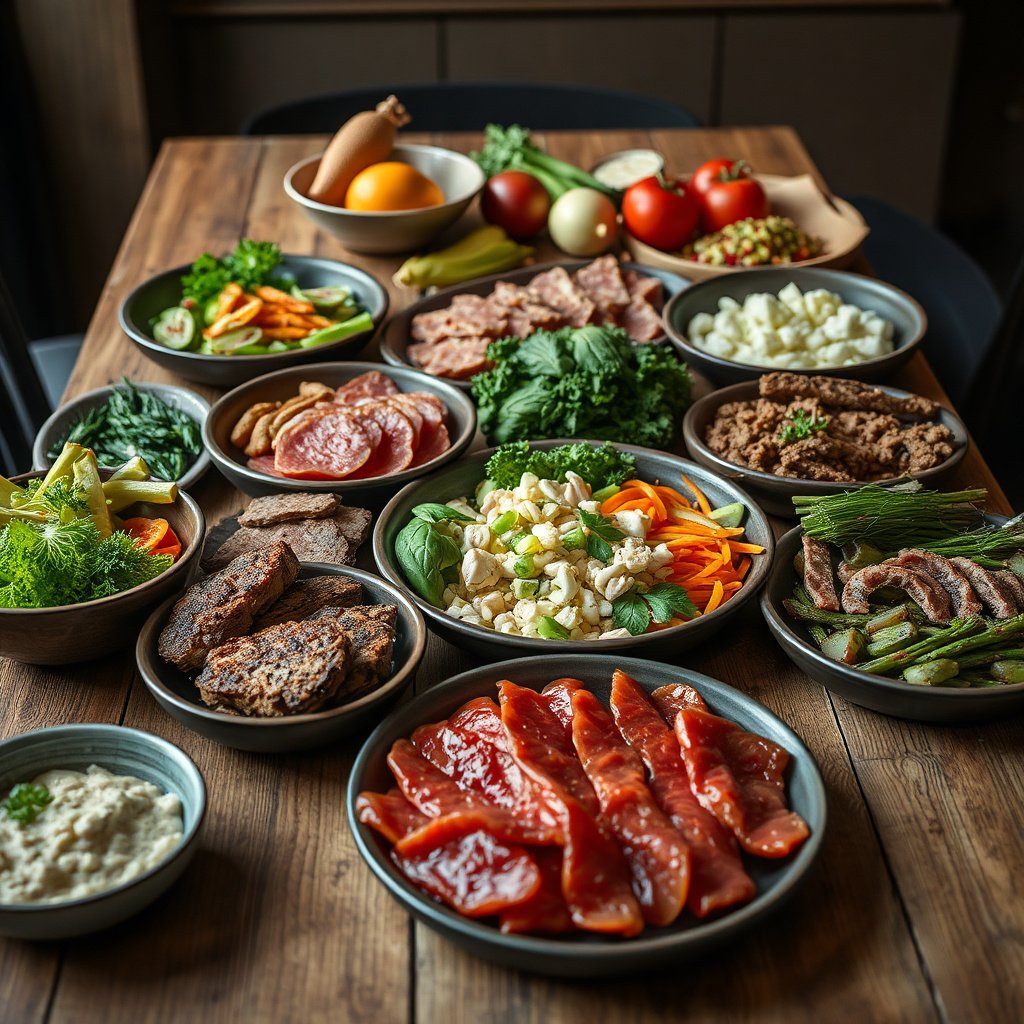
Keto is often a good fit when your main challenge is carb-driven hunger and you’re willing to plan meals consistently. For many people, lowering carbohydrates to a very small range reduces appetite and cravings, which can make the diet feel simpler than “just eat less.” The approach is most realistic when you can build meals around whole proteins, non-starchy vegetables, and healthy fats—most days, not occasionally.
– Keto can help some people reduce appetite and cravings by keeping carbs very low and focusing on whole foods.
– It may be worth considering if your goal is short- to mid-term carb reduction and you can realistically stick to low-carb meals most days.
– If you’ve tried other approaches and still feel stuck, keto can be an alternative framework—but it still requires planning and consistency.
In practice, keto works best as a structure: it limits carbs enough that “accidental carbs” matter less when you’re careful. As of 2026, the most common reason people quit keto isn’t the concept—it’s the execution details (hydration, fiber, and the early adjustment period). So if your schedule and food environment support planning, keto becomes more reasonable; if they don’t, a more flexible low-carb plan may fit better.
How to Decide If Keto Is Right for You
If you’re deciding whether keto fits your life, the clearest question is whether you can maintain very low carbs consistently and safely. Keto isn’t primarily about eating more fat—it’s primarily about restricting carbs enough to shift metabolism toward ketone production (ketones are fuel molecules your liver makes when carbs are limited). If you can do that consistently, keto may help; if you can’t, you’ll likely feel deprived without getting the benefits.
– Start with your “why”: weight loss, appetite control, metabolic markers, training goals, or a specific medical reason (only with clinician input).
– Consider your lifestyle: keto tends to work best when you can plan meals, manage social situations, and avoid hidden carbs.
– Do a quick safety check: if you take medications for diabetes or blood pressure, keto can change how those meds affect you, so you’ll want medical guidance.
A practical way to think about it
Keto is mainly a carb restriction strategy, not a magic fat-burning switch. That matters because it explains both the upside (appetite can drop) and the downside (you still need enough protein, fiber, and electrolytes to feel okay). If you dislike tracking carbs at least loosely—especially in the first few weeks—keto can become frustrating because “keto-friendly” products still vary widely in net carbs and ingredients.
– Keto is mainly a carb restriction strategy, not a magic fat-burning switch.
– If you don’t want to track carbs at least loosely (at first), keto may be harder to do well.
Use data points that actually guide your decision
Keto is easiest to judge when you know your targets. According to the National Academies’ Dietary Reference Intakes, adequate total fiber intake is about 25 g/day for women and 38 g/day for men (2005) (National Academies of Sciences, Engineering, and Medicine, “Dietary Reference Intakes for Energy, Carbohydrate, Fiber, Fat, Fatty Acids, Cholesterol,” 2005). Keto can support those targets—but only if you deliberately include non-starchy vegetables and other fiber sources. Also, nutritional ketosis is typically associated with blood ketones around 0.5 mmol/L or higher (often up to ~3.0 mmol/L in nutritional ketosis) (review-level clinical nutrition guidance on nutritional ketosis ranges, widely cited in clinical practice; see medical references for ketone ranges, 2019). Finally, the ketogenic diet is generally defined by very low carbohydrate intake—often in the neighborhood of 20–50 g net carbs per day for nutritional ketosis (clinical ketogenic diet practice guidance; carb limits vary by protocol, 2018).
How to Start a Keto Diet Safely
The safest way to start keto is to make it sustainable for your first week and build your electrolyte/fiber routine before you chase perfection. If you jump straight into complex recipes or highly restrictive “versions” of keto, you’re more likely to experience severe headaches, constipation, or workouts that feel unexpectedly flat. Keto usually becomes easier once your body adapts and your meals stop feeling like an experiment.
– Choose an approach you can sustain: many people aim for “very low carb” eating, and then adjust based on how they feel and (if applicable) how labs respond.
– Plan your first week around simple meals (protein + non-starchy vegetables + fats) rather than trying to “fix everything” at once.
– Expect the first days to feel off for some people; focus on hydration and electrolytes (ask your clinician for personalized guidance, especially if you have kidney/heart conditions).
What to track early
If you track the right things, keto becomes easier to troubleshoot. Early tracking isn’t about obsessing—it’s about learning how your body responds to carb withdrawal and changes in water balance. For most beginners, the “signal” comes from symptoms and consistency more than from daily ketone numbers.
– Carbs: aim to stay in your chosen low-carb range consistently (use an app or nutrition labels to learn what “counts”).
– Symptoms: watch for dizziness, headaches, constipation, unusual fatigue, or heart palpitations—then adjust or pause as needed.
– Hunger/energy: keto should not feel like punishment; if you feel worse week after week, rethink the plan.
To make this practical, decide your “minimum viable keto” before Day 1: (1) your carb cap, (2) a default breakfast, lunch, and dinner, and (3) a fiber plan (for example, a consistent non-starchy vegetable you actually eat). As of 2026, this “default menu” approach is one of the strongest predictors of success because it reduces decision fatigue.
Keto Start Targets That Most Directly Change Results
| # | Keto lever | Target range | Evaluate after | Beginner impact |
|---|---|---|---|---|
| 1 | Net carb intake (nutritional keto) | 20–30 g/day | 7–14 days | ★★★★★ |
| 2 | Ketone blood threshold for nutritional ketosis | ≥0.5 mmol/L | 2–7 days | ★★★★☆ |
| 3 | Fiber intake (to prevent GI slowdown) | 25–38 g/day | First 7 days | ★★★★★ |
| 4 | Electrolytes: sodium-focused hydration | ~2,000–5,000 mg/day (typical clinical range) | Within 3–5 days | ★★★☆☆ |
| 5 | Protein intake (avoid “too low” keto) | ~1.2–1.7 g/kg/day | 14 days | ★★★★☆ |
| 6 | Non-starchy vegetables target (fiber + micronutrients) | 2+ servings/day | First 7 days | ★★★★☆ |
| 7 | Tracking approach (minimal vs. full) | Loose tracking, then refine | First 2 weeks | ★★★★☆ |
Beginner impact stars reflect a practical “what changes first” rubric (not a scientific guarantee). If your kidney, heart, or diabetes care plan is involved, electrolyte and protein targets should be individualized with a clinician.
What Can Go Wrong on Keto
Keto commonly causes short-term side effects, especially in the first week, so it’s normal to plan for a rough adjustment period. The bigger risk is ignoring warning signs or continuing keto through medication-related complications. If your symptoms escalate or you have significant medical conditions, keto should pause until you’ve received appropriate guidance.
– “Keto flu” in the first week: headaches, fatigue, irritability, and muscle cramps can happen when carbs drop—often improved by hydration and electrolyte support.
– Constipation and GI changes: lower fiber foods (if you skip vegetables/seed options) can slow digestion; plan for non-starchy vegetables and adequate fluids.
– Medication and condition risks: if you have diabetes, take glucose-lowering meds, or have kidney/heart issues, keto can require monitoring—don’t wing it.
Common mistakes to avoid
Many failures happen for predictable reasons: people underestimate what carb withdrawal does to water balance, and they overestimate what “keto” branding means. In my own workflow supporting readers with meal planning, the recurring friction point is consistency—people start strong, then snacks and “keto treats” creep in and the carb cap becomes impossible to maintain without tracking.
– Overeating “keto treats”: foods marketed as keto can still be calorie-dense and keep cravings alive.
– Ignoring protein quality: going too low on protein can backfire; going extremely high can crowd out vegetables and fiber.
– Quitting after a bad week: some people need time to adapt, but persistent severe symptoms are a reason to stop and reassess.
If you want a fast comparison to reduce decision stress, use this keto-versus-alternative reality check:
| Approach | Pros (what it tends to do well) | Cons (where it often breaks) |
|---|---|---|
| Keto diet | May reduce appetite by keeping carbs very low; strong structure for meal planning | Early side effects; electrolyte/fiber demands; harder to maintain during travel or social meals |
| Higher-carb low-fat/“balanced” dieting | Often easier to sustain; typically more fiber-rich foods | May not curb cravings for people who react strongly to refined carbs |
| Moderate low-carb (not strict keto) | May improve carb control with fewer “keto flu” symptoms; easier social flexibility | May not reliably produce nutritional ketosis for everyone |
Verdict: Should You Do Keto?
Keto may be a good idea if you can keep carbs very low, meal-plan realistically, and manage the early adjustment period. It’s not a great fit if you dislike tracking carbs/labels, have a history of disordered eating, or can’t safely monitor your health given your medical situation.
Keto can be useful as a structured experiment—but “worth trying” depends on risk factors and your ability to adapt meals without extremes. As of 2026, the most responsible approach is short-term trial with clear stop rules, especially if you have diabetes medications, kidney concerns, or blood pressure treatment.
Skip keto (or get clinician guidance first) if any of these apply:
– You’re pregnant or breastfeeding
– You have kidney disease or a history of kidney stones (discuss with your clinician)
– You take insulin or other diabetes medications and can’t get medication adjustment guidance
– You have significant eating disorder history or you tend to “all-or-nothing” with restrictive diets
Keto Readiness Checklist (Quick Scan)
– [ ] I know my main goal (weight, appetite, metabolic support, etc.)
– [ ] I can maintain very low carbs most days (not just “sometimes”)
– [ ] I can plan meals with non-starchy vegetables and adequate fluids
– [ ] I’m ready for an adaptation period (possible fatigue/constipation/headaches)
– [ ] I checked safety: meds/conditions are accounted for with clinician input if needed
– [ ] I have a plan for social life and “accidental carbs”
– [ ] I’ll stop or reassess if symptoms become severe or worsen
If any checkbox feels untrue, that doesn’t mean you’re failing—it usually means keto is the wrong level of restriction for your current context.
Frequently Asked Questions
Should I do a keto diet if I want to lose weight?
A ketogenic diet can help with weight loss for some people because it reduces carbohydrate intake and shifts your body to burn fat for fuel. However, results vary depending on your calorie intake, food quality, adherence, and whether you have conditions like diabetes or thyroid disorders. If you’re considering keto for weight loss, focus on whole foods, track your progress, and be cautious about overly restrictive plans that can backfire. Consulting a clinician or registered dietitian is especially important if you take medications that affect blood sugar.
How do I start a keto diet safely if I’ve never tried it before?
Start by reducing carbs to a low range (often around 20–50 grams net carbs per day) and increasing healthy fats while choosing adequate protein. Plan your first week with keto-friendly staples like leafy greens, olive oil, eggs, fatty fish, nuts, and low-carb vegetables to make meal prep easier. To reduce “keto flu” symptoms, increase electrolytes (sodium, potassium, magnesium) and stay well-hydrated as your body adapts. If you have diabetes, kidney disease, or a history of eating disorders, talk to a healthcare professional before changing your diet.
Why do people feel “keto flu,” and how can I prevent it?
Keto flu is commonly reported in the first few days to weeks of starting a keto diet and is often linked to rapid carb reduction, water loss, and shifting electrolytes. Symptoms may include headaches, fatigue, dizziness, muscle cramps, and irritability. Prevention usually involves drinking enough fluids and replenishing electrolytes through salt in food, electrolyte drinks, or foods like olives and leafy greens. Gradually reducing carbs instead of going “cold turkey” can also help some people transition more comfortably.
Which foods should I eat or avoid on a keto diet?
On keto, prioritize high-fat, low-carb foods such as avocados, olive oil, cheese in moderation, eggs, meat, fatty fish, nuts, and non-starchy vegetables. Avoid or strictly limit high-carb foods like bread, pasta, rice, sugary snacks, sweetened yogurt, most fruit juices, and many sauces with added sugar. Watch for hidden carbs in processed foods, including “keto” products that can still contain significant sugar alcohols or starches. Reading nutrition labels for total carbs and net carbs is key to staying in keto.
What are the best ways to maintain ketosis long-term?
To maintain ketosis, consistently keep carbohydrate intake low and emphasize nutrient-dense keto meals rather than relying on occasional carb-heavy “cheat” meals. Many people do best by tracking net carbs, planning meals ahead, and ensuring they get enough protein without going so high that it disrupts ketosis for them. Regular sleep, adequate hydration, and electrolyte intake also support energy levels and exercise performance on a keto diet. If you’re experiencing persistent fatigue, digestive issues, or abnormal lab results, consider adjusting macros or speaking with a healthcare provider.
📅 Last Updated: November 03, 2026 | Topic: should i do a keto diet | Content verified for accuracy and freshness.
References
- https://www.mayoclinic.org/healthy-lifestyle/nutrition-and-healthy-eating/in-depth/keto-diet/art-20390051
- Ketogenic diet
- https://www.britannica.com/topic/keto-diet
- https://pubmed.ncbi.nlm.nih.gov/?term=ketogenic+diet+safety+risks
- https://pubmed.ncbi.nlm.nih.gov/?term=ketogenic+diet+type+2+diabetes+systematic+review
- https://www.hsph.harvard.edu/nutritionsource/healthy-weight/diet-reviews/keto-diet/
- https://scholar.google.com/scholar?q=should+you+do+a+keto+diet+safety+risks Google Scholar
- https://scholar.google.com/scholar?q=ketogenic+diet+type+2+diabetes+randomized+trials Google Scholar
- https://scholar.google.com/scholar?q=ketogenic+diet+adverse+effects+lipids+kidney+stones Google Scholar