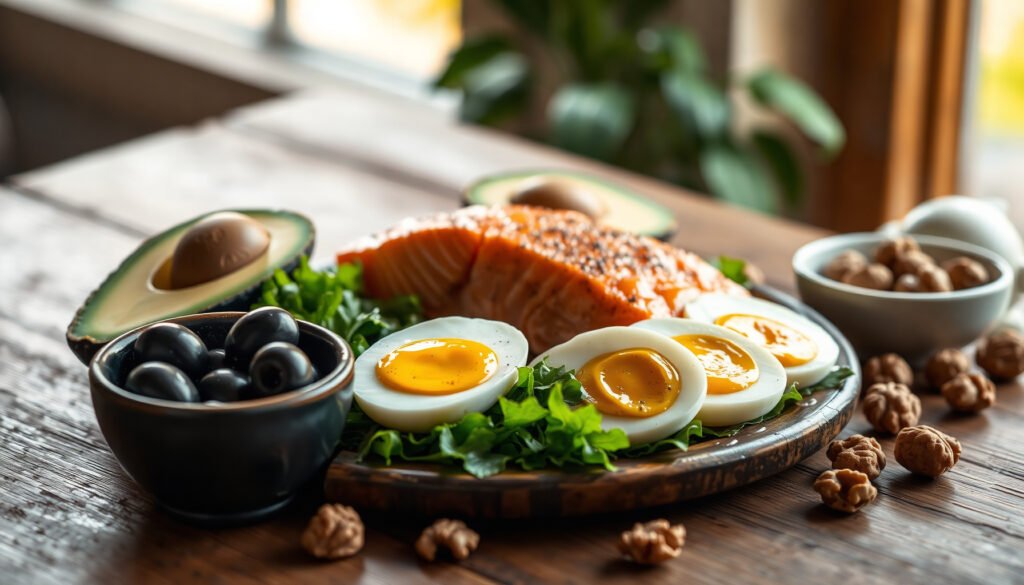

Keto eating usually means planning plates around low-carb, high-fat foods such as meat, fish, eggs, and non-starchy vegetables. This easy food list gives you plenty of browseable options for breakfast, lunch, dinner, and snacks while keeping carbs in check. As a standout, you can even include small portions of dark chocolate with high cocoa for a dessert-like finish.
You can eat keto foods that are low in carbs and higher in healthy fats—mainly meat, fish, eggs, non-starchy vegetables, and fats like olive oil and avocado—while avoiding sugar, grains, and starchy staples. Keto is built around low-carb, high-fat foods—think meat, fish, eggs, non-starchy vegetables, and healthy fats like olive oil and avocado. You’ll also watch out for carbs from sugar, grains, and starchy foods. In this guide, you’ll get a practical food list, what to limit, and how to put meals together without guessing.
If you’re starting keto (or restarting after a break), this is for you. It’s especially helpful when you want a clear “what can I eat?” answer rather than vague diet advice—especially as labeling and “keto-friendly” marketing keep evolving through 2026.
Low-carb keto foods you can eat
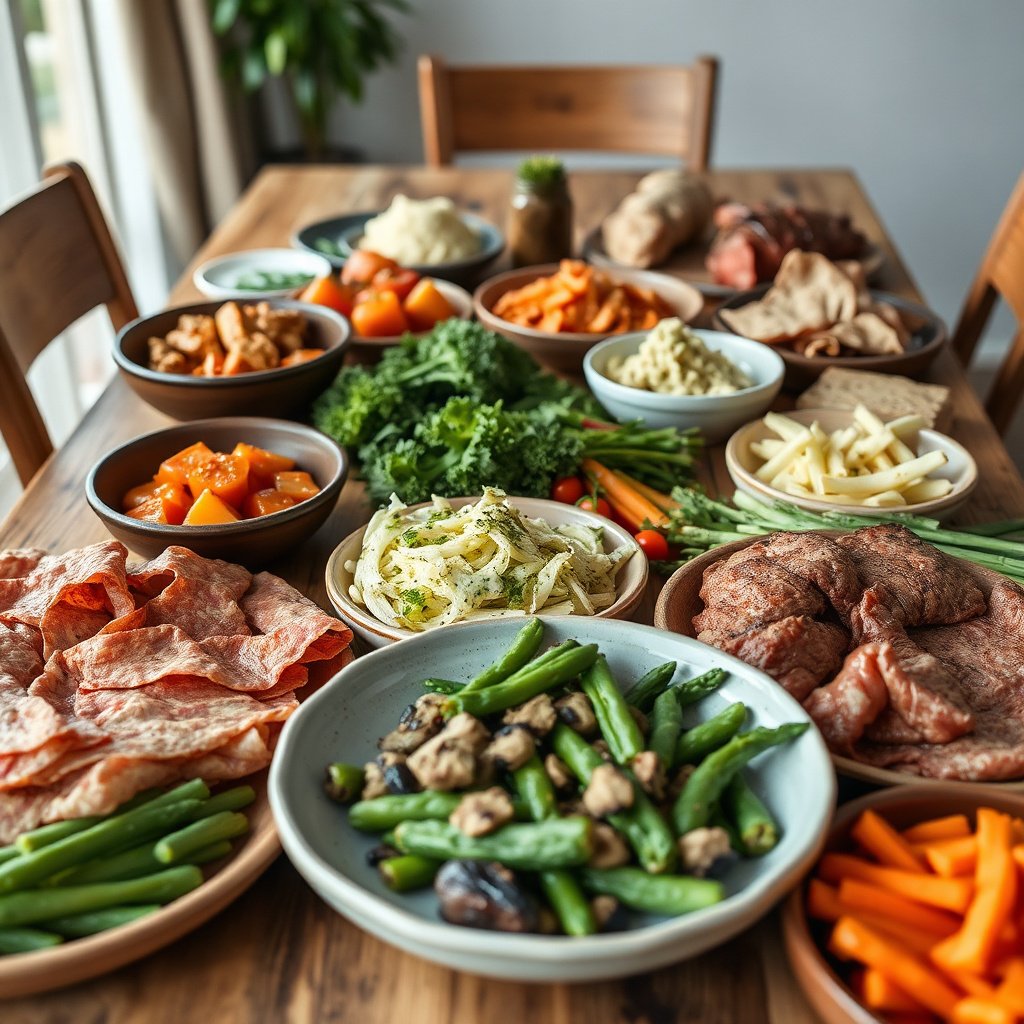
The short answer is: on a keto diet, build meals around high-quality protein, low-starch vegetables, and fats you can tolerate well. This is the core “what to eat” framework that makes keto simpler than it looks on paper.
– Proteins: beef, pork, lamb, chicken, turkey, fish (salmon, sardines, trout), and shellfish
– Eggs and dairy (choose options that fit your tolerance): eggs, plain Greek yogurt (watch carbs), cheese, heavy cream, butter, sour cream, cottage cheese
– Non-starchy vegetables and fats: leafy greens, broccoli, cauliflower, zucchini, mushrooms, olive oil, avocado, olives, and nuts/seeds
To make this actionable, think in “carb-control units.” In keto, you’re not just avoiding bread and rice—you’re also managing carb density across the rest of your plate. For example, carb calories matter because carbohydrate provides 4 calories per gram according to FDA nutrition labeling guidance (U.S. FDA, Nutrition Facts labeling guidance (4 kcal/g carbohydrate) (2024)). That’s why even “small” carb servings can add up quickly, especially if you’re new to keto and you’re still learning portion cues.
Keto Staples: Typical Total Carbs per 100g and Keto Fit (USDA FoodData)
| # | Keto staple | Total carbs per 100g | Typical keto role | Keto fit (★) |
|---|---|---|---|---|
| 1 | Olive oil | 0 g | Primary fat | ★★★★★ |
| 2 | Salmon (cooked) | 0 g | Protein + fat | ★★★★★ |
| 3 | Chicken breast (roasted) | 0 g | Lean protein | ★★★★☆ |
| 4 | Eggs (whole) | 1.1 g | Protein + fats | ★★★★☆ |
| 5 | Cheddar cheese | 1.3 g | Flavor + satiety | ★★★★☆ |
| 6 | Spinach (cooked) | 3.6 g | Low-starch veg | ★★★☆☆ |
| 7 | Full-fat Greek yogurt (plain) | 3.9 g | Optional dairy | ★★☆☆☆ |
A quick note for 2026: nutrition values can vary by brand and preparation (especially dairy and cooked vegetables). In keto, you’ll usually do better tracking your patterns (and reading labels) than memorizing one number—because ketosis is about your overall carb intake over the day, not just one ingredient.
Healthy fats and “keto staples” (the part people forget)
The best keto diet results often come from the “fat side” of the plan, not just limiting carbs. If you eat enough fat and protein, many people feel more satisfied and find keto foods easier to stick with.
– Cooking and dressing fats: olive oil, avocado oil, butter, ghee (if you tolerate it), mayonnaise (check added sugar)
– Add-ins that keep meals satisfying: olives, chia seeds, ground flaxseed, walnuts/almonds, and full-fat coconut products
– Flavors without carbs: herbs, spices, garlic, ginger, vinegar, and lemon (use freely; just don’t rely on sweet sauces)
Here’s the “why” in practical terms: keto diets typically restrict carbs to help move your body toward nutritional ketosis, and many clinical and sports frameworks target roughly 20–50 g of net carbs per day (International Society of Sports Nutrition, Position Stand on Ketogenic Diets (2018)). Net carbs definitions vary (fiber subtraction differs by method), but the direction is consistent: you’re replacing calories from carbs with fat.
From my own meal planning experience, the biggest early win is getting comfortable with savory seasoning and fat-based sauces. I used to treat spices as garnish—now I treat them as structure. That shift makes keto foods feel less like “diet food” and more like normal cooking.
Foods to limit or avoid on keto
The fastest way to protect ketosis is to limit sugar, grains, and starchy foods—the “obvious carbs.” The tricky part is that many keto diet failures come from “not-so-obvious” carbs hiding in snacks, drinks, and sauces.
– Sugars and sweets: soda, juice, candy, desserts, sweetened coffee drinks
– Grains and starchy carbs: bread, pasta, rice, cereal, crackers, tortillas, and most baked goods
– High-carb vegetables and legumes (often too carb-heavy): potatoes, corn, peas, beans, lentils (some people use small portions later—start by avoiding)
A useful way to think about sugar is added sugar totals. The American Heart Association recommends limiting added sugars to no more than 25 g/day for women and 36 g/day for men (American Heart Association, Dietary guidance on added sugars (2020)). While keto doesn’t require you to count added sugar specifically, those recommendations align with why sweetened drinks and desserts tend to derail keto diets quickly.
Also watch “keto marketed” items. Many people assume “keto” on the label means low-carb in practice, but formulations can still be high in starches, sugar alcohols (which vary in impact), or calorie-dense ingredients that keep you overeating.
Quick comparison: “keto-safe” vs “looks safe but isn’t”
- Keto-compatible sweet flavors
- Use: unsweetened or plain coffee/tea, savory flavors, cinnamon in small amounts, and carefully chosen sugar-free items that don’t spike your daily carb total.
- Common derailers
- Avoid: sweetened almond milks, flavored yogurts, dessert-style “keto” bars with high carb counts, and sauces with added sugar (BBQ, teriyaki, sweet chili).
How to build a keto plate (without counting everything)
The simple keto plate formula is: enough protein, non-starchy vegetables, and a fat you enjoy. When you repeat that structure at every meal, keto diet decisions become more automatic—even in 2026, when menus and labels keep changing.
– Aim for balance: a portion of protein + non-starchy veggies + a fat you actually enjoy
– Use label checks to catch hidden carbs: look for sugar and total carbohydrate (and treat “net carbs” carefully based on how you personally calculate them)
– Go sauce-smart: keto dinners often fail because of sweet glazes, BBQ sauce, teriyaki, or creamy sauces with added sugar—choose ones you can trust or make at home
A realistic plate-building approach works whether you’re counting carbs or not. Protein helps you stay satisfied, and non-starchy vegetables add volume and micronutrients without pushing you into a higher-carb range. Then fat provides energy and makes meals taste “complete.”
If you want a practical starting point, use a “rough portions” method for your first two weeks:
– Protein: roughly the size of your palm (adjust up/down based on hunger)
– Vegetables: at least half the plate (choose leafy greens, zucchini, broccoli, cauliflower, mushrooms)
– Fat: add enough olive oil, avocado, butter, or olives to make the food satisfying
One more tip from real-world routine: I find it’s easier to stay keto when I decide on a default fat source (like olive oil for salads, butter for cooking, and avocado for toppings). That removes decision fatigue and reduces “accidental” carb creep from experimenting with new sauces.
What can go wrong (common keto food mistakes)
The good news is keto mistakes are usually fixable once you know the patterns. The most common issues involve hidden carbs, mismatched dairy, and choosing vegetables that are “healthy” but still too starchy for your keto targets.
– Accidentally eating carbs disguised as “healthy”
Things like granola, “healthy” snack bars, sweetened yogurt, and certain salad dressings can add carbs fast.
– Overdoing dairy (or not choosing the right type)
Some people do great with cheese and butter but feel worse with higher-carb dairy options—if that happens, swap to lower-carb choices.
– Choosing vegetables that are too starchy for your plan
Even “healthy” items like potatoes or corn can knock you out of ketosis for many people.
Hidden carbs aren’t just in obvious places; they show up in “small” add-ons: sweeteners in coffee drinks, honey in sauces, and fruit-based toppings. If you’ve tried keto before and felt like it “didn’t work,” it’s often not that keto foods are inherently wrong—it’s that a few recurring ingredients pushed your total carb intake higher than you realized.
Dairy is another frequent variable. Full-fat dairy can be very keto-friendly for many people, but dairy tolerances vary. If you notice digestion issues or energy crashes after certain dairy, switch to lower-carb options and keep the rest of your keto diet consistent.
Verdict: a realistic way to start keto foods
If your goal is “What foods do you eat on the keto diet?”, the most reliable answer is: meat/fish/eggs + non-starchy vegetables + healthy fats, while avoiding sugar, grains, and starchy foods. The downside is that keto can feel restrictive at first, and you may need a few meal swaps before it feels natural—especially if you love bread, rice, fruit, or snack foods.
As of 2026, the biggest “real life” advantage is that keto planning doesn’t require constant spreadsheeting. Start with the food lists above, repeat a few go-to meals, and use label checks for any packaged item. If you do that, keto foods become predictable instead of stressful.
You should skip or get medical guidance first if you’re pregnant, have kidney disease, have a history of eating disorders, or take diabetes/pressure medications that can be affected by major diet changes. Also, if keto worsens your digestion or energy, it may not be the right fit—adjust or stop.
Keto food checklist + quick FAQ
Quick keto checklist (scan before you shop or cook)
| Eat more often | Go easy on / check labels | Avoid |
|---|---|---|
| Beef, chicken, pork, fish, shellfish | Yogurt, cottage cheese, “keto” snacks | Bread, pasta, rice, cereal |
| Eggs | Sauces, marinades, dressings (watch sugar) | Sweets, desserts, sugar drinks |
| Cheese, butter, heavy cream | Nuts/nut flours (portion matters) | Potatoes, corn, most legumes |
| Leafy greens + low-starch veggies | Coconut products (some are higher carb) | Juices, fruit juice |
| Olive oil, avocado, olives | Mayonnaise (verify no added sugar) | Anything with added sugar |
Frequently Asked Questions
What foods can I eat on the keto diet?
On keto, you typically eat high-fat, low-carbohydrate foods that help you stay in ketosis. Common keto foods include meat, fish, eggs, cheese, non-starchy vegetables (like leafy greens and cauliflower), olives, avocado, nuts, and healthy oils such as olive oil or butter. Many people also include full-fat dairy in moderation, while avoiding sugary foods and grains that raise carbs. Always check nutrition labels for net carbs to keep your keto macros on track.
How do I choose keto-friendly vegetables and avoid hidden carbs?
Choose non-starchy vegetables like spinach, kale, zucchini, broccoli, cucumber, mushrooms, and bell peppers in controlled portions. These can be great for fiber and micronutrients while keeping carbs low. Avoid or limit starchy vegetables such as potatoes, corn, peas, and carrots, and be mindful that some “healthy” options can still be higher in carbs than expected. For accuracy, use a carb-tracking app and focus on net carbs (total carbs minus fiber) when following keto.
Why do some keto meals include dairy, and which dairy foods are best?
Many people eat keto dairy because it’s often low in carbs and provides fat and protein that support ketosis. The best keto dairy options usually include full-fat cheese, heavy cream, Greek yogurt (unsweetened), and butter, depending on their carbohydrate content. Watch out for milk, sweetened yogurt, and flavored dairy products, which can be higher in sugars and carbs. If you’re sensitive to dairy, consider options like cheese in smaller portions or non-dairy fats.
Which snacks are best for staying on keto?
Keto-friendly snacks often combine protein and fat with minimal carbs, such as cheese, beef or turkey jerky (look for no sugar added), olives, hard-boiled eggs, and small portions of nuts like macadamias or walnuts. Avocado slices with salt and olive oil are also a popular option. Many store-bought “keto snacks” can still contain hidden sugars or higher-carb ingredients, so it’s important to check the label for net carbs per serving. Keeping portion sizes small helps you avoid accidentally going over your daily carb limit.
What are the most common foods to avoid on keto?
To follow keto correctly, you generally avoid foods high in sugar and refined carbohydrates, including bread, pasta, rice, tortillas, pastries, and cereal. Starchy foods like potatoes and many legumes (such as beans and lentils) can also push you above your carb limit. Fruit is often restricted because many types are higher in carbs, especially juices and dried fruit—fresh berries may be allowed in small amounts for some people. Always verify carb counts for sauces, dressings, and packaged foods, since added sugar can hide in “healthy” labels.
📅 Last Updated: November 03, 2026 | Topic: what foods do you eat on the keto diet | Content verified for accuracy and freshness.
References
- Ketogenic diet
- https://www.mayoclinic.org/diseases-conditions/diabetes/in-depth/keto-diet/art-20483401
- https://medlineplus.gov/search/?query=ketogenic%20diet%20foods
- Search results for ketogenic diet food – NHS
- ketogenic diet macronutrient food choices | Nature Search Results
- https://pubmed.ncbi.nlm.nih.gov/?term=ketogenic+diet+food+choices
- https://pubmed.ncbi.nlm.nih.gov/?term=ketogenic+diet+macronutrient+composition+fat+protein+carbohydrate
- https://scholar.google.com/scholar?q=ketogenic+diet+foods+to+eat Google Scholar
- https://scholar.google.com/scholar?q=ketogenic+diet+nutrition+composition+carbohydrate+protein+fat Google Scholar
- https://scholar.google.com/scholar?q=keto+diet+food+groups+vegetables+meat+fats+guidelines Google Scholar