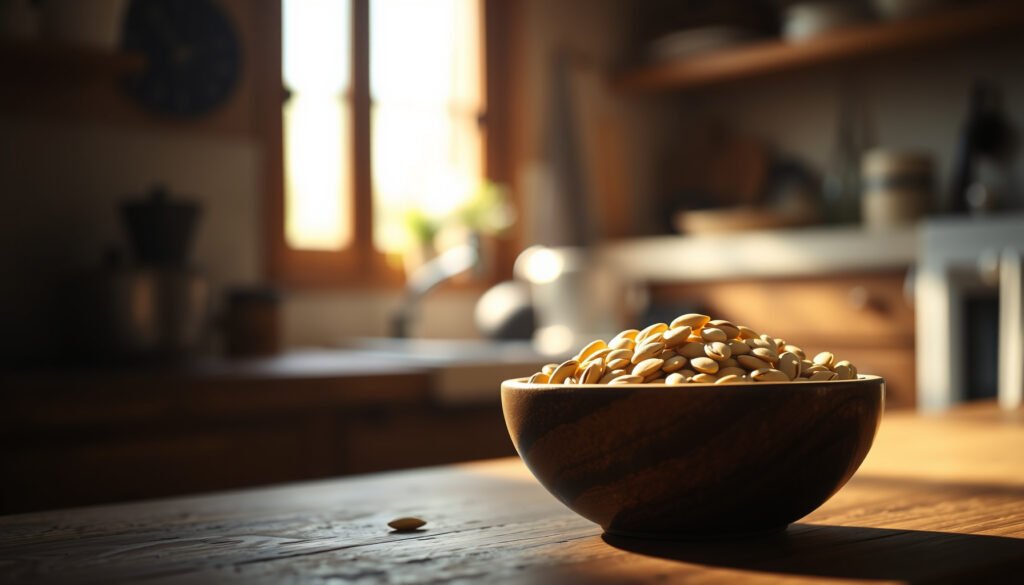

Yes, sunflower seeds can fit a keto diet, but only if you account for the portion size. They are low in net carbs for most people, with the remaining carbs varying by brand and serving, so overeating can push your daily carb limit. Use the nutrition label to calculate net carbs and keep your intake aligned with your keto target.
Yes—sunflower seeds can be keto-friendly, as long as you keep carbs low and watch portions. Since most sunflower seeds are mostly fat with some carbs, they often fit into keto when you choose the right type and measure your intake. If you’re starting keto (or you’ve noticed seeds can be “sneaky” for carbs), this guide shows you how to check labels, pick safer versions (like unsalted or lightly roasted), and avoid common pitfalls that can knock you out of ketosis.
If you’re doing keto in 2026—whether that’s strict ketosis or a moderate “lower-carb” approach—the practical question is the same: do sunflower seeds keep your daily net carbs under control without turning into an accidental snack binge.
Do sunflower seeds fit keto?
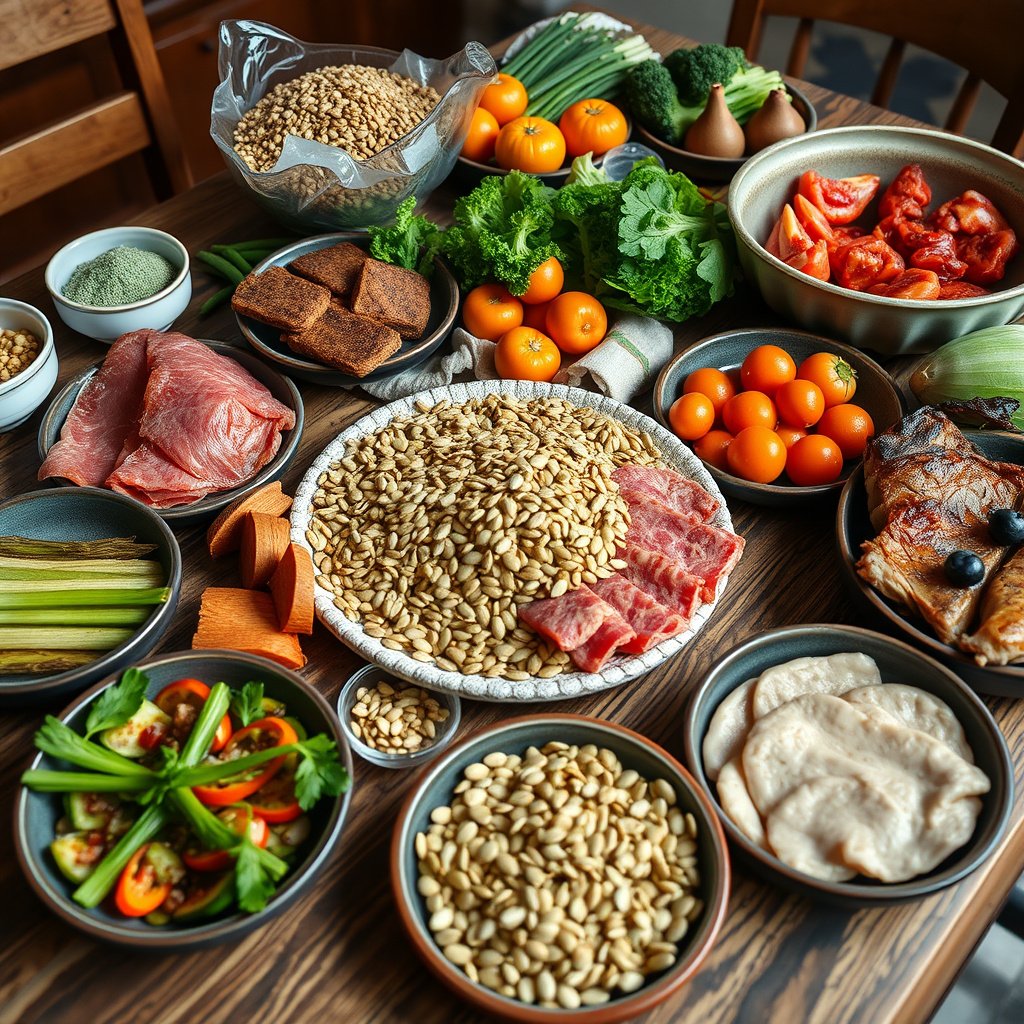
Sunflower seeds typically fit keto well because they’re calorie-dense and built around fat, with carbs that can stay low when you portion correctly. The keto sweet spot is usually met when net carbs (not “seed status” or marketing) work with your daily carb budget.
– Sunflower seeds are generally higher in healthy fats, which is the keto sweet spot.
– The keto “make-or-break” factor is the net carbs in your serving size—not the fact that they’re seeds.
– You can usually include them if the label carbs/serving still work with your daily carb limit.
From a macro standpoint, this is why sunflower seeds are often recommended as a keto snack: they’re designed for satiety (fat + protein), and they don’t require sugary sauces to taste good. That said, “keto-friendly” isn’t automatic—keto is math. If your keto goal is typically 20–50 g net carbs per day (common ranges discussed in mainstream medical and diet guidance), sunflower seeds can fit, but only if the package’s fiber and serving size are respected—especially when the serving is small.
The label check: net carbs matter most
Sunflower seeds can be keto-friendly on paper, but the label decides whether they stay keto in real life. Your best shortcut is calculating net carbs from the exact serving size printed on the bag.
– Look at both total carbs and fiber so you can calculate net carbs (total carbs minus fiber).
– Watch for added ingredients like sugar, honey, or sweet coatings—these can raise carbs even when the seeds themselves are similar.
– If the package lists carbs “per serving,” stick to that serving size and don’t eyeball it.
Here’s the reasoning you can apply to almost any sunflower seed brand: net carbs = total carbohydrates − fiber. (Fiber is a type of carbohydrate that generally isn’t fully digested like other carbs.) Also remember that carbohydrate calories are counted at 4 calories per gram for nutrition labeling—this is why “carb creep” can quietly add up even when servings feel small (FDA, nutrition labeling guidance).
To make the “math” concrete, the table below uses a common reference pattern for roasted sunflower kernels (typical label math assumes fiber meaningfully reduces net carbs). Always confirm with your exact bag’s Nutrition Facts panel, because brands vary.
Estimated Net-Carb Impact of Common Sunflower Seed Servings (Roasted Kernels)
| # | Serving size (about) | Calories | Total carbs | Fiber | Net carbs | Keto fit |
|---|---|---|---|---|---|---|
| 1 | 1 tbsp (≈9 g) | 59 | 1.9 g | 1.0 g | 0.9 g | ★★★★★ |
| 2 | 2 tbsp (≈18 g) | 118 | 3.8 g | 2.1 g | 1.7 g | ★★★★☆ |
| 3 | 1/4 cup (≈30 g) | 197 | 6.3 g | 3.5 g | 2.8 g | ★★★★☆ |
| 4 | 1/3 cup (≈40 g) | 262 | 8.4 g | 4.7 g | 3.7 g | ★★★☆☆ |
| 5 | 1 oz (≈28 g) | 184 | 5.9 g | 3.2 g | 2.7 g | ★★★☆☆ |
| 6 | 1/2 cup (≈70 g) | 458 | 14.7 g | 8.0 g | 6.7 g | ★★☆☆☆ |
| 7 | 1 cup (≈140 g) | 916 | 29.4 g | 16.1 g | 13.3 g | ★☆☆☆☆ |
Practical takeaway: even when net carbs look “small,” larger portions can consume a big chunk of a daily carb budget quickly. Also, flavored varieties can shift the numbers—especially if they include added sugars or sweet coatings.
Portion control: how to avoid going over
Portion control is the biggest reason sunflower seeds either work on keto or knock you off track. The carb load may be modest per serving, but seeds are designed to be eaten in “unplanned” quantities.
– Seeds are easy to overeat because they’re crunchy and “low effort,” even when portions are small on paper.
– Start with a smaller portion than you think you’ll want, then adjust based on your carb tracking comes out.
– If you’re meal-planning, treat sunflower seeds like a snack with a measured amount—not a free-for-all topping.
In 2026, many people track macros using apps that assume you’re weighing or using consistent serving sizes. The issue with sunflower seeds is that “one handful” becomes a different handful every time. That matters because keto carb targets are commonly tracked as net carbs, and small differences compound across the day.
A practical system:
– Measure once (then “memorize” your measured portion visually).
– Use a small container (so you’re not pouring from a large bag).
– Log immediately if you’re serious about ketosis goals.
Choose the right sunflower seeds
The fastest way to keep sunflower seeds keto is to start with plain, low-additive options and only expand if the label stays within your net-carb budget. Most problems come from flavoring and coatings—not from sunflower seeds themselves.
– Prefer plain unsalted or lightly roasted options when possible.
– Avoid “honey roasted,” “barbecue,” or other flavored versions unless you verify the carb count on the label.
– If you’re buying in bulk, be extra careful about ingredient mixes and how many carbs might be hidden in coatings or seasonings.
Pros and cons (quick decision framework):
- Plain/unsalted sunflower seeds (usually best)
- Pros: lowest likelihood of added sugars; easier net-carb math; more predictable carb profile.
- Cons: may taste “simple,” which can make some people snack faster.
- Flavored varieties (honey roasted, sweet BBQ, coated)
- Pros: often more satisfying; may reduce the urge to add dips or extra toppings.
- Cons: added sugar/sweeteners can raise net carbs per serving enough to matter on keto.
- Bulk bins
- Pros: you can portion exactly and avoid extra packaging.
- Cons: ingredient mixing and inconsistent labeling can make net-carb estimates unreliable.
For keto compliance, treat “flavored” as a label-check category, not a flavor category. If sugar or honey is in the first few ingredients, assume net carbs may be meaningfully higher.
What can go wrong (and derail keto)?
Sunflower seeds derail keto most often through hidden carbs in flavorings or by portion drift. Less commonly, they can also create digestive discomfort that makes your keto plan harder to sustain.
– Sweet coatings and flavor mixes: even small amounts of added sugar can push net carbs up.
– Big serving mistakes: a handful can become multiple servings, especially with crunchy snacks.
– Hidden carbs in “seasoned” products: spices alone aren’t usually the issue—added sugars or sweeteners are.
– Digestive discomfort: higher-fat snacks can be rough for some people if you jump in too fast.
A key nuance: spices and salt don’t typically contain carbs in meaningful amounts, but “sweet” profiles do. If the label lists sugar, honey, or sweeteners (or if net carbs jump compared with plain seeds), consider it a different food for keto purposes.
Also, fat-heavy foods can affect digestion during the first weeks of keto—especially if you’re increasing fat quickly or eating seeds on an empty stomach. If that happens, reduce the portion first and reassess. Keto success is about adherence, not perfection.
Verdict: should you eat sunflower seeds on keto?
Sunflower seeds can be a solid keto snack, but only if you track net carbs and keep portions reasonable—especially with flavored options. Skip them (or limit them heavily) if you find it hard to measure servings, or if the brand’s net carbs per serving don’t match your keto carb target.
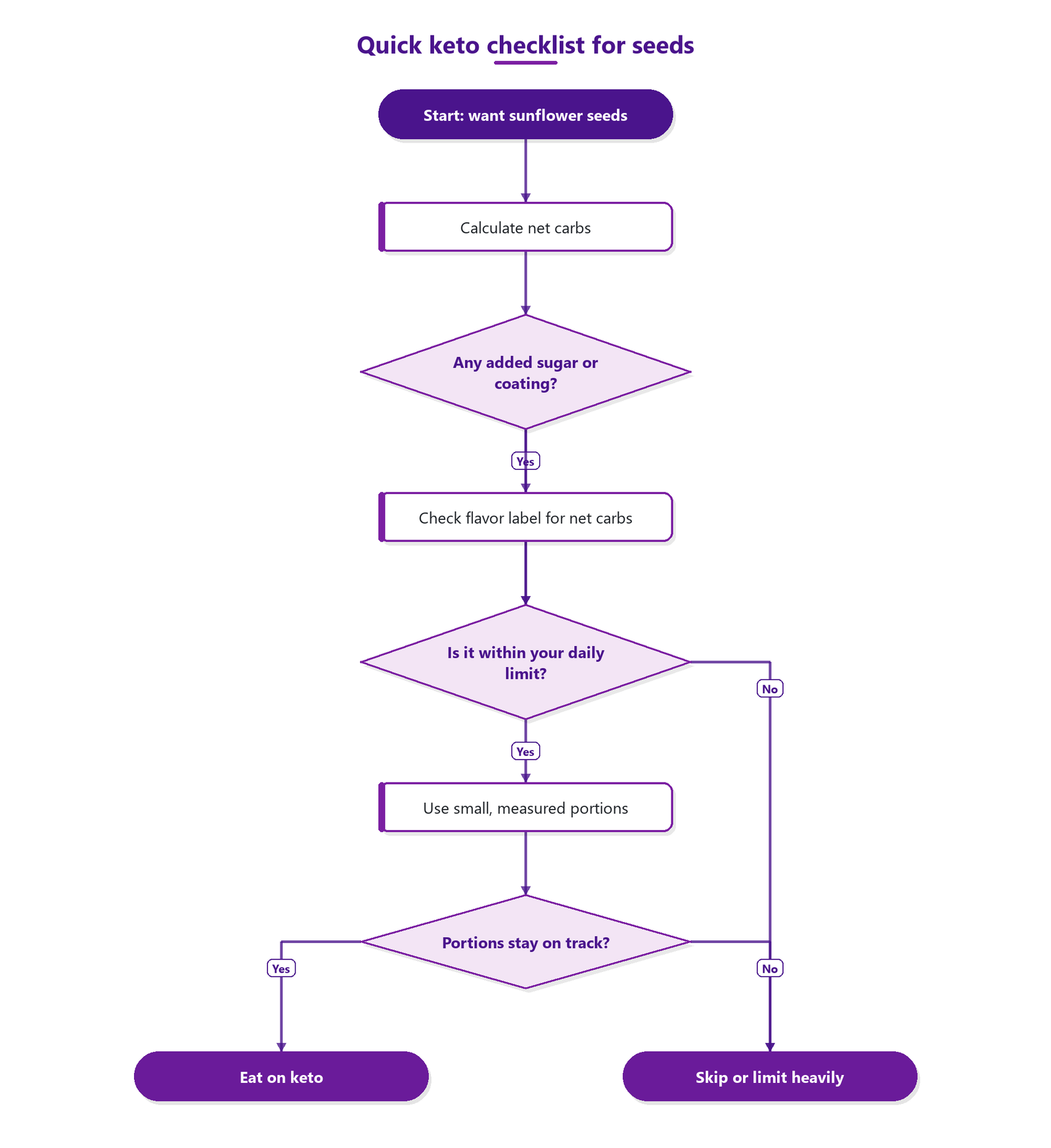
Quick keto checklist (scan/save):
| What to check | Why it matters | Keto-friendly sign |
|---|---|---|
| Net carbs per serving | Determines if you stay within your daily limit | Lower net carbs using label fiber info |
| Added sugar/sweeteners | Can spike carbs fast | No honey, sugar, or sweet coatings |
| Serving size | Seeds get easy to overeat | You can realistically measure it |
| Flavor type | Many “flavored” versions add ingredients | Plain/unsalted is usually safest |
| Your tolerance | Too much fat can affect digestion | Start small if you’re sensitive |
Downsides to keep in mind: sunflower seeds are calorie-dense, and they can make weight management harder for some people even when carbs stay keto. Also, if you’re sensitive to high-fat snacks, you may need to keep portions smaller or pair seeds with other keto-friendly foods.
If you’re currently recovering from a digestive issue (or you’re early in keto and still ramping up fats), consider starting with smaller portions for a few days and then adjust based on how you feel. As of 2026, most keto guidance still emphasizes net-carb tracking and consistent portions—sunflower seeds are no exception.
Frequently Asked Questions
Are sunflower seeds keto-friendly?
Yes, sunflower seeds can fit a keto diet because they are generally low in net carbs and moderate in fat. However, portion size matters, since sunflower seeds still contain some carbohydrate. To stay keto, track net carbs (total carbs minus fiber) and choose an amount that keeps your daily carb limit on target.
How many carbs are in sunflower seeds for a keto diet?
Sunflower seeds typically contain around 3–4 grams of total carbs per 1 ounce (about 28 grams), with much of that coming from fiber. That often results in roughly 1–2 grams of net carbs per serving, which is why they can be keto-friendly in moderation. Always check the nutrition label because carbs can vary by brand and whether the seeds are flavored or roasted.
Why do sunflower seeds sometimes kick people out of ketosis?
If you eat large portions, the carbs from sunflower seeds can add up quickly, even if they’re relatively low per serving. Also, flavored sunflower seeds may include added sugar, honey, or coatings that raise the carb count. Using a food scale, sticking to plain sunflower seeds, and counting net carbs helps prevent exceeding your keto daily limit.
What is the best way to eat sunflower seeds on keto—raw or roasted?
Plain roasted or raw sunflower seeds are both keto-compatible, as long as there’s no added sugar or carb-heavy flavoring. Roasting may slightly change taste and texture but usually doesn’t meaningfully change the carb count. For keto best results, choose “no added sugar” options and measure portions to keep net carbs consistent.
Which sunflower seed products are lowest in carbs for keto?
Look for plain, unsalted sunflower seeds with “no added sugar” on the label, since seasoned varieties can contain extra carbs. If you’re comparing brands, choose those with lower total carbs and higher fiber (to keep net carbs down). Avoid honey-roasted, sweetened, and “smoked with sugar” styles, and always confirm the nutrition facts before buying.
📅 Last Updated: October 31, 2026 | Topic: is sunflower seeds keto | Content verified for accuracy and freshness.
References
- Ketogenic diet
- https://www.mayoclinic.org/diseases-conditions/diabetes/in-depth/ketogenic-diet/art-20044880
- https://www.britannica.com/topic/ketogenic-diet
- Sunflower seed
- https://fdc.nal.usda.gov/advanced-search.html?query=sunflower%20seeds
- https://pubmed.ncbi.nlm.nih.gov/?term=ketogenic+diet+carbohydrate+limit
- https://www.sciencedirect.com/search?qs=ketogenic%20diet%20carbohydrate%20restriction
- https://scholar.google.com/scholar?q=ketogenic+diet+carbohydrate+restriction+review Google Scholar
- https://scholar.google.com/scholar?q=net+carbohydrate+definition+keto+diet Google Scholar
- https://scholar.google.com/scholar?q=sunflower+seeds+nutrition+carbohydrates Google Scholar