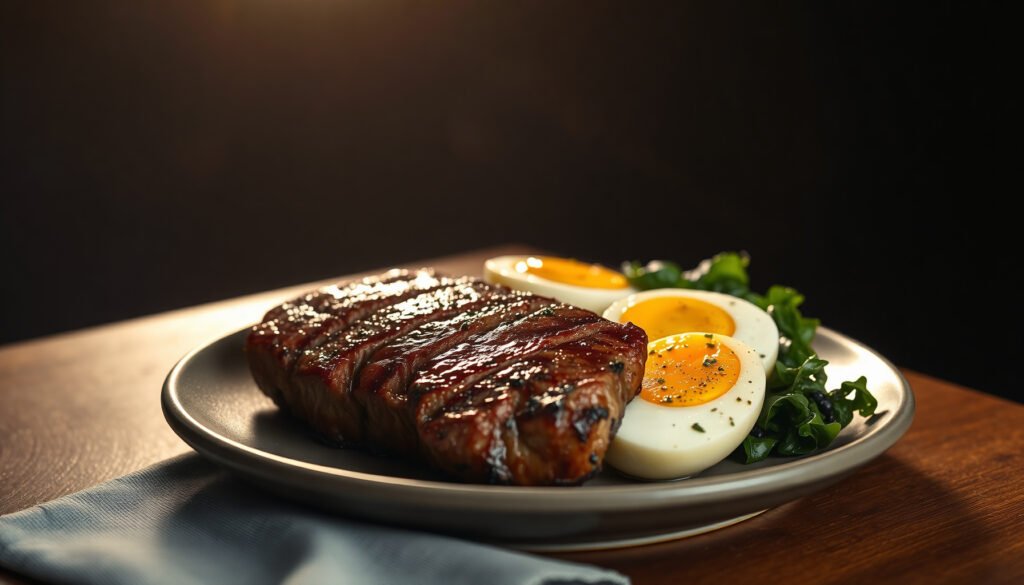

Choosing what to eat on a keto diet can feel overwhelming at first, especially when you have to cut back on carbs to stay in ketosis. The good news is that keto menus become much simpler once you focus on the core food groups: low-carb vegetables, high-fat proteins, and healthy fats. As you learn what fits, you will be able to plan meals with confidence and avoid common slip-ups that slow your progress.
Yes—on a keto diet you mainly eat foods that are high in fat, moderate in protein, and very low in carbohydrates. A practical place to start is choosing keto-friendly proteins, low-carb vegetables, and fats (plus careful portions of dairy and nuts). In this guide, you’ll get clear lists of what to eat, what to avoid, and common mistakes that slow keto progress.
If you’re new to keto (or restarting after a break), you’ll benefit most from having “default” food categories you can repeat without guessing. This is also helpful if you’ve found that some foods marketed as healthy still spike carbs—an issue that matters a lot in 2026, when many “low sugar” products still contain meaningful starches or fruit-based sweeteners.
Keto-friendly proteins (your main “base”)
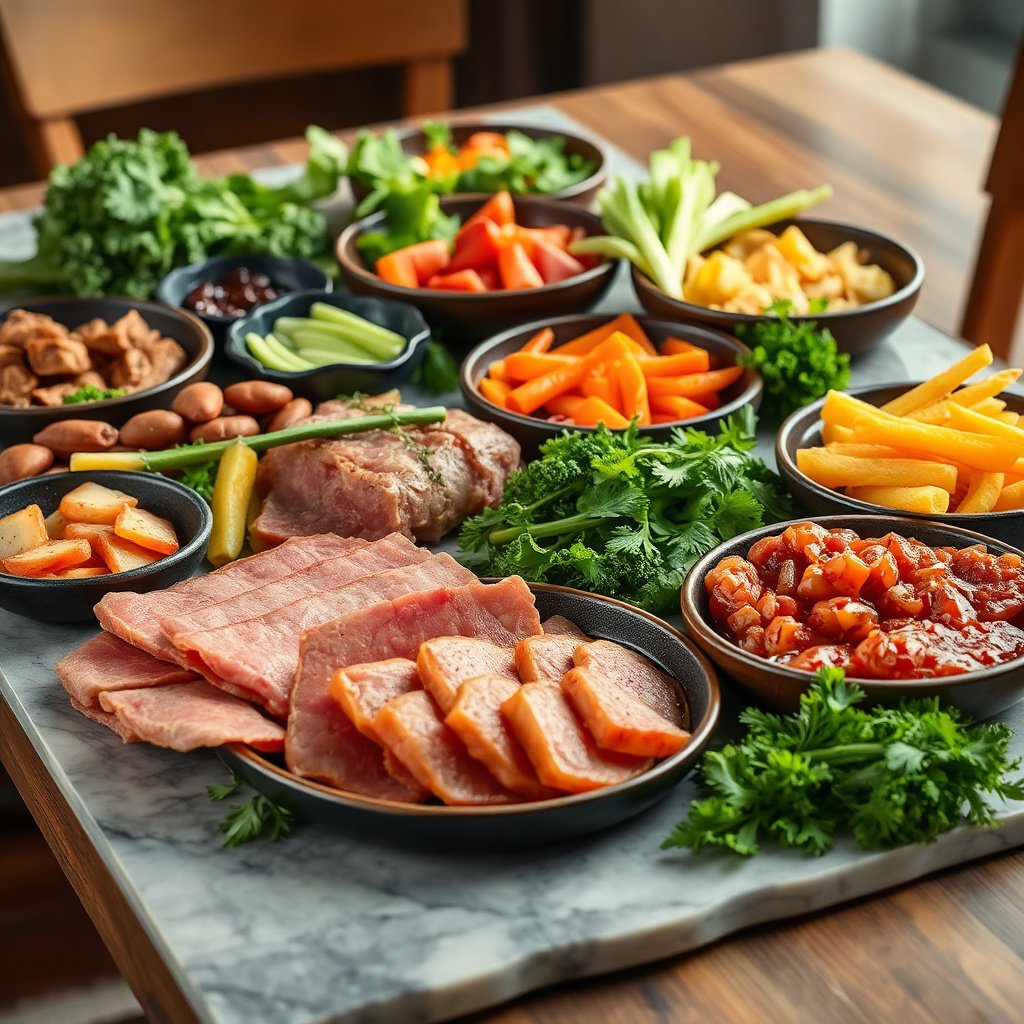
Keto works best when your meals consistently include protein sources that don’t come with breading, glazes, or added sugars. In 2026, the easiest way to keep keto stable is to make proteins your anchor and build the rest of the plate around them.
– Choose meats and seafood: steak, pork, chicken, turkey, bacon (watch added sugar), salmon, sardines, shrimp.
– Prefer minimally processed options when possible (unbreaded, no sugary sauces).
– Keep portions balanced: keto often works best when protein is enough for satiety, not excessive.
How to think about “moderate protein” on keto. The keto goal is nutritional ketosis (your body shifting toward fat-derived fuel), and that generally requires keeping carbohydrates low, not simply “eating only fat.” Still, protein is important: it helps preserve lean mass and keeps you full. Many people do well using a “hand-sized” approach (protein at roughly the size of your palm at most meals), then adjusting based on how your body responds over 1–2 weeks. Research on ketogenic diets in medical settings also reflects the typical macro emphasis on fat; for example, ketogenic therapy for epilepsy is often described as a diet providing about 70–90% of calories from fat Johns Hopkins Medicine (overview of ketogenic diet therapy; content updated in recent years).
Practical protein swaps. If you normally eat chicken breast, try replacing half your servings with fattier cuts (thighs, drumsticks) or add a keto-appropriate fat (olive oil, butter) rather than adding carbs. If you rely on “healthier” processed meats, check labels for sugar and starch fillers—some deli items have enough hidden carbohydrate to disrupt keto.
Foods to watch: “marinated” meats, teriyaki-style marinades, and “honey garlic” flavors. Even if the meat itself is fine, the sauce often determines whether you stay low-carb.
Low-carb vegetables that fit keto
Low-carb vegetables supply fiber, vitamins, and volume without driving up carbs. On a keto diet, you typically prioritize non-starchy choices first and reserve starchy vegetables for off-diet meals.
– Focus on non-starchy vegetables: leafy greens (spinach, arugula), broccoli, cauliflower, zucchini, asparagus, mushrooms.
– Add variety with herbs and seasonings instead of sweet glazes.
– If you use root vegetables (like potatoes), expect them to push you out of keto—save them for off-diet meals.
Carb reality check (with data). USDA FoodData Central lists about 1.1 g total carbohydrate per 1 cup (30 g) of raw spinach USDA FoodData Central (spinach, raw; serving basis commonly used for nutrition labels). Broccoli is still low-carb, but higher than leafy greens: about 6 g total carbohydrate per 1 cup chopped broccoli (raw) USDA FoodData Central (broccoli, raw; 1 cup chopped serving basis). These numbers are why keto vegetables can still “add up” if you eat very large portions throughout the day.
How to build plates. A simple keto plate strategy is:
– 2 fists of non-starchy vegetables (or more if you tolerate them well)
– 1 palm of protein
– 1–2 thumbs of fat (olive oil, butter, avocado, mayo—depending on your tolerance and goals)
That structure helps you avoid one of the most common keto patterns: eating “keto veggies” all day, then accidentally adding starchy extras at dinner.
Dairy on keto (what usually works)
Dairy can be keto-friendly because it’s often low in carbohydrates and high in fat, especially cheese and cream. If you’re careful with portions, many people find dairy supports satiety without breaking carb targets.
– Common keto choices: cheese, heavy cream, butter, plain Greek yogurt (portion-controlled), and sour cream.
– Watch “hidden carbs” in flavored yogurts and some creamy products—carbs can sneak in fast.
– If you’re sensitive to dairy, consider starting with butter/cheese first, then reassess.
Hidden carbs: where they usually hide. Flavored Greek yogurt is the classic problem because it may contain fruit concentrates, added sugars, or thickeners. Even “light” dairy products can include added starches or sweeteners that raise carbs. This is especially relevant in 2026, when many grocery aisles offer “keto” or “low sugar” dairy—some are truly low-carb, while others simply reduce sugar grams but still include carbohydrate sources that matter for keto.
Portion guidance that’s practical. If you include plain Greek yogurt, treat it as a “measured ingredient,” not a free snack. Start with a small serving, then check your daily carb total. If you prefer dairy but want a more predictable carb impact, choose cheese, sour cream, or heavy cream and keep yogurt as an optional swap.
If dairy doesn’t feel good: some people experience GI discomfort when they increase fat intake quickly or when lactose is an issue. Moving from butter/cheese first (as the layout suggests) is a common adjustment path—then you can re-test your tolerance.
Fats, nuts, and seeds to round out meals
Healthy fats are what make keto feel sustainable for many people, because they boost satiety and flavor while keeping carbs low. The key is portion control—keto fails less often from “too little fat” and more often from “too many extra bites.”
– Use healthy fats: olive oil, avocado oil, butter, mayonnaise (check for sugar), and avocado.
– Nuts and seeds can help with snacks and meal texture: almonds, chia seeds, flaxseed, macadamia nuts.
– Portion matters: keto can stall when “keto snacks” turn into grazing without tracking.
Fats are not automatically “carb-free.” Oils and butter are almost always carb-free, but flavored mayo, nut butters, and some “keto” spreads can include sugar alcohols or added thickeners. Check labels for total carbs per serving, not just sugar grams.
Nuts and seeds: useful, but easy to overdo. Nuts are nutrient-dense, yet they can push carbs and calories up quickly if you snack casually. Seeds (chia, flax) are often easier to measure: you can add them to meals in measured spoonfuls rather than eating handfuls.
How I plan fats to keep keto on track: I use “fat math” during planning—every meal includes a known fat source (olive oil, butter, avocado, or cheese), and snacks are limited to one measured item (like a tablespoon of chia or a small handful of macadamias). This simple structure consistently reduces the “grazing effect” that breaks keto consistency.
Keto compatibility snapshot (real food macro context)
To see how differently keto foods behave even when they’re all “low carb,” here’s a macro-based comparison built from USDA nutrient data. USDA FoodData Central (macros used to compute fat-calorie share)
7 Common Keto Foods: Carb Load vs Fat-Calorie Share (per 100g)
| # | Keto staple | Total carbs (g) | Fat-calorie share | Keto “fat emphasis” |
|---|---|---|---|---|
| 1 | Olive oil | 0.0 | 100% | ★★★★★ |
| 2 | Cheddar cheese | 1.28 | ~73% | ★★★★☆ |
| 3 | Salmon (Atlantic) | 0.0 | ~56% | ★★★★☆ |
| 4 | Chicken thighs (skin-on) | 0.0 | ~49% | ★★★☆☆ |
| 5 | Eggs | 0.72 | ~63% | ★★★★☆ |
| 6 | Broccoli | 6.64 | ~11% | ★★☆☆☆ |
| 7 | Spinach (raw) | 1.43 | ~14% | ★★☆☆☆ |
What this table tells you: Vegetables like spinach and broccoli can be keto-friendly mainly because carbs stay relatively low—not because they’re fat-heavy. Meanwhile, olive oil is “keto-forward” because it dramatically increases fat energy with essentially zero carbs.
Keto snacks, drinks, and condiment rules
Keto snacks succeed when they stay simple and measured, rather than turning into mindless portions. The same rule applies to drinks and condiments: they’re often the hidden carb channel.
– Keep it simple: olives, sugar-free gelatin (if tolerated), olives, eggs, deli meats with no added sugar (check labels).
– Drinks to choose: water, sparkling water, unsweetened tea/coffee (avoid sugar and sweetened creamers).
– Condiments to manage: sauces, dressings, and spice mixes—many contain added sugars or starches. Read labels for carbs.
Condiments are frequently the “silent carb.” BBQ sauce, teriyaki, sweet salad dressings, and some spice blends contain sugar and starch. Even ketchup—small amounts—can shift your daily carbs enough to delay ketosis.
Drinks matter more than most people expect. Unsweetened coffee and tea are usually safe, but sweetened creamers and flavored syrups are not. If you go with diet soda or zero-sugar drinks, check your personal response (some people feel more cravings, and carbonation can affect appetite).
A practical keto snack rule: pick one snack category, not five—e.g., “eggs” *or* “olives” *or* “a measured handful of nuts.” This reduces decision fatigue and keeps your carb math honest.
Foods to avoid (the carbs that derail keto)
To stay in keto, you must avoid high-sugar and high-starch foods that raise carbohydrate totals quickly. Many people fail not because of “one big mistake,” but because they underestimate how carbs accumulate across snacks, sauces, and sides.
– High-sugar foods: soda, juice, candy, desserts, and sweetened coffee drinks.
– Starches and grains: bread, rice, pasta, tortillas, oatmeal, breakfast cereals.
– “Healthy but high-carb” foods: many fruits (especially dried), starchy vegetables, and most legumes (beans/lentils).
– Watch for sugar in unexpected places: ketchup, BBQ sauce, teriyaki sauce, sweet salad dressings, and some protein bars.
How to think about fruits and “natural sugar.” Fruits can be healthy, but keto is carbohydrate-controlled. Dried fruit is especially carb-dense (small portion, big carb total). Fresh berries are sometimes included in small portions by experienced keto dieters, but as a beginner it’s often easier to start without fruit and learn your personal carb tolerance first.
Protein bars: a label trap. Many “keto bars” use sugar alcohols or fiber sources that may still count toward total carbs and can vary widely by brand. If you choose bars, treat them as measured snacks and verify carbs per serving.
What can go wrong (common keto mistakes and edge cases)
Keto slows down when the diet becomes “keto-ish” instead of truly low-carb and consistent. Most troubleshooting comes down to carbs sneaking in, protein portions drifting upward, and electrolytes being neglected—especially during the early transition.
– Eating too many “keto carbs” without realizing it: sauces, dressings, and flavored dairy often contain measurable carbs even when the meal seems keto-friendly.
– Overdoing protein: you don’t have to fear protein, but large protein portions (especially alongside carbs) can make keto harder for some people.
– Skipping electrolytes: headaches, fatigue, and cramps can happen early on—many people feel better when they address salt and hydration.
– Not planning meals: keto works easier when you repeat a short list of reliable meals (like eggs + greens + olive oil, salmon + zucchini, chicken thighs + broccoli).
– Medical edge cases: if you have diabetes, kidney disease, pancreatitis, gallbladder issues, or are pregnant/breastfeeding, keto may require extra caution and clinician input.
Strict keto vs “low-carb keto-style”: what’s the difference?
If your goal is adherence, the “best” keto approach depends on how closely you can control carbs and labels. Here’s a practical comparison many people use in 2026 to decide how strict to be.
| Feature | Strict keto | Low-carb keto-style |
|---|---|---|
| Primary carb goal | Very low daily carbs to support nutritional ketosis | Lower carbs than typical eating; may be more flexible |
| Label reading | More consistent—total carbs and serving sizes matter | Still useful, but less “micromanaged” |
| Sauces/condiments | Often limited or homemade to control carbs | May include more variety if carbs stay low |
| Protein tolerance | Portions kept moderate to avoid pushing calories/carbs upward | Often similar protein approach, but adjustments may be looser |
| Early transition experience | May include more “keto flu” without electrolyte support | Sometimes smoother for people sensitive to drastic changes |
| Typical troubleshooting triggers | Hidden carbs in dairy, sauces, and packaged “keto” snacks | Portion drift and “regular day” foods sneaking in |
| Best for consistency | People who want predictable results and simple meal repetition | People who prefer a gradual approach and can stay mostly low-carb |
| Measuring success | Carb tracking, symptom improvement, and (if used) ketone awareness | Energy, appetite control, and stable weight changes |
| Risk of drift | Lower if you track; higher if you rely on “keto marketing” only | Higher if flexibility turns into frequent higher-carb choices |
| Best for | People aiming for nutritional ketosis and tight carb control | People who want a sustainable low-carb pattern without strict tracking every day |
Keto, in both strict and low-carb forms, still needs consistency around carbs and meal design—especially if you’re adjusting in 2026 after stress, travel, or a break.
Verdict / tip (what to do next—and who should skip)
If your goal is to eat keto in a way that’s simple and sustainable, build meals around protein + low-carb vegetables + a fat you enjoy, then add dairy/nuts in portions that fit your carb tolerance. The downside: keto can feel restrictive at first, some people experience “keto flu” during the adjustment period, and label-reading becomes part of daily life.
Skip or get medical guidance first if you have a condition that needs tighter nutrition planning (especially diabetes with medication, kidney issues, or pregnancy/breastfeeding). Also pause and reassess if you notice persistent digestive issues—some dairy choices or high-fat adjustments may not agree with you.
Quick next step: pick 2–3 proteins, 2–3 vegetables, and 2 fats you like, then rotate them across the week. You’ll reduce decision fatigue and make it easier to stay consistent with keto.
Scan-and-save checklist: keto food choices
| Category | Keto-friendly examples | Quick label check |
|---|---|---|
| Protein | steak, chicken, salmon, eggs, shrimp | added sugar in sauces/deli meats |
| Low-carb veg | spinach, broccoli, zucchini, mushrooms | watch starchy sides |
| Fats | olive oil, butter, avocado oil, avocado | avoid “light” products with fillers |
| Dairy (if tolerated) | cheese, heavy cream, sour cream | carbs in flavored/processed items |
| Nuts & seeds | chia, flax, walnuts, almonds | portion control (easy to overeat) |
| Drinks | water, unsweetened tea/coffee | no sugar or sweetened creamers |
Fast rule: If a food tastes sweet or comes from flour/rice/sugar/root vegetables, it’s usually not keto.
Frequently Asked Questions
What foods can I eat on a keto diet for breakfast?
On a keto diet, breakfast options often include eggs (scrambled, omelets, or frittatas), full-fat Greek yogurt or cottage cheese (check carbs), and low-carb vegetables like spinach, mushrooms, and avocado. You can also use keto-friendly fats such as butter, olive oil, and coconut oil in your meals. If you want something quick, try chia pudding made with unsweetened almond milk and heavy cream, keeping an eye on net carbs.
How do I choose keto-friendly vegetables and fruits?
For keto, focus on low-carb vegetables such as leafy greens, broccoli, cauliflower, zucchini, peppers, and asparagus, since these fit well into typical keto carb limits. Fruits are usually limited because many have higher natural sugars, so berries like strawberries, raspberries, and blackberries are often the best choices in small portions. Always check nutrition labels for net carbs and aim to stay within your daily keto targets.
Why are carbs so important on a keto diet when picking foods to eat?
Keto relies on keeping carbohydrate intake low enough to shift your metabolism into ketosis, where your body burns fat for fuel instead of glucose. That’s why keto foods are generally non-starchy and high in healthy fats, moderate in protein, and low in carbs. Even “healthy” foods like fruit, grains, beans, and starchy vegetables can add carbs quickly and may make it harder to maintain ketosis.
Which dairy products are best for keto and what should I avoid?
Many people do well with full-fat dairy like cheese, butter, heavy cream, and plain Greek yogurt because they’re typically lower in carbs and higher in fat. Cottage cheese can work for some, but portion size matters since it contains more carbs than hard cheeses. Avoid or limit low-fat or sweetened yogurts, milk, and flavored dairy products because they often contain added sugar or higher carbohydrate content.
What are the best keto snacks and foods to eat when cravings hit?
Great keto snack foods include nuts (macadamia, walnuts, almonds), olives, cheese, boiled eggs, and avocado with olive oil or lime. If you want something packaged, choose keto-friendly snacks with low net carbs and no added sugar alcohols you don’t tolerate well. For sweet cravings, try sugar-free options like whipped cream or dark chocolate with high cocoa and minimal sugar, always checking the label for net carbs.
📅 Last Updated: November 03, 2026 | Topic: what foods do you eat on keto diet | Content verified for accuracy and freshness.
References
- Ketogenic diet
- https://www.britannica.com/topic/keto-diet
- https://pubmed.ncbi.nlm.nih.gov/?term=ketogenic+diet+foods+to+eat
- Checking your browser – reCAPTCHA
- Mayo Clinic
- Search results for keto diet what to eat – NHS
- Search results
- https://scholar.google.com/scholar?q=foods+to+eat+on+the+keto+diet Google Scholar
- https://scholar.google.com/scholar?q=ketogenic+diet+food+composition+fat+protein+carbohydrate Google Scholar
- https://scholar.google.com/scholar?q=keto+diet+allowed+foods+ketogenic+diet+guidelines Google Scholar
