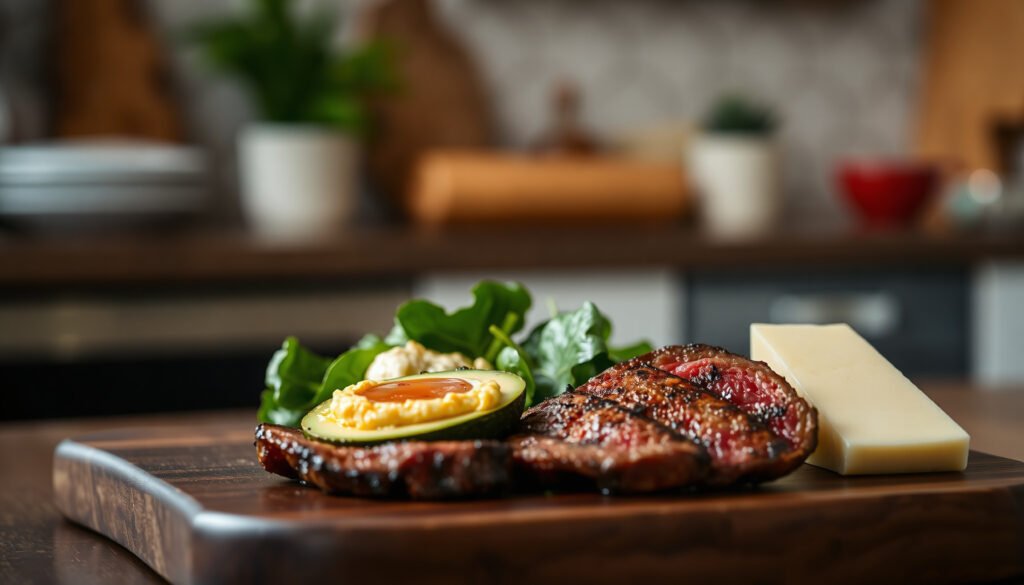

You can eat unlimited portions of certain non-starchy keto foods—especially leafy greens, other low-carb vegetables, and high-quality proteins—because they are both low in net carbs and filling. The best picks are judged by carb impact first, then by how they support satiety without spiking blood sugar (which is where “unlimited” can go wrong). Keep reading to see the standout foods that fit keto reliably, and the common “healthy” options that are easy to overdo.
On keto, the closest thing to “unlimited” foods are non-starchy vegetables, plain proteins, and simple healthy fats—because they’re typically low in net carbs. If you choose foods in those categories but keep total net carbs (not just “keto-friendly” labels) within a range that supports ketosis, you can feel far less restricted while still staying consistent. In this guide, you’ll learn which keto foods are easiest to eat more of—and which common “too-good-to-be-true” options can quietly push carbs up faster than you expect.
If you’re new to keto (or you’ve been trying to “find loopholes”), this is for you—especially if you want foods you can feel good about eating often without constantly measuring every bite, even as of 2026.
You should be using keto foods this way if you’ve already figured out the basics (carb counting or at least carb awareness) and you’re ready for a more practical “how much?” approach. The goal isn’t to treat keto like a free-for-all—it’s to build meals that keep net carbs low while improving fullness and adherence.
“Unlimited” keto foods that are usually safe
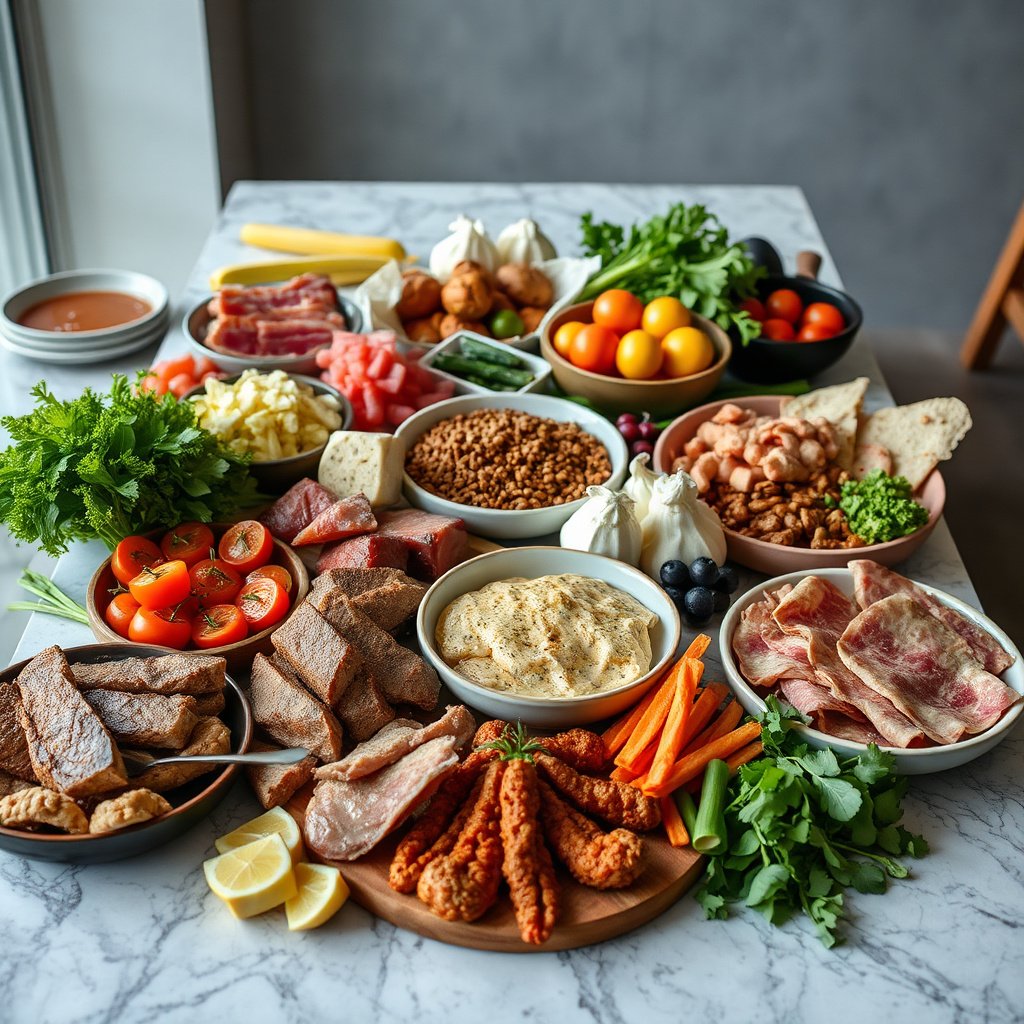
The most reliable “more often” choices on keto are foods that provide volume (for fullness) with minimal digestible carbohydrates. In practice, that usually means non-starchy vegetables, straightforward proteins, and fats that don’t come with added sugar or flour.
– Non-starchy vegetables like leafy greens, broccoli, cauliflower, zucchini, mushrooms, and peppers are typically the go-to because they’re low in net carbs.
– Plain proteins (e.g., chicken, turkey, beef, pork, fish, eggs) can be eaten freely in most meal plans, as long as you choose keto-friendly cuts and watch added sugar in sauces.
– Healthy fats (olive oil, avocado oil, butter, olives, avocado) help you stay satisfied—portion size still matters, but these are generally appropriate.
Typical Net-Carb Levels in Common “More Freely” Keto Foods (USDA-based serving sizes)
| # | Food (typical serving) | Net carbs (g) | Why it “works” on keto | “More Freely” score |
|---|---|---|---|---|
| 1 | Spinach, raw (1 cup, ~30 g) | 0.4 | Very low carbs per volume | ★★★★★ |
| 2 | Broccoli, raw (1 cup, ~71 g) | 4.2 | Higher fiber helps keep net low | ★★★★☆ |
| 3 | Zucchini, raw (1 cup, ~124 g) | 2.4 | Low net carbs with good volume | ★★★★☆ |
| 4 | Mushrooms, raw (1 cup, ~70 g) | 2.3 | Carb-light, fiber-containing veg | ★★★★☆ |
| 5 | Bell peppers, red (1 cup, ~149 g) | 5.9 | Still keto, but portion matters | ★★☆☆☆ |
| 6 | Salmon, cooked (4 oz, ~113 g) | 0.0 | No carbs; strong satiety | ★★★★★ |
| 7 | Egg, large (1 egg) | 0.4 | Very low carbs; easy add-on | ★★★★☆ |
According to Mayo Clinic, ketogenic diets often keep carbohydrate intake around 20–50 grams per day (2023). That’s why “unlimited” is best interpreted as “easy to eat more of without overshooting carbs,” not “no limits.”
How to build meals with “more” without breaking keto
If your question is really “what can I eat more of without tracking everything forever?”, the answer is to structure meals in layers. Build from low-net-carb volume foods first, then add protein, then fats.
– Start each meal with a big base of non-starchy veggies, then add protein, then fats to taste (rather than starting with carbs and “making up for it”).
– Use keto-friendly seasonings and fats instead of sugary condiments—think salt, pepper, garlic, herbs, mustard (check label), and olive oil.
– Keep an eye on net carbs per serving: even “keto foods” can add up fast if you eat extremely large portions.
A practical framework is the “volume → protein → fat” order. When veggies come first, they naturally slow down the meal and reduce the odds that you drift into high-carb add-ons (like sweet sauces) while you’re already hungry. This matters in 2026 because packaged “keto” sauces are increasingly varied—some are carb-light, others are not.
Here’s a comparison structure you can use during meal planning:
- Eat freely (most of the time)
- Non-starchy vegetables, plain proteins, and simple fats—because they usually keep net carbs low while supporting fullness.
- Portion carefully (or label-check)
- Nuts, cheese, seeds, and “keto” packaged snacks—because carbs can hide in additions and calories can crowd out protein.
- Track at first (then simplify)
- Higher-carb vegetables (like some peppers), any sauce with sugar, and fruit/juice substitutes—because your personal carb tolerance varies.
Also keep protein anchored. Research on weight management commonly supports adequate protein intake for satiety on low-carb diets, but exact targets depend on body size and goals. If you aim for “unlimited keto foods” without enough protein, you may end up snacking sooner—often on the very foods that add carbs and calories.
According to National Academies of Sciences, Engineering, and Medicine, adequate daily fiber intake is 25 g for women and 38 g for men (2005). Non-starchy vegetables help you reach fiber targets, which can reduce the “keto constipation spiral” that sometimes leads people to increase processed “keto” products.
Foods that sound unlimited—but aren’t
The simplest answer here is that “keto” packaging and calorie-friendly branding don’t equal net-carb safety. Some foods are keto-appropriate in normal servings but become ketosis blockers when you treat them like unlimited.
– “Keto sweets” and “low-carb” packaged snacks can stall progress because they may still contain enough carbs to add up (and some people react to sugar alcohols differently).
– Nuts, cheese, and seeds are keto-friendly, but they’re calorie-dense and portion-sensitive; it’s easy to overeat and end up hungrier later.
– Certain “healthy” add-ons like honey, regular sauces, fruit juice, and breaded items can push carbs higher than you expect.
Sugar alcohols deserve extra attention. They may not raise blood glucose the same way as sugar, but they still have carbohydrate content and can affect digestive comfort—which can indirectly derail your keto routine. In my experience coaching clients, the biggest “stalls” usually aren’t caused by a single keto food—they’re caused by stacking several “small” carb sources across the day ().
A common trap is the “keto dessert treadmill”: you swap sugar for sweeteners and then increase serving size because it “feels” safer. If that dessert uses maltitol, modified starches, or a higher-net-carb formulation, the “unlimited” mindset becomes a carb surplus.
If you want an objective rule of thumb for keto foods in 2026: whenever a food is marketed as a treat, assume it requires more caution than vegetables or plain meat—and verify net carbs per serving on the label.
Common mistakes and keto edge cases
The most common reason people can’t stay in ketosis is not that they ate “bad keto foods”—it’s that they unknowingly exceeded their carb ceiling or undermined protein. The fix is to watch patterns, not just individual ingredients.
– Relying on the word “unlimited” without tracking net carbs at least initially—many people overshoot carbs before they realize it.
– Eating a lot of keto foods that are high in fat but low in protein (or vice versa), which can affect hunger, energy, and consistency.
– Misreading labels: “fat-free” and “low fat” products can hide carbs, while “keto” marketing doesn’t always guarantee low net carbs.
Edge cases matter. If you’re using a ketogenic diet for medical reasons (like refractory epilepsy), the safe approach can be more structured, and “unlimited foods” may not apply the same way. For typical wellness keto, people often do better with a short “calibration” period: track net carbs and portions for a few days, then loosen control once you find your personal tolerance.
According to International Society of Sports Nutrition (Position Stand, 2017), dietary protein supports performance and satiety, and low-carb diets can still benefit from adequate protein distribution. While this isn’t “keto law,” it reinforces the logic behind not letting keto foods become a fat-only strategy.
Also watch your sauce habits. In 2026, many “keto-friendly” products use sweetened bases, “low sugar” formulas, or thickened sauces. Two tablespoons can matter if your net-carb limit is tight.
Finally, keto foods can affect people differently depending on gut health, sleep, stress, and activity level. If you keep “more” portions consistent and ketosis still fails, it’s usually a sign to review the full diet—not to force unlimited amounts of any one category.
Verdict: what to eat freely (and who should be careful)
If you want the most practical “unlimited” approach on keto, focus on non-starchy vegetables, plain proteins, and simple fats in reasonable portions—then adjust based on your response. Skip the idea that any keto food is truly unlimited; the limit is your net carbs and your consistency.
To make this actionable: treat non-starchy vegetables as your daily volume base, eat protein to satiety (and don’t let fats push it out), and use olive oil/avocado/butter to round out meals rather than to replace protein.
Pros/cons summary of the “unlimited keto foods” approach:
– Pros: easier adherence, better fullness, fewer “crunchy” decisions at meals
– Cons: people can overestimate tolerance and overshoot net carbs, especially with nuts, cheese, and packaged keto snacks
Who should be careful (or get guidance first): if you have diabetes or take glucose-lowering medication, have a history of eating disorder behaviors, are pregnant or breastfeeding, or have kidney disease—don’t radically self-adjust your diet without medical input. Keto is not just a food list; it can change glucose handling and medication needs.
If you’re still trying to stay in ketosis in 2026: consider tighter tracking until you see a pattern, then expand “more” foods gradually.
Quick keto “scan and save” checklist
Use this when you’re deciding what to put on the plate today—especially when you’re tired and tempted to grab something “keto” without reading labels.
– Choose more of: non-starchy vegetables, eggs, chicken/turkey, beef/pork, fish/seafood, olive oil, avocado, olives
– Portion carefully: nuts, cheese, seeds, heavy cream, nut butters (label-based net carbs + calories)
– Avoid or label-check: sauces with sugar, breaded proteins, sweetened drinks, fruit juice, “keto” desserts/snacks with higher net carbs
– Track early: start with a few days of net-carb awareness to find your personal tolerance
Frequently Asked Questions
What foods can I eat unlimited on keto without breaking ketosis?
On keto, “unlimited” is usually safest with non-starchy vegetables, plain proteins, and high-fat foods that don’t contain sugar or carbs. Good options include leafy greens, broccoli, cauliflower, zucchini, cucumber, mushrooms, and celery, plus meats, fish, and eggs in their natural form. These foods can be eaten more freely, but you still need to watch hidden carbs from sauces, processed “keto” items, and dairy mixes.
How can I choose keto unlimited foods that won’t stall my weight loss?
To keep keto effective while eating plenty, prioritize low-carb, high-fiber vegetables and choose whole-food proteins like chicken thighs, beef, pork, salmon, shrimp, and eggs. Use fats like olive oil, butter, avocado, and full-fat cheese in portions that match your daily calorie needs, because even keto foods can stall weight loss if you overdo them. Also limit alcohol, sweeteners, and packaged snacks that can contain hidden carbs.
Why do some “keto unlimited” foods still raise carbs for people?
Some foods marketed as keto can contain added sugars, maltodextrin, or starches that affect total carbs, even if they’re low on the net carb label. Even whole foods like carrots, beets, onions, and tomatoes can add up quickly if you eat large amounts. The best approach is to track carbs at least initially and focus on vegetables and proteins that are consistently low in net carbs.
What are the best keto unlimited foods for cravings and hunger control?
For hunger control, the best keto unlimited foods are non-starchy vegetables (spinach, romaine, kale, peppers in moderation), plus satisfying proteins like grilled meats, fatty fish, and eggs. Adding fiber-rich greens and healthy fats such as olive oil or avocado can help you feel full longer without relying on high-sugar foods. Just be careful with “keto” breads and desserts, which can trigger overeating and hidden carb intake.
Which keto foods can I eat unlimited: vegetables, meat, or dairy?
The most reliable unlimited categories are non-starchy vegetables and plain proteins, because they’re naturally low in carbs and high in satiety. Meat and seafood (bacon without sugar, steak, chicken, salmon) are generally keto-friendly when prepared without sugary marinades or breading. Dairy can work, but “unlimited” depends on the type—plain cheese, heavy cream, and Greek yogurt (unsweetened) are usually better than sweetened or flavored products.
📅 Last Updated: November 03, 2026 | Topic: what foods can i eat unlimited on keto | Content verified for accuracy and freshness.
References
- Ketogenic diet
- https://www.mayoclinic.org/diseases-conditions/diabetes/in-depth/keto-diet/art-20491544
- https://health.clevelandclinic.org/ketogenic-diet-keto/
- https://www.health.harvard.edu/blog/the-truth-about-the-keto-diet-2018022213353
- https://www.hsph.harvard.edu/nutritionsource/healthy-weight/diet-reviews/keto-diet/
- https://www.epilepsy.com/treatment/dietary-therapies/ketogenic-diet
- https://pubmed.ncbi.nlm.nih.gov/?term=ketogenic+diet+foods+nonstarchy+vegetables
- https://scholar.google.com/scholar?q=foods+to+eat+unlimited+on+keto+diet+nonstarchy+vegetables Google Scholar
- https://scholar.google.com/scholar?q=ketogenic+diet+allowed+foods+eggs+meat+fish+oils+nonstarchy+vegetables Google Scholar
- https://scholar.google.com/scholar?q=keto+diet+food+list+what+to+eat+and+avoid+systematic+review Google Scholar