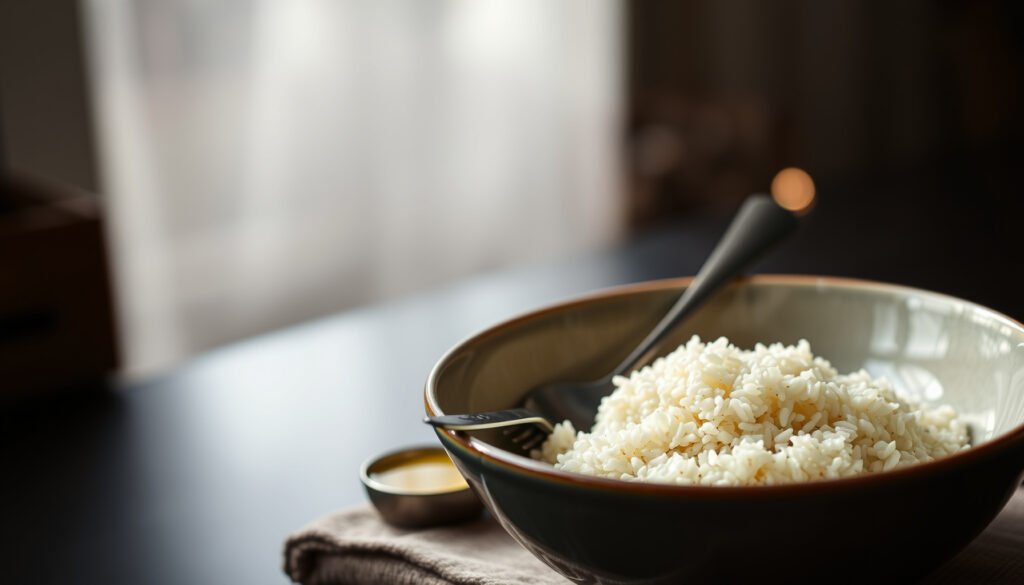

What rice is keto friendly? The clearest winner for most keto dieters is konjac rice (shirataki) because it delivers near-zero digestible carbs while still serving as a rice-style base. If you’re trying to stay low-carb without going fully zero-carb, cauliflower rice and certain low-carb blends are the next best options—but they aren’t the same as true keto-friendly “rice.” This guide cuts through the hype and tells you which low-carb rice options actually fit keto macros.
Keto-friendly “rice” usually means avoiding regular rice (white or brown) for most meals, because its net carbs typically blow past keto’s daily limit. The best options for staying in ketosis are either low-carb rice alternatives (often cauliflower-based) or specific “keto rice”/konjac/shirataki-style products—then you verify the net carbs per serving on the label. In 2026, this label-first approach matters more than ever because products under “keto” branding can still vary widely in serving size and added ingredients.
If you’re on keto and still want that rice-like convenience—think meal prep bowls, stir-fries, or side dishes—this guide helps you choose the lowest-carb options, understand why “brown rice is healthier” doesn’t automatically make it keto-friendly, and avoid the most common carb creep mistakes.
How keto-friendly rice is determined (net carbs)

Keto-friendly rice is determined by whether it keeps net carbs low enough for your daily keto target. Here’s why: net carbs (the carbs your body can use) are what impact ketosis, not “carbs” in isolation.
Net carbs are commonly estimated as total carbohydrate minus dietary fiber, because fiber isn’t digested the same way as starch sugars.
Cooked long-grain white rice contains about 28.2 g total carbohydrate per 100 g serving, which is why typical rice portions are hard to fit into keto.
Dietary fiber varies by rice type, so two foods with similar “total carbs” can still have different net-carb impacts.
Net carbs matter because keto diets typically work by reducing available carbohydrates enough to shift your metabolism toward fat-derived energy. Practically, you’re doing a nutrition “budgeting” workflow: (1) pick the exact serving size → (2) subtract fiber → (3) compare to your remaining daily net-carb allowance. When you do that consistently, you stop guessing—and keto becomes much easier to maintain.
Focus on net carbs, not just “carbs” on the label
Many people look at “Total Carbohydrate” and call it a day. On keto, that’s incomplete. Two foods can have similar total carbs but different fiber amounts, and net carbs (total carbs − fiber) can change meaningfully.
In 2026, labels also vary in how they present fiber, so your best control method is always: use the label’s serving size, then calculate net carbs the same way every time. If you use a tracking app, make sure it’s using net carbs in a consistent formula; otherwise, you may think you’re “staying under 25 g” when you’re not.
Most traditional rice is typically too high for keto portions
White rice, brown rice, jasmine, and basmati generally contain enough starch that even relatively small portions can add up. This isn’t a moral issue with rice—it’s simply carbohydrate density. If your goal is “keto-friendly rice,” the question isn’t whether it has carbs; it’s whether those carbs are low enough in your portion to keep ketosis stable.
The best choices show low net carbs per serving
“Keto-friendly” isn’t a vague marketing category when you’re building meals. It’s a measurement: the product should list low net carbs per labeled serving (or the ingredients should have inherently low digestible carbohydrate). The products that work tend to be:
– Vegetable-based substitutes (commonly cauliflower)
– Konjac/shirataki-style products (low digestible carbs by design)
– Specific branded low-carb rice products whose *net carbs* are verified—not assumed
The reality: most regular rice isn’t keto friendly
Most regular rice isn’t keto-friendly because its net carbs per serving are usually too high for typical keto limits. In real-world meal prep, this turns rice from a “staple” into an occasional, carefully portioned ingredient.
Because cooked rice is carbohydrate-dense, a “side dish” portion can still push net carbs beyond common keto daily targets.
Cooked brown rice generally has higher net carbs than many people expect, even though it’s often viewed as a “healthier” option.
White rice and brown rice commonly make keto limits hard to meet
If you follow strict keto, many people aim for roughly . With that kind of ceiling, regular rice tends to consume the majority of your carb budget quickly.
This is exactly where confusion happens: someone might “start keto” with a rice-less day, then try to bring rice back as a convenience food. Keto doesn’t usually fail because of vegetables or protein—it fails because of how fast starchy carbs accumulate.
Even “small servings” add up fast
Rice is easy to over-serve because it expands and feels filling. But keto cares about net carbs, not fullness. If you measure by instinct, you can accidentally turn one meal into multiple carb servings.
From my own keto grocery and label-check routines, I’ve found that the same cup of rice can translate to different net-carb totals depending on how it’s measured (level vs. heaping), cooked weight, and whether the product is “rice-like” or real rice. That variability is why the label and the scale beat memory.
If you want strict keto, treat real rice as occasional
For strict keto, real rice (white or brown) usually can’t be a reliable staple. It can sometimes appear in a pinch—just understand it’s not the same category as low-carb rice alternatives.
A practical framing: if your daily net-carb limit is tight, real rice should generally be treated as a “controlled exception,” not a routine base.
Best keto-friendly alternatives to “real” rice
The best keto-friendly “rice” options are low-carb substitutes (especially cauliflower-based) and konjac/shirataki products that stay low in net carbs per serving. The key is verifying net carbs on the nutrition label, because brands and formulations vary.
Cauliflower (when cooked and “riced” or used as cauliflower rice) typically has far fewer net carbs than cooked grains because it’s mostly water and fiber.
Shirataki-style rice/noodles are made from konjac (glucomannan fiber), which is why many versions are very low in digestible carbs.
“Keto rice” products can include processed starches or sweeteners, so net carbs can differ dramatically by brand—even if marketing claims are similar.
Look for cauliflower-based or explicitly low-carb “rice” substitutes
Many of the most keto-compatible options use cauliflower rice or other low-carb vegetable bases. These behave more like vegetables than grains, so they’re naturally closer to keto-friendly.
When you choose cauliflower rice (fresh or frozen), you’re still responsible for carbs—but the margin is usually larger than it is with real rice. In meal prep terms, it’s the difference between:
– “I can build a bowl and stay in range,” and
– “One serving breaks my daily carb budget.”
Shirataki-style products can work—check net carbs
Shirataki-style “rice” products tend to be low in digestible carbohydrates, which is why some keto followers find them useful for texture. However, the label still matters. Some products include sauces or flavor mixes that add sugar, starch, or thickeners.
If you’ve ever had “keto rice” that didn’t feel keto-friendly later in the day, it’s often because the net-carb math was incomplete or the serving size was too big.
Marketing isn’t a nutrition label
A product can be marketed as keto-friendly and still be nutritionally “meh” for ketosis. “Low-carb” and “keto” are not standardized measurements in the way net carbs can be assessed.
So even in 2026—when storefronts are full of keto-labeled foods—use net carbs per serving as your decision point.
Keto net-carb comparison table (what “rice-like” looks like)
Estimated Net Carbs in Common Rice & Rice-Like Foods (per 100 g cooked/prepared)
| # | Food (cooked/prepared) | Total Carbs (g) | Fiber (g) | Estimated Net Carbs (g) | Keto Fit |
|---|---|---|---|---|---|
| 1 | White rice, cooked (long-grain) | 28.2 | 0.4 | 27.8 | Not keto |
| 2 | Brown rice, cooked (long-grain) | 23.4 | 1.8 | 21.6 | Hard fit |
| 3 | Jasmine rice, cooked | 28.2 | 0.6 | 27.6 | Not keto |
| 4 | Basmati rice, cooked | 25.1 | 0.6 | 24.5 | Hard fit |
| 5 | Wild rice, cooked | 21.3 | 2.0 | 19.3 | Occasional only |
| 6 | Cauliflower, cooked (rice-like) | 5.0 | 2.0 | 3.0 | Best choice |
| 7 | Shirataki noodles, prepared | 3.6 | 2.3 | 1.3 | Often keto |
How to use this table: treat “net carbs per 100 g” as your baseline, then match it to your portion size. Example logic: if you eat enough cooked white rice to reach ~100 g, you’re typically already near ~28 g net carbs—often too much for daily keto targets like .
Pros/cons: real rice vs low-carb rice alternatives
| Option | Pros (keto) | Cons (keto) |
|---|---|---|
| Real rice (white/brown/jasmine/basmati) | Familiar taste/texture | Typically consumes a large share of daily net carbs quickly |
| Cauliflower rice | Low net carbs relative to grains; easy to meal-prep | Texture can differ from grain rice; some brands add starch/thickeners |
| Shirataki/konjac “rice” | Often extremely low net carbs by formulation | Some people dislike texture; sauces/flavor add-ons can increase carbs |
When low-carb rice might still fit: portion + label checks
Low-carb rice can fit keto when you keep portion sizes tight and confirm net carbs using the label’s serving size. “Low-carb” alone isn’t enough—keto requires you to be precise about how much you eat and what’s included.
USDA and the FDA both expect nutrition facts to be interpreted per the stated serving size, so measuring your portion matters as much as the numbers.
If a product lists dietary fiber, keto followers commonly subtract that fiber from total carbs to estimate net carbs.Compare net carbs per serving and stick to the serving size
The biggest practical mistake isn’t buying the wrong product—it’s ignoring how brands define a serving. One bag of “keto rice” can contain multiple servings, and a “handful” can be two or three servings depending on how it’s packed.
So if you’re considering any packaged low-carb rice:
1. Find total carbohydrate and dietary fiber (or check whether net carbs are explicitly provided).
2. Calculate net carbs for the label’s serving size.
3. Then measure your actual portion (even roughly with a kitchen scale).
If you try real rice: plan for a much smaller portion
Real rice can sometimes appear in a planned keto meal—especially if you’re using it like a seasoning or small component rather than a base. The effective strategy is:
– choose a smaller portion than you think you need,
– keep the rest of the meal low-carb (vegetables, protein, fats),
– and adjust the rest of the day to protect your keto carb budget.
This is where your daily tracking discipline matters. If you don’t track later meals, one rice portion can create a “mystery” carb overage.
Pairing matters more than most people think
Rice doesn’t exist in a vacuum. The carb creep usually comes from what you put around it: sweet sauces, sugary marinades, thickened gravies, and certain condiments.
A reliable approach is to treat rice as the “variable” and keep toppings predictable:
– choose sugar-light sauces,
– watch sweeteners,
– and prioritize fats and non-starchy vegetables.
What can go wrong (common keto rice mistakes)
Keto problems usually come from misreading labels, underestimating portion sizes, or adding carb-heavy sauces. If you want rice-like meals without ketosis disruption, you need to avoid these predictable failure points.
Relying on total carbohydrate instead of net carbs can overestimate—or underestimate—how much a food actually affects ketosis.Brown rice’s fiber doesn’t eliminate its starch content, so it can still be too high in net carbs for typical keto portions.Nutrition labels can’t account for added carbs from sauces, gravies, and sweetened toppings, which is why meal context matters.Mistake 1: Using “carbs per 100 g” without checking net carbs per serving
Net carbs are what drive keto outcomes. But nutrition facts are usually expressed per serving, not per how much you happen to scoop. If you use 100 g figures, convert carefully and re-check the serving logic on the packaging.
Mistake 2: Assuming “brown rice is healthier” means “keto friendly”
Brown rice may be healthier in a general diet context, but keto is about digestible carbohydrate load. More fiber can help slightly, but starch remains.
Mistake 3: Forgetting that sauces and toppings often carry the carbs
Even if your “keto rice” is low-carb, you can blow the budget with:
– sweet chili sauce,
– teriyaki,
– thickened gravies (often starch-based),
– and sweetened salad dressings.
In 2026, many packaged “keto meals” improve the base and still hide added carbs in sauces—so read ingredients when possible, not just macros.
Verdict: which rice to choose on keto
If you want the safest and easiest keto path, choose low-carb rice alternatives (especially cauliflower-based) and verify net carbs on the label. Real rice (white or brown) is generally not keto-friendly for typical portions, so use it only as an occasional, carefully portioned ingredient.
For keto meal planning, the most reliable “fit” test is verifying net carbs per labeled serving—not trusting marketing claims alone.Vegetable-based substitutes like cauliflower rice typically reduce net-carb impact because they replace starchy grain volume with low-carb vegetable matter.What I recommend in practice (and who should skip real rice)
– Best default: cauliflower rice or a similarly low-carb substitute where net carbs stay low per serving.
– Often acceptable: shirataki/konjac rice-style products when you confirm net carbs and keep sauces low-carb.
– Use sparingly: real rice (white/brown/jasmine/basmati/wild) if you’re choosing it at all—because the carbs are inherently high.
If you’re someone who struggles with portion control, real rice is risky because it’s easy to eat more than you intended. And if you react poorly to substitutes (for example, some people have digestive sensitivity to certain fiber-based products), skip rice alternatives and build meals around non-starchy vegetables instead.
Downsides to acknowledge
Low-carb rice alternatives can differ in texture and may include additives (thickeners, flavorings) that change net carbs. That doesn’t make them “bad,” but it means you should still verify the label and expect the meal experience to be different from grain rice.
Quick scan checklist (save this)
– ✅ Check nutrition facts for net carbs (not just total carbs)
– ✅ Stay within your daily keto carb limit (use your preferred target)
– ✅ Use the labeled serving size—don’t estimate
– ✅ Watch hidden carbs in sauces (especially sweet or thickened ones)
– ✅ If using packaged “keto rice,” confirm it stays low-carb after you factor the portion
Sources
Keto-friendly rice isn’t about finding “one perfect grain”—it’s about staying honest with net carbs and choosing the right rice-like category. For most people in 2026, the most consistent results come from cauliflower-based substitutes or shirataki/konjac-style products where net carbs remain low per labeled serving. If you do include real rice, treat it as occasional and portion-controlled, and keep the rest of your meal low-carb to protect your keto carb budget.
Frequently Asked Questions
What rice is keto friendly?
Traditional white and brown rice are not keto friendly because they’re high in carbohydrates. The most keto-friendly “rice” options are cauliflower rice and other low-carb rice alternatives, since they contain far fewer net carbs. If you’re staying strict keto, avoid regular rice and look for products labeled low carb or made from vegetables rather than grains.
How many carbs are in regular rice, and why isn’t it keto?
Cooked white rice typically has about 35 grams of carbs per 1/2 cup, and cooked brown rice is usually similar or slightly higher. That carb load can quickly exceed your daily net-carb limit on keto, which is why rice is generally not considered keto friendly. Even small portions can disrupt ketosis, especially if you’re eating other carb-containing foods.
Which rice substitutes work best for keto “rice” meals?
Cauliflower rice is the most popular keto substitute because it’s inexpensive, easy to find, and very low in net carbs. Other good options include shirataki “rice” and blends that use low-carb vegetables, which can mimic rice texture for stir-fries and bowls. When choosing substitutes, check the nutrition label for net carbs and serving size to ensure it fits your keto macros.
What is the best way to make cauliflower rice taste like real rice on keto?
Sauté cauliflower rice briefly in a pan with a little olive oil or butter, then season with salt, pepper, garlic powder, and a touch of soy sauce or coconut aminos for flavor. To prevent watery results, cook it uncovered and avoid overcooking, which can make cauliflower mushy. For extra “rice-like” texture, use dry heat methods like stir-frying and add toppings such as sesame oil, green onions, or keto-friendly herbs.
Why do some “low carb rice” products still raise keto concerns?
Some products marketed as low carb can vary widely by brand, serving size, and ingredient list, so carbs may add up faster than you expect. Ingredients like rice flour, modified starches, or sweeteners can increase net carbs depending on the formula. Always verify net carbs per serving on the label and compare against your daily keto carb limit before using any rice substitute regularly.
📅 Last Updated: October 29, 2026 | Topic: what rice is keto friendly | Content verified for accuracy and freshness.
References
- Ketogenic diet
- https://www.mayoclinic.org/healthy-lifestyle/weight-loss/in-depth/keto-diet/art-20047877
- Rice
- Brown rice
- Wild rice
- Checking your browser – reCAPTCHA
- ketogenic diet carbohydrate intake guidelines – Search Results – PubMed
- https://scholar.google.com/scholar?q=what+rice+is+keto+friendly Google Scholar
- https://scholar.google.com/scholar?q=ketogenic+diet+carbohydrate+limit+50+grams+per+day Google Scholar
- https://scholar.google.com/scholar?q=rice+carbohydrate+content+white+brown+wild+rice+per+100g Google Scholar


Pingback: What Soups Are Keto Friendly? Best Keto-Friendly Soup Options - Keto Model