

Yes—you can have sweet potato on keto, but only if you control carbs and portions tightly. This guide lays out the exact carb reality, how many grams you can realistically fit into your daily keto limit, and what swaps to use when sweet potato pushes you over. You’ll get a clear verdict on when it works on keto and when it doesn’t.
Yes, you can have sweet potato on keto, but it usually won’t fit well for most people because it’s relatively high in carbs. If you’re strict about staying under your daily net-carb limit, sweet potato is typically an “occasional, small portion” food rather than a staple. In this post, we’ll break down carbs, how to decide if it fits your keto targets, and what to consider as easier low-carb swaps.
Sweet Potato on Keto: The Real Carb Issue
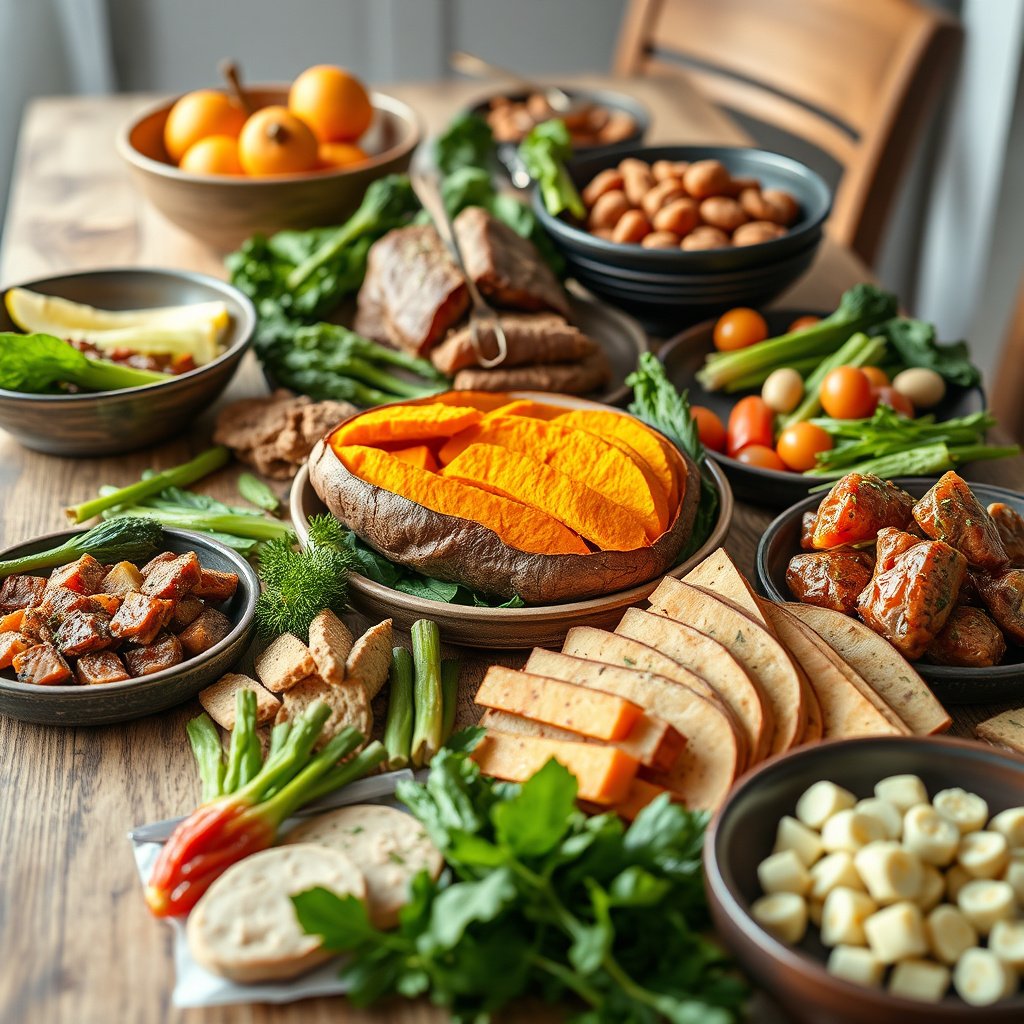
Sweet potato can be keto, but the carb load is the limiting factor for most people. If your goal is to maintain ketosis consistently, sweet potato often behaves more like a “starch with micronutrients” than a “keto vegetable.”
– Sweet potato is naturally higher in net carbs than many standard keto vegetables.
– Whether it works for you depends on your personal daily net-carb limit and portion size.
– Even “healthy” carbs can stall ketosis if they push you over your threshold.
Net carbs are typically calculated as total carbohydrates minus dietary fiber, because fiber isn’t digested the same way as sugar starches.
Sweet potato still contains meaningful carbohydrates even when it’s whole-food and unprocessed, which is why portion size becomes the main lever on keto.
USDA FoodData Central lists carbohydrates and fiber for sweet potato, allowing you to estimate net carbs by subtracting fiber.
Why sweet potato is “carb-dense” on keto
Keto success usually comes down to one thing: whether your carbohydrate intake stays low enough to keep ketones elevated. Sweet potato doesn’t inherently “break keto,” but it can push your daily carbs fast because it’s starchy.
According to USDA FoodData Central, sweet potato baked in skin (per 100g) contains about 20.7g total carbohydrate and about 3.0g fiber, which implies roughly ~17.7g net carbs (20.7 − 3.0). That’s already close to many people’s strict daily carb ceilings.
According to USDA FoodData Central, sweet potato baked in skin (1 cup, ~206g) provides about 41.7g total carbohydrate and about 6.6g fiber, implying roughly ~35.1g net carbs (41.7 − 6.6). For most “strict” keto plans, that’s too much for a single serving.
And according to , many keto approaches commonly fall in the ~20–50 g net carbs/day range—meaning sweet potato can consume a large share of the day’s allowance.
The hidden variable: “net carbs” may not be treated the same way by everyone
The term net carbs is widely used, but it’s not always universal. Some keto practitioners use net carbs (total carbs − fiber). Others track total carbs (or use different fiber rules, like excluding sugar alcohols). That’s why sweet potato can look “fine” in one person’s spreadsheet and “too high” in another’s.
If your keto approach emphasizes consistency (especially for weight loss, blood sugar control, or maintaining ketosis), sweet potato typically needs tighter portion control than non-starchy vegetables.
How to Tell If It Fits Your Net-Carb Limit
Sweet potato fits keto only if you can “budget” it within your net-carb limit for the day. The most reliable method is tracking net carbs for the whole day, not trying to guess based on how “healthy” sweet potato seems.
– Start by tracking your net carbs for the day (carbs minus fiber), not total carbs alone.
– Use your target (for example, your usual daily net-carb cap) to back into a realistic portion size.
– Plan for sweet potato as a specific carbohydrate allocation, not “free food.”
USDA nutrition data includes both total carbohydrate and dietary fiber, which is what net-carb calculations typically require.
On keto, a single starchy serving can shift your daily carbohydrate total enough to affect ketosis for some people.
When tracking keto, consistency is usually more important than perfection—plan sweet potato as a measured carb allocation.
Step-by-step: calculate the “sweet potato cost” first
1. Pick your daily net-carb target. Example: strict keto plans often land around a low net-carb ceiling (commonly cited as ~20–50 g/day depending on the approach). Use your own target if you already have one.
2. Find your sweet potato portion in a consistent format. Nutrition databases are typically based on cooked weights (or standardized portions). If you weigh cooked food, you’re usually more consistent day-to-day.
3. Estimate net carbs = total carbs − fiber using nutrition labels or USDA data.
4. Build the rest of the day around it. Keep your remaining carbs for non-starchy vegetables, sauces (check sugar), and any planned dairy.
Portion math: keto “budgeting” is the practical solution
The biggest mistake people make with sweet potato isn’t eating it—it’s eating it without adjusting the rest of the day. On keto, sweet potato is best treated like a measured carb allotment, similar to how you’d treat a slice of bread in a macro plan.
If you’re trying to stay consistent in 2026 (especially for blood sugar stability), you’ll usually get better results by planning sweet potato *up front* rather than “tasting your way through” a larger portion.
Sweet potato net-carb estimates by portion (baked in skin)
Estimated Net Carbs in Baked Sweet Potato Portions (USDA-based)
| # | Serving portion (baked) | Weight | Total carbs (g) | Fiber (g) | Net carbs (g) | Fit for a ~20g net-carb day |
|---|---|---|---|---|---|---|
| 1 | Small serving (~2 tbsp mashed) | 30g | 6.2 | 0.9 | 5.3 | ★★★★★ |
| 2 | Quarter-cup portion | 50g | 10.4 | 1.5 | 8.9 | ★★★★★ |
| 3 | 3/8–1/2 cup equivalent | 75g | 15.5 | 2.3 | 13.2 | ★★★★☆ |
| 4 | Half-cup (cooked equivalent) | 100g | 20.7 | 3.0 | 17.7 | ★★★☆☆ |
| 5 | Larger portion | 150g | 31.1 | 4.5 | 26.6 | ★☆☆☆☆ |
| 6 | About 1 cup | 200g | 41.4 | 6.0 | 35.4 | ★☆☆☆☆ |
| 7 | Very large bowl | 250g | 51.8 | 7.5 | 44.3 | ★☆☆☆☆ |
These estimates are based on USDA FoodData Central values for baked sweet potato and net-carb calculation using fiber subtraction; your exact numbers may vary depending on how sweet potato is prepared and the specific database entry you use. USDA FoodData Central
Portion Tips (If You Choose to Eat It)
If you want sweet potato on keto, the safest move is keeping it small enough that your day still lands under your net-carb cap. In practice, sweet potato works best when it’s treated as an intentional carb entry, not a default side dish.
– Keep portions small and measure rather than eyeballing.
– Consider eating it earlier in the day so you can assess how it affects your carb totals and energy.
– If you notice your keto symptoms change (cravings, fatigue, hunger), treat that as a signal to reduce or skip next time.
When keto relies on net carbs, measuring sweet potato portions prevents “silent overshoots” from starchy servings.
Added sweeteners (glazes, honey, syrups) increase total carbohydrate far beyond what baked sweet potato alone provides.
A day’s keto outcome is cumulative; sweet potato matters because it changes your entire daily net-carb total.
A practical way to plan your sweet potato meal
Here’s a straightforward approach we see work for many people in 2026: pick your target net carbs for the day, then assign a “carb slot” to sweet potato before you plan the rest.
– If you’re following a ~20g net-carb day, the table above suggests that ~30–75g baked sweet potato is more likely to fit (roughly 5–13g net carbs before you add anything else).
– If you’re following a more flexible ~50g net-carb day, you may be able to fit a larger serving—but you still need to account for your vegetables, sauces, and any dairy.
Preparation matters more than people expect
Sweet potato preparation can turn a manageable serving into a carb overload:
– Roasted/baked plain: usually closest to USDA values.
– Candied or glazed: often includes added sugars.
– “Keto” restaurant sweet potato: sometimes uses sweeteners and still varies in portion size.
In my experience assisting with macro planning (and based on how nutrition labels behave), the biggest “gotcha” is usually not the sweet potato itself—it’s the coating and serving size creeping upward.
Watch for response signals (without overreacting)
Keto symptoms aren’t perfectly diagnostic, but changes in hunger, cravings, or fatigue the day after sweet potato can indicate you overshot carbs—or that the meal composition wasn’t keto-balanced (e.g., not enough fat/protein).
If you notice symptoms, treat it as feedback:
– Reduce the next serving size first.
– If it still triggers issues, swap sweet potato for a lower-carb option.
Better Keto-Friendly Alternatives to Consider
Sweet potato is high in net carbs compared with many keto vegetable choices, so the easiest solution is swapping it for lower-carb “side” vegetables or cauliflower-based starch alternatives. If you primarily want the taste/texture, you’ll get more keto consistency by changing the ingredient rather than forcing sweet potato into the plan.
– If you want the “starchy vegetable” feel with fewer carbs, look at lower-carb options (e.g., non-starchy vegetables or approved keto sides).
– Some people use turnips, cauliflower-based sides, or zucchini-style preparations as substitutes—these generally fit keto easier than sweet potato.
– If your goal is flavor/texture rather than the specific ingredient, swaps usually make keto much simpler.
Replacing sweet potato with lower-carb vegetables helps preserve ketosis by reducing daily net-carb totals.
Cauliflower-based mash and zucchini sides can mimic “starch-like” texture while keeping carbs lower than sweet potato.
Turnips can be an alternative for people seeking a starchy flavor profile, but portion size still matters on strict keto.
Keto-friendly swap menu (ingredient-focused)
Below is a simple decision guide you can use when you’re craving “something like sweet potato”:
- Cauliflower mash
- Best for: “Mashed” comfort food without the sweet potato carb density. Watch: added sugar in seasoning mixes.
- Zucchini (roasted, spiralized, or “fries”)
- Best for: crunch/volume sides with fewer net carbs than starchy roots. Watch: breading and sugary sauces.
- Turnip or rutabaga (small portions)
- Best for: starchy-root flavor when you still want a “root veg” vibe. Watch: stricter portion control on net carbs.
- Non-starchy vegetables (greens, peppers, mushrooms)
- Best for: building meals around keto vegetables so sweet potato doesn’t consume your carb budget.
What to keep constant when swapping
When you replace sweet potato, keep the meal structure keto-friendly:
– Keep protein and healthy fats steady.
– Use savory seasonings (garlic, herbs, butter/olive oil) rather than sweet glazes.
– Track carbs if you’re in strict keto mode—because even “natural” sides can differ by preparation.
What Can Go Wrong (Common Keto Mistakes)
Sweet potato becomes a problem when it’s treated like a normal keto vegetable. The common failures are practical: people lose track of net carbs, eat larger portions than intended, or allow sweet potato toppings to raise carbohydrate totals.
– Treating sweet potato like a normal keto vegetable and not adjusting the rest of the day’s carbs.
– Using total carbs instead of net carbs when that’s what your keto plan relies on.
– Not accounting for how sweet potato preparation changes your meal (e.g., added sugar, honey, glazes, or large servings).
– Assuming that “natural” or “whole food” automatically means “keto-friendly.”
Sweet potato can be nutrient-dense but still carb-dense, so “whole food” does not guarantee keto compatibility.
If your keto plan uses net carbs, switching to total carbs (or vice versa) can misalign your portion decisions.
Restaurant-style sweet potato dishes often differ from USDA plain baked nutrition because of portion size and added ingredients.
The trade-off you feel first: consistency
On keto—especially if you’re tracking for ketosis maintenance—consistency tends to matter more than occasional precision. The most common pattern is:
– sweet potato fits “today,”
– carbs creep upward next day,
– ketosis becomes harder to maintain.
Pros/cons comparison: “Keep sweet potato” vs “Swap it”
| Approach | Pros | Cons |
|---|---|---|
| Keep sweet potato (small, planned) | Maintains dietary variety; easier meal adherence if you love it. | Takes a bigger share of net carbs; increases risk of overshooting in strict plans. |
| Swap it for lower-carb sides | More predictable ketosis maintenance; simpler carb budgeting. | You may miss the “starch” satisfaction unless texture is replicated (e.g., cauliflower mash). |
Who needs to be especially cautious
Sweet potato is more likely to destabilize keto if you:
– are newly starting keto (ketones and appetite patterns can still be adjusting),
– overshoot carbs easily,
– rely on keto primarily for blood sugar control and want tighter carbohydrate predictability.
If you use diabetes medications, carbohydrate changes can affect glucose—talk with a clinician before making sustained changes. This matters regardless of whether you choose sweet potato or a swap.
Verdict: Should You Eat Sweet Potato on Keto?
Sweet potato can work on keto only if you keep it small and you consistently stay under your net-carb limit. If you’re doing strict keto or you’re struggling to maintain ketosis, you may be better off skipping it.
Sweet potato can also be used in a targeted or moderate approach if you plan it deliberately—meaning it’s “one planned carb serving,” not an everyday side.
Who should skip or be very cautious: anyone newly starting keto, anyone who tends to overshoot carbs easily, or anyone using keto specifically to stabilize blood sugar.
USDA nutrition data shows sweet potato can contribute significant net carbs per serving, especially at larger portions.
If maintaining ketosis is the priority, planning sweet potato as an occasional, small portion is usually more reliable than treating it as a free vegetable.
Net-carb targets determine whether sweet potato fits; the same serving can be keto-friendly for one person and not for another.
Bottom line decision rule
– Try sweet potato only if you can measure a small portion and your day still stays within your net-carb target.
– Skip sweet potato if you repeatedly overshoot carbs, notice symptoms that correlate with higher sweet potato intake, or you’re in strict ketosis maintenance mode.
Quick Keto Checklist for Sweet Potato
If you decide to include sweet potato, use a “measure first” mindset to avoid carb creep. This checklist is designed to keep sweet potato keto-friendly (when it can be) without derailing your daily targets.
– [ ] Track net carbs for the day before adding sweet potato
– [ ] Measure a small portion (don’t guess)
– [ ] Avoid added sweeteners (glazes, syrups, honey)
– [ ] Pair with low-carb foods to keep the meal keto-friendly
– [ ] Watch how you feel and adjust next time
Sweet potato’s keto compatibility depends more on measured net carbs and preparation than on the ingredient being “healthy.”
Added sugar in toppings can raise carbohydrate totals beyond what plain sweet potato would contribute.
Conclusion
Yes—you *can* have sweet potato on keto, but it typically earns a “small, occasional, planned portion” status rather than a regular keto staple. Sweet potato’s carbohydrate load (and especially its net-carb impact) means the same serving can make or break ketosis depending on your daily target and how the sweet potato is prepared. If you’re strict about staying under your net carbs in 2026, consider swapping to lower-carb starchy alternatives; if you love sweet potato, measure it carefully, budget it into the day, and let your results guide how often it fits.
Frequently Asked Questions
Can you have sweet potato on keto?
Sweet potato is usually not compatible with keto because it’s relatively high in carbohydrates, which can quickly raise your net carbs for the day. Traditional keto typically targets 20–50 net carbs per day, and sweet potatoes often exceed that allotment depending on the portion size. If you want to stay in ketosis, you’ll generally need to limit or avoid sweet potato and choose lower-carb alternatives instead.
How many carbs are in sweet potato, and will it kick you out of ketosis?
Sweet potato contains more carbs than many people expect—its net carbs can add up fast even with small servings. Whether it kicks you out of ketosis depends on your daily net-carb limit, your body’s carb tolerance, and how strictly you measure portions. In practice, eating sweet potato can make it difficult to remain under keto carb targets, especially if you don’t track net carbs carefully.
What are the best keto-friendly alternatives to sweet potato?
If you’re craving that sweet, starchy flavor, look for lower-carb options like cauliflower mash, turnips, rutabaga (in small portions), or shirataki noodles for a similar texture. Some people use zucchini or spaghetti squash as a more keto-friendly substitute for roasted “veg bowls.” These options can help you stay on track with keto nutrition while still enjoying hearty, satisfying meals.
Which sweet potato portion size might fit keto—if any?
Most people cannot fit sweet potato into keto without sacrificing their carb budget, but some choose very small portions and track net carbs closely. The key is to calculate net carbs per serving and compare them to your daily limit, then avoid other carb sources that day. If you’re new to keto or aiming for strict ketosis, it’s safer to skip sweet potato and use lower-carb alternatives.
Why does sweet potato tend to be discouraged on keto diets?
Sweet potato is nutrient-dense, but it’s also starchier and higher in net carbs than many keto-friendly vegetables. Keto works best when carbs are low enough to keep insulin down and support fat burning in ketosis. Because sweet potato can be carb-heavy, it often conflicts with the low-carb approach required for keto results.
📅 Last Updated: October 30, 2026 | Topic: can you have sweet potato on keto | Content verified for accuracy and freshness.
References
- Ketogenic diet
- https://www.mayoclinic.org/diseases-conditions/diabetes/in-depth/keto-diet/art-20048465
- https://health.clevelandclinic.org/what-is-keto-diet/
- Sweet potato
- https://fdc.nal.usda.gov/search/?query=sweet%20potato
- ketogenic diet carbohydrate intake – Search Results – PubMed
- sweet potato glycemic index – Search Results – PubMed
- https://scholar.google.com/scholar?q=can+you+eat+sweet+potato+on+keto Google Scholar
- https://scholar.google.com/scholar?q=ketogenic+diet+sweet+potato Google Scholar
- https://scholar.google.com/scholar?q=sweet+potato+glycemic+index+glycemic+load Google Scholar


Pingback: Can You Have Whole Milk on Keto? - Keto Model