

Keto ice cream is ice cream designed to stay low in net carbs by swapping sugar for keto-friendly sweeteners and using ingredients like heavy cream, full-fat dairy, and stabilizers that support texture without raising carbs. This article answers what’s in keto ice cream, which ingredients make it genuinely keto, and which “keto” labels are red flags for hidden sugar. If you want a clear way to spot the real thing, read on.
Keto ice cream is an ice cream-style dessert made to keep carbohydrates low so it fits a ketogenic (low-carb, high-fat) eating plan. The practical way to tell if a specific keto ice cream is truly compatible is to check total carbs and “net carbs” (if listed) and confirm the ingredient list uses low-carb sweeteners and fat-based structure rather than regular sugar.
If you’re curious about keto ice cream, this guide will help you compare it to regular ice cream, decode labels, and spot the most common “keto-marketing” traps—especially as of 2026, when formulas and labeling practices continue to vary by brand.
Who this is for / when it applies
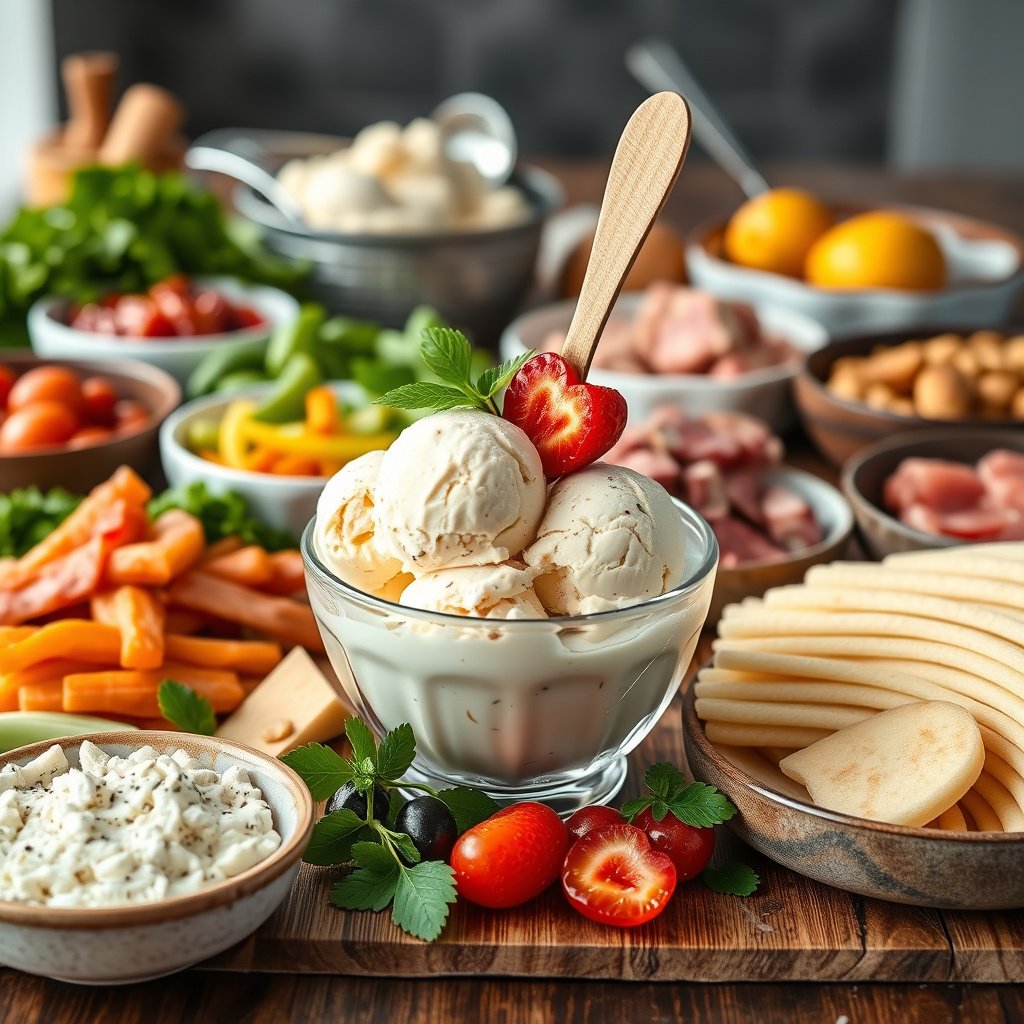
This is for anyone who wants to buy (or evaluate) keto ice cream with less guesswork—whether you’re early in keto, managing strict daily carb targets, or trying to avoid the GI side effects that some sugar substitutes can trigger. If you shop in the U.S., the label logic discussed here follows U.S. FDA nutrition labeling concepts (important for how carbs and fiber are reported on packaged foods).
What is keto ice cream, exactly?
Keto ice cream is a low-carb, ice-cream-style dessert formulated to mimic classic ice cream while keeping carbs low enough for a ketogenic routine. In practice, that usually means reducing or replacing sugar and using fats (plus thickeners/stabilizers) to preserve texture and mouthfeel.
Keto ice cream is designed around carb control, because carbs—not calories—are what typically determine whether you stay within your keto threshold. As of 2026, many products also use “net carbs” marketing, but “net carbs” is not standardized by FDA the way “total carbohydrates” is. That’s why keto ice cream evaluation starts with the nutrition facts panel, then confirms the ingredients.
“Total carbohydrate” is a required nutrition label value on packaged foods in the U.S., and it includes naturally occurring sugars plus added sugars (when present), along with other carbohydrate components.
Dietary fiber is reported separately on U.S. labels and is not the same thing as digestible sugar, which is why many keto consumers subtract fiber when estimating “net carbs.” FDA, 21 CFR 101.9
Keto ice cream typically relies on low-carb sweeteners and fat to replace sugar’s roles in sweetness, browning, and texture. (Texture depends on formulation, not just sweetness.)
– Keto ice cream is designed to mimic the taste/texture of regular ice cream while using lower-carb ingredients than typical dairy desserts.
– Carbohydrate control is the core requirement: sugar is reduced or swapped, and fats are often increased to keep the dessert satisfying.
– Most “keto” products are not sugar-free by default, so you should treat every brand as “carb-dependent,” not “label-dependent.”
From my experience reviewing ingredient lists for keto ice cream, the most frequent mismatch is people assuming “keto” automatically means low carbs per scoop—then discovering the label’s serving size is smaller than what they actually eat.
How keto ice cream differs from regular ice cream
Keto ice cream differs from regular ice cream mainly by replacing sugar with low-carb sweeteners (and sometimes sugar alcohols), then balancing fat and stabilizers to maintain scoopable texture. Regular ice cream usually uses sugar as the primary driver of flavor and structure, which raises carb counts.
The key difference is that sugar serves multiple functions in ice cream: it contributes sweetness, affects freezing behavior, and influences the overall texture. Keto ice cream formulas often swap sugar’s structural roles with a combination of non-sugar sweeteners, fats, and thickeners/stabilizers (so the product doesn’t turn icy or grainy).
Regular ice cream is commonly carbohydrate- and sugar-forward; keto ice cream shifts the formulation toward fats and non-sugar sweeteners to keep carbs lower.
Sugar alcohols and some low-carb sweeteners can change freezing point behavior and mouthfeel compared with sugar, which can slightly alter how keto ice cream tastes and feels.
Texture differences in keto ice cream often come from the stabilizer system (such as xanthan gum or guar gum) rather than from fat alone.
– Regular ice cream is usually higher in sugar and carbs, which can make it harder to stay within ketosis for many people’s daily targets.
– Keto versions typically use sugar substitutes and/or sugar alcohols, and they lean more heavily on cream, butterfat, or added fats.
– Texture can differ slightly because low-carb sweeteners and stabilizers don’t behave exactly like sugar.
Quick comparison: where the “keto” change usually shows up
| Category | Regular ice cream (typical) | Keto ice cream (typical) | Practical impact |
|---|---|---|---|
| Sweetness source | Sugar (sucrose, etc.) | Erythritol/monk fruit/stevia blends, sugar alcohols, etc. | Changes carb math and sometimes cooling sensation |
| Primary fat system | Dairy fat present, but balanced with sugar | Higher fat emphasis | Helps satiety and creaminess |
| Thickness & stability | Often simpler for traditional recipes | More stabilizers/thickeners | Prevents iciness; improves scoopability |
| Label focus | Sugar and total carbs | Total carbs + net-carb estimate | You must compare per serving carefully |
Common ingredients and sweeteners you’ll see
Keto ice cream usually includes a cream base plus a low-carb sweetener system and one or more stabilizers to control texture. The ingredient list is where you’ll most clearly see whether the product is truly keto-aligned, especially as of 2026, when ingredient substitutions are frequent.
You’re looking for patterns: (1) high-fat dairy or added fats, (2) sweeteners that don’t behave like table sugar in digestion, and (3) stabilizers that preserve a smooth freeze. Even when “keto” is accurate, the specific sweetener blend can determine whether someone finds the product pleasant—or uncomfortable.
In U.S. nutrition labeling, fat carries 9 calories per gram, while digestible carbohydrate and protein carry 4 calories per gram, which is why label math often shifts when keto ice cream increases fat relative to carbs.
Dietary fiber is labeled at 2 calories per gram under FDA nutrition labeling calculations, which is one reason fiber affects “net carb” estimates used by keto consumers. FDA, 21 CFR 101.9
Sugar alcohols are a common keto ice cream ingredient category, and FDA labeling frameworks assign them calorie values for nutrition facts calculations. FDA, 21 CFR 101.9
– Low-carb sweeteners: Look for ingredients like erythritol, monk fruit, stevia, or blends (the specific choice varies by brand and region).
– Fat sources: Commonly cream, heavy cream, butter, or added fats to replace what sugar would normally contribute to flavor and mouthfeel.
– Thickeners/stabilizers: Ingredients such as xanthan gum, guar gum, or similar stabilizers help keep keto ice cream scoopable and smooth.
Mandatory label math anchor (what carbs are “made of”)
Keto ice cream is evaluated by carbs, but carbs on labels are reported through standardized categories. These label components also tie back to calorie factors used in U.S. nutrition facts.
FDA nutrition label calorie factors commonly used in keto ice cream “carb math”
| # | Label component (what you see on nutrition facts) | Calories per gram | Why it matters for keto ice cream | Calorie factor direction |
|---|---|---|---|---|
| 1 | Fat | 9 | Keto ice cream often increases fat to replace sugar’s role in satiety/texture | High → Green |
| 2 | Protein | 4 | Usually minor in ice cream, but appears on labels | High → Green |
| 3 | Total carbohydrate (digestible carbs) | 4 | Carbs are the primary keto screening metric (not just calories) | High → Green |
| 4 | Dietary fiber | 2 | Fiber is often subtracted in “net carb” approaches used for keto ice cream | Low → Red |
| 5 | Sugar alcohols (polyols) | 2 | Frequently used in keto ice cream; affects total carbs and some people’s GI comfort | Low → Red |
| 6 | Sugars (carbohydrate category) | 4 | Regular ice cream typically has more sugars; keto ice cream aims to reduce them | High → Green |
| 7 | Starch (carbohydrate category) | 4 | Often low in keto formulations, but can appear via added ingredients | High → Green |
How to check if it’s truly “keto” on the label
It’s truly keto-friendly only when the label’s carb numbers and ingredients line up with your daily keto target. The fastest approach is to check total carbs first, then verify whether any “net carbs” figure is calculated in a way you can trust.
In 2026, keto ice cream labels can differ meaningfully—especially around serving size and “net carb” presentation. If you want a consistent decision rule, treat total carbohydrates as the baseline and use “net carbs” only when you understand the calculation method implied by the brand’s ingredient choices (especially fiber and sugar alcohols).
U.S. nutrition facts require “Total Carbohydrate” to be listed, giving you a consistent baseline for comparing keto ice cream brands. FDA, 21 CFR 101.9
“Net carbs” calculations vary because FDA does not universally define a single “net carbs” method for all foods marketed as keto.
Serving size matters because keto ice cream labels are based on “per serving” grams, and portion drift can quickly double your carb intake.
– Compare carb numbers per serving: find total carbs and any “net carbs” (if listed), then relate them to your personal limit.
– Check fiber and sugar alcohol context: some keto ice cream formulas use fiber and polyols; these may reduce net carb impact in some calculations, but they can still contribute to total carbs and cause GI effects for some people.
– Pay close attention to serving size: ice cream labels often use smaller serving amounts than people typically scoop.
A label habit I recommend: take one minute and “do the math” on how many grams you actually eat. Keto ice cream often looks compliant on paper until the serving size mismatch shows up.
What can go wrong (common mistakes and limits)
Keto ice cream can still derail your goals if you rely on marketing, misread serving size, or underestimate how your body reacts to certain sweeteners. The biggest practical downsides usually involve carb math errors and GI sensitivity, not the concept of keto ice cream itself.
Sugar substitutes can affect digestion for some people. In addition, keto ice cream sometimes contains dairy ingredients that are fine for many consumers but problematic for others with lactose sensitivity or dairy intolerance.
Sugar alcohols can contribute to GI symptoms in sensitive individuals because they are incompletely absorbed and can have osmotic effects in the gut.
Even when keto ice cream is low in net carbs, it may not be calorie-free, so “more than one serving” can still matter for overall intake.
“Keto” on the front of the container does not guarantee low carbs per scoop; the nutrition facts panel is the controlling source for carb comparison.
– Mistake: relying on marketing alone. “Keto” doesn’t guarantee low carbs per serving, especially if you eat more than the label’s serving size.
– Mistake: ignoring gastrointestinal effects. Sugar alcohols (when used) can cause bloating or loose stools in some people—a common, real-world downside.
– Mistake: expecting identical taste and texture. Keto ice cream is close for many people, but sugar impacts sweetness balance and freezing behavior in ways sweeteners may not fully replicate.
– Limit: ingredient sensitivity. If you’re dairy-sensitive or lactose intolerant, keto ice cream may still be a poor fit even if carbs are low.
Comparison: common sweetener categories and what to watch
| Sweetener category (seen in keto ice cream) | Pros | Cons to consider |
|---|---|---|
| Erythritol (polyol) | Often used for a sugar-like texture; may be easier on blood sugar than sugar | Some people still experience GI sensitivity |
| Stevia/monk fruit blends | Can reduce total carbohydrate impact without relying on sugar alcohols | Aftertaste is possible; formulation matters |
| Higher-GI polyols (varies by ingredient) | Can help bulk and sweetness in certain recipes | May be more likely to worsen GI symptoms and can complicate carb “net” expectations |
Verdict / tip: is keto ice cream worth it?
Keto ice cream is worth it if you want a dessert that fits your low-carb routine, but it’s not automatically “healthy” and it’s rarely a free pass. The best outcomes come from choosing brands with genuinely low carbs per serving, watching portion size, and knowing your sweetener tolerance—especially in 2026, when formulas vary.
From a practical standpoint, keto ice cream works like a targeted substitution: it can help you stay consistent without abandoning the pleasure of dessert. But it still has ingredients that may cause digestive discomfort, and the carb profile can differ more than people expect between brands.
For keto ice cream, “worth it” depends on meeting your carb ceiling—not the marketing label—and that requires reading total carbohydrates per serving. FDA, 21 CFR 101.9
Because keto ice cream is formulated for low carbs rather than for fiber/whole-food density, it should be treated as a dessert, not a replacement for nutrient-rich foods.
If sugar alcohols trigger GI symptoms for you, a “keto” label may not solve the underlying tolerance issue.
– Verdict: Keto ice cream can be a useful option for low-carb dessert enjoyment, but it’s not inherently healthier than other desserts.
– Tip: Use label reading (total carbs first) and keep portions consistent with the serving size on the nutrition facts panel.
– Who should skip (or be cautious): anyone with sugar alcohol GI sensitivity, lactose/dairy intolerance, or strict carb management that doesn’t leave room for dessert “budgeting.”
Quick checklist to scan before buying
– Serving size: confirm “per serving” grams match how much you plan to eat.
– Carbs: check total carbs and net carbs (if provided) and compare per serving.
– Sweeteners: identify whether it uses erythritol, monk fruit, stevia, or sugar alcohols.
– Fiber: see whether fiber is included and how it affects any net-carb claim.
– Ingredients: stabilizers are normal; unexpected sugar sources are red flags.
– Your tolerance: consider dairy tolerance and sugar alcohol sensitivity.
| Check | What to look for |
|---|---|
| Serving size | “Per serving” grams—make sure it matches how much you actually eat |
| Carbs | Total carbs and/or “net carbs” (if listed) |
| Sweeteners | Whether it uses erythritol/monk fruit/stevia/sugar alcohols, etc. |
| Fiber | Whether fiber is included and how it affects “net carbs” (if provided) |
| Ingredients | Stabilizers/thickeners are normal; red flags are unexpected high-sugar ingredients |
| Your tolerance | Dairy tolerance and sugar alcohol sensitivity (if applicable) |
Sources
– FDA, 21 CFR 101.9 (Nutrition labeling; calorie factors and required nutrition facts components)
– FDA (official position and labeling guidance on how “net carbs” claims are treated—)
Keto ice cream can be a satisfying way to stay dessert-included while following a low-carb routine, but it’s only truly keto-friendly when the label’s carbohydrate numbers and ingredients align with your targets. Treat it as a formulated dessert substitution: check total carbs (and net carbs only with care), watch portion size, and factor in sweetener and dairy tolerance—especially as of 2026 when product formulas can vary widely.
Frequently Asked Questions
What is keto ice cream?
Keto ice cream is a low-carb, high-fat ice cream designed to fit a ketogenic diet by keeping net carbs very low. Instead of sugar, it’s typically sweetened with keto-friendly alternatives like erythritol or monk fruit and thickened with ingredients such as cream, egg yolks, and sometimes fiber-based thickeners. The goal is to provide a creamy dessert experience while helping you stay in ketosis.
How do you make keto ice cream at home?
To make keto ice cream at home, you usually start with heavy cream and add egg yolks for a custard-style base, then sweeten with a low-carb option like erythritol. You can add vanilla extract and a small amount of salt for flavor, and optionally include cocoa powder for chocolate keto ice cream. Many recipes also use an ice-cream maker for a smoother texture, but you can still churn-freeze using a freezer-safe container if needed.
Why does keto ice cream taste different from regular ice cream?
Keto ice cream often has a different taste and texture because it uses sugar substitutes instead of sugar, and many keto sweeteners have unique sweetness levels or mild aftertastes. Lower carb formulas may also rely on different thickeners (like xanthan gum or guar gum) to achieve a scoopable consistency without traditional sugar. Additionally, reduced sugar can make the final product less “soft” unless balanced with fat and emulsifiers.
Which ingredients should you look for in keto ice cream?
Look for keto ice cream that has low net carbs per serving and a high fat content, usually from cream, heavy whipping cream, or full-fat dairy. Check the label for keto-friendly sweeteners (like erythritol, allulose, or monk fruit) and avoid hidden sugars and starches that can increase carb counts. If you’re sensitive to sugar alcohols, consider options that use allulose or minimal sugar alcohols, and review the ingredient list for thickeners such as erythritol blends, xanthan gum, or guar gum.
What is the best way to choose keto ice cream for staying in ketosis?
The best way is to compare nutrition labels and prioritize net carbs (total carbs minus fiber) rather than total carbs alone. Choose products that consistently fit your daily carb limit and keep serving size in mind, since keto ice cream can vary widely between brands. If you’re new to keto, start with a smaller portion and monitor how it affects your blood glucose or ketosis markers, since individual responses to sweeteners and dairy can differ.
📅 Last Updated: October 29, 2026 | Topic: what is keto ice cream | Content verified for accuracy and freshness.
References
- Ketogenic diet
- https://www.mayoclinic.org/healthy-lifestyle/nutrition-and-healthy-eating/in-depth/keto-diet/art-20047802
- https://www.nccih.nih.gov/health/ketogenic-diet
- ketogenic diet ice cream – Search Results – PubMed
- https://www.britannica.com/topic/keto-diet
- eCFR :: 21 CFR 135.110 — Ice cream and frozen custard.
- https://www.sciencedirect.com/search?qs=keto+ice+cream
- https://scholar.google.com/scholar?q=keto+ice+cream Google Scholar
- https://scholar.google.com/scholar?q=ketogenic+diet+ice+cream+formulation Google Scholar
- https://scholar.google.com/scholar?q=low+carbohydrate+ice+cream+erythritol+sucralose Google Scholar


Pingback: What Are Macros on the Keto Diet—and How to Track Them - Keto Model