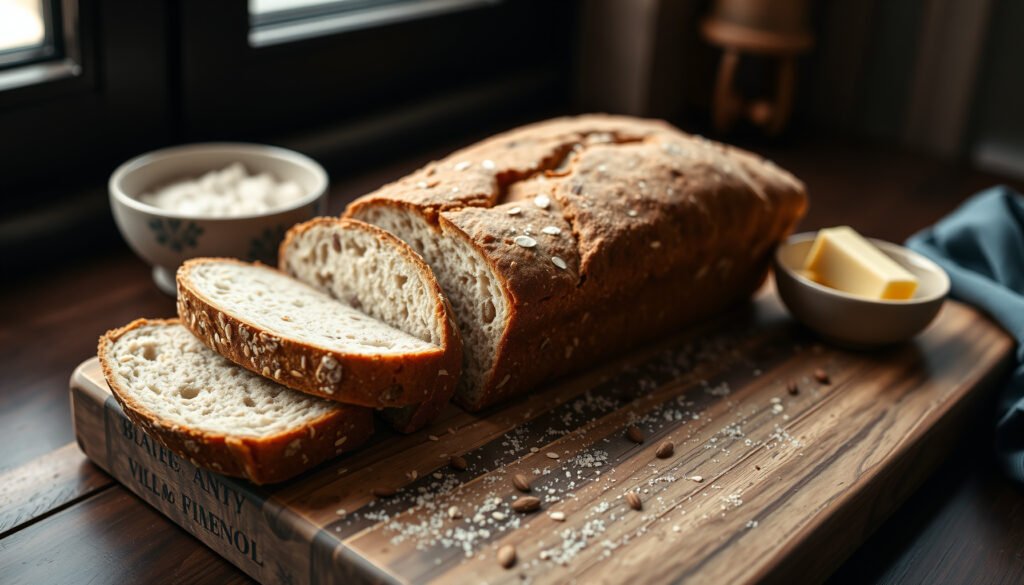

Keto bread is mostly a matter of what’s inside: the safest, most reliable keto loaves are built on low-net-carb flours (often almond or coconut) plus binders like eggs and psyllium, not hidden wheat flour or sugar. This guide breaks down exactly what’s in keto bread ingredient by ingredient and shows you what to look for on labels to hit keto macros. You’ll finish with a clear verdict on which ingredients signal a true low-carb option and which ones quietly wreck your diet.
Keto bread is typically made with low-carb, higher-fiber flours (like almond or coconut) and uses eggs and/or fats to hold it together—plus leavening and often added fiber or sweeteners to keep carbs low. The easiest way to confirm it’s truly “keto” is to check the nutrition label for total carbs and (if listed) net carbs, then compare that to your daily carb limit.
Choosing keto bread matters if you’re trying to stay in ketosis, reduce sugar, or simply need bread-like food that won’t spike your carb intake. Because “keto” isn’t a regulated label, the exact ingredients and carb counts can vary a lot from brand to brand.
If you follow keto strictly (or you’re using carbohydrate targets to manage blood sugar), this guide helps you decode what’s actually inside keto bread and how to decide whether a specific loaf fits your plan.
Common ingredients in keto bread
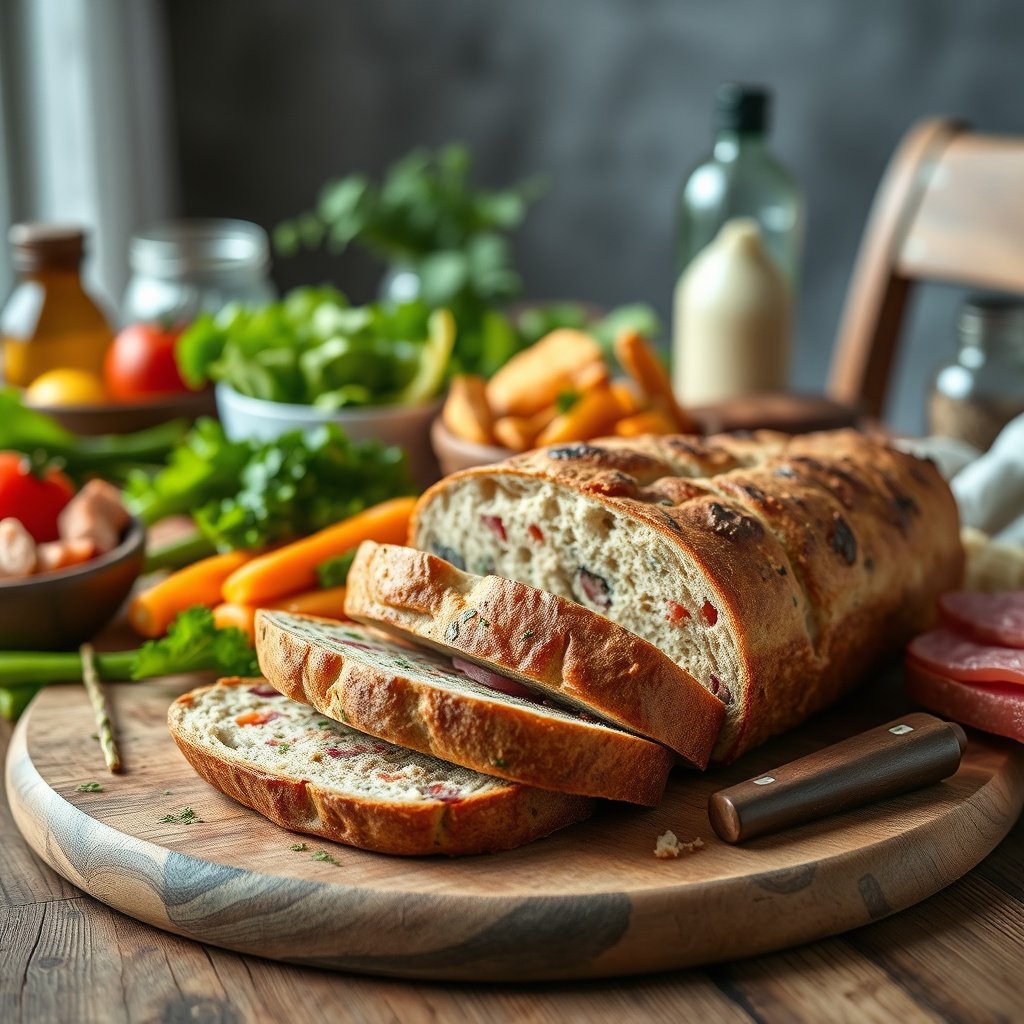
If you’re trying to understand what’s inside keto bread, the core idea is simple: low-carb flour alternatives plus egg/fat “structure,” then leavening and texture helpers. The result is bread-like slices with fewer carbohydrate grams than wheat bread—at least on paper.
FDA’s Nutrition Facts panel requires listing total carbohydrates in grams per serving, and total carbs include dietary fiber and sugars.
A loaf can be marketed as “keto” even when the fine print carb counts make it unsuitable for your specific daily carb limit.
Low-carb flour alternatives (the carb-limiting foundation)
Most keto breads start with flours that are naturally lower in digestible carbohydrates than wheat flour. Common examples include:
– Almond flour: nut-based flour that provides fat and protein, helping keep the carb load per slice relatively low.
– Coconut flour: high in fiber, which can reduce “net carbs” on some labels (but total carbs still matter).
– Flax meal and chia-type ingredients: often used for fiber and a slightly hearty crumb.
– Psyllium husk (sometimes mixed into the batter): not a flour in the traditional sense, but used for binding and texture.
From a practical standpoint, these flour choices are usually the biggest reason keto bread can land in a lower-carb range.
Bindings and crumb structure (replacing gluten’s role)
Traditional wheat bread depends on gluten for elasticity and a rise-and-structure network. Keto bread doesn’t use gluten flour, so it needs other binders and emulsifiers, such as:
– Eggs or egg whites (common): provide protein structure as the loaf bakes.
– Butter, cream cheese, or other dairy fats: add richness and help create a slice that holds its shape.
– Plant-based alternatives: some brands use non-dairy fats plus additional binding agents to mimic bread-like texture.
If a loaf feels “rubbery” or collapses easily, it’s often tied to how well the formula substitutes for gluten’s network.
Leavening and moisture (getting the slice you expect)
Keto bread typically uses:
– Baking powder and/or baking soda for lift.
– Fats for moisture retention and tenderness.
– Sometimes cultures or fermented components (depending on brand) to develop flavor and improve crumb.
Even when carbs look reasonable, a poor formulation can still lead to an overly dense slice—so ingredient choices affect both nutrition and eating experience.
What to check on the nutrition label (carbs)
If you want the fastest truth test, check carbs per slice (or per serving) on the Nutrition Facts panel. “Keto bread” marketing can be inconsistent, but label math isn’t optional.
FDA defines and standardizes the Nutrition Facts serving size concept, so the grams you see are tied to what the label considers one serving.
Total carbohydrates are required on FDA-formatted Nutrition Facts panels, including both fiber and sugars.
Total carbohydrates matter first (especially if you’re strict)
Start with total carbs. Even if a product has high fiber, total carbs are what you compare against your daily limit if you’re using strict keto tracking.
A useful reference point:
– According to FDA’s Nutrition Facts guidance, the Daily Value (DV) for total carbohydrates is 275 g/day on a 2,000-calorie diet (FDA: 21 CFR 101.9).
So if a slice is, for example, 10–20 g total carbs, it adds up quickly—especially if you eat multiple slices.
Net carbs may be listed, but it’s not universally consistent
Some labels show net carbs (often calculated as total carbs minus fiber). However:
– Not every brand subtracts fiber the same way.
– Some brands highlight “fiber” heavily, while total carb grams can remain meaningful for your carb target.
Because ketosis is individual, you should treat net carbs as a tool—not a guarantee.
Serving size can hide the real carb impact
Pay attention to “1 slice” and “1 serving.” Two loaves can both show 4 g carbs per serving while:
– one serving equals 1 slice, and
– another equals 2 slices.
For carb control, that difference can be the whole game.
Ingredient “support cast” (why you’ll see these add-ons)
Keto bread often includes additional fibers, gums, and sweeteners to improve texture and keep carbs low. These add-ons can help the bread behave like bread—but they can also affect digestion for some people.
Dietary fiber and certain sugar alcohols are common in low-carb foods, but individual tolerance varies—especially when serving sizes increase.
Because “keto” isn’t regulated, product formulas rely on ingredient technology (fibers, gums, sweeteners) more than label definitions.
Fiber ingredients: why they’re used
Common fiber add-ins include:
– Psyllium husk
– Inulin / chicory root fiber
– Other soluble fibers
These can:
– add volume,
– improve slicing and chew,
– and reduce the “net impact” some readers care about.
But if you’re sensitive, high-fiber loaves can create gas or discomfort.
Thickening and gelling agents: what they do
Since keto bread usually doesn’t contain wheat gluten, brands frequently add:
– Guar gum
– Other stabilizers
These help batter bind and set properly so you get a slice that doesn’t crumble.
Sweeteners and sugar alcohols: sweetness without sugar
You’ll often see:
– Erythritol
– Stevia
– Monk fruit
– sometimes other sugar alcohols
Important digestive note: sugar alcohols can have a laxative effect in some people, even when carb counts are lower. If you notice bloating after eating keto bread, the sweetener type and portion size are prime suspects.
Sweeteners Found in Many Keto Breads: GI and Keto Digestive Fit
| # | Sweetener (commonly used) | Glycemic Index (GI) | Approx. kcal/g | Keto-friendly fit |
|---|---|---|---|---|
| 1 | Erythritol | 0 | 0.2 | ★★★★★ |
| 2 | Allulose | 0 | 0.4 | ★★★★☆ |
| 3 | Stevia (steviol glycosides) | 0 | 0 | ★★★★☆ |
| 4 | Monk fruit (mogrosides) | 0 | 0 | ★★★★☆ |
| 5 | Xylitol | 13 | 2.4 | ★★★☆☆ |
| 6 | Sorbitol | 9 | 2.6 | ★★☆☆☆ |
| 7 | Maltitol | 35 | 2.1 | ★☆☆☆☆ |
How to read “keto bread” labels without getting misled
You can avoid most “keto bread” disappointments by doing a quick ingredient scan and validating the carbs per slice. This approach is more reliable than trusting front-of-pack claims.
FDA requires standardized Nutrition Facts labeling, so total carbohydrate grams can be compared across products when serving sizes match.
Because “keto” isn’t regulated, the label’s ingredient list and nutrition math are your best evidence.
Step 1: Scan ingredients for “keto scaffolding”
As you read, look for the pattern:
– low-carb flour base (almond/coconut/flax types),
– eggs and/or dairy fats for binding,
– leavening,
– fiber and/or gums for crumb stability.
Step 2: Compare carbs on the same basis
Don’t compare “per package.” Compare grams per slice (or per labeled serving). Then check whether your eating plan needs strict total carbs—or whether your approach is net-carbs oriented.
Step 3: Watch for sugar alcohol and fiber “stacking”
A loaf might be low in carbs but still cause GI symptoms if it contains:
– a high amount of fiber (like inulin or psyllium), and
– sugar alcohol sweeteners (like erythritol, sorbitol, or maltitol).
Quick comparison: what tends to go well vs. what tends to backfire
| Scenario | Pros | Potential downside |
|---|---|---|
| High-fiber, low total carbs | More “stays full” texture and lower digestible carb load (often) | May still cause bloating in sensitive people |
| Sugar alcohol–sweetened slices | Lower sugar than conventional bread | Higher chance of GI discomfort at larger portions |
| Simple ingredient list | Easier to predict taste, digestion, and carb impact | May be less bread-like in structure without gums/fiber |
What can go wrong (common mistakes)
Even when a loaf looks “keto,” a few predictable errors can push you off plan. Most mistakes come from trusting marketing language instead of verifying carbs and serving sizes.
Many “keto” foods emphasize fiber, but individual total-carb tolerance still determines whether you stay in ketosis.
Sugar alcohols can have digestive effects that don’t correlate perfectly with the label’s total carbohydrate grams.
Mistake 1: Relying on the word “keto” alone
Because “keto” isn’t regulated, the same product label can differ widely in carb totals across brands. In 2026, it’s still common to see loaves labeled “keto” that fit casual low-carb diets but don’t fit strict ketosis targets.
Mistake 2: Ignoring sugar alcohol tolerance
Even with low carbs, sugar alcohol type matters. If you’re prone to bloating or diarrhea, start with one slice and observe your response before you scale up.
Mistake 3: Over-snacking on bread-like portions
Keto bread can be easy to eat quickly—especially if it tastes close to wheat bread. If you eat 3–4 slices, the carbs can exceed what you expected.
Mistake 4: Assuming net carbs are always correct
Net carb math isn’t standardized across products. If you track strictly, use the method you trust consistently—then verify how your body responds.
Verdict: is keto bread worth it?
Keto bread can be a practical swap when you want bread-like taste and texture while keeping carbs lower—but it’s not automatically “keto-friendly” for everyone. If you’re strict about ketosis, prioritize carbs per slice + fiber + your personal tolerance for gums and sweeteners; if you’re sensitive to sugar alcohols or high-fiber foods, you may want to limit portions or choose a simpler ingredient list.
Because “keto” is not a regulated claim, a loaf can look compliant on the front and still fail your actual carb budget. If you’re managing blood sugar or trying to stay consistently in ketosis in 2026, you’ll likely get better results by verifying total carbs and eating keto bread as a targeted convenience—not a daily default.
For weight loss or improved blood sugar without relying on specialty foods, consider using keto bread occasionally (or skipping it) and leaning more on whole-food meals, since specialty loaves can also be calorie-dense.
Quick checklist: what’s “in keto bread” (scan this fast)
Use this when you’re standing in front of the package or comparing online listings.
| Check | What to look for | Why it matters |
|---|---|---|
| Low-carb flour | Almond/coconut/flax-based ingredients | Helps keep carbs per slice down |
| Binder/structure | Eggs, egg whites, dairy, or similar binders | Replaces gluten for texture |
| Fiber included | Psyllium/inulin/chicory-type fibers (if listed) | Can reduce net impact and improve crumb |
| Carbs per serving | Total carbs per slice (and net carbs if shown) | Determines whether it fits your carb limit |
| Sugar + sweeteners | Amount and type of sweeteners/sugar alcohols | Affects ketosis support and digestion |
| Serving size | What “1 slice” equals | Prevents accidental overconsumption |
Frequently Asked Questions
What ingredients are typically in keto bread?
Keto bread usually includes low-carb flours and binders that help it mimic traditional bread while staying low in net carbs. Common ingredients include almond flour, coconut flour, egg, and psyllium husk or cream cheese for structure, plus baking powder and salt. Many brands also use inulin or erythritol for texture and mild sweetness, so it’s important to check the nutrition label for net carbs.
How do keto bread recipes replace wheat flour?
Since wheat flour is high in carbohydrates, keto bread relies on alternative flours like almond flour and coconut flour, which have fewer digestible carbs. Recipes often add psyllium husk, flaxseed meal, or ground chia to provide fiber and improve the dough’s ability to rise and hold moisture. Eggs and sometimes butter or cream cheese act as fat-and-binding agents to keep the crumb tender without needing gluten.
Why does keto bread often have a different taste or texture?
Keto bread can taste denser or slightly nutty because almond flour and coconut flour have distinct flavors and lower gluten content than wheat. Psyllium husk and other fibers may create a firmer or more “bread-like” texture, but too much or too little can lead to dryness or gumminess. Reading ingredient lists and choosing keto bread with balanced fiber and fat can help match your preferred texture.
Which keto bread ingredients should you watch out for if you’re sensitive to carbs or gums?
Some keto breads contain sugar alcohols like erythritol, maltitol, or inulin, which can affect blood sugar differently and may cause bloating for sensitive people. Maltitol in particular can raise net carbs and blood glucose more than many other sweeteners, so check both the total carbs and “net carbs” on the label. If you’re prone to digestive issues, look for brands that use moderate amounts of psyllium, chia, or flax instead of heavily relying on multiple fibers.
Best keto bread ingredients for low net carbs and good slice stability?
For low net carbs, the best keto bread formulas typically start with almond flour and/or coconut flour plus eggs as the main protein and structure builder. Look for psyllium husk, flaxseed, or chia as supporting ingredients to improve slice integrity and reduce crumbling, and choose breads where added sweeteners are limited and clearly labeled. Always compare nutrition facts—especially net carbs per slice—because “keto bread” brands can vary widely even when ingredient lists look similar.
📅 Last Updated: October 29, 2026 | Topic: what is in keto bread | Content verified for accuracy and freshness.
References
- Ketogenic diet
- https://www.mayoclinic.org/diseases-conditions/diabetes/in-depth/ketogenic-diet/art-20451451
- https://www.britannica.com/science/ketogenic-diet
- https://www.nccih.nih.gov/health/ketogenic-diet
- Almond meal
- Coconut
- ketogenic diet carbohydrate intake less than 50 grams – Search Results – PubMed
- https://scholar.google.com/scholar?q=what+is+in+keto+bread+ingredients Google Scholar
- https://scholar.google.com/scholar?q=keto+bread+carbohydrate+content+ketogenic+diet Google Scholar
- https://scholar.google.com/scholar?q=low+carbohydrate+almond+flour+bread+ketogenic Google Scholar