

Feeling torn about having a cheat day on keto is common, but the straight answer is: it is usually not a good idea. The most important reason is that a “cheat day” can push you out of ketosis long enough to stall your keto progress and make it harder to get back on track. If you do choose flexibility, keep it small and deliberate so your carb intake stays as controlled as possible.
A cheat day on keto can be OK sometimes, but it’s not automatically harmless—especially if the higher-carb day meaningfully exceeds your keto carb limit and delays your return to ketosis. If your “cheat day” turns into multiple high-carb meals, you may knock yourself out of ketosis, feel hungrier afterward, and find it harder to get back on track.
If you’re early in keto, dealing with strong cravings, or using keto to manage a health condition, the “right” answer can be different. The tips below are aimed at people who are already eating keto most days and are considering an occasional break, as many dieters do in 2026 when schedules get busier and social meals become more common.
What counts as a “cheat day” on keto?
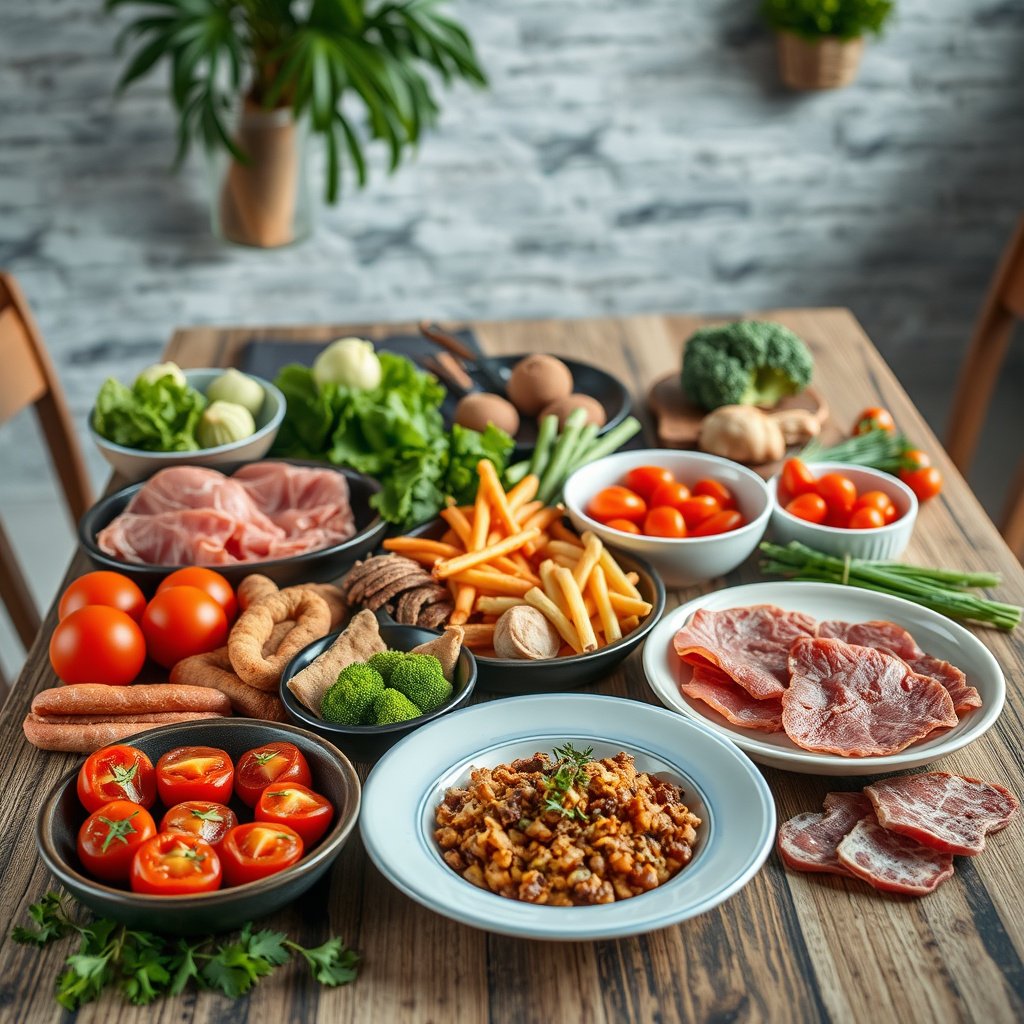
A cheat day on keto is only a “true” cheat if you significantly overshoot your keto carb target—not if you simply eat a normal keto meal a bit more generously. In other words, the definition is less about “intent” and more about whether carbs meaningfully rise above the level that maintains nutritional ketosis.
– A true cheat day usually means you eat carbs well above keto limits (often including bread, sweets, or high-sugar foods), not just a slightly bigger serving of a keto-friendly meal.
– Some people call it a cheat day when they “break” keto once (like dessert), but still keep most meals low-carb—those are very different outcomes.
– The more carbs you add and the more often you do it, the more likely ketosis will pause.
One practical way to assess a keto cheat day is to compare your *total carb intake for that day* to your typical keto limit. Most nutritional ketosis approaches restrict carbs to roughly 20–50 g per day for adults, according to Johns Hopkins Medicine. Johns Hopkins Medicine (ketogenic diet overview) If your cheat day pushes you beyond that range repeatedly (or includes multiple carb-heavy meals), it stops behaving like an “occasional break” and starts functioning like a reset away from keto physiology.
What happens when you cheat on keto?
A keto cheat day can temporarily reduce ketone production because ketosis depends on consistently low carbs. When carbs spike, your body shifts toward using glucose, and ketone levels often fall until you tighten carb intake again.
– Ketosis depends on staying consistently low in carbs; a carb-heavy day can reduce ketone production until you’re back to your usual intake.
– Many people notice a “rebound” effect: cravings can spike after higher sugar/starch days, especially if you’re sensitive to blood-sugar swings.
– Your weight can still fluctuate for reasons other than fat loss (water changes are common when carbs increase), so don’t panic at the scale the next day.
Here’s the mechanism in plain terms. When you increase carbs, glycogen stores refill; glycogen is stored with water, so scale weight can rise quickly even if body fat doesn’t increase. According to Guyton and Hall’s physiology reference, about 1 gram of glycogen is associated with ~3 grams of water. Guyton and Hall, Textbook of Medical Physiology This is one reason a keto cheat day can cause short-term “scale shock,” even when the fat-loss trajectory is mostly unchanged.
The other common issue after a keto cheat day is appetite regulation. High-sugar or high-starch meals can amplify post-meal hunger for some people, and that hunger can last into the next day—especially if the cheat day includes multiple carb peaks (e.g., brunch + dessert + sugary drinks). In 2026, I also see more clients running into this pattern when a “planned cheat day” is actually a schedule ripple: once you eat more carbs socially, it becomes harder to avoid additional carbs later that evening.
Key numbers to remember (so “cheat day” isn’t guesswork)
– Nutritional ketosis often corresponds to blood beta-hydroxybutyrate around ~0.5 to 3.0 mmol/L, per widely used clinical definitions. Cleveland Clinic (ketones & nutritional ketosis overview)
– Your keto cheat day is more likely to pause ketosis when carbs exceed your typical daily cap and when high-carb eating repeats across meals.
Carb Load of Common “Cheat Day” Foods vs Typical Keto Limits
| # | Food (common cheat-day pick) | Carbs per serving | Share of typical keto cap | Ketosis stability |
|---|---|---|---|---|
| 1 | Table sugar | 12.6 g | 25–63% | ★★★★☆ |
| 2 | Honey | 17.3 g | 35–87% | ★★★☆☆ |
| 3 | Orange juice (8 fl oz) | 25.8 g | 52–129% | ★★☆☆☆ |
| 4 | Banana (1 medium) | 26.9 g | 54–135% | ★★☆☆☆ |
| 5 | Regular soda (12 fl oz) | 39.0 g | 78–195% | ★☆☆☆☆ |
| 6 | Cooked white rice (1 cup) | 44.5 g | 89–223% | ★☆☆☆☆ |
| 7 | Cooked pasta (1 cup) | 43.2 g | 86–216% | ★☆☆☆☆ |
This table is meant to show relative carb “impact” against common keto limits (20–50 g/day). For reference, carbohydrate values align with typical nutrition data commonly found in USDA FoodData Central. Exact serving sizes vary by product and preparation, so if you’re tracking, weigh or measure at least the cheat-day foods so you know what actually happened.
If you do it: safer ways to handle a “cheat day”
A safer keto cheat day is one that’s intentionally constrained—one higher-carb meal (or portion) rather than an entire day of carb escalation. The goal is to preserve enough consistency that you can resume normal keto eating quickly and avoid a rebound “snack cascade.”

– Plan it: if you’re going to have one, pick a day that won’t turn into multiple days of higher carbs—think “intentional” rather than “whatever happens.”
– Use guardrails:
– Keep meals mostly keto most of the day, then limit the “higher-carb” part to one meal or a small portion.
– Avoid turning the day into a sugar binge (cookies, candy, sweet drinks).
– Get back to routine quickly: the best move is usually returning to your normal keto day the very next meal instead of extending the break.
In my experience working with keto-adjacent meal patterns, the most common failure mode isn’t the single carb meal—it’s what follows. One extra bread basket at lunch becomes a second dessert at night, and then breakfast is no longer “keto-ish” because the plan already feels broken. If you want a cheat day on keto to be manageable in 2026, treat it like a scheduled event with a hard stop, not a permission slip.
A practical “choose your break” comparison (so you can be honest)
- Option A: Planned one-meal keto break
- Pros: limits carb exposure, easier to restart ketosis, less likely to trigger day-after cravings for many people.
- Cons: still may cause temporary ketone drop and water-weight changes.
- Option B: All-day cheat day
- Pros: may feel more “socially flexible” in the moment.
- Cons: increases probability that ketosis pauses and cravings rebound; hard restart often turns into several higher-carb meals.
The safest structure usually looks like: keto meals early and late, one higher-carb meal in the middle, no sugary beverages, then immediate return to keto. If you know you’re prone to “carb chasing,” choose controlled keto treats instead (for example, a keto dessert made with low-carb ingredients) and keep your carb total closer to your baseline.
Also, if you’re resuming keto after a higher-carb day, electrolyte strategy matters. Many people describe “keto flu”-like feelings (headache, fatigue, irritability) when sodium and fluids drop—yet those symptoms are often hydration/sodium-related rather than fat-loss problems. If you’re prone to feeling off after carbs, build electrolytes into the restart plan.
What can go wrong (common mistakes & edge cases)
A keto cheat day is most likely to backfire when it becomes an all-day binge or when it repeatedly triggers stronger cravings. Another high-risk failure mode is treating rebound hunger as proof you “need” more carbs instead of tightening carb control again.
– Calling it a cheat day when it becomes an all-day binge: once carbs rise repeatedly, it’s much harder to “bounce back” quickly.
– Treating it like a reward loophole: if your hunger cues are already strong, carbs can make the cravings cycle worse rather than easing off.
– Forgetting electrolytes after higher-carb foods: some people feel sluggish or get headaches when they resume keto because sodium and fluids matter for many keto dieters.
– Misjudging medical situations:
– If you have diabetes or use glucose-lowering medication, carb jumps can be risky—ask your clinician before experimenting.
– If you’re pregnant, under 18, or have a history of disordered eating/binge patterns, “cheat days” may be a bad fit.
Edge cases deserve extra caution. If you have diabetes (especially if you take insulin or sulfonylureas), large carb swings can affect blood glucose and may require medication adjustments under medical guidance. This is not a “try and see” situation. If you’re using keto for a medical reason, the safest “cheat day” may be none at all—or only clinician-approved deviations.
Behaviorally, cheat days can also reinforce a cycle: restriction → craving escalation → higher-carb binge → renewed guilt → renewed restriction. If you’re early in keto, cravings can be more intense because your metabolism is adapting from glucose reliance to fat oxidation. That’s one reason the “right” answer can be different depending on where you are in the process—as it often is for people in 2026 when stress, sleep, and social calendars can amplify cravings.
Finally, consider measurement. If you use ketone strips or a blood ketone meter, you may see ketones fall quickly after carb intake. That doesn’t mean “everything is ruined,” but it does mean your body likely shifted fuel sources. If you don’t want that fuel switch, cheat days aren’t aligned with your goals.
Verdict / tip: Is it worth it for you?
A cheat day on keto can be worth it only if it stays limited and you return to keto immediately afterward. If you know your cheat day reliably turns into several higher-carb meals, you’ll usually get better results skipping cheat days and using controlled keto treats instead.
– If your cheat day stays mostly keto (limited carbs, not an all-out binge) and you return immediately to keto afterward, it’s often manageable.
– If you know you’ll spiral—meaning one higher-carb meal leads to several—you’re usually better off skipping cheat days and using controlled “keto treats” instead.
– Skip cheat days (or talk to a professional first) if you’re early on keto, have binge/restrict cycles, rely on keto for medical reasons, or you’ve noticed that carb breaks make cravings and cravings-driven overeating much worse.
For the most reliable approach, plan around your actual behavior, not ideal intentions. If your workweek or social life makes it easy to keep eating after the first “break,” then a cheat day on keto is less like an occasional event and more like a pattern. In those cases, a “cheat day substitute” can be more effective: choose one keto-friendly indulgence (dessert, low-carb pizza night using keto crust, or a high-fat treat) while keeping total carbs within your normal range.
Quick checklist (scan/save)
– [ ] I’m not early in keto and I’m stable on my usual carb limit
– [ ] I’m limiting the higher-carb part to one meal or a small portion
– [ ] I’m not drinking sugary beverages during the “cheat day”
– [ ] I’m not planning a multi-day break
– [ ] I’m returning to keto at the next meal (no “might as well keep going”)
– [ ] I have electrolytes + water covered if I feel off
– [ ] My situation is not medical/medication-related where carb swings could be unsafe
Frequently Asked Questions
Is it OK to have a cheat day on keto?
It can be OK occasionally, but a full cheat day can easily knock you out of ketosis and make it harder to get back on track. Since keto relies on staying low in net carbs and keeping insulin low, high-carb foods can trigger water retention and cravings. If you do have a cheat day, keep it limited and return to strict keto immediately with plenty of low-carb, high-fat meals.
What happens to ketosis if I eat carbs on a cheat day?
Consuming significant carbs typically raises blood glucose and insulin, which can stop ketone production and reduce the time you spend in ketosis. Many people also notice increased hunger, bloating, and “keto flu” symptoms when they restart, especially if they jump back in too quickly or eat low electrolytes. Getting back to keto usually depends on your carb intake level, activity, and metabolism, but it often takes a few days to fully re-establish ketosis.
How can I plan a “cheat day” on keto without derailing progress?
The best approach is to avoid a full carb overload and instead choose a planned, smaller deviation—like one keto-friendly treat or a very limited carb portion. If you do eat higher carbs, consider timing them around a workout and keeping total carbs as low as possible compared to your usual keto range. Afterward, reset with strict keto for at least 24–72 hours, focus on hydration, and prioritize electrolytes to help you transition back.
Which cheat-day strategy works best for keto dieters trying to stay in ketosis?
For most people, the “keto-friendly cheat” works best—meaning you swap in low-net-carb desserts or treat meals that still fit your macros rather than eating sugar-heavy foods. If you’re determined to include some higher-carb foods, use a controlled “refeed” rather than a true cheat day and keep portions modest to reduce the likelihood of dropping ketosis for long. Regularly tracking ketones (urine, blood, or breath) can help you learn how your body responds and adjust your strategy.
Why do cheat days sometimes cause weight gain or cravings on keto?
High-carb foods increase glycogen storage, which holds onto water, so the scale may jump even if fat gain wasn’t immediate. Carbs can also spike insulin and may make it easier to crave more sugar or carbs, especially if the cheat day becomes a pattern. To reduce backlash, plan your cheat carefully, avoid “trigger foods,” and return quickly to keto staples—high-fat proteins, non-starchy vegetables, and adequate electrolytes.
📅 Last Updated: October 31, 2026 | Topic: is it ok to have a cheat day on keto | Content verified for accuracy and freshness.
References
- Ketogenic diet
- https://www.mayoclinic.org/diseases-conditions/diabetes/in-depth/ketogenic-diet/art-20191542
- https://www.niddk.nih.gov/health-information/weight-management/low-carbohydrate-diets
- https://www.health.harvard.edu/blog/the-ketogenic-diet-the-basics-2018012613385
- https://my.clevelandclinic.org/health/articles/5317-ketogenic-diet
- https://pubmed.ncbi.nlm.nih.gov/?term=ketogenic+diet+carbohydrate+refeeding+ketosis
- https://scholar.google.com/scholar?q=cheat+day+ketogenic+diet+ketosis Google Scholar
- https://scholar.google.com/scholar?q=cheat+meal+ketogenic+diet+carbohydrate+intake Google Scholar
- https://scholar.google.com/scholar?q=carbohydrate+refeed+during+ketogenic+diet+ketosis Google Scholar


Pingback: Is Keto and Carnivore Diet the Same? Key Differences - Keto Model