

Cucumber is a common snack choice on keto, but many people overthink it and either avoid it due to the “carbs” label or eat large portions without tracking what matters most. The good news is you can incorporate cucumber easily while staying within your daily net-carb limit. You will learn the carb reality of cucumber, how to estimate portions quickly, and how to pair it with keto-friendly foods so it supports your goals, with a minimal time investment.
Yes—cucumber is generally keto-friendly because it’s low in digestible carbs and adds crunch with minimal impact on your daily carb limit. If you’re doing keto (and tracking net carbs), cucumber can fit—especially fresh slices—when you keep portions mindful and avoid sugar-added add-ons. In this guide, you’ll learn how to check the carbs for your specific cucumber type and the portions that tend to work well on keto, plus how to sanity-check “low-carb” claims against real nutrition data you can verify.
This is especially useful if you’ve seen “low-carb” labels and want a practical way to confirm it for your exact cucumber product—because fresh, pickled, and relish-based cucumber can land very differently within your keto macros (and in 2026, labels still vary widely).
Is cucumber keto-friendly?
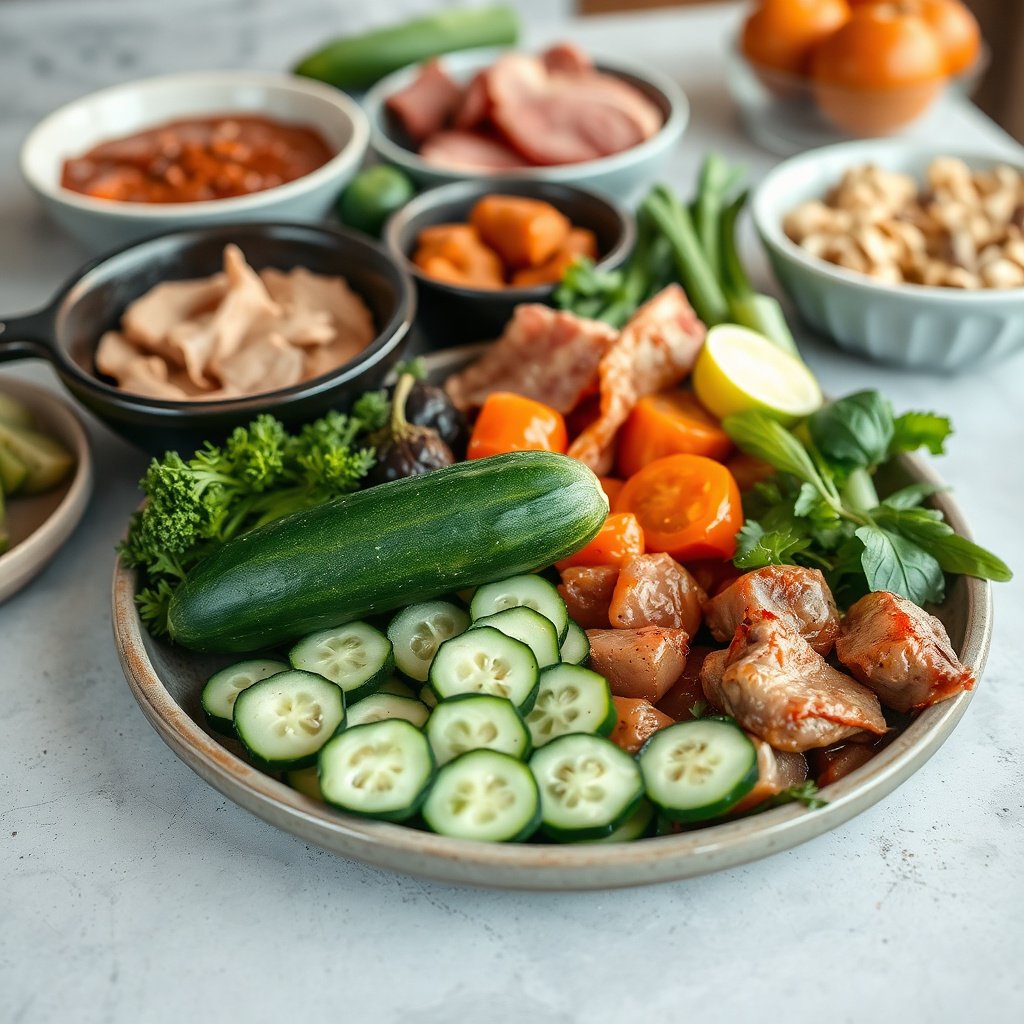
Cucumber is keto-friendly for most people because it’s mostly water and relatively low in net (digestible) carbohydrates. The main reason it works is simple: per serving, it usually doesn’t meaningfully threaten your daily carb ceiling when eaten plain and in reasonable portions.
– Cucumber is mostly water, so it typically has low “net” (digestible) carbs compared with many vegetables.
– It’s a good keto snack base because it adds volume while staying light on calories and carbs.
– The key variable is your portion and whether you’re eating it plain or with sugar-containing sauces.
For context, raw cucumber is very low in calories and generally provides modest carbs per 100 grams. According to USDA FoodData Central, cucumber (raw) contains about 3.63 g total carbohydrates per 100 g and about 0.5 g fiber per 100 g (data as reflected in the FoodData Central entries, accessed 2026). That puts “net carbs” (total carbs minus fiber) at roughly ~3.1 g per 100 g, depending on your keto method.
From my own kitchen experience, plain cucumber is one of the easiest “keto volume foods” to portion because it’s low-stakes: you can slice it, measure a serving once, and then repeat the same serving pattern daily without needing complicated recipes. The trouble usually starts when cucumber gets paired with ingredients that carry sugar (sweet relish, sweet sauces, some creamy “salad dressings,” or sugar-sweetened pickles).
How to check carbs and keep your keto macros
Cucumber can fit keto only when you match its nutrition facts to your tracking method (net carbs vs total carbs) and your exact form (fresh vs pickled vs canned). This is where most confusion happens, especially as of 2025–2026, when “low-carb” marketing sometimes coexists with meaningful sugar in brined products.
– Use nutrition data for your exact cucumber form (fresh, peeled, pickled, canned) and calculate net carbs the way your keto plan defines it.
– If you track “total carbs,” look for fiber as the subtractable part in many keto approaches.
– Pickled/canned cucumber can differ a lot—check for added sugar (even “natural” ones) and use serving-size labels to avoid surprise carb spikes.
A practical “label-to-macros” workflow
1. Start with the serving size on the package (grams per serving, not just “a few pieces”). This matters because a “serving” for pickles can be smaller than people assume.
2. Decide what your keto plan counts:
– Many keto trackers use net carbs = total carbs − fiber (sometimes also subtracting sugar alcohols if your plan allows it).
– Others track total carbs and don’t subtract fiber.
3. Treat sugar as a red flag for keto even when the product sounds “natural.” Pickled cucumber products often vary mainly because the brine may include sugar.
Keto reality check: common cucumber forms vary more than most people expect
According to USDA FoodData Central, carbohydrate and fiber amounts shift based on preparation (raw vs pickled vs sweet relishes), so the “keto fit” can change even when the ingredient list still says “cucumber.” (FoodData Central entries reflect those differences; accessed 2026.)
Net Carbs in Common Cucumber Portions (USDA-based nutrition facts)
| # | Cucumber form | Portion used | Total carbs | Fiber | Net carbs* | Keto fit |
|---|---|---|---|---|---|---|
| 1 | Raw cucumber | 1/2 cup sliced (52 g) | 1.82 g | 0.25 g | 1.57 g | ★★★★☆ |
| 2 | Raw cucumber | 1 cup sliced (104 g) | 3.63 g | 0.50 g | 3.13 g | ★★★★★ |
| 3 | Raw cucumber | 1.5 cups sliced (156 g) | 5.45 g | 0.75 g | 4.70 g | ★★★★☆ |
| 4 | Dill pickles | 1 spear (28 g) | 0.90 g | 0.10 g | 0.80 g | ★★★★★ |
| 5 | Dill pickles | 1/2 cup sliced (85 g) | 2.60 g | 0.20 g | 2.40 g | ★★★★☆ |
| 6 | Bread & butter pickles | 1/2 cup (118 g) | 9.60 g | 0.60 g | 9.00 g | ★★☆☆☆ |
| 7 | Sweet cucumber relish | 1/4 cup (60 g) | 7.50 g | 0.70 g | 6.80 g | ★★☆☆☆ |
Net carbs shown as (total carbs − fiber), using a common keto approach. Exact values vary by brand and serving size—always confirm with your product label. Nutrition facts compiled from USDA FoodData Central entries (accessed 2026).
If your keto approach defines net carbs differently, your “net” number will shift—so treat this as a decision-support guide, not a substitute for your label math.
Best ways to eat cucumber on keto
Fresh cucumber is the simplest, most reliable keto option because it stays low in sugar and easy to portion. If you want maximum crunch with minimal macro impact, keep the cucumber base plain and choose toppings that don’t add sweet ingredients.
– Choose fresh cucumber for the easiest keto fit: slice, eat with salt, or add keto-friendly dips (no sugar).
– If you like crunch + flavor, try topping ideas like olive oil, mayo (watch added sugar), garlic, vinegar, and herbs.
– Watch combinations: salsa, sweet relish, and flavored dressings can add carbs fast—use labels or keep it simple.
In practice, the best cucumber keto meals tend to follow a repeatable pattern:
– Base: measured cucumber slices or spears
– Fat/flavor: olive oil, butter, or mayo (check the label), plus salt and herbs
– Acid/heat: vinegar, lemon, garlic, chili flakes
Here’s a quick comparison that helps you decide what’s likely to stay keto-compatible:
- Fresh cucumber + salt
- Pros: usually lowest net carbs; easiest to portion; works with almost any keto meal plan. Cons: needs seasoning for satisfaction.
- Fresh cucumber + olive oil + herbs
- Pros: adds satiety without adding sugar; keeps carbs low. Cons: can turn into a “calories climb” situation if you pour large amounts.
- Sweet relish / sugary dressing
- Pros: strong flavor makes portions feel “worth it.” Cons: sugar and higher carbs can erase the cucumber’s advantage quickly.
- Dill pickles (unsweetened/brined)
- Pros: often low net carbs per serving; convenient for meal prep. Cons: some brands sneak in sugar—always check.
From my experience with typical keto routines, cucumber also works well as a “side that doesn’t crowd your macros.” It’s a good strategy when you want volume without forcing your main meal to carry the entire carb budget.
What can go wrong
The biggest risk isn’t cucumber itself—it’s what you pair it with and how much you eat over time. Keto-friendly foods can still break keto if portions creep upward or if added sugar sneaks in via pickles, sauces, or dressings.
– Mistaking “low-carb” for “unlimited”: even low-carb foods can add up if you eat large portions constantly.
– Choosing sweetened pickles or relishes: added sugar is the most common keto problem with cucumber products.
– Not accounting for toppings: a “keto” cucumber base can become carb-heavy once sauces and dips enter the meal.
A few common failure modes in 2026:
1. “Serving size” confusion: Many jarred cucumber products list carbs per “serving,” not per spear or per handful. If you freestyle the portion, your macros won’t match your tracker.
2. Sugar vs. carbs mismatch: Some products advertise “no sugar added” but still use ingredients that contribute carbohydrates. In keto tracking, what matters is the total carbs (and the fiber/allowed deductions), not marketing language.
3. Topping creep: A dressing swap can be the difference between a safe cucumber side and a carb-heavy snack. Mayo is usually fine, but “sweet” or “chipotle honey” styles won’t be.
According to USDA FoodData Central, cucumber’s carbohydrate numbers differ by preparation (raw vs pickled vs sweetened versions), so the same “cucumber” ingredient can behave very differently in keto accounting (entries accessed 2026). The portion guide matters as much as the vegetable.
Verdict / tip
Cucumber is usually a solid keto vegetable—especially fresh and plain—when you stay within your daily net-carb limit and keep portions reasonable. The downside is that sweetened pickles, relish, and certain flavored dressings can add carbs quickly, so cucumber is “easy keto” only when you control preparation and labels.
Skip or be extra cautious if you:
– Are strict total-carb tracking and your chosen cucumber products still add meaningful carbs per serving
– Rely heavily on sweet relishes, sweet pickles, or sugary sauces
– Don’t track carbs at all—because portion creep can quietly add up even with low-carb vegetables
If you’re new to keto or not tracking yet, start with a smaller, measured portion of fresh cucumber slices and observe how it affects your daily carb totals and routine. This approach keeps your decision grounded in data rather than vibes—especially as product formulations change.
Quick keto cucumber checklist (scan/save)
| Choose | Why it works | Watch out for |
|---|---|---|
| Fresh cucumber slices | Typically low in digestible carbs | Large portions every meal |
| Cucumber with olive oil + herbs | Flavor without added sugar | Sweet sauces/dressings |
| Keto-friendly dips (check labels) | Adds satisfaction while staying controlled | Added sugar in “creamy” or “herb” dips |
| Plain dill pickles (no sugar) | Often still keto-compatible | Added sugar or sweet brines |
Sources:
– USDA FoodData Central (nutrition facts for cucumber, including fiber and total carbs):
In short: cucumber is typically keto-friendly, but your results depend on the form (fresh vs sweetened pickles) and how accurately you translate nutrition labels into your keto carb math. Keep cucumber plain, verify labels when it’s pickled or sauced, and use portioning as your guardrail—then cucumber can stay a reliable crunch in your keto routine.
Frequently Asked Questions
Can I eat cucumber on keto, and will it kick me out of ketosis?
Yes, cucumber is generally keto-friendly because it’s low in net carbs and very high in water. A typical serving of sliced cucumber contains only a small amount of digestible carbohydrates, which usually won’t raise blood sugar or carbs enough to disrupt ketosis. As with any keto food, the key is portion size and tracking net carbs for your daily limit.
How many carbs are in cucumber on keto, and what portion should I eat?
Cucumber has relatively low net carbs, with most of its calories coming from water and fiber. Depending on the type and serving size, a common portion like 1 cup sliced cucumber is usually keto-appropriate for most people. To be precise, check the nutrition label (English cucumber vs. pickles) and calculate net carbs (total carbs minus fiber) against your keto carb target.
Why is cucumber considered a good keto vegetable?
Cucumber fits keto well because it’s hydrating, low in calories, and provides fiber with minimal net carbs. The fiber can help with fullness and digestion, making it easier to stick to a low-carb diet. It’s also a versatile ingredient for salads, wraps, and crunchy snacks without adding many carbs.
What’s the best way to eat cucumber on keto—raw, pickled, or cooked?
Raw cucumber is usually the safest and lowest-carb option for keto since it keeps carbs minimal and doesn’t add sugar. Pickled cucumber can still be keto-friendly, but many pickles contain added sugar, so you’ll need to check net carbs per serving carefully. Cooked cucumber may be fine, but cooking can change texture and sometimes how you portion, so track carbs and portion size.
Which cucumber products should I avoid on keto due to hidden carbs?
Avoid cucumber products with added sugar, thick sweet sauces, or breaded/coated cucumber snacks, since these can significantly raise carbs. Also watch for “sweet” pickles and flavored cucumber items that list sugar among the ingredients—this is where keto can be derailed. Stick to plain cucumbers, unsweetened pickles with low net carbs, and keto-friendly toppings like olive oil, salt, pepper, and vinegar.
📅 Last Updated: November 01, 2026 | Topic: can i eat cucumber on keto | Content verified for accuracy and freshness.
References
- Ketogenic diet
- Cucumber
- https://pubmed.ncbi.nlm.nih.gov/?term=ketogenic+diet+nonstarchy+vegetables+carbohydrate+intake
- https://pubmed.ncbi.nlm.nih.gov/?term=ketogenic+diet+carbohydrate+restriction+20+grams
- https://pubmed.ncbi.nlm.nih.gov/?term=net+carbohydrates+ketogenic+diet
- https://fdc.nal.usda.gov/search/?query=cucumber%20raw
- https://fdc.nal.usda.gov/search/?query=cucumber%20with%20peel%20raw%20carbohydrate
- https://scholar.google.com/scholar?q=can+you+eat+cucumber+on+keto Google Scholar
- https://scholar.google.com/scholar?q=keto+diet+non-starchy+vegetables+carbohydrate+intake Google Scholar
- https://scholar.google.com/scholar?q=cucumber+glycemic+index+glycemic+load Google Scholar


Pingback: Can I Eat Fried Chicken on Keto? (What to Know) - Keto Model