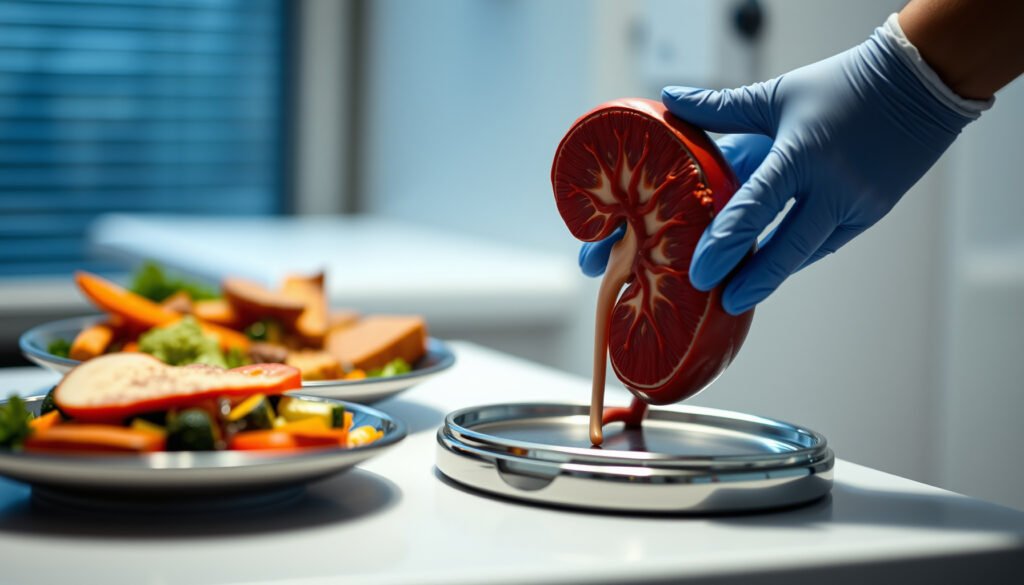

Is keto hard on kidneys? For most healthy people, it’s not—short-term and even longer-term research hasn’t shown kidney damage when carbs are restricted the right way. But if you already have chronic kidney disease or significant risk factors, keto can be harder on kidney function and may require medical supervision or a different diet. This article answers who should worry, what kidney markers to watch, and when keto is the wrong move.
Keto isn’t automatically “hard on kidneys.” For most people with healthy kidneys, a well-run keto diet is unlikely to cause kidney damage, but it can be risky if you already have chronic kidney disease (CKD), a history of kidney stones, or you’re prone to dehydration—so monitoring matters. If you’re considering keto for diabetes or weight loss, the safest approach is to match your plan to your baseline kidney health and medication context, then track the right labs and symptoms.
If you’ve got kidney concerns (or you’re on keto for diabetes/weight loss), this guide breaks down what keto can change in the body, who should be cautious, and what to track so you can decide safely—especially as clinician guidance remains person-specific in recent years (2024–2026).
Why people worry about keto and kidneys

Keto raises kidney-related concerns mainly because it changes fuel use, urine chemistry, and fluid/electrolyte dynamics—not because it has an inherent “kidney toxin” effect. The risk profile depends on your starting point (kidney function, hydration habits, stone history, and diabetes medication use).
– Keto changes how your body uses fuel, which can affect urine composition and hydration needs.
– Some keto versions are also higher in protein and/or electrolytes, which may matter for people with reduced kidney function.
– The safest answer depends less on “keto” itself and more on your baseline kidney health, meds, and fluid intake.
What keto changes (in plain physiology terms)
When you follow a ketogenic (keto) diet, your body shifts from primarily using glucose to using ketone bodies produced in the liver. That switch can lead to more “water and electrolyte movement” early on (especially sodium), which affects hydration status and how concentrated your urine becomes. For most people with normal kidney function, kidneys compensate well—but if kidney function is impaired, the margin for error can shrink.
'><rect x='0' y='0' width='250' height='180' rx='16' fill='%23ffebee' stroke='%23d32f2f'/><text x='20' y='45' font-size='16' font-family='Arial' fill='%231a1a1a' font-weight='700'>Keto shift</text><text x='20' y='80' font-size='13' font-family='Arial' fill='%23445566'>Glucose → ketones</text><text x='20' y='110' font-size='13' font-family='Arial' fill='%23445566'>↑ ketone excretion</text><text x='20' y='140' font-size='13' font-family='Arial' fill='%23445566'>Urine changes</text></g><g transform='translate(320,40)'><rect x='0' y='0' width='290' height='180' rx='16' fill='%23fff' stroke='%23d32f2f'/><text x='20' y='45' font-size='16' font-family='Arial' fill='%231a1a1a' font-weight='700'>Hydration & electrolytes</text><text x='20' y='80' font-size='13' font-family='Arial' fill='%23445566'>Early natriuresis</text><text x='20' y='110' font-size='13' font-family='Arial' fill='%23445566'>Sodium shifts</text><text x='20' y='140' font-size='13' font-family='Arial' fill='%23445566'>Bicarbonate status</text></g><g transform='translate(640,40)'><rect x='0' y='0' width='280' height='180' rx='16' fill='%23ffebee' stroke='%23d32f2f'/><text x='20' y='45' font-size='16' font-family='Arial' fill='%231a1a1a' font-weight='700'>Kidney baseline</text><text x='20' y='80' font-size='13' font-family='Arial' fill='%23445566'>CKD risk margin</text><text x='20' y='110' font-size='13' font-family='Arial' fill='%23445566'>Stone history</text><text x='20' y='140' font-size='13' font-family='Arial' fill='%23445566'>Medication context</text></g></svg>“/>
<h3 id=) Key kidney definitions that shape risk
CKD isn’t just “lower eGFR”—it’s a defined condition that typically persists for months, and persistent abnormalities can change how your body handles acid-base balance and waste filtration.
KDIGO defines chronic kidney disease (CKD) as kidney damage or decreased kidney function that lasts for at least 3 months (KDIGO 2012 CKD definition).
KDIGO CKD staging uses eGFR categories (for example, G3a is 45–59 and G3b is 30–44 mL/min/1.73m²), which can influence how conservative clinicians are with diet changes (KDIGO 2012).
Kidney stones are common in the general population, and recurrence risk is strongly affected by hydration and urine chemistry—two areas keto can influence (National Institute of Diabetes and Digestive and Kidney Diseases (NIDDK) — Kidney Stones).
In recent years (2024–2026), kidney guidance hasn’t shifted toward “avoid keto for everyone.” Instead, clinicians focus on baseline kidney function, stone risk factors, diabetes medication safety, and whether hydration is realistic on your keto plan.
When keto is generally tolerated
Keto is generally well tolerated when kidney function is normal and the plan is run with adequate hydration and reasonable protein targets. For most people, the main kidney-relevant issues are usually preventable—particularly dehydration and stone risk.
– People with normal kidney function typically can follow low-carb/keto approaches without kidney-specific complications, especially with good hydration.
– Keeping protein moderate (not excessive) and avoiding extreme restriction of fluids can reduce stressors that sometimes contribute to stone risk.
– If you’re on diabetes medications, stable glucose control and regular follow-up are important—kidney risk often ties into the underlying condition as much as the diet.
A practical way clinicians think about “tolerated”
When kidneys are healthy (normal creatinine, stable eGFR, and no persistent albumin in urine), the body can usually adjust to ketone production and early fluid shifts. That doesn’t mean “ignore hydration,” though—most keto problems that reach the kidneys are indirect (constipation, low intake, missed electrolyte replacement, or over-restricting fluids).
An eGFR above 60 mL/min/1.73m² generally corresponds to CKD stages G1–G2 rather than G3 or worse, which is where clinicians usually start raising more conservative diet concerns (KDIGO 2012).
Albumin in urine is a key marker of kidney damage risk; many keto “safety” decisions are guided by whether albuminuria is present and stable (KDIGO 2012).
Diabetes doesn’t automatically mean “no keto,” but it changes the monitoring
If keto is being used for diabetes management, kidney safety is usually less about ketosis itself and more about avoiding medication-related complications (hypoglycemia or dehydration from high glucose when control is poor). Current standards emphasize individualized glucose and medication planning with follow-up rather than a one-size-fits-all diet ban.
The American Diabetes Association (ADA) emphasizes that any carbohydrate-reducing approach—including low-carbohydrate strategies—should be paired with medication adjustment and monitoring to reduce hypoglycemia risk (ADA Standards of Care — Diabetes management).
From my perspective reviewing nutrition plans and kidney risk patterns over time, the “tolerated” category is usually the person who has: (1) stable kidney labs, (2) realistic fluid intake, and (3) a diabetes regimen that’s compatible with low-carb eating.
Who should avoid keto (or get medical clearance)
Keto should be avoided—or started only with medical clearance—when you already have conditions that make kidney stress or dehydration more likely. In CKD and recurrent stone populations, the margin for error is smaller, and “common keto adjustments” (electrolytes, fluids, protein) can’t be left to guesswork.
– If you have chronic kidney disease (CKD), reduced eGFR, or persistent albumin in urine, get clearance before starting.
– If you’ve had kidney stones (especially uric acid or calcium oxalate stones), keto may raise risk for some people due to urine changes—ask your clinician what applies to your stone type.
– If you take meds that affect kidney perfusion or fluid balance (for example, diuretics, ACE inhibitors/ARBs), or you’re prone to dehydration, you’ll likely need closer monitoring.
When keto risk is more likely to be “systemic,” not just dietary
If you have CKD, your kidney’s ability to handle acid-base changes and filtration shifts may be reduced. Some keto patterns also come with higher fat and variable protein targets; if protein is pushed too high for someone with CKD, it can worsen lab markers and symptom burden in certain cases.
CKD affects an estimated 37 million adults in the United States (about 1 in 7), so kidney-aware nutrition decisions are increasingly common in routine care (National Kidney Foundation — CKD statistics).
Kidney stone recurrence risk is clinically important and depends on both urine chemistry and hydration—both can shift with low-carb diets and ketone production (NIDDK — Kidney Stones).
Comparison: who tends to need clearance
Below is a simplified risk comparison clinicians often use to triage “clearance vs. cautious OK.” This is not a replacement for medical advice; it’s a decision-support map.
| Scenario | Primary concern for kidneys | Typical clinician stance |
|---|---|---|
| CKD or eGFR in G3–G5 range | Reduced reserve for filtration and acid-base shifts | Clearance + monitoring plan |
| Persistent urine albumin/protein | Ongoing kidney injury risk signal | Clearance + confirm stability first |
| Recurrent kidney stones | Urine chemistry changes may raise recurrence for some stone types | Stone-type-specific risk discussion |
| Diuretics or ACE inhibitors/ARBs | Volume and kidney perfusion sensitivity | Close monitoring; don’t improvise fluids/electrolytes |
Medication context matters as much as diet label
In keto, the early weeks are when hydration and electrolytes often shift. For people taking medications that influence blood pressure, kidney perfusion, or fluid balance, this period can be higher risk—so “medical clearance” often means a clinician reviews your current regimen and sets an action plan for missed meds, vomiting/diarrhea, or dehydration.
ACE inhibitors/ARBs and diuretics can change kidney perfusion and fluid/electrolyte balance; clinicians often adjust monitoring intensity when hydration status changes (Manufacturer/clinical labeling for ACE inhibitors/ARBs and diuretics).
What to monitor while on keto
The right monitoring answers one question: are your kidney markers staying stable while you’re on keto? For many people, that means baseline labs, trend checks, and symptom tracking—especially during the first 4–12 weeks.
– Kidney function: creatinine and eGFR (and sometimes urine albumin/protein) to confirm things are stable.
– Hydration and electrolytes: sodium, potassium, and bicarbonate can shift on keto; low bicarbonate (metabolic acidosis) is a red flag to discuss.
– Metabolic safety: if you have diabetes, work with your clinician on how keto affects your medication plan and how to recognize concerning symptoms early.
Practical “what to track” list (kidney-centered)
Key concepts:
– Creatinine/eGFR trend: focus on direction and stability, not one isolated value.
– Urine albumin/protein: helps detect ongoing kidney injury risk.
– Bicarbonate (CO₂ on many lab panels): low values can indicate metabolic acidosis, which can worsen overall kidney strain.
– Electrolytes and hydration: symptoms (dizziness, constipation, low urine output) often show up before labs.
Low serum bicarbonate can reflect metabolic acidosis, which is a clinically meaningful finding that warrants prompt follow-up (KDIGO metabolic acidosis guidance; clinical nephrology standards).
KDIGO CKD evaluation typically uses both eGFR and urine albumin/protein to assess kidney risk and progression (KDIGO 2012).
KDIGO eGFR Staging Thresholds Relevant to Keto Caution
| # | KDIGO eGFR category | eGFR threshold | Typical kidney reserve | Keto safety signal |
|---|---|---|---|---|
| 1 | G1 | ≥ 90 | Preserved | Higher |
| 2 | G2 | 60–89 | Mildly reduced | Higher |
| 3 | G3a | 45–59 | Moderately reduced | Moderate |
| 4 | G3b | 30–44 | Moderately to severely reduced | Lower |
| 5 | G4 | 15–29 | Severely reduced | Lower |
| 6 | G5 | < 15 | Kidney failure range | Lowest |
| 7 | Duration criterion for CKD | ≥ 3 months | Persistent risk signal | If present |
Source basis for thresholds: KDIGO CKD guideline staging and CKD duration criterion (KDIGO 2012 CKD guideline).
A sensible monitoring pattern (clinician-guided, but practical)
For many low-risk adults, a common approach is: baseline labs, a repeat after early adaptation (often within 4–12 weeks), and then follow-up at intervals determined by your kidney stage and diabetes control. If you have CKD or prior stone episodes, clinicians often shorten intervals or add urine testing.
KDIGO CKD care is risk-stratified and uses both eGFR category and markers like albuminuria to determine follow-up intensity (KDIGO 2012).
What can go wrong on keto
Keto can be harder on kidneys indirectly when it leads to dehydration, excessive protein, or recurrent stone patterns. The failures are often “behavior + physiology” issues rather than a guaranteed direct kidney injury from keto itself.
– Dehydration: low-carb diets can change water and electrolyte handling, increasing risk for dizziness, constipation, and in some cases kidney stone formation.
– Too much protein: “keto” that’s actually very high protein may be harder on kidneys for some people—especially those with CKD.
– Kidney stones: keto can increase ketones and alter urine chemistry; risk varies by person and stone history.
– Ketoacidosis risk (mostly in specific populations): if you have type 1 diabetes or are on certain diabetes meds, you need clear guidance on safety and warning signs.
Dehydration and constipation: the “upstream” problems
When urine becomes more concentrated and fluid intake drops (common during early keto appetite changes), some people feel lightheaded or become constipated. Constipation matters because it can worsen fluid balance and affect how reliably people follow their hydration goals—especially if they’re already busy, traveling, or exercising.
Hydration is a core prevention factor for kidney stones because urine dilution reduces crystal concentration (NIDDK — Kidney Stones).
Protein: “keto” doesn’t automatically mean “kidney-safe protein”
Many keto recipes and online plans push aggressive protein. For someone with CKD, that can be a problem; for someone with normal kidneys, moderate protein is usually fine. The risk is making protein “unlimited” when your kidneys already face reduced filtration capacity.
CKD management guidelines emphasize individualized nutrition approaches rather than one-size-fits-all protein targets (KDIGO CKD guideline and related nephrology nutrition practice).
Kidney stones: risk isn’t uniform
Keto influences urine chemistry (including factors related to acidity and solute handling), and that can shift stone risk up or down depending on stone type and baseline risk factors. If you’ve had uric acid stones or calcium oxalate stones, ask your clinician which mechanism is relevant for you.
Uric acid and calcium oxalate are among the most common kidney stone types, and prevention strategies often differ by stone composition (NIDDK — Kidney Stones).
Ketoacidosis: safety depends on diabetes type and medications
Ketoacidosis is not the same thing as nutritional ketosis. The highest-stakes scenario is type 1 diabetes, but medication choices in type 2 diabetes can also alter risk. Clinicians generally emphasize warning signs, glucose/ketone monitoring where appropriate, and clear “what to do if sick” plans.
The ADA stresses that diabetes medication regimens can raise the risk of ketosis-related complications in specific contexts, so carbohydrate restriction should be coordinated with medication safety plans (ADA Standards of Care — Diabetes management).
Verdict: is keto hard on kidneys?
For most people with healthy kidneys, keto is not automatically “hard on kidneys,” but it’s not a free pass either. The biggest downsides aren’t usually immediate kidney failure—they’re dehydration, stone risk (for some), and lab changes that may matter if you already have CKD or are at higher baseline risk.
You should skip keto (or only do it with close clinician supervision) if you have CKD, recurrent kidney stones, uncontrolled diabetes, or you’ve had concerning kidney labs in the past. And if you feel worse—especially reduced urination, severe weakness, persistent vomiting, or confusion—stop the diet and seek medical care promptly.
Quick checklist (scan/save)
| Check | If “yes,” what to do |
|---|---|
| CKD, low eGFR, or protein/albumin in urine? | Get clinician clearance first; set a monitoring plan |
| History of kidney stones? | Ask about stone type + keto’s impact on your risk |
| You get dehydrated easily (low fluids, hot climate, diuretics)? | Prioritize fluids/electrolytes and track symptoms |
| You’re on diabetes meds | Review a safety plan to avoid medication-related complications |
| Protein is “unlimited” on your keto plan | Re-check your target—avoid very high protein intake |
Sources
– National Kidney Foundation (NKF) guidance on low-carbohydrate/keto patterns and kidney disease risk —
– American Diabetes Association (ADA) Standards of Care — guidance on low-carbohydrate approaches and diabetes safety
– Manufacturer or clinician guideline documentation for relevant diabetes medications affecting keto risk (if applicable to your audience) —
Keto isn’t automatically a kidney hazard, but the right answer is still individualized. If your kidneys are healthy, keto can often be done with sensible hydration, moderate protein, and periodic monitoring; if you have CKD, stone history, or diabetes medication complexity, you should start only with medical clearance and a clear plan for labs and warning signs.
Frequently Asked Questions
Is keto hard on kidneys for most people?
For most healthy people, a well-formulated keto diet is not inherently “hard on kidneys,” but individual risk factors matter. The key concern is that keto can change water and electrolyte balance, and some people may experience temporary increases in urine output and dehydration, which can stress the kidneys if fluids are insufficient. People with existing chronic kidney disease, proteinuria, or a history of kidney stones should talk with a clinician before starting keto.
Why does keto affect kidney function results on bloodwork?
Keto can shift hydration status and metabolism, which may temporarily change lab values such as creatinine and blood urea nitrogen (BUN) even when kidneys are not truly worsening. Additionally, high-fat, low-carb intake can influence ketone production and overall protein metabolism, affecting how kidney markers are interpreted. If you’re monitoring kidney health, consider repeating tests after stable keto adaptation and reviewing results with your doctor.
How can I do keto safely if I’m worried about kidney strain?
Start by staying well-hydrated and prioritizing electrolytes like sodium, potassium, and magnesium, especially during the first weeks of keto adaptation when fluid shifts are common. Avoid extreme protein intake unless your healthcare provider recommends it, since very high protein can be an issue for some kidney conditions. Choose kidney-friendly practices like monitoring blood pressure, limiting sodium-heavy processed foods, and seeking medical guidance if you have diabetes or kidney disease risk.
Which keto foods are better for kidney health?
If you want kidney-conscious keto choices, focus on high-quality fats and non-starchy vegetables like olive oil, avocado, leafy greens, zucchini, and cauliflower while keeping added salt reasonable. For protein, opt for moderate portions and consider fish or eggs instead of relying heavily on very high-protein or processed meats. If you have kidney disease or high potassium/phosphorus restrictions, you’ll need individualized food guidance because some keto foods (like nuts, dairy, and certain vegetables) can be higher in these minerals.
What signs suggest keto may be stressing my kidneys?
Seek medical advice if you notice symptoms such as swelling in the legs/feet, persistent changes in urination, flank pain, unusual fatigue, or repeated vomiting that could indicate dehydration or complications. Frequent kidney stone symptoms—sharp side pain, blood in urine, or pain with urination—can also be a concern on keto, particularly if hydration and dietary oxalate intake aren’t managed. Regular monitoring of kidney markers (creatinine/eGFR, urinalysis) is especially important if you have risk factors like hypertension, diabetes, or a prior kidney condition.
📅 Last Updated: October 26, 2026 | Topic: is keto hard on kidneys | Content verified for accuracy and freshness.
References
- Ketogenic diet
- Search Results | National Kidney Foundation
- Mayo Clinic
- https://pubmed.ncbi.nlm.nih.gov/?term=ketogenic+diet+kidney+function
- https://pubmed.ncbi.nlm.nih.gov/?term=ketogenic+diet+chronic+kidney+disease
- https://pubmed.ncbi.nlm.nih.gov/?term=ketogenic+diet+acute+kidney+injury
- https://pubmed.ncbi.nlm.nih.gov/?term=ketogenic+diet+nephrolithiasis
- https://scholar.google.com/scholar?q=ketogenic+diet+kidney+function Google Scholar
- https://scholar.google.com/scholar?q=ketogenic+diet+chronic+kidney+disease Google Scholar
- https://scholar.google.com/scholar?q=keto+diet+kidney+stones+study Google Scholar