

Is cauliflower pizza crust keto? Yes—when it’s made primarily from cauliflower and cheese, it can fit a keto carb limit. The single reason that matters is carbohydrate count per slice: some recipes include extra flour or binders that push carbs higher.
Yes—cauliflower pizza crust can be keto, as long as it’s made without added starches and you control your portion. If it uses only cauliflower plus keto-friendly binders (like egg and cheese) it generally fits, but many store-bought versions sneak in breadcrumbs, flour, or other higher-carb ingredients. In this guide, you’ll learn what to check, how to make it work, and the common reasons it can kick you out of ketosis.
Who this is for / when it applies:
This is for anyone following keto (or trying to stay low-carb) who wants a pizza night without breading and flour. It’s especially useful if you’re buying a ready-made cauliflower crust or using recipes that call for “extra” ingredients to help it hold together.
Is cauliflower pizza crust keto-friendly?
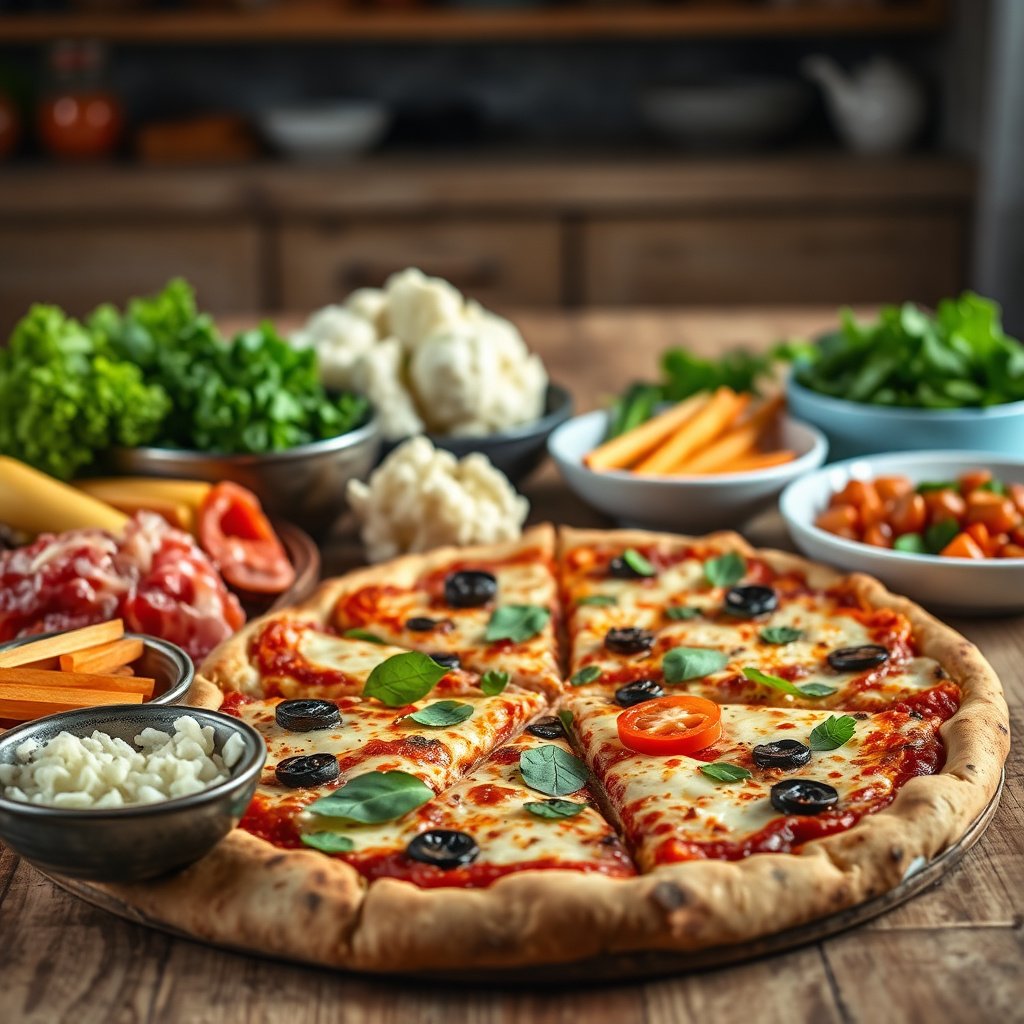
Cauliflower pizza crust is often keto-friendly, but it depends on the exact ingredient list and how many grams of carbs you eat in a day. In keto, the limiting factor is usually total net carbs (carbs minus fiber) from the crust and the rest of the pizza—especially sauce and toppings.
– Cauliflower itself is usually the main carb source, so the keto fit depends on how the crust is built.
– Keto-friendly versions typically rely on cauliflower + egg + cheese (sometimes seasonings), without starchy binders.
– Even when ingredients are keto-leaning, serving size determines whether you stay within your daily carbs.
According to the National Institute of Diabetes and Digestive and Kidney Diseases (NIDDK), ketogenic diets are typically very low in carbohydrates—often around 20–50 grams of carbs per day depending on the person and the specific plan (NIDDK). That means cauliflower pizza crust can be “keto” in ingredients but still not fit your target if you eat too much or the crust uses flour/breadcrumbs.
What to check in the ingredients (store-bought or recipe)
A cauliflower pizza crust is most likely keto when the ingredient list is short and avoids added starches. If you’re deciding between two crusts and one has more “help” ingredients (thickeners, grains, or breading), the simpler one is usually the safer keto choice.
– Avoid added starches like flour, breadcrumbs, wheat ingredients, or other thickening agents—these are the biggest “not keto” culprits.
– Watch for sugars (including “toppings,” glazes, or flavored ingredients) and fillers that raise total carbs.
– Look at the label for total carbs and fiber so you can estimate net carbs; if the nutrition info is missing, treat it as a red flag.
To make label-reading easier, it helps to understand how fast carbs can rise when a “keto cauliflower pizza crust” actually contains grains. For example, raw cauliflower contains carbs and fiber, but it’s still far lower than breading ingredients. According to USDA FoodData Central, 100g raw cauliflower has about 4.97g total carbs and 2.0g fiber (net ~2.97g), while grain-based ingredients can be dramatically higher (USDA FoodData Central).
Net-Carb Impact of Ingredients Commonly Found in Cauliflower Pizza Crusts (per 100g)
| # | Ingredient (common in crusts) | Total carbs (g) | Fiber (g) | Net carbs (g) |
|---|---|---|---|---|
| 1 | Cauliflower, raw | 4.97 | 2.00 | 2.97 |
| 2 | Egg, whole (raw) | 1.12 | 0.00 | 1.12 |
| 3 | Mozzarella, part-skim | 2.54 | 0.00 | 2.54 |
| 4 | Parmesan cheese | 3.22 | 0.00 | 3.22 |
| 5 | Wheat flour, all-purpose | 76.31 | 2.70 | 73.61 |
| 6 | Breadcrumbs, dry (plain) | 72.55 | 3.28 | 69.27 |
| 7 | Tomato sauce (canned, regular) | 8.20 | 1.80 | 6.40 |
Note: “Net carbs” isn’t a single standardized term on most nutrition labels, so always rely on how the label defines carbs and dietary fiber for that product. According to the FDA, food labels must declare total carbohydrates and dietary fiber, while “net carbs” calculations are typically customer-defined rather than a universal labeling standard (FDA). Practically, that’s why two “keto” crusts can behave differently in ketosis.
How to make cauliflower pizza crust keto (without it falling apart)
A cauliflower pizza crust holds up best on keto when you control moisture and use binders that don’t add starch. When the crust is wet, it needs extra help—and that’s where non-keto ingredients often sneak in.
– Moisture control matters: cauliflower can get watery, and a wet crust often needs extra binders to firm up.
– Use keto-friendly binders (commonly egg and cheese) and keep any “helping” flours or starches out unless you know exactly what’s in them.
– Bake until it’s set and sturdy, then let it cool slightly before handling—this is often the difference between sliceable and crumbly.
From my own time making cauliflower-crust versions at home, the biggest texture difference comes from how thoroughly the cauliflower is dried before baking. I don’t add any flour “just to be safe,” because once you add starch, the carb math shifts quickly—even if it still tastes good.
A reliable keto approach for cauliflower pizza crust typically looks like this:
1. Rice/flake cauliflower finely so it bakes evenly (grander pieces often leave centers under-set).
2. Remove water before binding (press in a clean towel or use a strainer step—whatever your method, the goal is less liquid).
3. Bind with egg + cheese and only season otherwise (salt, garlic powder, oregano, etc.).
4. Bake to set, not just to “brown” the top; a crust that looks dry can still be fragile if the interior holds moisture.
If you’re using a recipe that calls for “extra” ingredients like flour, cornstarch, potato starch, or breadcrumbs, treat that as an ingredient-alarm for keto. Even small amounts can matter because crust servings are usually multiple slices.
Portioning for low-carb goals
Cauliflower pizza crust can fit keto, but portioning is what determines whether you stay in ketosis. The crust is only one part of your carb load, so you need to count the whole pizza—not just the base.
– Track the whole meal: carbs from crust + sauce + toppings can add up faster than you expect.
– Use your preferred carb math (many people use net carbs) so you can decide how many slices fit your day.
– If you’re new to keto, start with a smaller portion than you think you’ll need, then adjust based on your routine and how your body responds.
Here’s a practical way to do the math without overcomplicating keto tracking:
– Add up carbs per serving from the crust package label (or calculated from the recipe).
– Add carbs from sauce (marinara can be surprisingly variable; regular canned tomato sauce often contains measurable carbs).
– Add carbs from any toppings that aren’t truly low-carb (onion, pineapple, BBQ sauce, sweet glazes, many “pizza” seasonings).
One extra nuance: if you’re aiming for nutritional ketosis, you typically can’t “save carbs” elsewhere without knowing your limit. Keto is a system—once carbs creep up, energy levels, cravings, and ketone readings can shift.
What can go wrong (and why keto fails)
Keto fails with cauliflower pizza crust most often due to hidden starches, excess moisture, or carb-heavy toppings. If your crust is “keto-style” but the ingredient list includes flour, breadcrumbs, or sweeteners, it can push carbs beyond your daily threshold.
– “Keto crust” that includes breadcrumbs/flour: it may taste right but can push carbs too high.
– Watery cauliflower: the crust turns fragile, and you end up adding extra binder ingredients that raise carbs.
– Topping overload: even keto-friendly crust can fail if the sauce is sweetened or the toppings include high-carb items (like some BBQ sauces, onions, or sugary glazes).
I’ve seen a common pattern in keto dieters’ logs: the cauliflower crust portion is fine on paper, but the meal includes a “keto” sauce that actually contains added sugar or a topping like caramelized onions. Over time, that adds up. The solution isn’t necessarily to abandon cauliflower pizza crust—it’s to treat the entire pizza as the carbohydrate unit.
Verdict: should you use cauliflower pizza crust?
You should use cauliflower pizza crust if the label (or recipe) stays simple—cauliflower plus keto-friendly binders like egg and cheese—and your portion fits your carb target. It’s a reasonable keto swap for bread-based crust, but it won’t behave exactly like traditional dough.
– The upside: when built with low-starch ingredients, cauliflower pizza crust can be a low-carb way to keep pizza night on your plan.
– The downside: texture can vary (crust can be delicate), and it won’t replicate chewy bread crust.
– Skip it if you’re extremely strict about carbs, have a sensitivity to cauliflower, or you can’t confirm what’s in your crust (especially with store-bought products that don’t list ingredients clearly).
Also, if your goal is very tight therapeutic keto levels, you may need more certainty than many pre-made crusts provide. In that case, homemade cauliflower pizza crust with ingredient control is usually the more defensible path—because you can verify exactly what goes in.
Quick checklist (save this)
| Check | Why it matters | What to look for |
|---|---|---|
| Ingredient list | Hidden starches raise carbs | No flour/breadcrumbs added |
| Binders | Keeps it keto-friendly | Egg and cheese are common |
| Fiber and carbs info | Helps estimate net carbs | Label shows total carbs + fiber |
| Portion size | Carbs are math, not marketing | Decide slices before you start |
| Sauce + toppings | The meal can blow past carbs | Avoid sweet sauces and high-carb toppings |
Frequently Asked Questions
Is cauliflower pizza crust keto-friendly?
Yes, cauliflower pizza crust can be keto-friendly because cauliflower is low in net carbs compared with traditional wheat crust. However, whether it fits your keto macros depends on the specific recipe or brand, since many add-ons like flour alternatives, breadcrumbs, or extra starch can increase carbs. To stay keto, look for “low-carb” and check net carbs per serving, ideally keeping it within your daily carb limit.
How many carbs are in cauliflower pizza crust for keto?
Carbs in cauliflower pizza crust vary widely by recipe and brand, so the most reliable approach is checking the nutrition label for net carbs (total carbs minus fiber). Many homemade cauliflower crusts end up relatively low in carbs, especially when using grated cauliflower and minimal binders. If your serving is large or the crust is thicker, carbs can add up quickly, so portion size matters for keto.
Why does cauliflower pizza crust sometimes kick people out of ketosis?
Even though cauliflower is generally low carb, ketosis can be disrupted if the crust uses higher-carb binders like almond flour in large amounts, potato starch, or added flour-like ingredients. Also, eating a portion that’s bigger than the label’s serving size can push carbs over your daily keto target. Finally, some brands contain hidden sugars or higher-carb cheeses, so reviewing ingredients and net carbs is key.
Which keto toppings work best on cauliflower pizza crust?
Keto-friendly toppings typically include low-carb proteins and fats such as pepperoni, sausage (without sugar), grilled chicken, bacon, and meatballs, plus full-fat cheese like mozzarella or provolone. Choose veggie toppings carefully—some like mushrooms, olives, spinach, and bell peppers are usually manageable in moderation, while high-carb veggies like onions and extra tomatoes can raise net carbs. For best keto results, pair your crust with a moderate amount of sauce (look for sugar-free marinara) and plenty of cheese and healthy fats.
What’s the best way to make a low-carb cauliflower pizza crust that stays keto?
For a keto cauliflower pizza crust, start by removing as much moisture as possible from riced or grated cauliflower using a microwave/steam-and-squeeze method, since wet cauliflower can require extra binders that increase carbs. Use keto-leaning binders like egg and cheese, and keep additional ingredients minimal to avoid added starch. Bake until firm and let it cool slightly before slicing to help it hold together without needing flour or breadcrumb fillers.
📅 Last Updated: November 03, 2026 | Topic: is cauliflower pizza crust keto | Content verified for accuracy and freshness.
References
- Ketogenic diet
- Cauliflower
- https://www.mayoclinic.org/diseases-conditions/diabetes/in-depth/ketogenic-diet/art-20414514
- Checking your browser – reCAPTCHA
- https://fdc.nal.usda.gov/fdc-app.html#/food-details/169870/nutrients
- https://pubmed.ncbi.nlm.nih.gov/?term=ketogenic+diet+carbohydrate+intake
- https://www.britannica.com/topic/keto-diet
- https://scholar.google.com/scholar?q=is+cauliflower+pizza+crust+keto+carbs Google Scholar
- https://scholar.google.com/scholar?q=cauliflower+nutrition+carbohydrates+net+carbs+keto Google Scholar
- https://scholar.google.com/scholar?q=ketogenic+diet+carbohydrate+intake+ketosis+review Google Scholar