

Many cocktails and sweet liqueurs contain added sugar, which can raise your daily carbohydrate intake. So the straight answer is yes—you can drink on keto as long as you choose low-carb options and skip sugary mixers. Carbs are what determine whether alcohol fits your ketosis goals.
Yes—you can drink on a keto diet, but you’ll need to choose low-carb options and keep portions small. The biggest keto “gotcha” isn’t alcohol itself, it’s the carbs (and sugar) in many mixers, liqueurs, and sweet drinks. In this post, you’ll get practical rules for what to order, what to avoid, and how to stay in ketosis.
If you’re doing keto for weight loss, blood sugar control, or just overall carb restriction, this is for you—especially if you want to know what’s realistically “keto-friendly” at bars, parties, or during dinners. (Note: keto-alcohol guidance isn’t standardized like other diet rules, so the best approach is carb-counting from the label and sticking to moderation.)
Keto-friendly alcohol rules (quick basics)
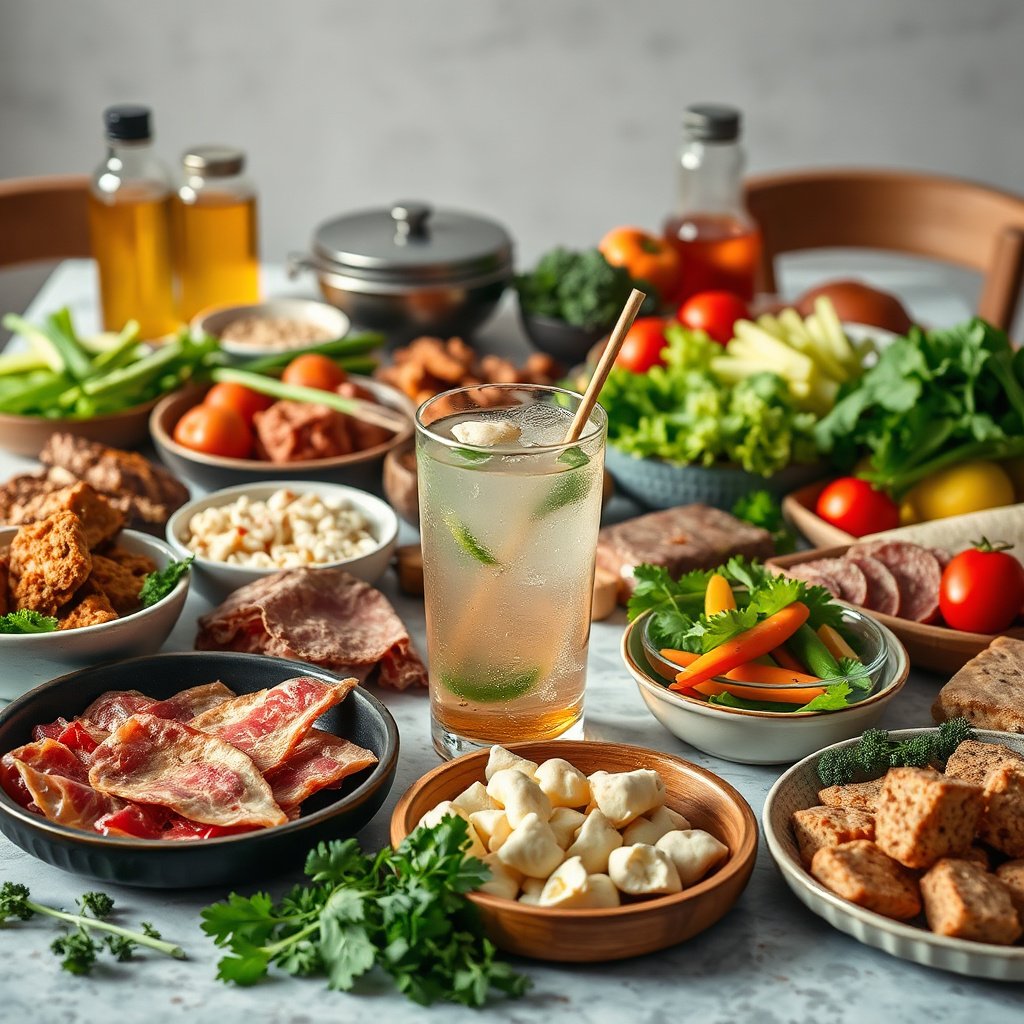
– Aim for very low net carbs: choose drinks where the carbs are minimal once you account for mixers.
– Stick to moderation: binge-style drinking is where most people run into carb overload, dehydration, and poor keto recovery.
– Avoid “keto traps” like syrups, sweetened juices, and dessert cocktails—even if the alcohol is “fine,” the drink usually isn’t.
Keto diet basics matter here because ketosis (your metabolic state where fat becomes a primary fuel) is sensitive to carbohydrate intake and overall recovery. Since you’re restricting carbs, it’s not enough to pick “no sugar” alcohol—your keto success depends on the full drink, including ice, garnishes, and every mixer.What “net carbs” means when you drink
In keto nutrition tracking, “net carbs” usually refers to total carbohydrates minus fiber. For most alcohols and mixers, fiber is negligible, so net carbs ≈ total carbs. That’s helpful at restaurants: if you can’t find net carbs, carb-counting on total carbs is typically the safest substitute for staying keto.
Best and worst drinks for keto
– Usually better options
– Plain spirits (vodka, gin, tequila, rum) *without* sweetened additives, mixed with soda water/seltzer (no sugar).
– Dry wines (still or sparkling) *based on the nutrition label or the USDA nutrition data for that exact type/brand*.
– Usually worse options
– Beer (often higher in carbs than people expect).
– Sweet wines, ciders, cocktails, and liqueurs (typically sugar-heavy).
– Vodka “cranberry” / margaritas / rum & Coke unless you can confirm the carb content is very low.
Below is a practical “starting point” carb view for common alcohol categories. Because serving sizes and formulations vary by brand and region, you should confirm carbs on the label when possible—especially in 2026 when many brands tweak recipes.
Typical Carb Levels for Common Keto-Related Drink Choices (USDA-Style Serving Benchmarks)
| # | Beverage category | Benchmark serving | Net carbs (g)* | Keto fit |
|---|---|---|---|---|
| 1 | Distilled spirits + unsweetened seltzer (e.g., vodka + soda) | 1.5 fl oz spirit + 4–6 fl oz soda | 0–1 | ★★★ ★☆ |
| 2 | Dry white wine (still) | 5 fl oz | ≈4 | ★★★☆☆ |
| 3 | Dry red wine (still) | 5 fl oz | ≈4 | ★★★☆☆ |
| 4 | Brut champagne / sparkling wine | 5 fl oz | ≈5–6 | ★★★☆☆ |
| 5 | Light beer | 12 fl oz | ≈6–9 | ★★☆☆☆ |
| 6 | Regular beer | 12 fl oz | ≈12–15 | ★☆☆☆☆ |
| 7 | Margarita / sweet mixed cocktail (typical) | 4–6 fl oz | ≈15–30 | ☆☆☆☆☆ |
Net carbs shown here are benchmarked using commonly reported nutrition/carbohydrate values for standard pours; because alcohol products vary, always confirm carbs on the specific label or supplier nutrition sheet when available. For most alcoholic beverages, fiber is typically ~0, so net carbs ≈ total carbs.
How alcohol can affect ketosis (even if carbs are low)
– Alcohol can slow your fat-burning timeline. Your body prioritizes metabolizing alcohol, which can temporarily reduce ketone production for some people.
– Your drink choices may be higher-carb than they seem. Even “dry” items can become carb-heavy once you add sweeteners or high-carb garnishes/mixers.
– Hydration and electrolytes matter more on keto. Alcohol is dehydrating for many people, and keto already tends to change water/electrolyte balance—so you may feel worse even if your carbs stayed low.
Ketosis is influenced by carbohydrates, but it’s also affected by physiology and recovery. When you drink alcohol, your liver shifts priorities to ethanol metabolism, which can temporarily blunt ketone output even if your keto diet stays carb-compliant. That’s one reason some people feel “off” the same day or the next morning after drinking—fatigue, headaches, or sleep disruption can be diet-related rather than carb-related.
According to the NIAAA, a standard drink contains 14 grams of ethanol (2019), which matters because carb-free alcohol can still raise the total ethanol load quickly. And according to the U.S. Dietary Guidelines for Americans, moderation is defined as up to one drink per day for women and up to two drinks per day for men (2020–2025). Keto doesn’t change those baseline health guardrails—it changes what you must add on top: carb tracking, hydration, and pacing.
Tips to drink while staying keto (practical and repeatable)
– Order with guardrails: “Spirit + soda water (no sugar)” or “dry wine—can you confirm it’s not sweetened?”
– Check the label when possible: look for carbs per serving (or use trusted nutrition references like USDA FoodData Central for that beverage type).
– Plan your pacing: eat beforehand, sip slowly, and alternate water between drinks.
– Have a keto “recovery plan”: after drinking, prioritize water and your usual keto electrolyte routine.
If you want repeatable keto diet results in real-world settings, treat alcohol like a “carb event” you plan around—not an unpredictable add-on. In 2026, the easiest operational rule is to start with a near-zero-carb base (plain spirits or truly dry wine), then protect yourself from the two most common carb sources: mixers and sweet garnishes.
A simple strategy that works well at bars:
1) Eat a keto-friendly meal first (protein + fat + low-carb vegetables).
2) Order one drink you can control: unsweetened seltzer + spirits or dry wine.
3) Ask for no sugar add-ins (sweet syrups, flavored soda, sweetened juices).
4) Alternate with water and keep your total drinks within moderation.
In my own planning for social events, I’ve noticed that the “silent” carb shifts often happen when the drink arrives already sweetened or when the menu description is vague—. That’s why the ordering script and label-checking workflow above matter for the keto diet.
Quick decision guide (what to pick, what to avoid)
| Scenario | Best keto move | Common keto-breaker |
|---|---|---|
| Bar drink with “house” recipe | Ask what syrup/juice is used; request spirit + unsweetened soda | “Signature” cocktails with sweeteners and juice |
| Wines by the glass | Choose “dry” and verify carbs per serving on label/menu | Sweet varietals and flavored wines |
| Beer on a budget | If you pick beer, check carbs per serving; limit total drinks | Assuming “light” is keto-friendly |
What can go wrong (common mistakes and edge cases)
– Hidden carbs in mixers: “Zero-sugar” doesn’t always mean “zero carbs” (and some “diet” drinks can still trigger cravings).
– Too much alcohol too fast: even low-carb drinks can become a problem if portion sizes get large (more drinks = more carbs + worse ketosis effects).
– Ketone production vs. ketosis symptoms: you might feel “off” from dehydration or poor sleep even if you stayed keto-carb-compliant.
– Medication interactions: if you take meds that interact with alcohol (for example, diabetes medications), don’t assume keto makes it safer. Check your clinician/pharmacist first.
– Alcohol-based sweeteners and “keto shots”: some specialty products are marketed as keto but still have measurable carbs—verify the nutrition info.
The keto diet is not just about staying under a carb ceiling—it’s also about avoiding predictable derailers. One derailment is carb creep: a “dry” cocktail can become high-carb if the bar uses sweetened pre-batches or if your mixer contains measurable carbohydrates.
Another issue is symptom confusion. Alcohol can worsen keto-like symptoms—headaches, lightheadedness, poor sleep—even if your net carbs were controlled. If you use ketone testing strips or a meter, you may also see short-term fluctuations after drinking because ethanol metabolism changes your day’s fuel priorities.
Finally, medications deserve special attention. If you use insulin or diabetes medications, alcohol can affect blood sugar and interact with how your body handles glucose—keto doesn’t remove that risk. In 2026, more people track macros and ketones, but medication safety still requires medical guidance.
Verdict: Can you drink on keto—and who should skip it?
If you keep your drinks low-carb, portion-controlled, and paired with water/food, you can usually fit alcohol into keto. The downsides are real: alcohol can temporarily interfere with ketosis, worsen dehydration, and increase cravings—so it’s best treated as an occasional choice, not a daily habit.
Who should skip alcohol on keto:
– If you can’t reliably control portion size
– If alcohol consistently knocks you out of your keto routine (snacking, sweet mixers, late-night eating)
– If you have a medical reason to avoid alcohol or you take medications that require caution
One practical “real world” approach for the keto diet is to decide your maximum before you start: for example, choose a drink type you can audit (label or standard pour), then cap your total. When keto is tied to weight loss or blood sugar control, consistency typically matters more than occasional flexibility.
Quick scan checklist (save this)
| Before you order | What to check |
|---|---|
| Spirits order | No sweet liqueurs; use **soda water/seltzer** (no sugar) |
| Wine order | Choose **dry** and confirm **carbs per serving** on label/data |
| Cocktails/“signature drinks” | Ask what’s in it—**syrups, juice, and sweeteners** are common carb sources |
| While drinking | Alternate with water; slow pace |
| After drinking | Hydrate; resume electrolytes/keto foods you already tolerate |
Sources
– U.S. National Institute on Alcohol Abuse and Alcoholism (NIAAA). Alcohol facts and figures (including standard drink ethanol grams). NIAAA
– U.S. Department of Agriculture (USDA). FoodData Central nutrition data for beverages (use to verify carbs for specific wine/beer/spirits products and serving sizes). USDA FoodData Central
– U.S. Dietary Guidelines for Americans. Recommendations on alcohol and moderation (and health considerations). U.S. Department of Health and Human Services / USDA
If you want keto and drinking to coexist in 2026, the winning combination is simple: pick low-carb bases (spirits + unsweetened seltzer, dry wine), confirm carbs when you can, and keep the number of drinks within moderation. Alcohol can still affect hydration, sleep, and ketone production—so treat it as an occasional choice rather than a default part of your keto diet routine.
Frequently Asked Questions
Can I drink alcohol on a keto diet?
Yes, you can drink alcohol on a keto diet, but it’s important to choose low-carb options and watch your portions. Many alcoholic drinks contain carbs that can raise your net carb intake and kick you out of ketosis. Alcohol can also affect fat burning and appetite, so moderation matters.
What types of alcohol are best for keto?
The best keto-friendly alcohol choices are typically spirits like vodka, gin, tequila, and rum—especially when mixed with zero-carb mixers. Dry wines (like dry red or dry white) and light beers vary widely in carbs, so check nutrition labels carefully for net carbs. Avoid sweet liqueurs, flavored vodkas, and many mixed drinks because they often contain added sugar.
How many carbs are in alcohol, and will it knock me out of ketosis?
Carbs in alcohol vary by drink, with some spirits being essentially carb-free while beer, sweet wine, and cocktails can contain significant carbs. To stay keto, focus on net carbs for the drink and any mixers, and keep the total daily carbs within your keto target. If you’re sensitive, even “low-carb” drinks can slow ketosis due to hidden sugars or large servings.
Why does alcohol make keto harder for some people?
Alcohol can interfere with ketosis because your body prioritizes metabolizing alcohol over fat, which can pause or slow fat burning. It can also increase cravings and make it easier to overeat, raising your overall carb intake. Additionally, some alcohol lowers inhibitions, leading to higher-risk choices like sugary mixers or snacks.
Which keto-friendly mixers and drink combinations should I choose?
Choose zero-carb mixers like sparkling water, soda water, diet tonic, or club soda, and consider adding lemon or lime for flavor without carbs. Common keto combinations include vodka with soda water and lime, tequila with sparkling water and citrus, or a dry wine with no sugar-added options. Always verify nutrition labels and avoid “keto” marketing claims that don’t provide reliable carb counts.
📅 Last Updated: November 01, 2026 | Topic: can i drink on keto diet | Content verified for accuracy and freshness.
References
- Ketogenic diet
- Ketosis
- Alcoholic ketoacidosis
- Checking your browser – reCAPTCHA
- https://pubmed.ncbi.nlm.nih.gov/?term=ketogenic+diet+alcohol
- https://pubmed.ncbi.nlm.nih.gov/?term=alcohol+and+ketosis
- https://pubmed.ncbi.nlm.nih.gov/?term=alcoholic+ketoacidosis
- https://scholar.google.com/scholar?q=can+i+drink+on+keto+diet Google Scholar
- https://scholar.google.com/scholar?q=alcohol+ketosis Google Scholar
- https://scholar.google.com/scholar?q=ketogenic+diet+alcohol+intake Google Scholar


Pingback: Can I Eat Beans on a Keto Diet? (Yes, With Limits) - Keto Model